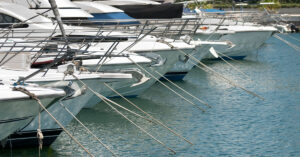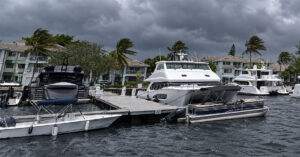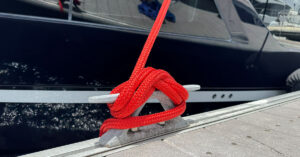
Quick knots provide immediate convenience on deck. Rigging a fender or tying off a dock line takes only seconds with a familiar hitch or bowline. This speed creates a false sense of security, leading mariners to rely on simple knots out of habit and psychological comfort. However, this familiarity masks a critical mechanical trade-off. Relying on knots silently compromises line strength precisely when maximum load capacity becomes necessary. Understanding the physics of rope breaking strength is essential for maintaining operational safety and managing shock loads across all marine operations.
Rope breaking strength refers to the ultimate tensile load a line can withstand before physical failure. While knots offer rapid, temporary security, properly hand-spliced eyes preserve significantly more rope breaking strength. Splicing remains the superior standard for high-stress and long-term applications, ensuring that structural margins remain intact during heavy weather and continuous working conditions.
The Science of Weakness
The Cordage Institute establishes industry testing standards that reveal a stark reality regarding termination efficiency. These empirical tests evaluate how different end finishes affect the core structural integrity of synthetic line under tension.
Standard knots such as the bowline or square knot typically retain only 50 to 65 percent of the original rope breaking strength. The rope becomes significantly weaker the moment you tie it. For a detailed breakdown of these strength reductions across various terminations, consult the Knot vs. Splice Reference Chart.
Hand-spliced eyes retain 85 to 95 percent or more of the un-terminated strength. The difference stems from the physics of fiber degradation under tension. A knot forces the rope into tight, restrictive bends. This curvature creates severe localized stress concentration, where outer synthetic fibers stretch beyond their elastic limit while inner fibers compress. This discrepancy causes an immediate failure in load distribution across the braid. Furthermore, the destructive effects of crushing forces and severe internal friction concentrate tension at the knot entry points, accelerating strand shear long before reaching the theoretical line limit.
Anatomy of a Termination
Every termination redirects tension vectors and alters fiber orientation, directly impacting assembly longevity under dynamic stress. Understanding how mechanical terminations handle axial forces helps crew members select appropriate hardware and end finishes. For an in-depth technical analysis of line endings, refer to Understanding Rope Terminations and End Finishes.
The American Rope Advantage
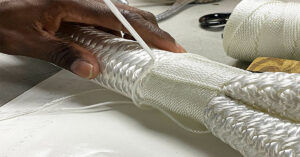
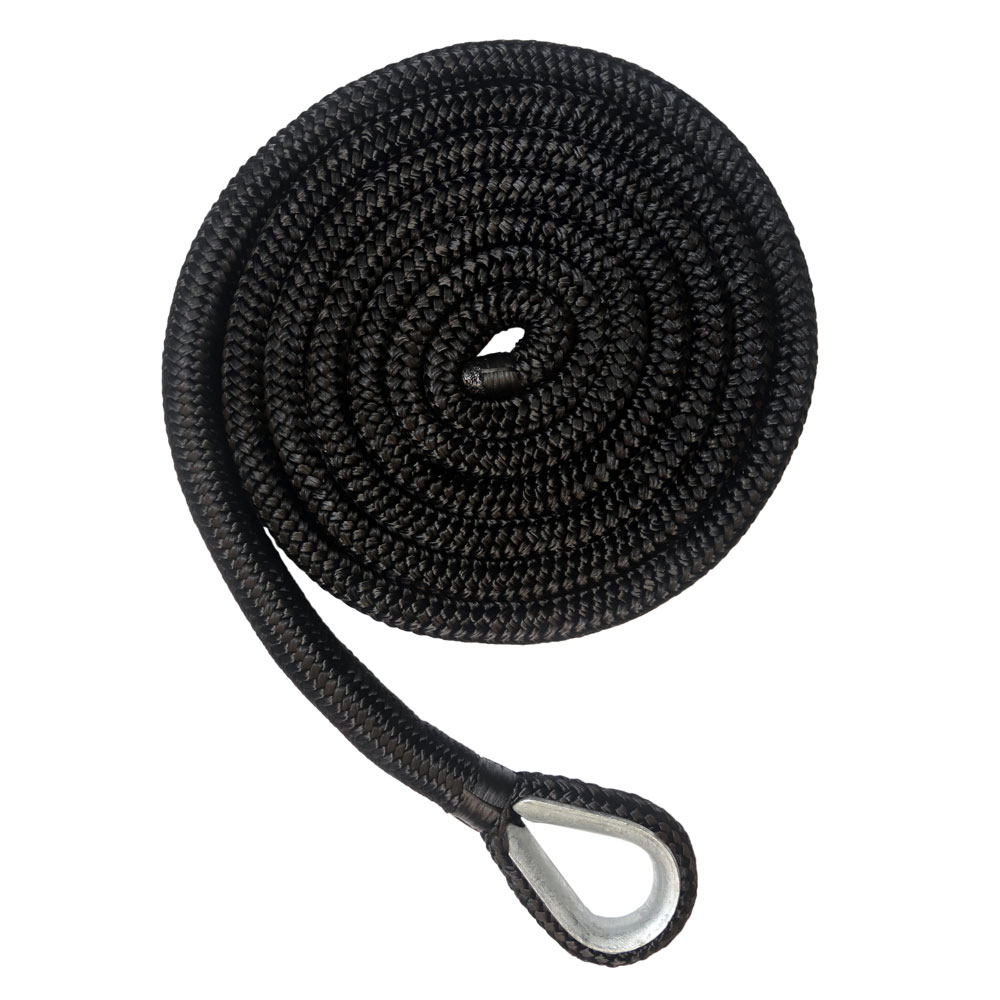
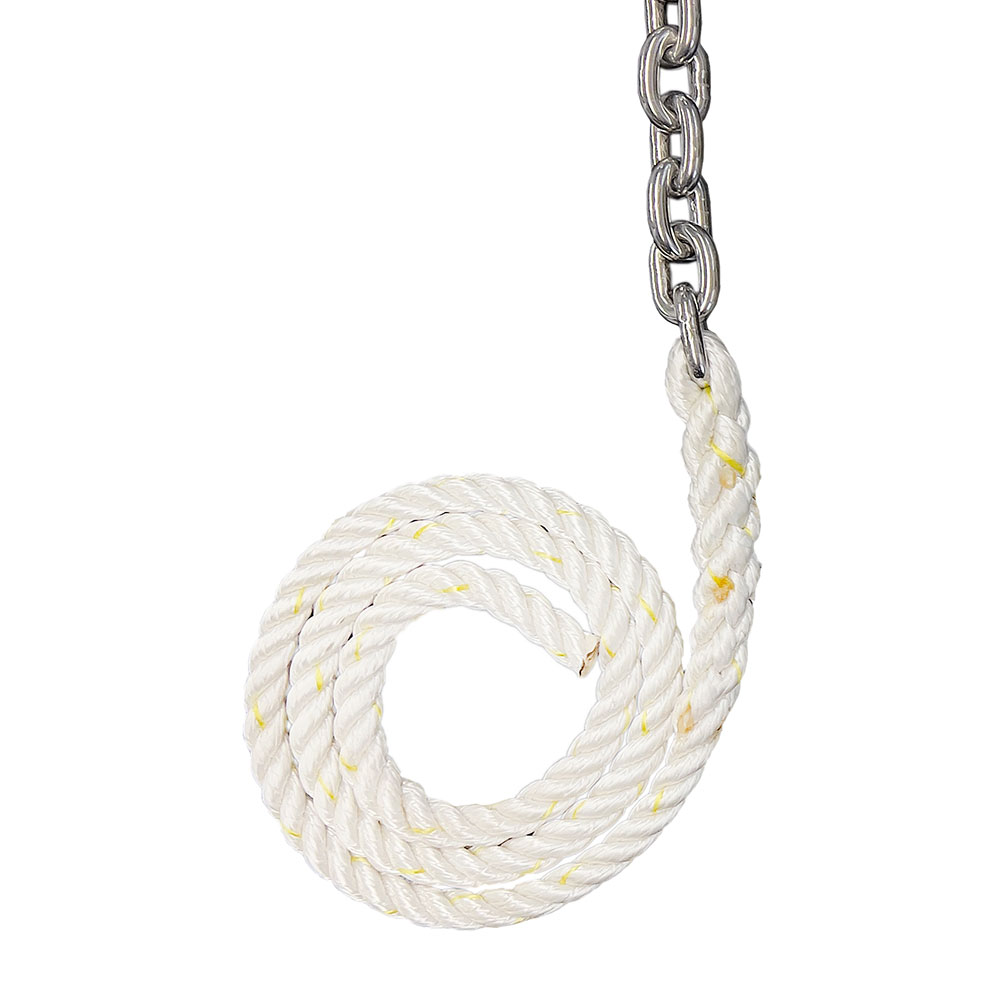
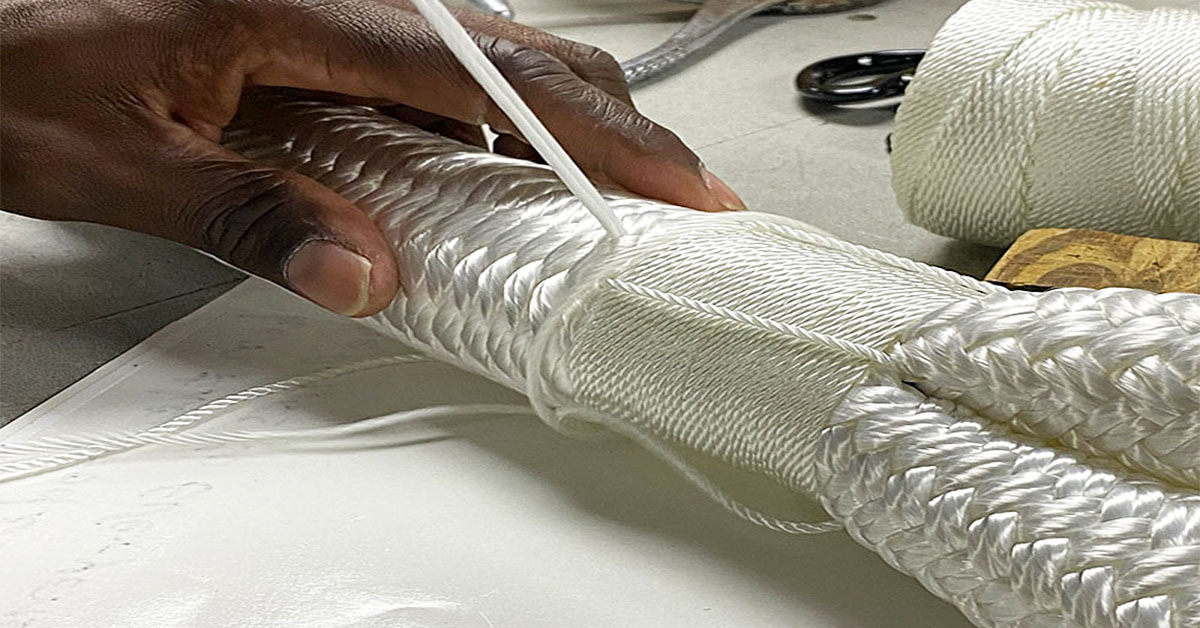
Precision hand-splicing serves as a stronger, more consistent standard than mechanical crimps or temporary knots. The technique carefully unravels and tucks individual strands back into the rope core, tapering the transition to distribute tension smoothly along the entire eye assembly.
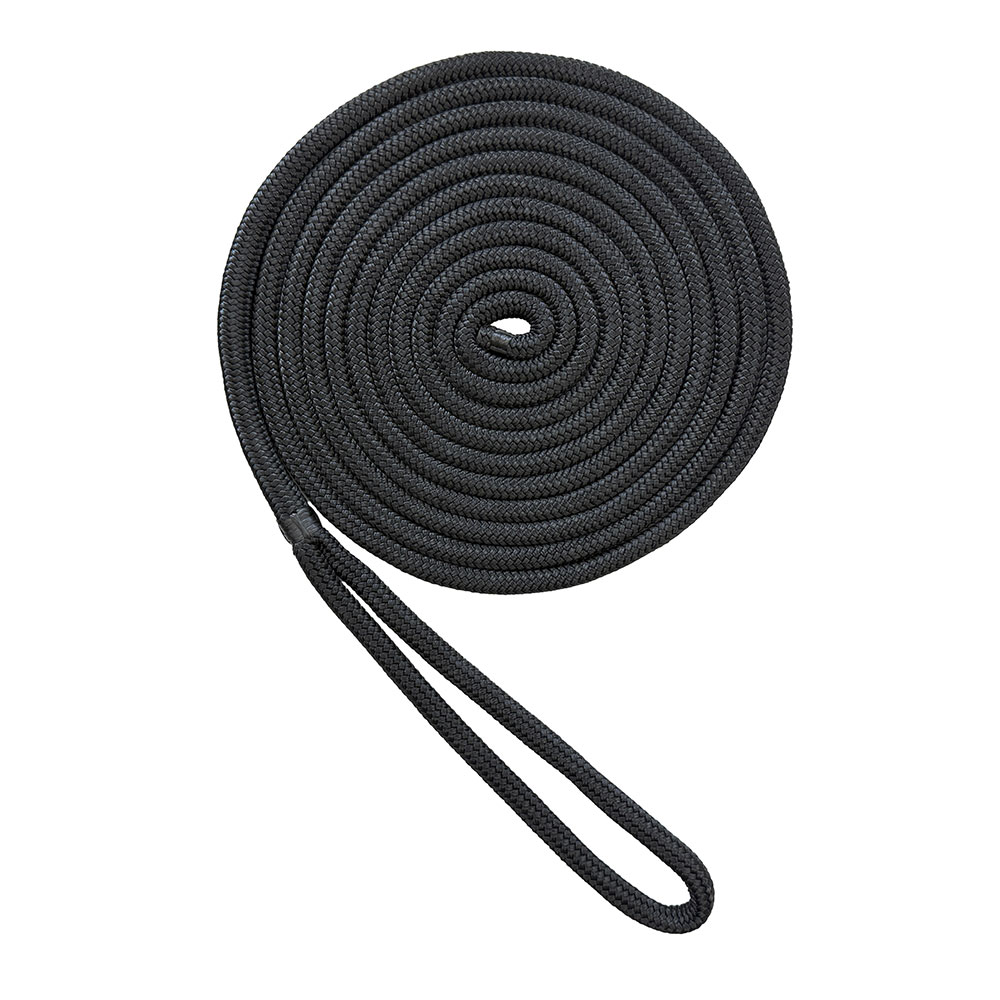
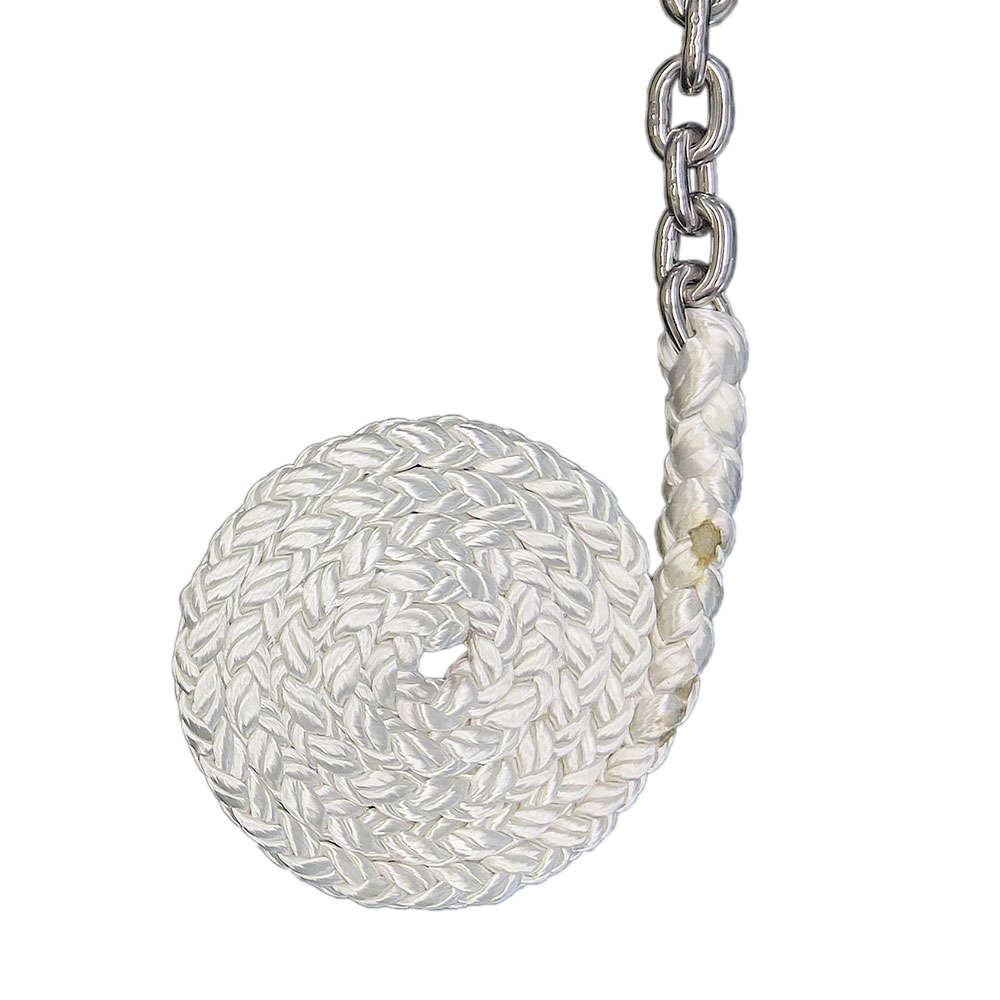
Manual splicing buries line ends back into the inner core, maintaining balanced strand tension and preserving original structural geometry far better than rigid machine-based alternatives or compression sleeves. Machine splices often apply uniform, unyielding pressure that can pinch core fibers or create abrupt stress points near the throat of the eye. In contrast, hand-splicing allows the line to flex naturally and adjust under load, ensuring uniform load sharing between core and cover. Maximum strength retention is essential for mission-critical gear like Nylon Double Braid Dock Lines, which face continuous cyclic loading and sudden storm surges.
Best Practices and Situational Reliability
Selecting high-efficiency cordage is the foundation of maintaining structural integrity under load. Selecting the proper fiber chemistry and weave structure ensures the line responds predictably to shock loads without suffer plastic deformation. Learn more about choosing the right gear in Why Double Braid Nylon Is the Smart Choice for Serious Boaters.
Managing Connection Points
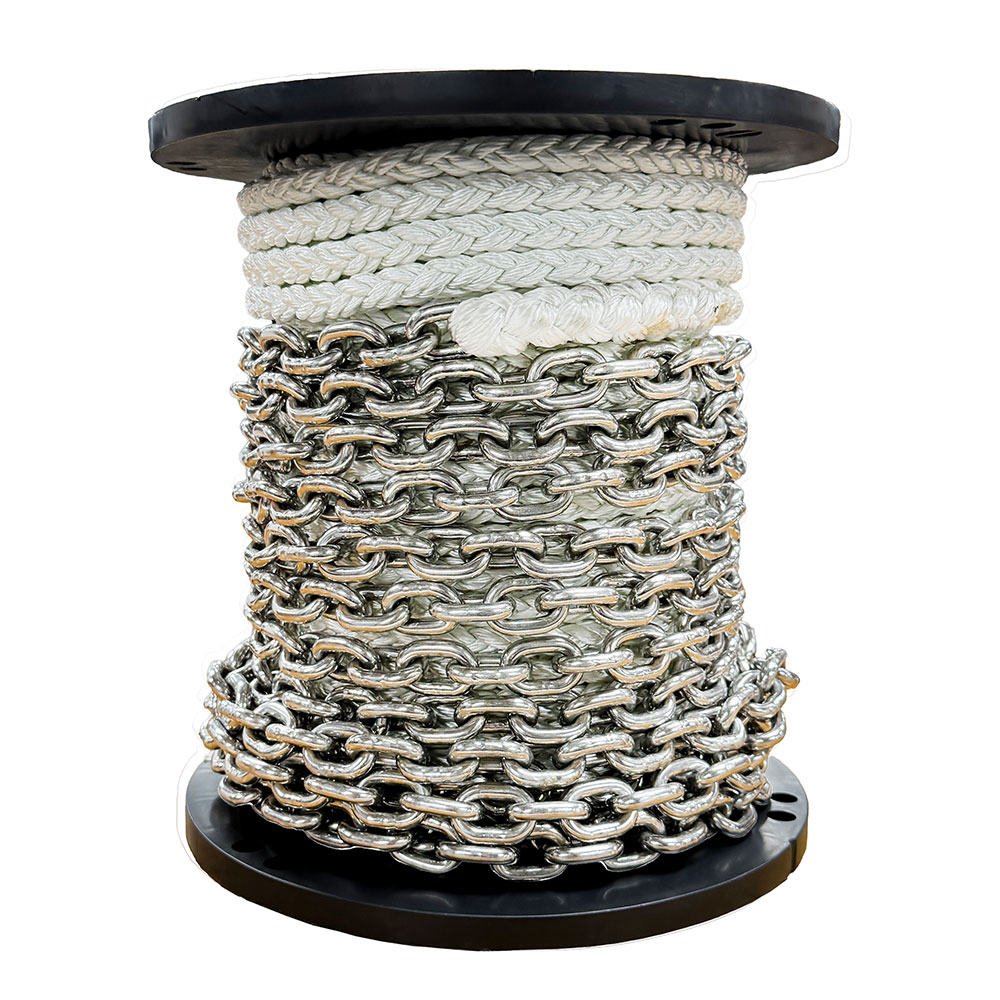
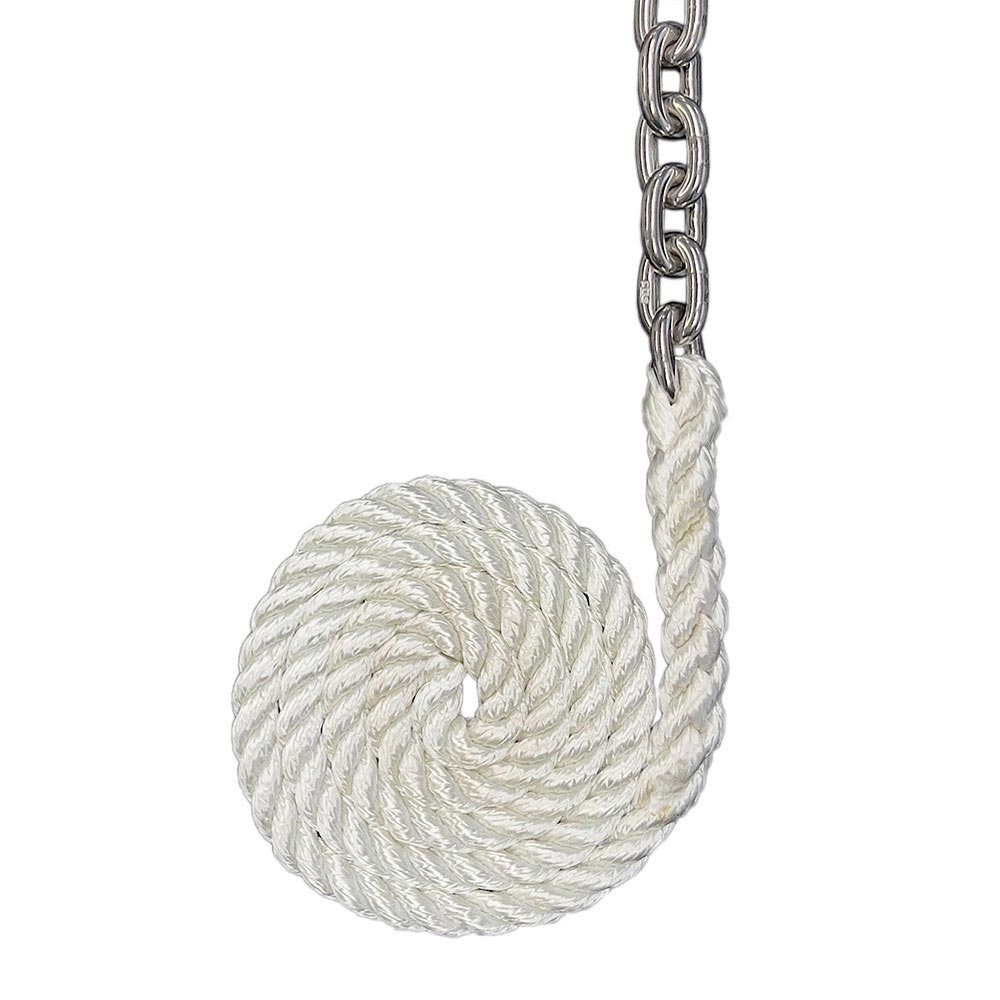
Optimize transitions between lines and deck hardware using smooth splices rather than bulky, high-friction knots. Passing a spliced eye directly around bitts or cleat bases avoids the severe nip points that destroy working capacity. You can find more detail on this in Rope-to-Chain Connections: Splicing vs. Shackles & Swivels.
Long-Term Strength Maintenance
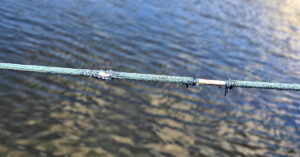
Several environmental factors degrade rope breaking strength over time. UV radiation breaks down synthetic polymer chains on the outer cover, while saltwater crystallization leaves salt deposits that act as micro-abrasives within the inner core. Internal friction from repetitive cycling further degrades fiber strength. Review What Causes Dock Lines to Lose Strength Over Time? to stay ahead of these issues.
Chafe Protection Strategies
Implement heavy-duty chafe gear over eye splices and high-friction contact points. Applying protective leather or woven polyester sleeves prevents outer braid wear under heavy pressure or continuous rubbing against rough chock edges. See How to Protect Dock Lines from Chafe Under Pressure for effective strategies.
Reducing Shock Load Impact
Utilize the natural elongation properties of high-grade synthetic fibers to absorb sudden energy spikes. Increasing scope and selecting appropriate line lengths help manage tension before peak forces reach critical thresholds at fixed deck connections. Read How to Reduce Shock Load on Dock Lines to learn how to mitigate these risks.
Remote Reliability
Professional mariners prepare spliced ground tackle and dockage gear specifically for isolated environments where replacement lines are unavailable. Maintaining fully spliced primary gear eliminates failure points during extended surges or unexpected weather shifts. For more on this, visit Rope Reliability for Remote Anchorages: What You Need Aboard.
Securing Your Safety
Every knot tied into a primary line represents a permanent loss of working efficiency and safety margin. While knots are useful for temporary, low-load tasks, they lack the structural consistency required for critical mooring and towing applications. Investing in professional hand-splices preserves maximum rope breaking strength. This ensures long-term reliability and the peace of mind required when conditions turn rough on the water.