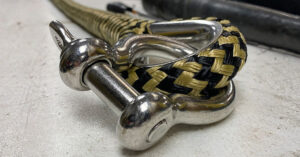
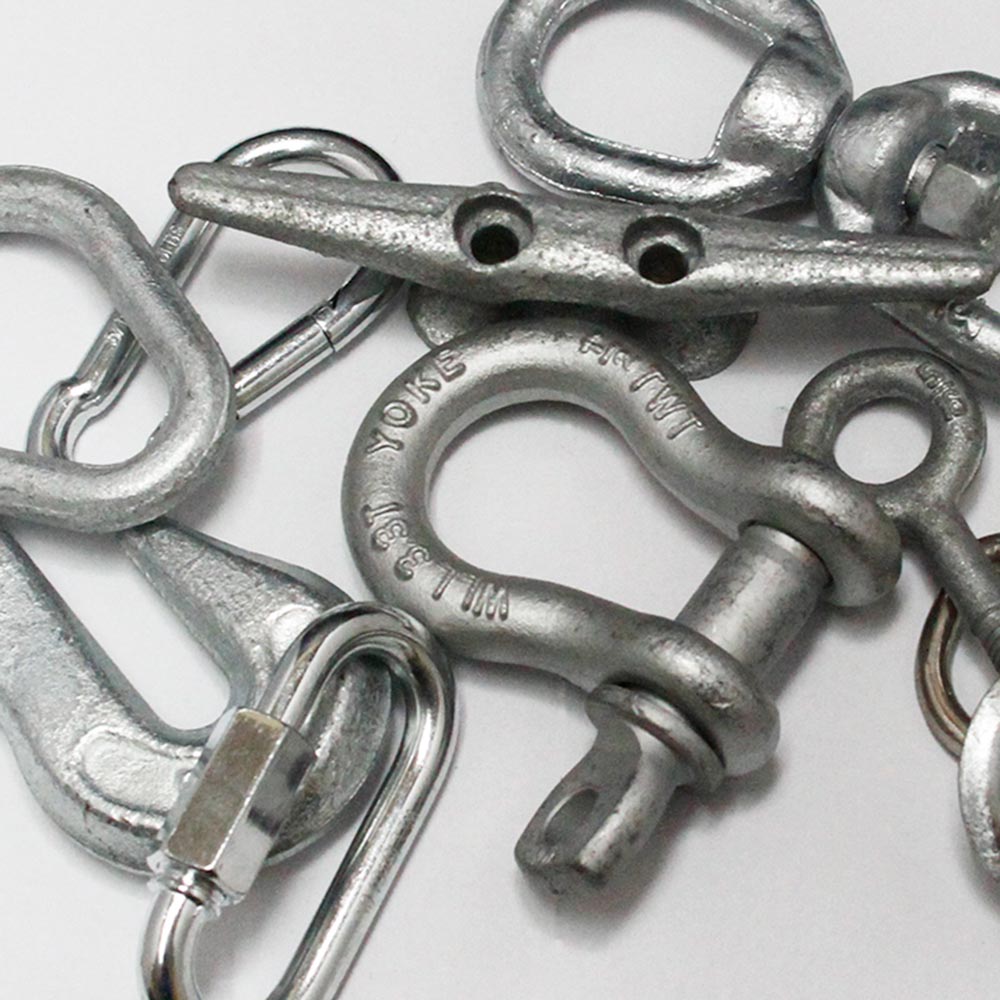
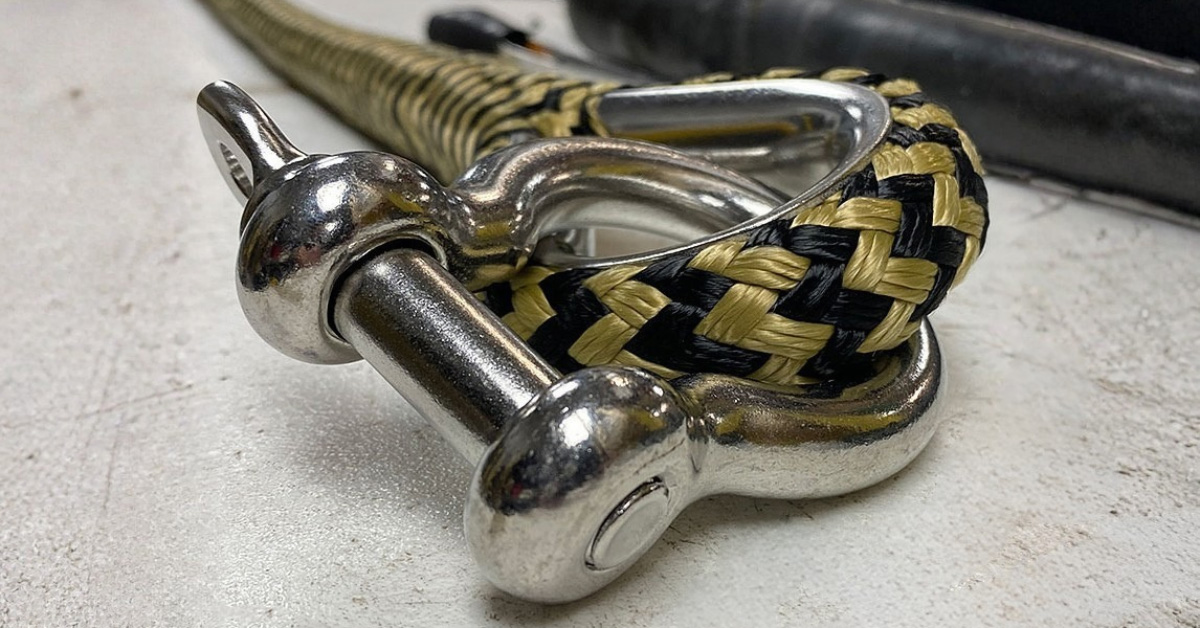
Shackles are load-rated hardware designed to provide secure connections in lifting and rigging applications. Most galvanized shackles and some stainless shackles are marked with their size and Working Load Limit (WLL), indicating their rated capacity. The shackle’s shape and pin configuration determine how the load is distributed and how easily the connection can be assembled or disconnected.
American Rope stocks stainless steel shackles and galvanized shackles across anchor (bow), D, and twist shapes, with screw pin, bolt, captive pin, and no-snag pin options. The labels look interchangeable until you compare the rated limits.
Shape Decides Where a Shackle Fits
Match the bow or the D to the direction of the pull. An anchor shackle, also called a bow shackle, has a wider, rounder bow that can take more than one leg at a time, which suits anchor chain and multi-leg connections. A straight D keeps the load in line with the pin and is the usual pick at a single-point attachment.
We list the bow pattern as Anchor Shackle and the straight pattern as Straight D Shackle, with a Long D version when the connection needs extra reach. A Twist Shackle turns the load 90 degrees so a line or chain leads off in a new direction without pulling sideways on the pin. Bolt Chain Shackle and Chain D Shackle cover chain-to-chain work, where the pin sits close against the link.
Keep the pull centered on the pin. A shackle pulled off to one side or loaded across the bow loses capacity quickly, and the working load limit overstates what it can hold.
Pin Styles and What They Change
The pin controls how securely the shackle stays shut and how it opens. Screw pin versions are the working standard on deck. They open by hand and break a connection without tools.
A bolt shackle, sold as a safety bolt pattern on the galvanized side, uses a hex head bolt held by a nut and a cotter pin. The bolt cannot be backed out by hand, and vibration has a harder time working it loose. That suits anchor chain and fittings that stay in the water for months. Captive pin shackles keep the pin attached to the body, so it does not end up on the bottom. No-snag pins sit flush with the body, leaving nothing for a line to catch as the fitting moves.
Whichever pin you pick, seat it fully. A screw pin backed out partway leaves the shackle carrying load on the threads, and a nut without its cotter pin can work loose with little warning.
Reading the Size and Load Markings
Read size and working load limit together, since the same nominal size carries different limits in different shapes and pin styles. Size is the body diameter, measured across the shackle material. Pin length and the width of the opening are separate measurements. The working load limit is the highest load the fitting should see in service, and it is the figure to hold against the load the connection will carry.
The rated number is not a breaking strength. Minimum breaking load, the lowest load at which the shackle is rated to break, runs six times the working load limit on the Van Beest forged anchor shackles in the Shackle Size and Working Load Reference. Compare the working load limit against the full assembly, because chain and thimbles each carry their own rating and the lowest figure sets the limit.
Capacity does not climb evenly across the catalog. A 3/8 inch Straight D Shackle With Screw Pin is rated 1,200 lb, and a 3/8 inch Bolt Anchor Shackle is rated 1,500 lb. Stepping up one size on the lighter pattern can land near the capacity of the heavier pattern at the original size, which matters when a fitting has to sit against a specific cleat or chain link.
Ratings are stamped on most galvanized and some stainless hardware. If a stamp wears smooth or a pin gets replaced with an unmarked one, take the shackle out of service. For a fitting that was never stamped, such as Suncor stainless D-shackles, use the working load limit on the product page or in the Shackle Size and Working Load Reference.
Where Shackles Do Not Belong
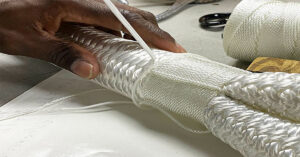
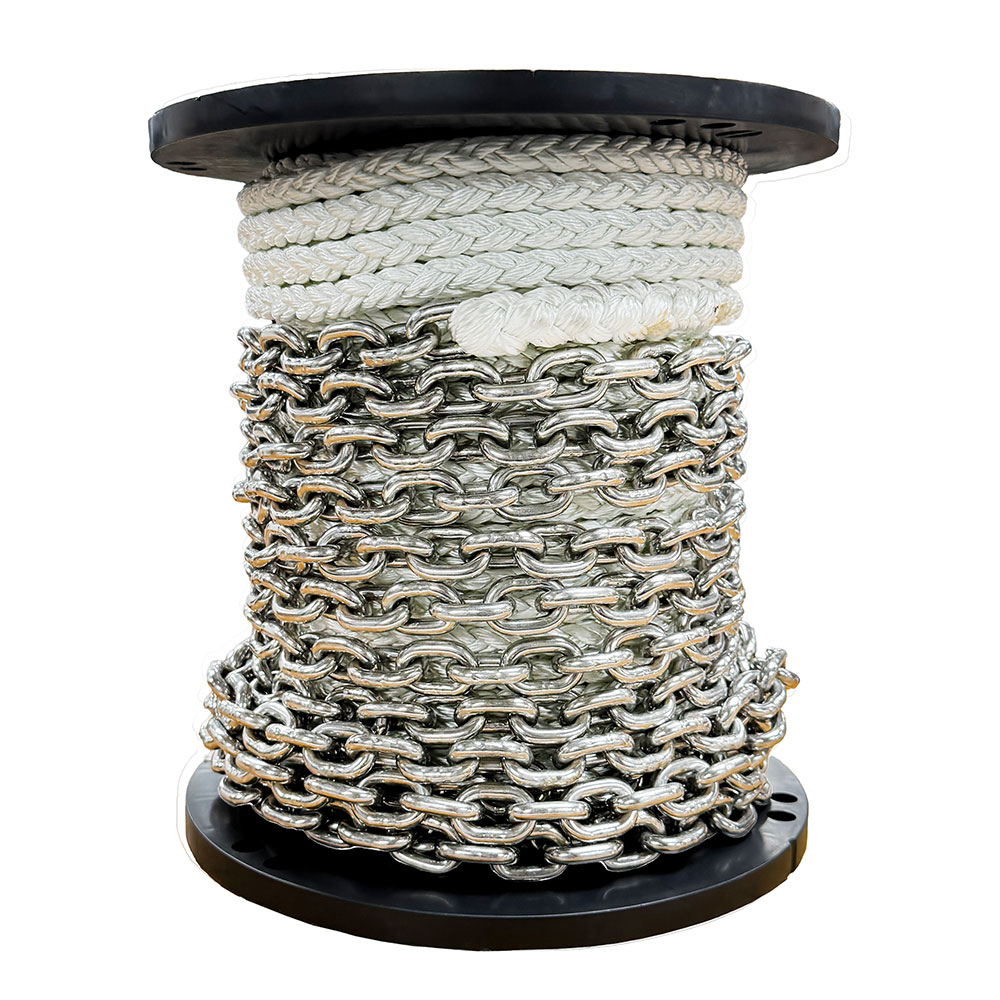
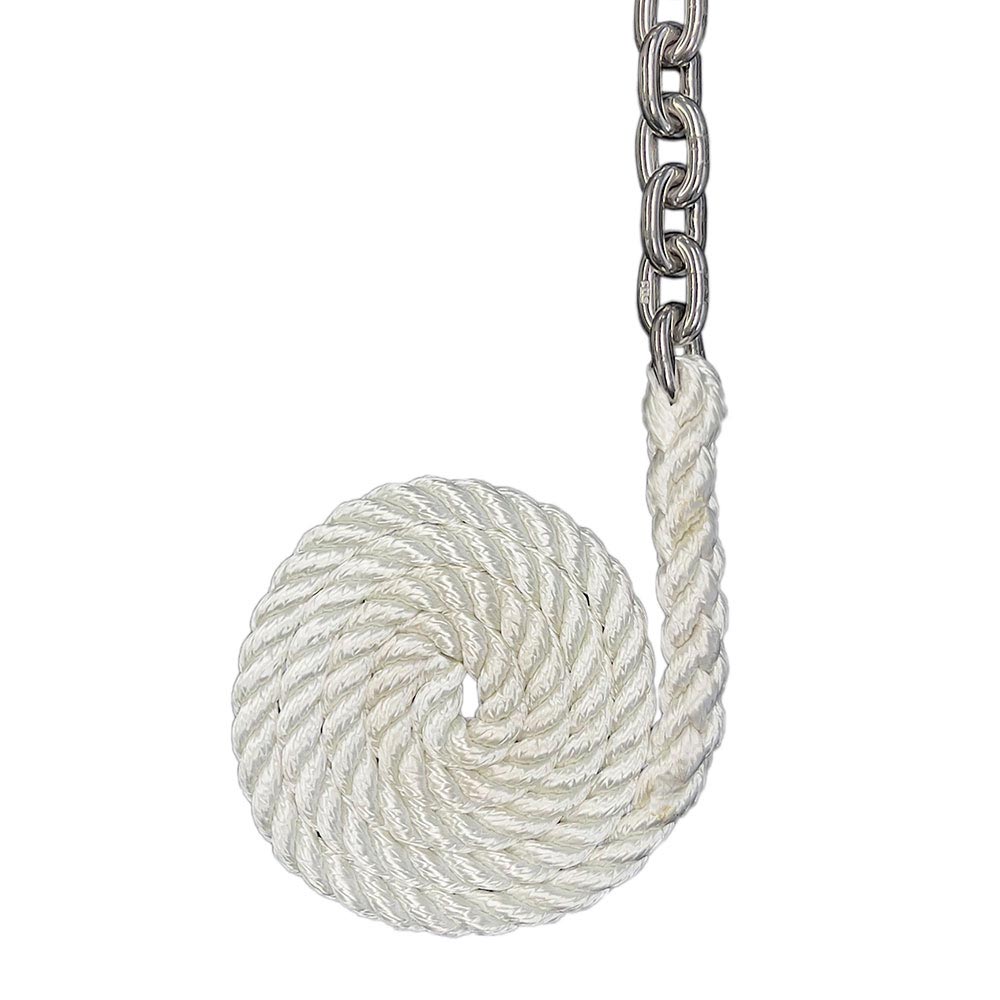
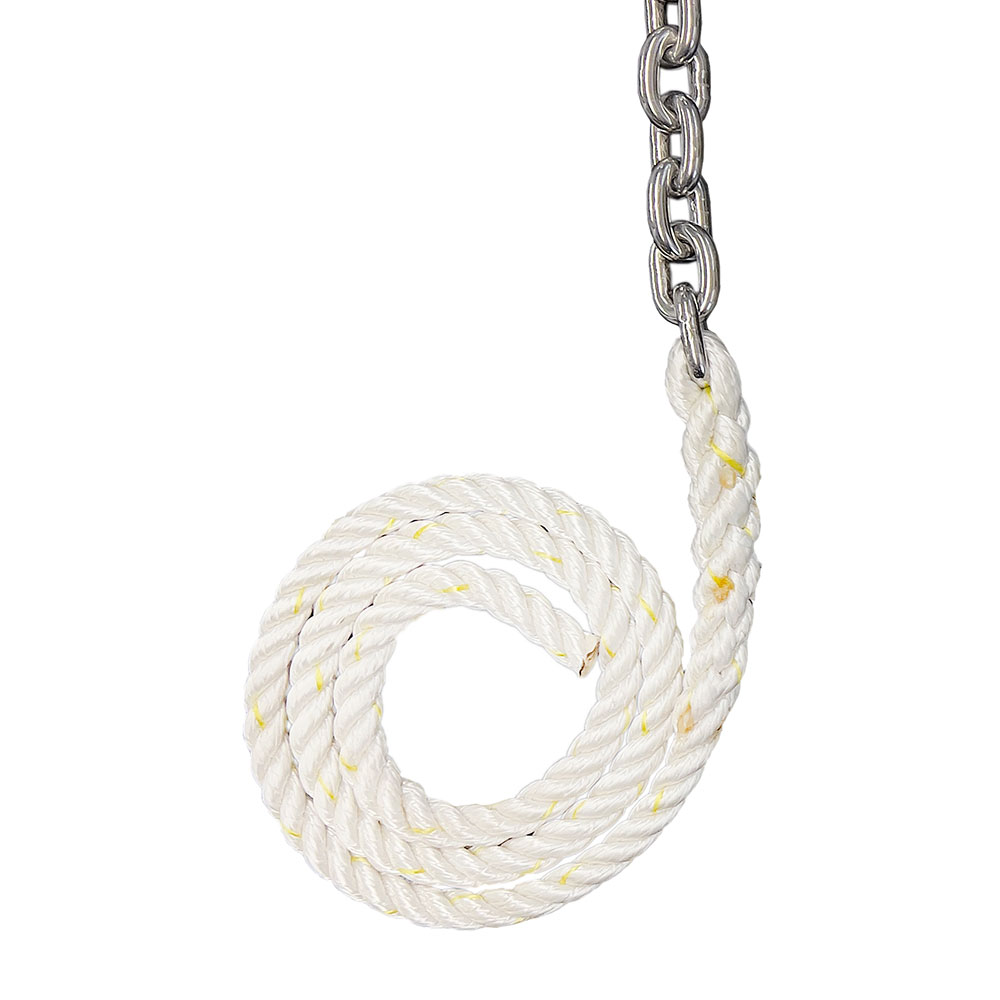
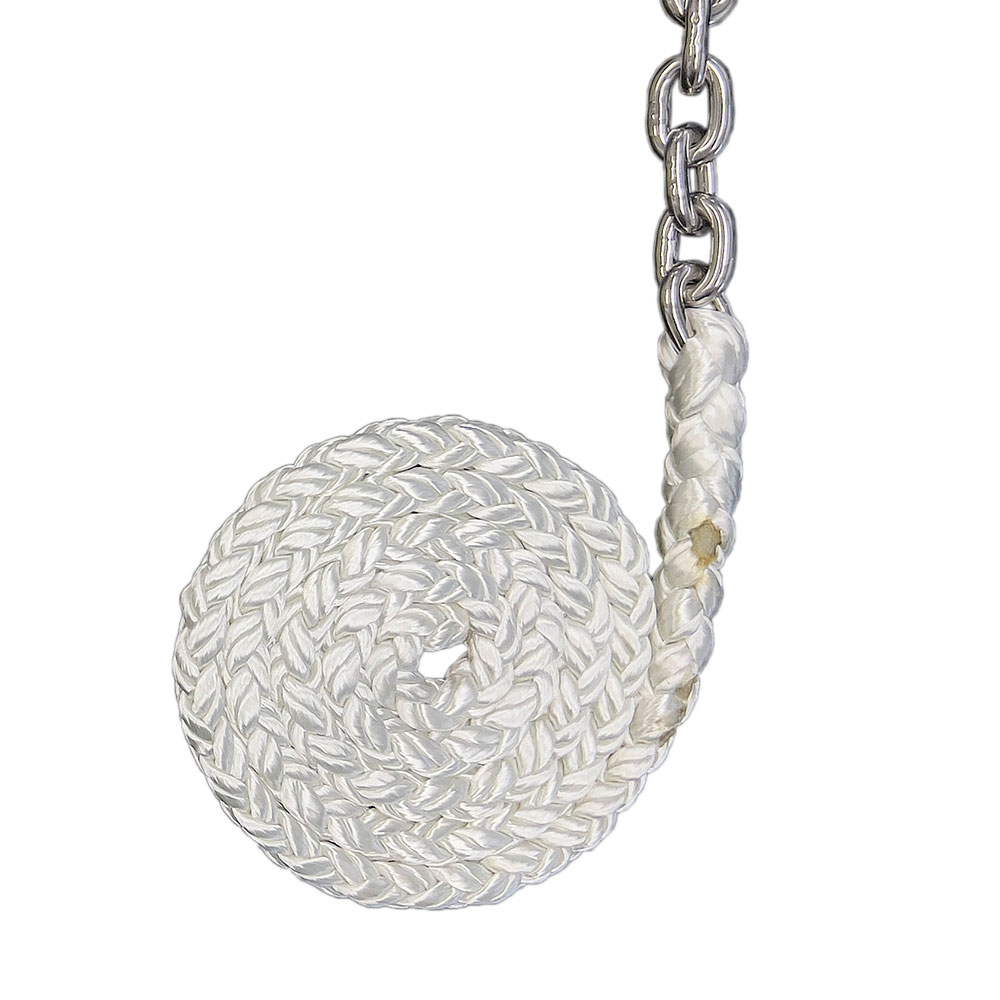
Rope-to-chain connections on a windlass system are spliced. The gypsy is the notched wheel on the windlass that grips the rode. A shackle puts a rigid link at the end of the rope that the gypsy is not built to pass, and the fitting can jam. A rope-to-chain splice keeps the joint flexible and lets the rode feed the way the windlass was designed to pull it.
The rule covers the windlass only. Anchor chain, bridles, snubbers, and deck hardware all use shackles as rated connections. Build the anchor rode with the splice from the start.
Matching Material to the Boat
Pick the material for where the shackle will sit. Grade 316 stainless steel, used across most of the American Rope stainless shackle lineup, resists salt water and constant spray without rust bleeding onto gelcoat. Galvanized fittings, including the Van Beest G-4163 Anchor Shackle (Safety Bolt) and the Made in USA Chicago Anchor Shackle (Screw Pin), suit anchor chain and heavy working loads where the hardware stays wet. On the stainless side, the Petersen Bolt Anchor Shackle – High Tensile covers the same safety bolt pattern as the Van Beest where the working load calls for more.
Mixing galvanized and stainless in one connection puts two different metals together in salt water, and one of them corrodes faster. Use one material throughout.
FAQ
What size shackle do I need for my anchor chain?
Measure the chain link diameter, then choose a shackle whose working load limit meets or beats the chain rating at that size. The pin should pass through the link without forcing.
Can I use a shackle to connect rope to chain?
Not on a windlass system, where that connection is spliced because a shackle will not pass the gypsy cleanly. Away from the windlass, a shackle is a normal rated connection for chain and deck hardware.
How do I know when a shackle needs replacing?
Look for a body that has spread or a pin that no longer threads fully. Either one takes the fitting out of service.