Recent blog post

rope breaking strength knots vs splices

Knots vs. Splices: How Much Strength Are You Losing?

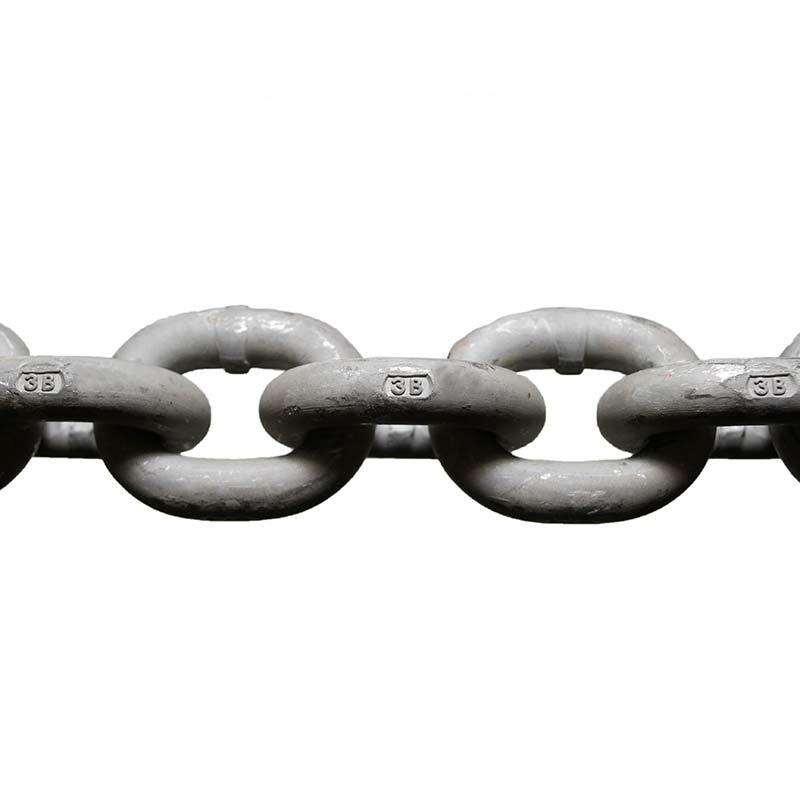
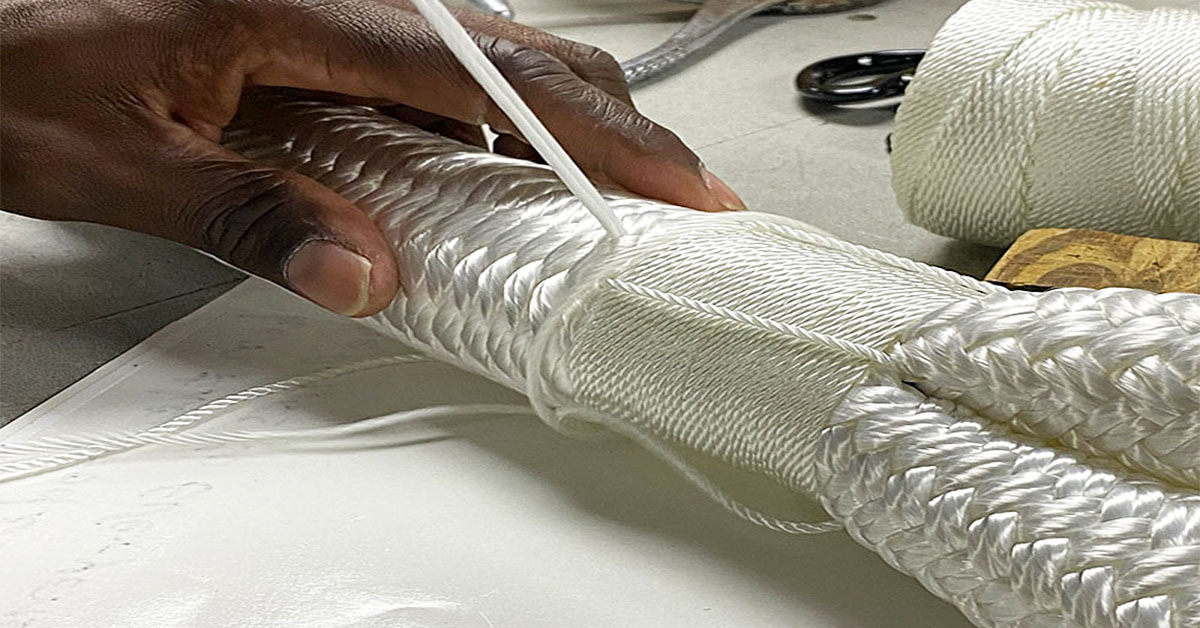
Quick knots provide immediate convenience on deck. Rigging a fender or tying off a dock line takes only seconds with a familiar hitch or bowline. This speed creates a false sense of security, leading mariners to rely on simple knots out of habit and psychological comfort. However, this familiarity masks
how storms weaken rope and dock lines

How Repeated Storm Stress Weakens Rope Over Time

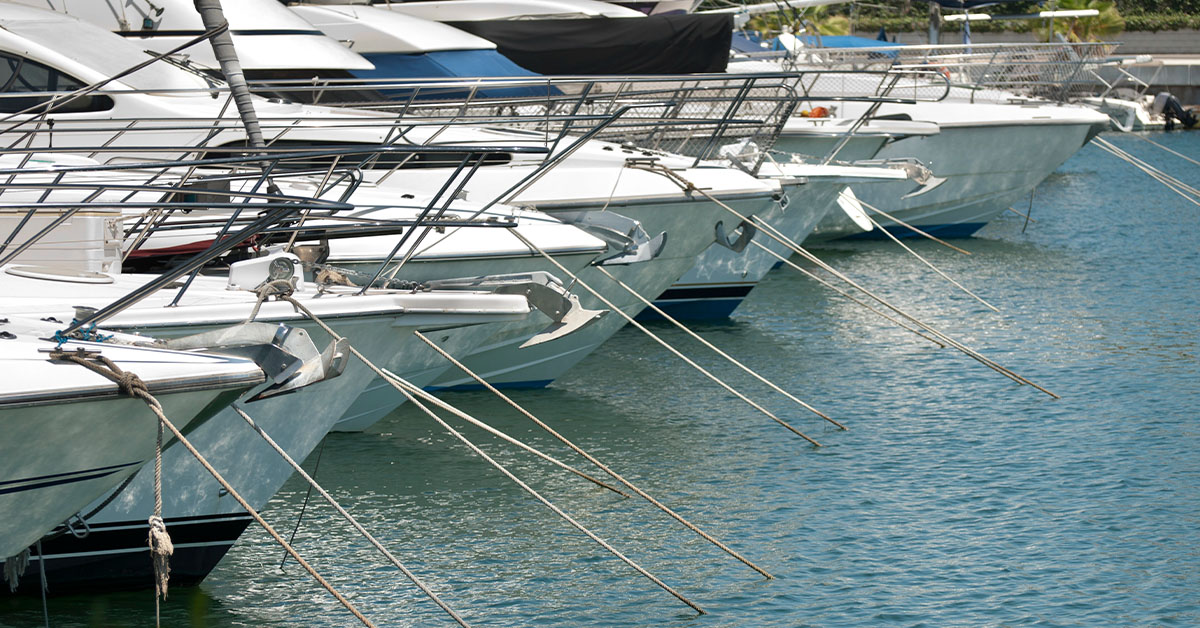
Rope failure is rarely caused by a single weather event. Major storms get blamed when lines part, but damage accumulates gradually over time. Dock lines weaken through repeated surging and shock over the course of a season. Tidal swings and windy weather continually stress the fibers long before a line

what happens when dock lines fail during a storm

What Happens When Dock Lines Fail During a Storm

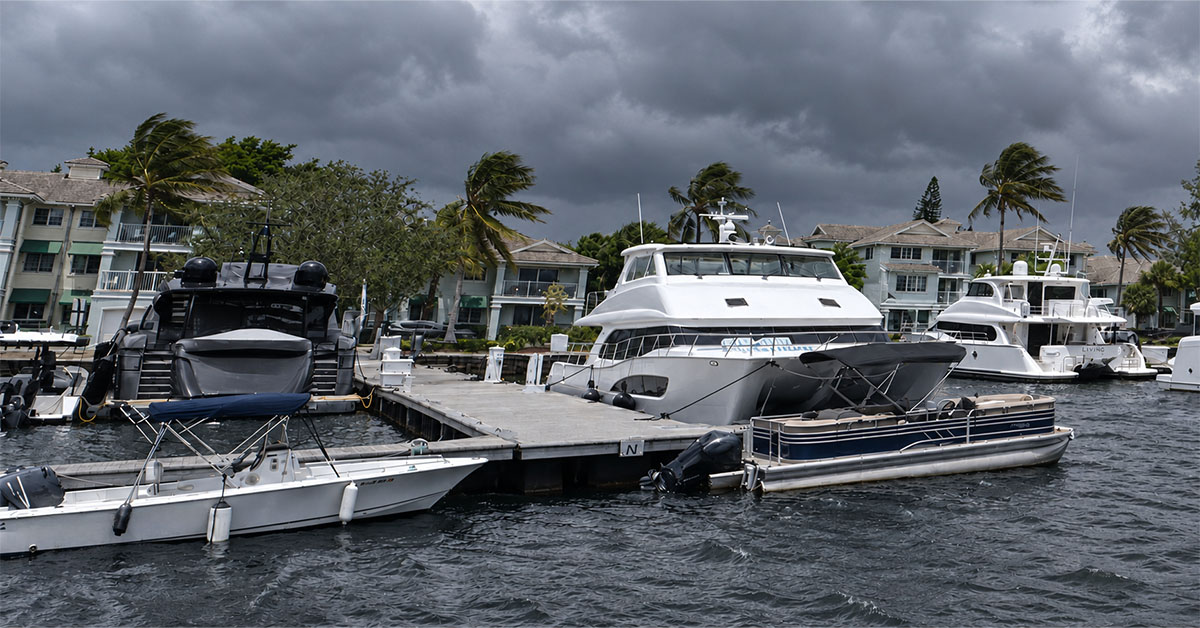
During storm events, dock lines function as the primary structural system securing a vessel against wind, surge, and tidal forces. The mechanics of line failure under peak storm loads are complex. Failure of a single line is rarely an isolated event. One snapped line alters the geometry of the entire

UV rope degradation

How Heat and UV Exposure Quietly Breaks Down Your Rope

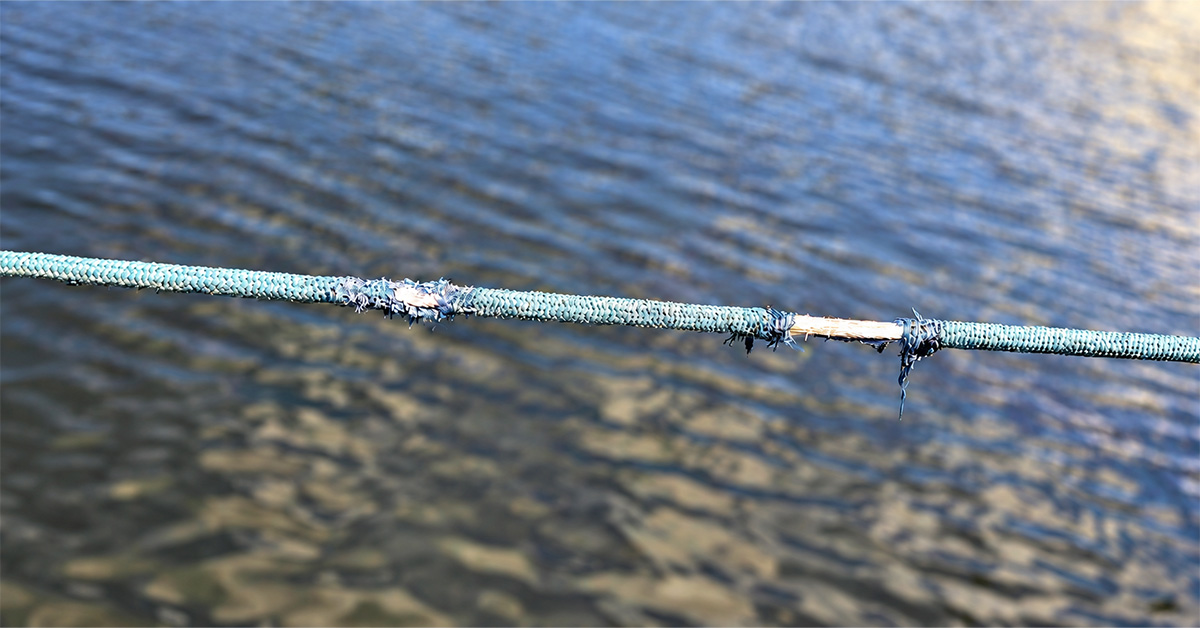
For anyone responsible for dock lines, mooring lines, or rigging, understanding UV rope degradation is part of basic rope management. It helps you recognize early warning signs, choose the right material, and replace gear before failure becomes the lesson. Synthetic rope lives in a hard environment. Load, movement, moisture, salt,

All blog post

docking at unfamiliar marinas - Nylon dock lines

Docking at Unfamiliar Marinas: What Changes When Away

Boating offers the satisfaction of visiting new harbors and waterfront towns. However, arriving in an unfamiliar port introduces a practical challenge: docking where variables are unknown. Because your home slip setup might be inadequate for new conditions, having reliable nylon dock lines is your first step toward a secure arrival.

how to cleat a dock line

How to Cleat a Dock Line So It Actually Holds

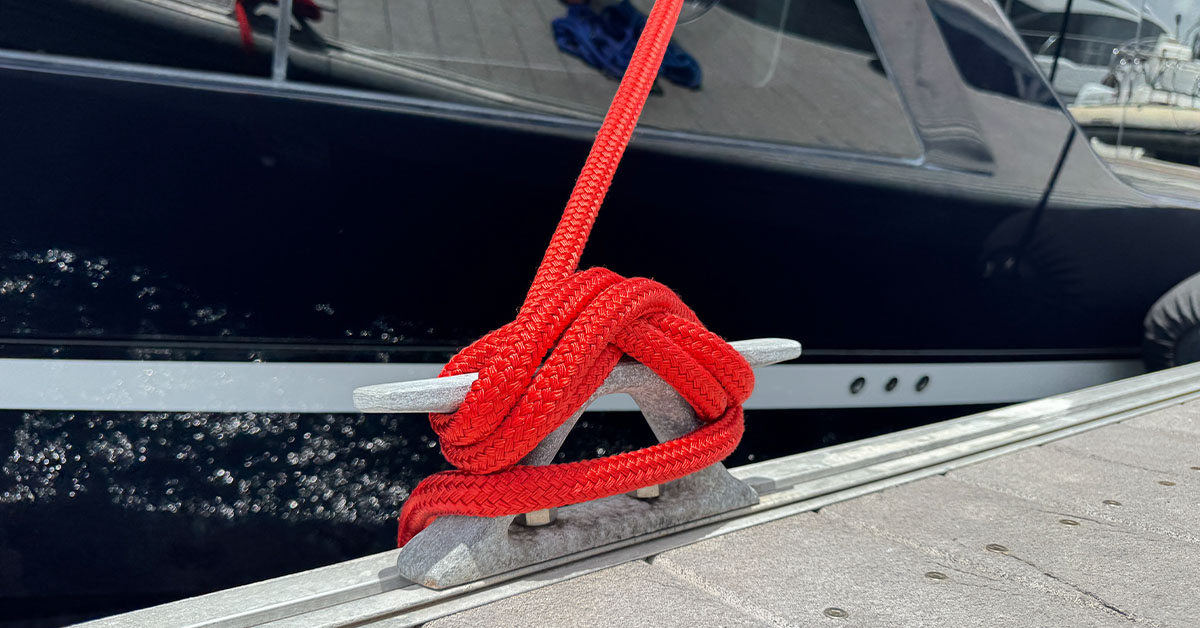
Knowing how to cleat a dock line properly is one of the most basic boating skills, but it is also one of the most commonly done wrong. A bad cleat hitch may look tidy at first, yet still slip, jam, or come loose under load. A correct cleat hitch, on

fender lines

Why Your Fender Lines Matter Just as Much as Your Dock Lines

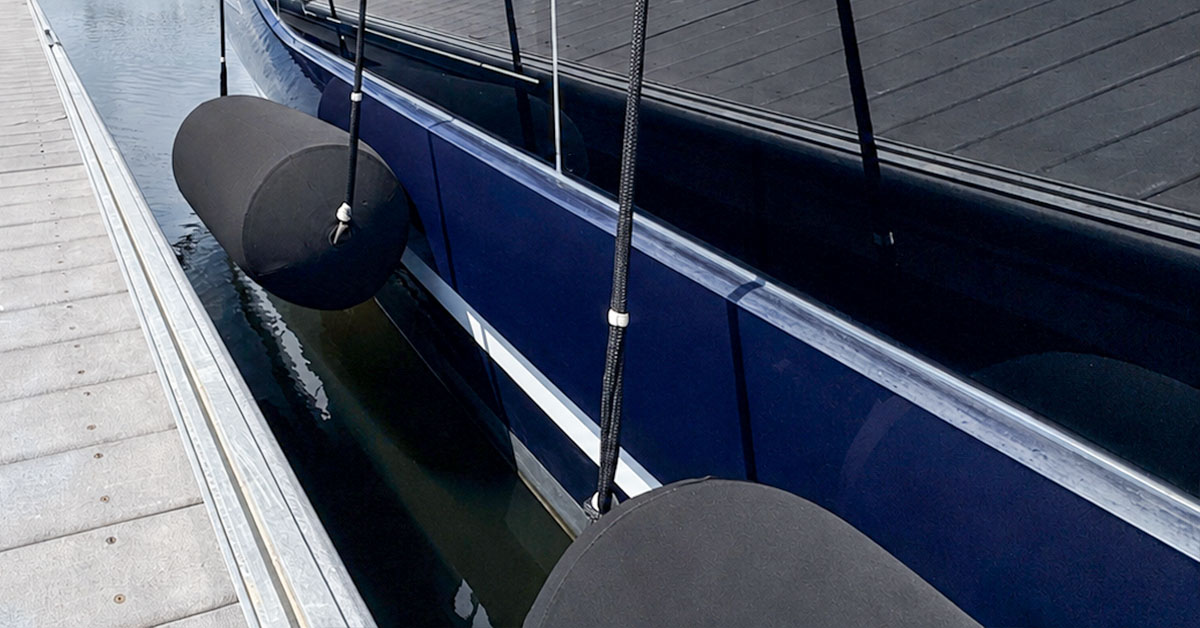
Most boat owners carefully evaluate dock lines. They consider diameter, material, stretch, and chafe resistance to secure the boat under varying conditions. Fender lines are frequently treated as an afterthought, viewed simply as a means to hang a fender and keep it from falling overboard. Downloadable Resource: Cleat & Fender

protect dock lines from chafe

How to Protect Dock Lines from Chafe Under Pressure

Dock lines rarely fail from sheer tensile strength. Failures usually occur because the rope wears through at specific points where it rubs, stretches, and grinds against hardware or dock edges. Chafe is the primary culprit. When a boat surges against wind, wake, or tide, this localized abrasion destroys even high-strength

reduce shock load on dock lines

How to Reduce Shock Load on Dock Lines

Dock lines live a rough life. Sun, salt, movement, chafe, bad cleats, lazy knots, and weather all take a bite out of them. Shock load is one of the biggest reasons lines part early, hardware gets bent, and boats start moving in ways nobody enjoys. It is the sudden force

dock line setup - why-your-boat-moves-too-much-at-the-dock

Why Your Boat Moves Too Much at the Dock

You tied the boat up. You used decent lines. You stepped off thinking the job was done. Then you looked back and the thing was lunging, twisting, bumping, and generally acting like it wanted out of the marina. Annoying? Yes. Normal? Sometimes. Fixable? Usually. A boat that moves too much

Shopping cart
Shop
Wishlist
0 items Cart
My account