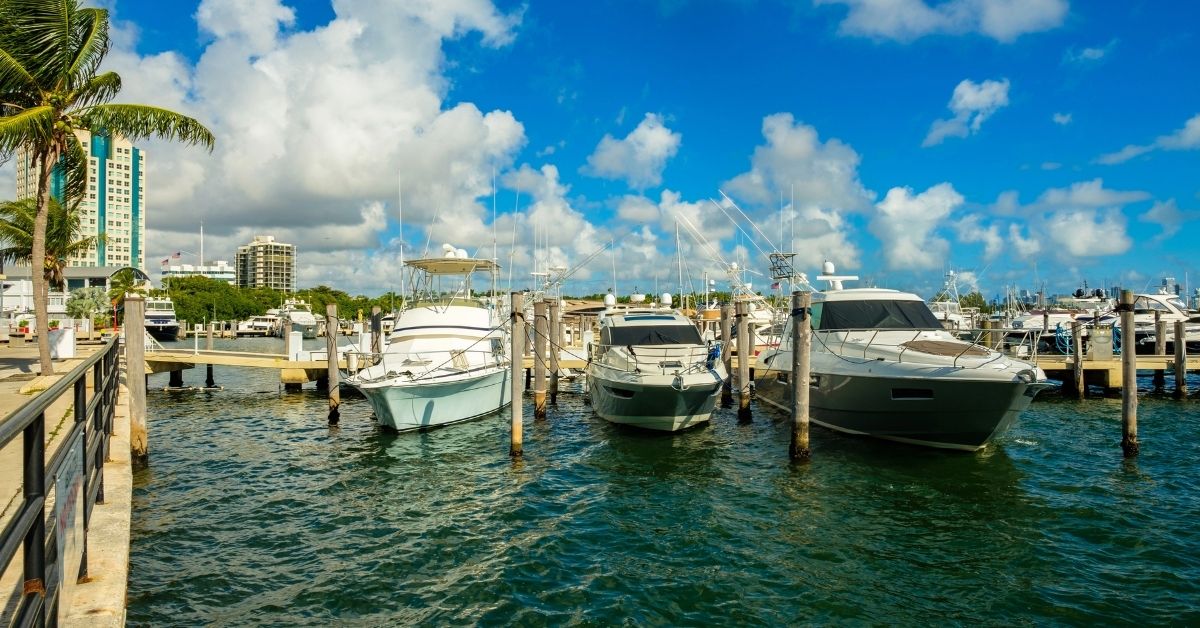
Dock lines live a rough life. Sun, salt, movement, chafe, bad cleats, lazy knots, and weather all take a bite out of them. Shock load is one of the biggest reasons lines part early, hardware gets bent, and boats start moving in ways nobody enjoys. It is the sudden force that hits a line when the boat surges, stops hard, or reaches the end of its travel. You see it in a gust, a wake, a tide swing, or a boat that was tied too tight in the first place.
A lot of dock line trouble comes from one simple mistake. People tie the boat so it looks neat at the dock, then they leave no room for the boat to move gradually. The boat still moves. Water always has a vote. Wind always has a vote. The line comes tight all at once, and that snap transfers energy straight into the rope, the cleat, the chock, and the boat.
If you want to reduce shock load, the goal is pretty plain: slow everything down. Give the boat room to move in a controlled way. Give the lines enough length and stretch to absorb energy. Spread load across more than one line. Keep leads fair so a loaded line stays a rope instead of turning into a saw blade. None of this is glamorous. All of it works.
Start by Understanding What Causes Shock Load
Shock load happens when momentum gets stopped fast. A boat lifts on a wake and drops back. A crosswind pushes the hull off the dock, then the gust eases and the boat snaps back. A tide change pulls the boat to a different angle. A passing sportfisher throws a wake the size of a small apartment. Every time the boat reaches the end of a line’s travel, the force spikes.
The shorter and stiffer the system, the worse that spike gets. Tight lines make the problem harsher. Cheap or worn-out lines make it harsher. Bad lead angles make it harsher. Cleats mounted on weak structure make the consequences more expensive.
This matters because dock lines rarely fail gradually; failure occurs suddenly when load is combined with chafe, age, UV damage, and a hard snap. Hardware can fail too. A line breaking is bad enough, but a cleat tearing out under load can escalate the damage quickly.
Use Longer Lines Whenever You Can
One of the best shock-load reducers is line length. A longer line stretches more over a greater distance, and that extra travel takes the edge off sudden movement. The extra travel acts like suspension, and more length generally means a softer stop.
Short breast lines pulled bar-tight are common at crowded docks because they look tidy and keep the boat centered. They also create a harsh system. Longer spring lines usually do more useful work. A forward spring and an aft spring control fore and aft movement and let load come on more gradually. Bow and stern lines then help position the boat without carrying the entire burden of every surge.
Longer lines also improve angles. A line led farther forward or farther aft often enters the cleat or piling with less side loading and less sawing at the chock. The loads become easier on the hardware and easier on the rope fibers.
This does not mean letting the boat roam all over the slip. It means choosing enough length to create controlled elasticity. There is a sweet spot between locked down and wandering loose. Good dock handling lives in that range.
Choose the Right Rope Material
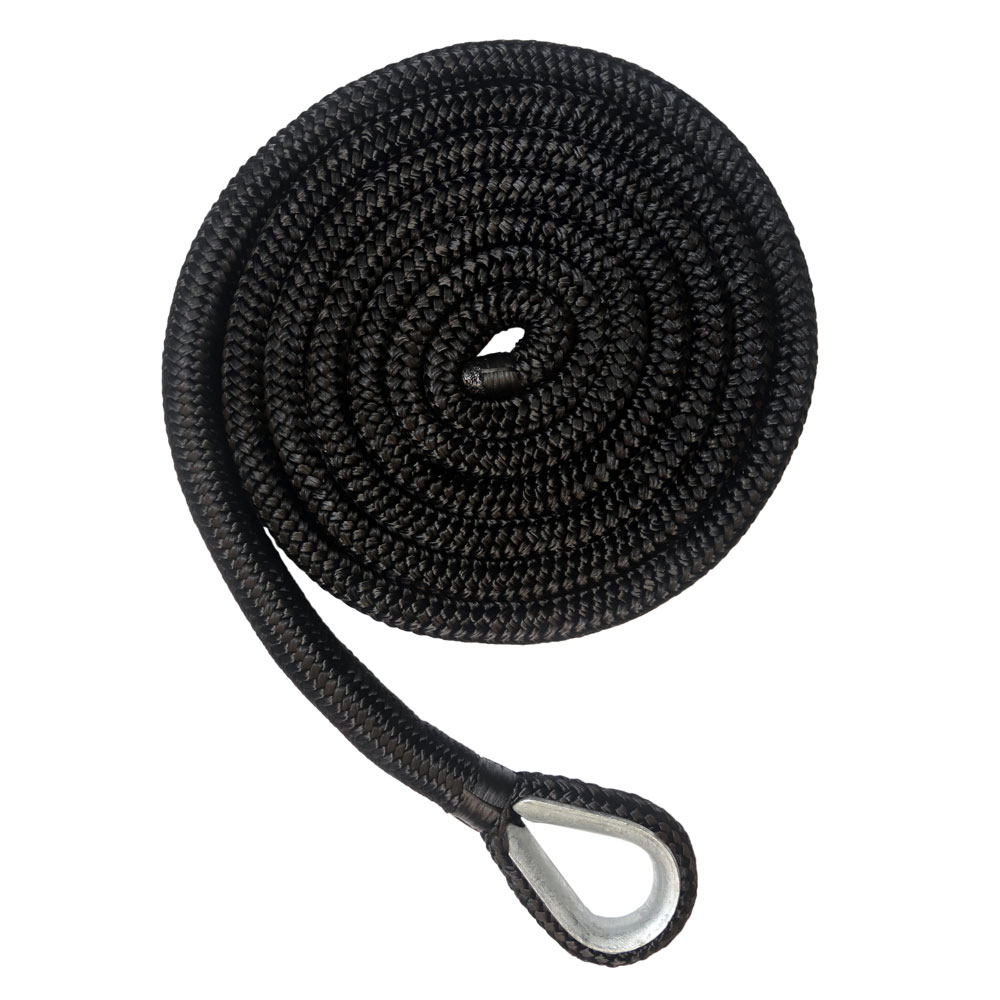
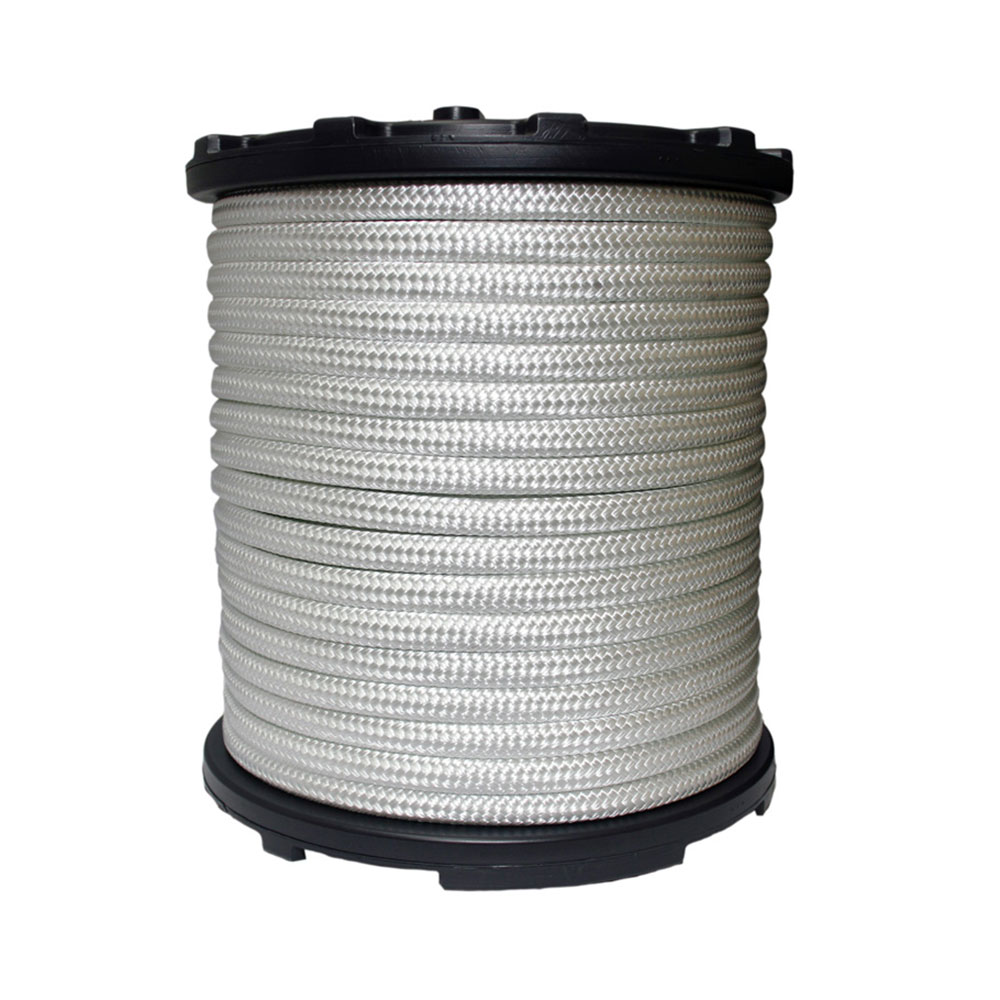
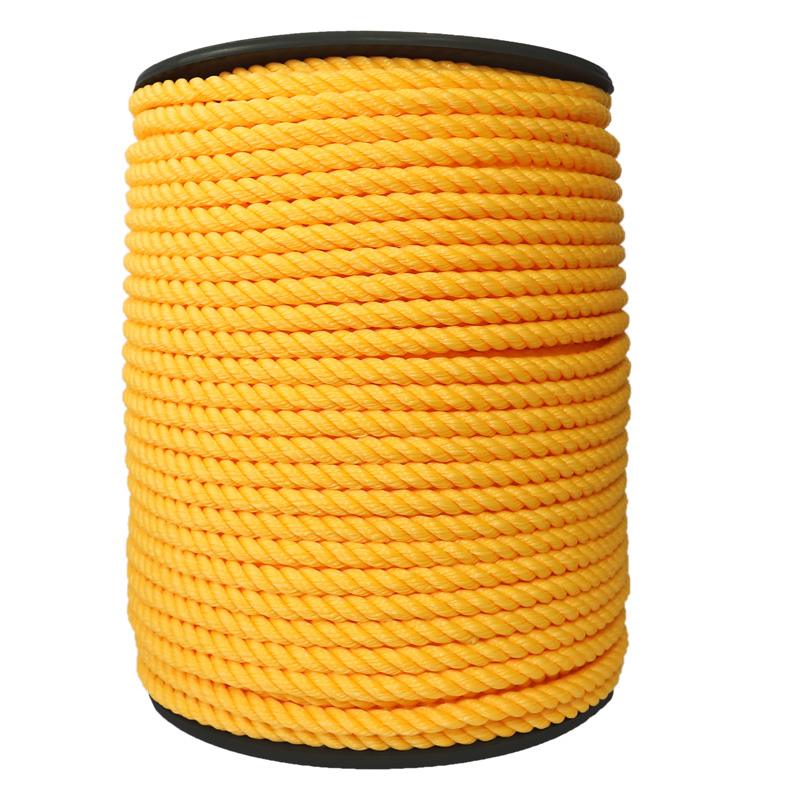
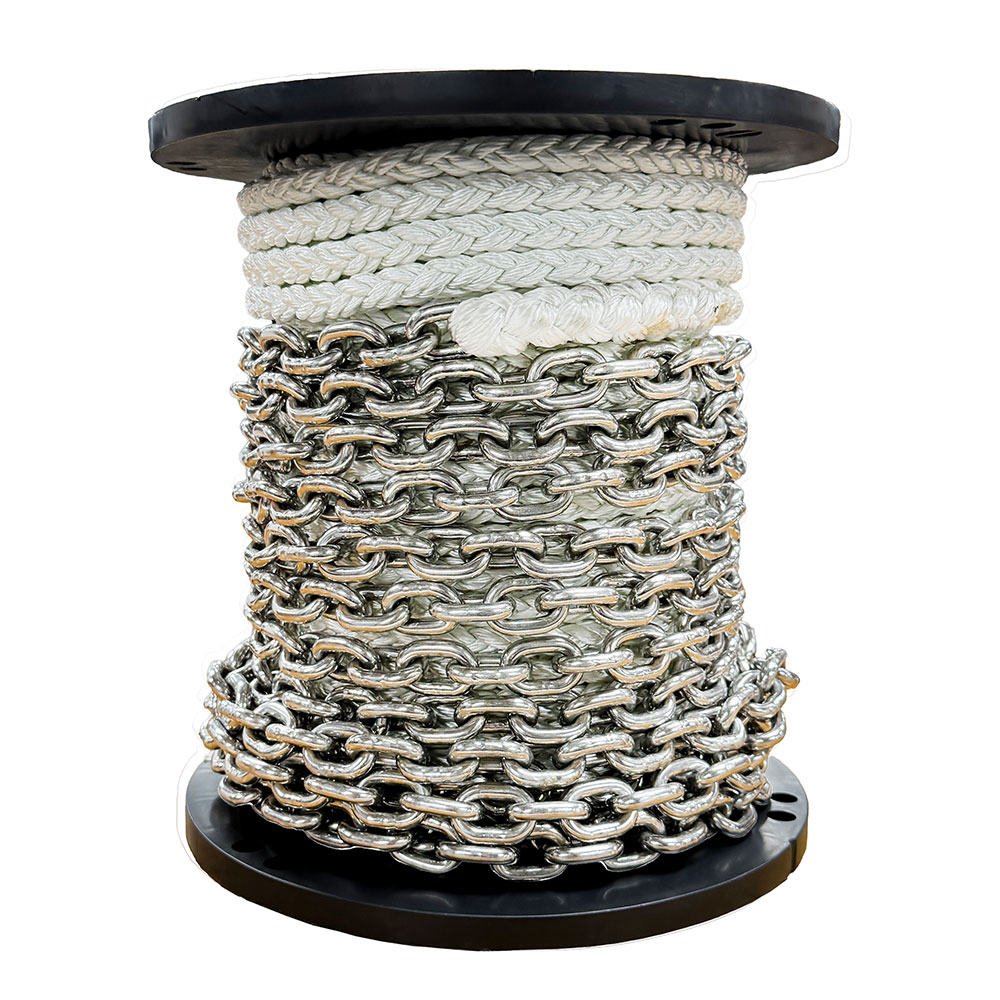
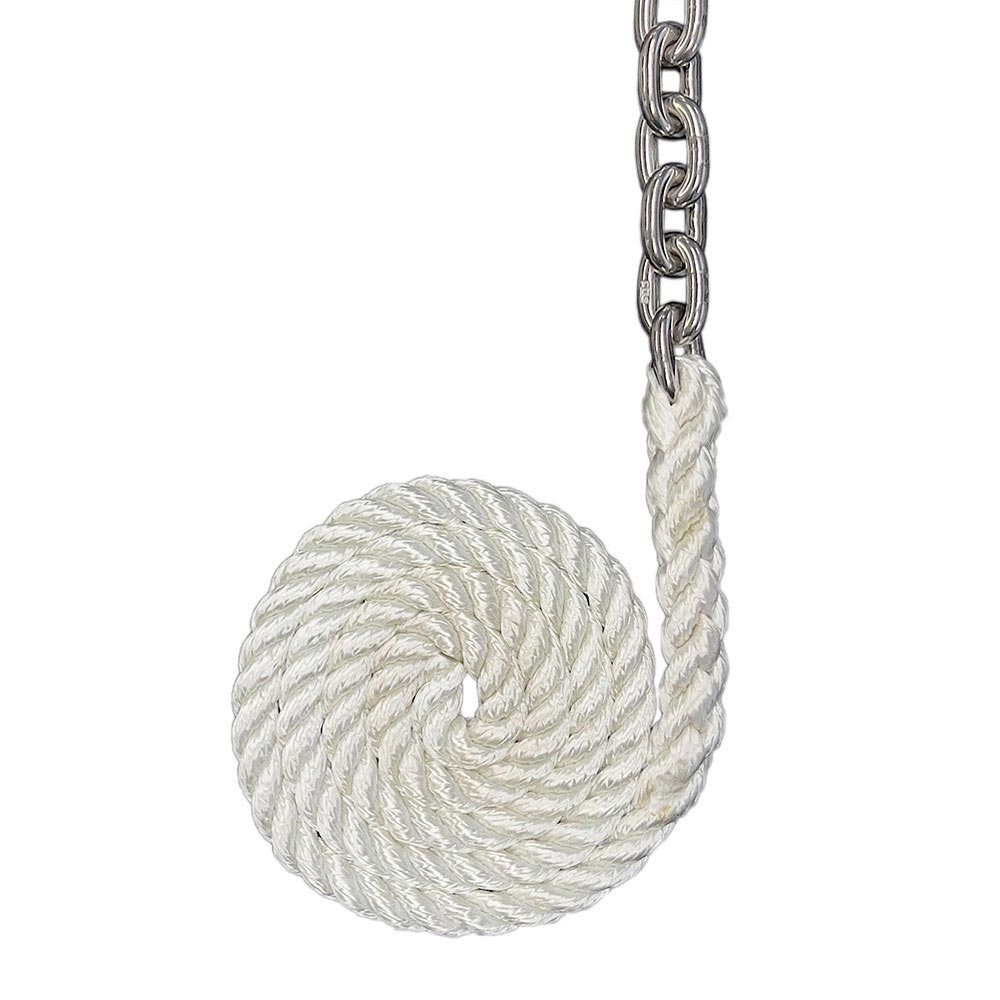
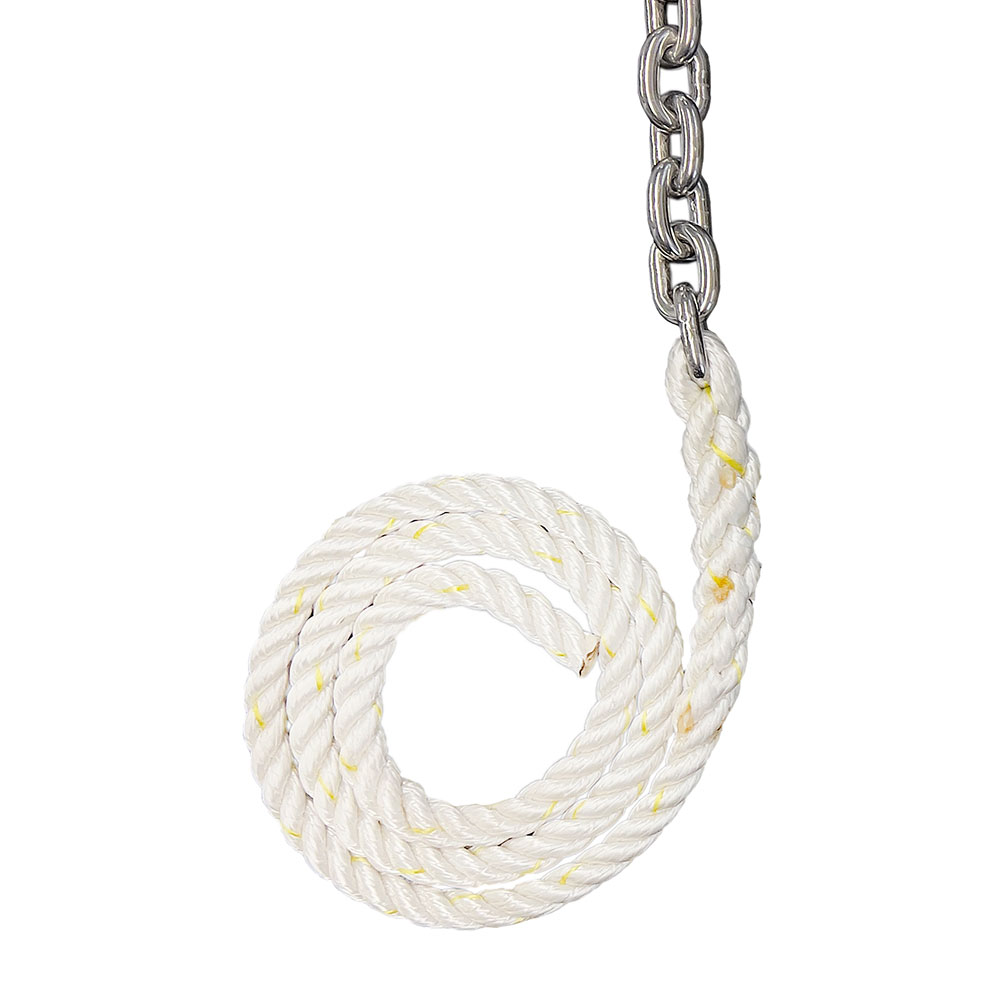
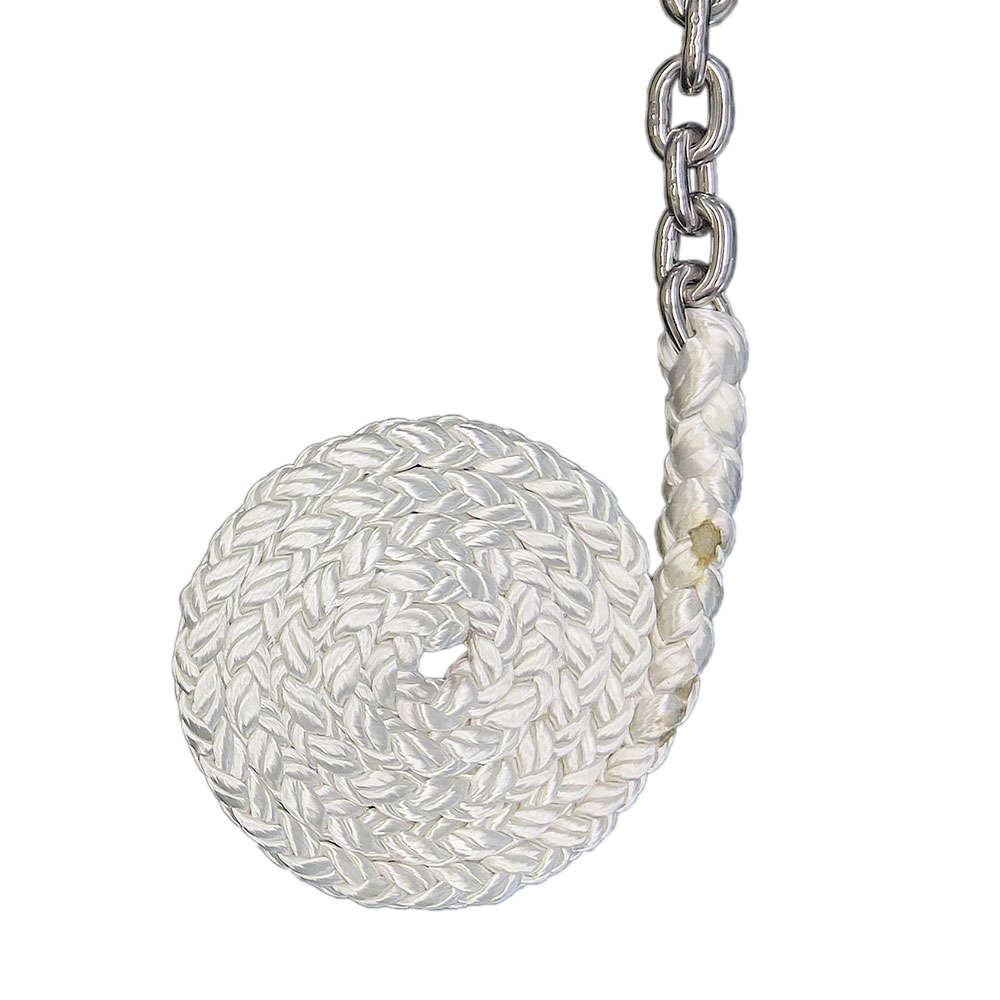
Not all line material handles shock load the same way. Nylon is the standard answer for dock lines for a reason. It stretches. That stretch absorbs energy. Double-braid nylon is popular because it is strong, handles well, and gives you a good blend of elasticity and durability. Three-strand nylon stretches even more and can be excellent for shock absorption, though some boaters like the handling and neatness of double braid better.
Polyester is tougher on stretch. It holds size well and resists UV nicely, though it passes more load into the system because it has less give. Polypropylene floats, which is nice in a few niche situations, and it is usually a lousy first choice for serious dock lines because it handles load and long-term durability less gracefully.
If your goal is reducing shock load, nylon stays at the front of the line. Old, hardened nylon loses some of the spring that made it useful in the first place. If a line feels stiff, fuzzy, glazed, flattened, or sun-cooked, it is time to stop pretending it still owes you service.
Size Lines for Real Conditions, Not Dockside Fantasy
A line that is too small has a short road to failure. A line that is oversized can reduce useful stretch, especially on a lighter boat in moderate conditions. The answer is not to buy the thickest rope on the shelf and call it good. You want a size appropriate to the boat and expected conditions.
Most experienced boaters work from the manufacturer’s guidance as a starting point, then they think about where the boat lives. Protected freshwater marina is one world. Open roadstead, tidal current, ferry wakes, and storm season is another. If the boat gets hit by regular surge, you want a system built for that reality.
Matching line size to boat displacement and exposure gives you a line that can absorb load rather than just transmit it. That is the whole game.
Add Snubbers or Dock Line Compensators
Rubber snubbers and other line compensators can help a lot, especially in marinas with chronic wake or surge. They increase the distance over which the load comes on, which reduces the sharpness of the hit. They are not magic. They are one more tool in the system. Used correctly, they can calm a boat down and spare the lines from constant hard snaps.
The key is setup. A snubber on a line that is too short or routed badly will not save the day. A snubber on old sun-baked rope is a patch, not a cure. Good hardware, proper line length, fair leads, and line condition still matter.
For some boats, especially heavier cruising boats that stay in a slip for long stretches, combining nylon lines with quality snubbers is a smart setup. It takes some trial and error to get the tension and travel right. That is normal. Docking gear is practical seamanship, not a fashion show.
Distribute Loads Across Multiple Lines
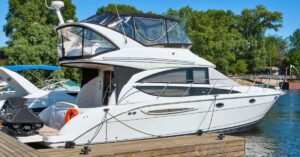
If one line is doing all the work, that line is going to tell you about it. A well-secured boat spreads load across bow, stern, and spring lines so no single rope becomes the sacrificial lamb every time conditions change.
Spring lines deserve extra respect here. They reduce fore and aft movement, which is often where shock load starts. When a boat surges ahead, stops, then falls back, the load cycle beats on everything. Proper spring lines cut down that run-up distance. Less run-up means less momentum. Less momentum means less shock.
Balanced line tension matters too. If one breast line is tight and the matching spring is slack, you have already chosen which line will get hammered. Walk the dock and look at the boat from a distance. You can often spot the problem line before you even touch it.
Improve Lead Angles and Control Chafe
Shock load and chafe make a nasty team. A line under load that rubs through a rough chock or sharp edge is on borrowed time. Even smooth hardware can wear a line if the angle is wrong and the movement is constant.
Every dock line should lead as straight and fair as possible from boat cleat to dock cleat, piling, or ring. If the line bends around a corner under load, fix that. Re-route it, add proper chafe protection, or change which cleat you use. Leather, tubular webbing, reinforced hose, and purpose-made chafe guards all have their place. What matters is that the protection stays where the line actually rubs.
Check chafe points regularly. This is one of those dull jobs that saves expensive fiberglass and public embarrassment. Look for melted fibers, flat spots, broken yarns, and discoloration. If you can see damage, the rope has been talking to you for a while.
Set Lines for Tides, Wakes, and Weather Changes
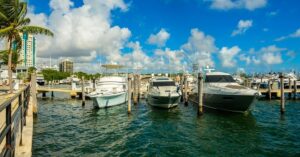
A good docking setup at 2 p.m. can turn bad by midnight. Tides rise, winds clock around, neighboring boats leave, wakes roll in from new directions, and storm lines that looked excessive at sunset can look inspired by morning.
If you are in a tidal area, account for vertical movement so the boat can rise and fall without hanging from its own cleats. If you are in a surge-prone marina, plan for repeated fore and aft motion. If you expect a blow, reset the lines before the weather arrives. Add length where useful, double up critical lines, improve chafe gear, and check every attachment point.
Doubling lines in heavy weather can help reduce failure risk by sharing load and providing backup. Two lines should be rigged so they genuinely share work. A loose backup that never comes tight until after the first line parts is better than nothing, though it is not the same as balanced load sharing.
Pay Attention to Dock Hardware and Boat Fittings
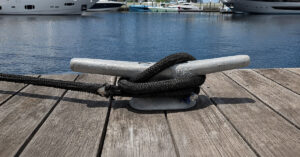
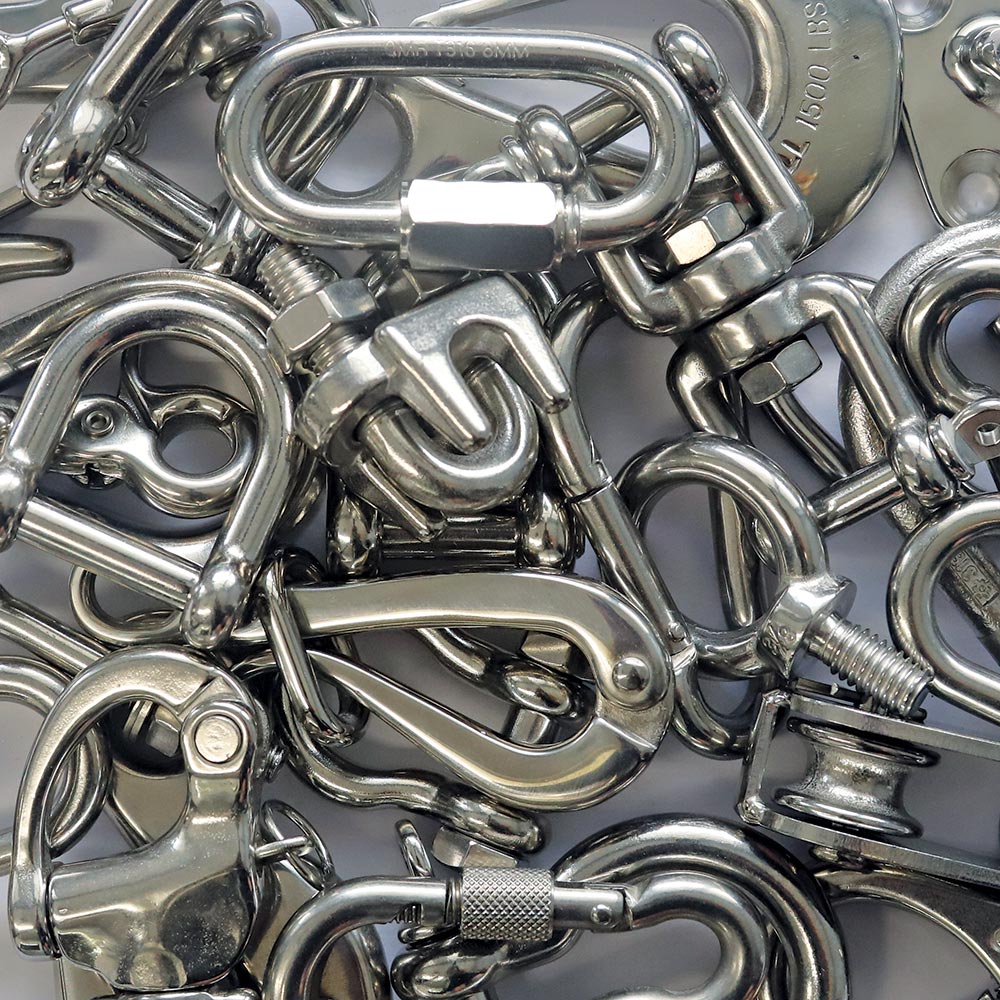
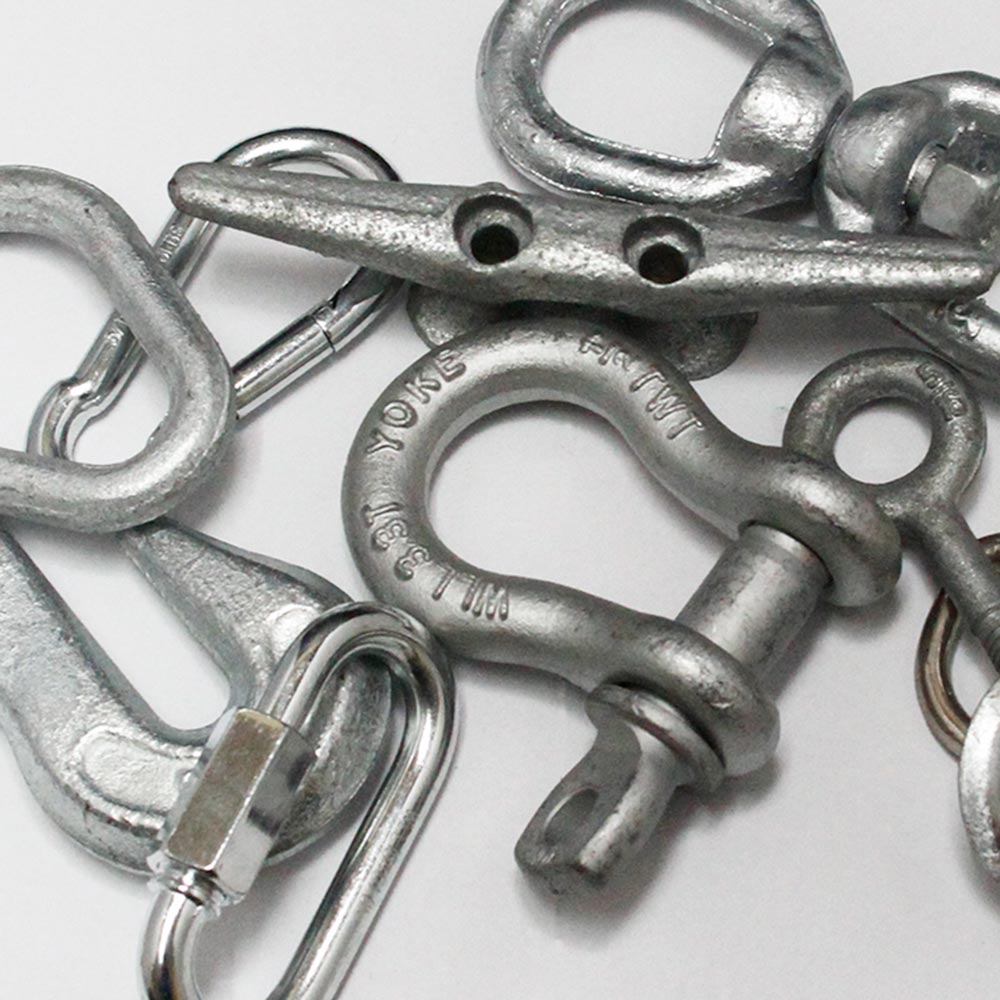
A perfect line on a rotten dock cleat is still a bad system. Same goes for undersized boat cleats, weak backing plates, corroded shackles, or sketchy rings on old pilings. Shock load exposes weak links fast.
Inspect what your lines attach to. Tug on dock cleats. Look for movement, corrosion, cracked bases, loose bolts, rotten wood, and bent hardware. On the boat, check cleat bedding, fasteners, backing plates, and the deck or rail structure around them. Loads travel through the whole setup. Rope is only one part of it.
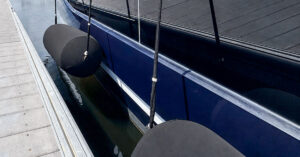
Fenders matter too. They do not reduce line load directly in every case, though they help keep the boat from rebounding awkwardly off the dock face and adding more chaos to the system. Properly placed fenders support a controlled setup. Random dangling fenders are decoration.
Build a Habit of Rechecking the Setup
The best dock line system is not something you rig once and forget for six months. Conditions change. Lines age. One bad wake teaches you something. A better knot or a cleaner lead makes the whole boat quieter.
After tying up, watch the boat for a few minutes. Really watch it. See which lines load up first. See where the movement starts. See which chock is rubbing. You will learn more in five minutes of observation than from half the dock talk floating around most marinas.
When you get the setup right, the boat moves less violently. The lines come tight gradually. The noise level drops. The whole slip feels calmer. That is the sign you have reduced shock load in a real, useful way.
In the end, dock lines are part gear and part judgment. You are managing energy. Longer nylon lines, proper spring lines, fair leads, chafe protection, snubbers where needed, solid hardware, and regular adjustment all work together. There is no secret trick hidden behind chandlery marketing copy. The basics do the job, and they do it well.
For a practical guide on configuring your lines for different scenarios, take a look at the American Rope Dock Line Setup Cheat Sheet.
FAQ
What is shock load on a dock line?
Shock load is the sudden spike in force that hits a dock line when a moving boat is stopped quickly. It usually happens during wakes, gusts, surge, or tide-driven movement when the line snaps tight.
What type of rope is best for reducing shock load?
Nylon is generally the best choice for dock lines because it stretches and absorbs energy. Double-braid nylon is widely used. Three-strand nylon can provide even more stretch in some setups.
Do tighter dock lines hold a boat more safely?
Usually no. Overly tight lines often create a harsher system that increases shock load. A properly adjusted line allows controlled movement and gradual loading. That setup is usually safer for the boat, the dock, and the hardware.
Are snubbers worth using?
Yes, especially in slips with constant wake or surge. A good snubber can soften the load and reduce snapping action in the line. It works best as part of a solid overall setup, not as a shortcut for poor line routing or worn-out rope.
How often should dock lines be replaced?
Replace them when they show clear wear, stiffness, glazing, flattening, deep chafe, UV damage, or loss of elasticity. There is no perfect calendar rule because exposure and usage vary a lot. Inspect them regularly and act before they become a problem.
Do spring lines really make that much difference?
Yes. Spring lines are some of the most useful lines on the boat for controlling surge. They reduce fore and aft movement, limit momentum buildup, and help spread load across the system.
Should I double up dock lines in bad weather?
In rough conditions, doubling up can be a smart move. The lines should be arranged so they share load meaningfully, and each one should have chafe protection where needed. Hardware strength still matters, so inspect the attachment points too.
Can oversized dock lines be a problem?
They can be. Very large lines may reduce useful stretch on smaller boats, which means more load gets transferred into the boat and dock hardware. Choose line size based on boat size, displacement, and local conditions.