If you care about rope reliability for remote anchorages, you need to think beyond simply having an anchor rode aboard. The real question is whether your entire system, including rope, chain, snubber, splice, chafe protection, and backup gear, will still perform when the wind shifts at 2 a.m. and there is nobody around to help. As both the BoatUS Foundation anchoring guide and American Rope’s sizing guide make clear, anchoring reliability starts with choosing gear that matches your boat, your conditions, and the loads the system will actually see.
Start With The Right Anchor Rode
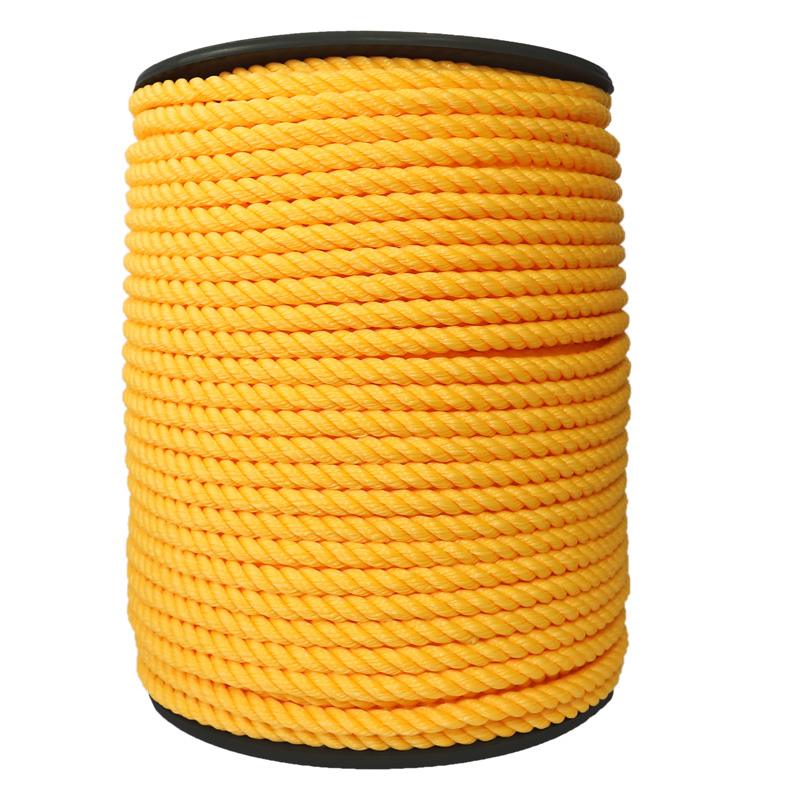
Reliable anchoring begins with the basics: the correct rope diameter, adequate rode length, and the right material. In American Rope’s article on choosing the right rope diameter and length for your boat, boat length is used as a starting point, with adjustments made for displacement, windage, and exposure. This means a 30 foot boat typically uses a 1/2 inch anchor line, while larger boats step up to 5/8 inch or more. Boats operating in exposed anchorages, surge, or strong current often benefit from sizing up.
That is the practical takeaway for remote anchorages. This is not the place to run the minimum. If your boat carries extra cruising gear, has higher windage, or spends time in open water, conservative sizing is the smarter choice.
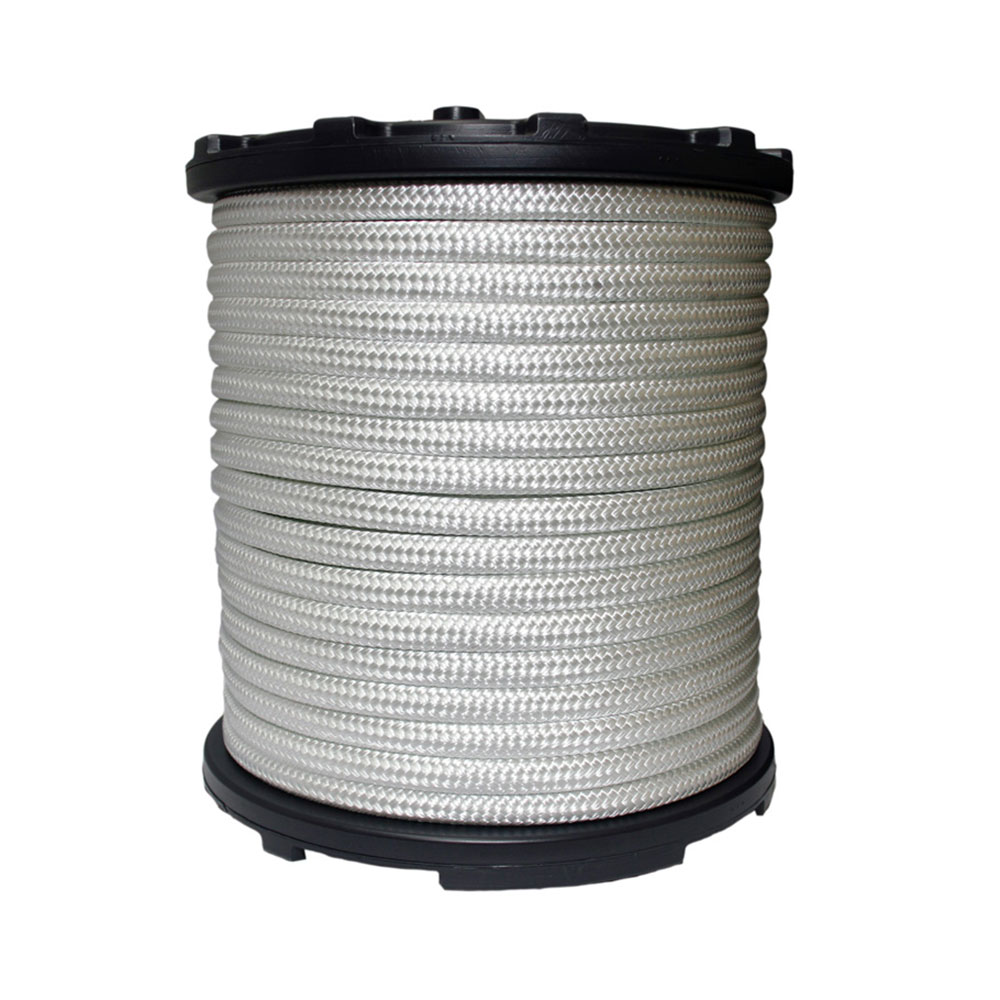
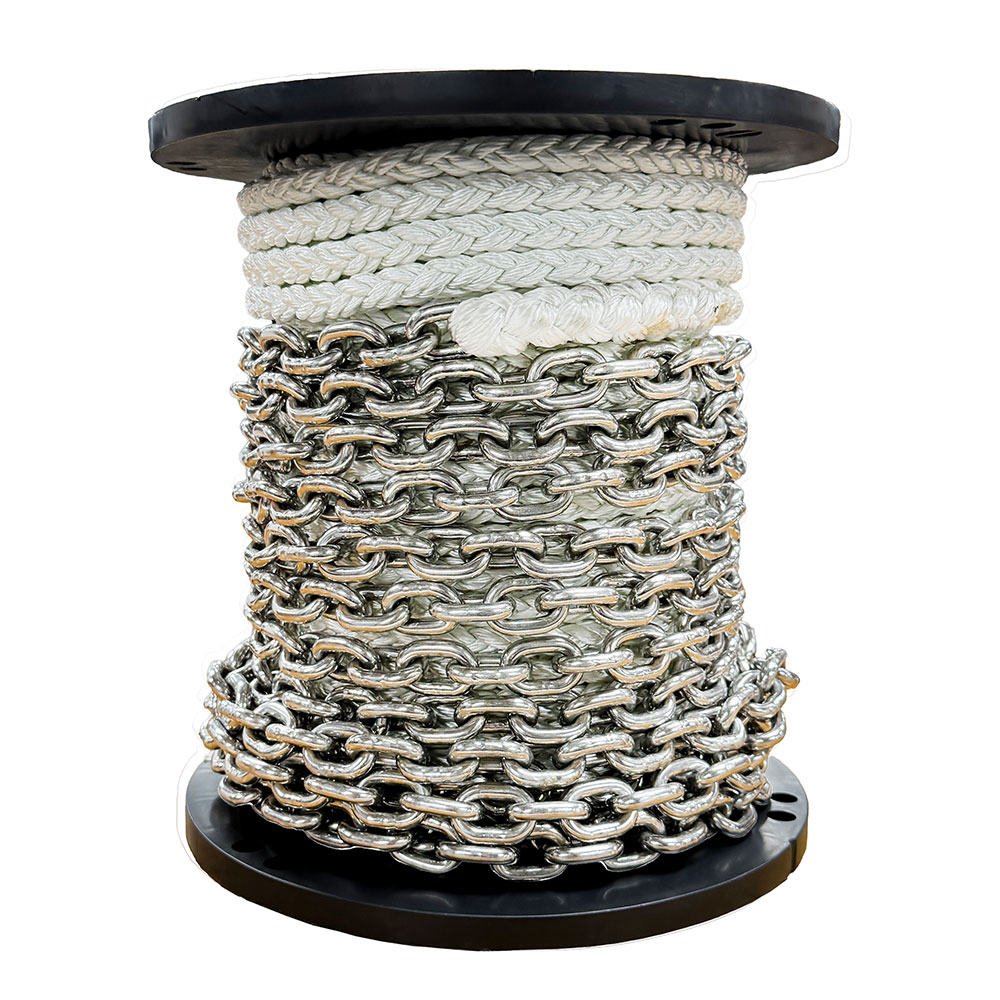
Material matters as well. The BoatUS Foundation’s anchoring guide explains that anchor rodes generally fall into three categories: all rope, rope and chain combinations, or all chain. Nylon three-strand is the widely recommended anchor line because it combines strength with stretch, while chain adds weight, abrasion resistance, and durability. For many boaters, a rope-and-chain rode offers the best balance of holding power, shock absorption, and manageability.
Carry Enough Rope For Real Scope
A strong rode will not help much if you do not carry enough of it. Both the BoatUS Foundation and our own guidelines point to 7:1 scope as the standard baseline for safe anchoring. We note that 5:1 may be acceptable in calm, protected conditions, while 10:1 may be appropriate in heavy weather or strong current.
This matters even more in remote anchorages because the margin for error is smaller. For example, anchoring in 30 feet of water at 7:1 scope requires 210 feet of rode. That is not theoretical. It is the difference between being properly set or not.
The BoatUS Foundation also emphasizes redundancy. Carry an anchor large enough for overnight or emergency use, and if space allows, carry two anchors of different types along with extra line and chain. No single anchor works in every bottom or weather condition, and remote anchorages make that reality clear.
Use a Snubber if You Run All Chain
If your primary rode is all chain, a snubber is essential. The snubber acts as the shock absorber in the anchoring system, as detailed in our guide on snubber lines. Chain alone is rigid, which means sudden loads transfer directly to the windlass, cleats, and deck hardware. Nylon is the preferred snubber material because it stretches under load and releases force gradually.
We recommend a snubber length of 15 to 25 feet for many recreational boats, with longer lengths providing more stretch. In a remote anchorage where swell, current, or shifting wind can load and unload the system continuously, that elasticity is critical. A proper snubber reduces strain on hardware, improves onboard comfort, and helps prevent the anchor from being jerked loose by repeated shock loading.
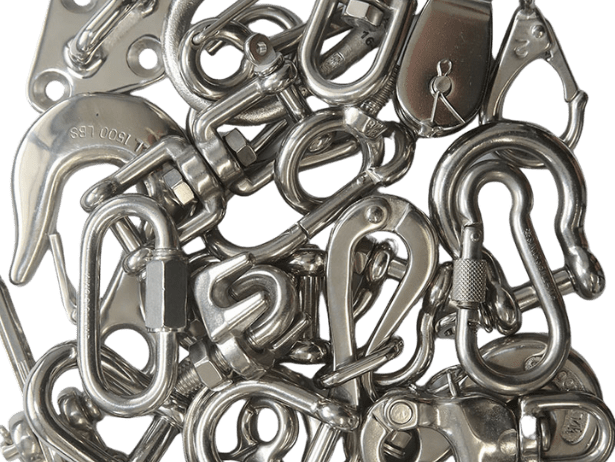
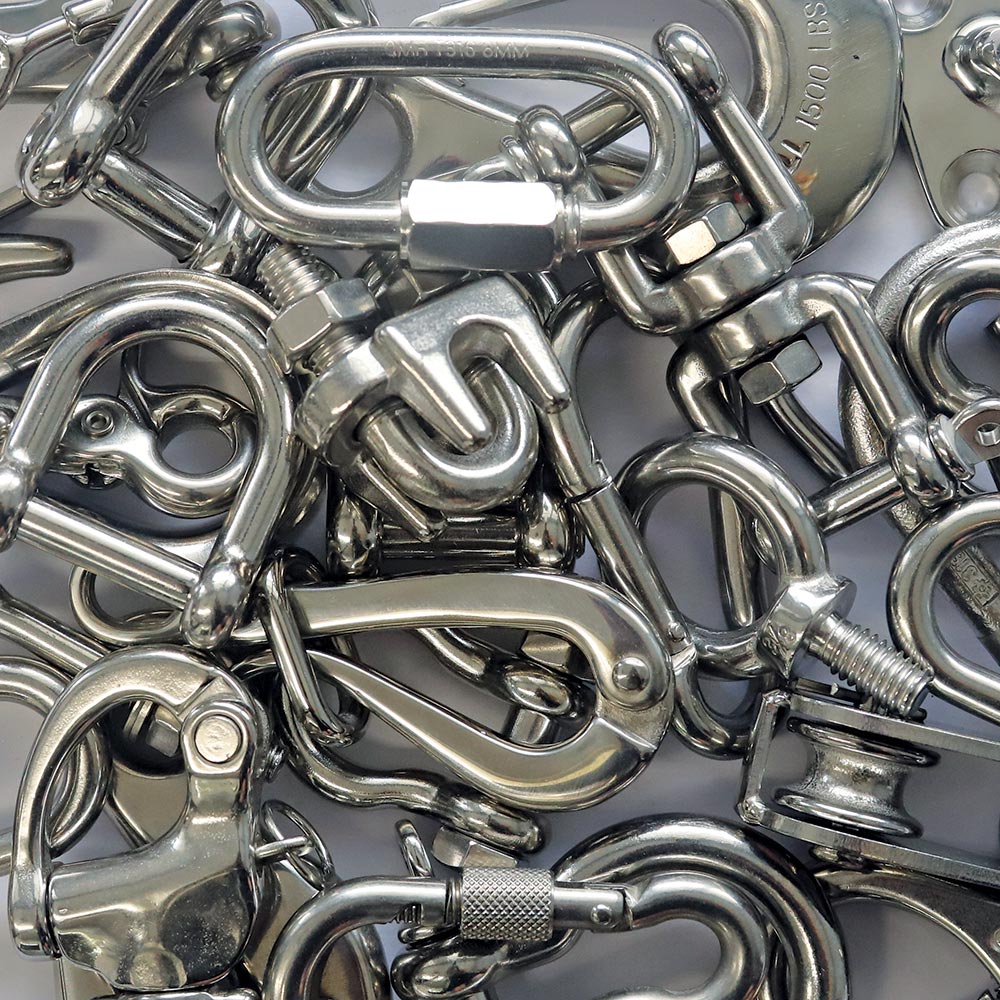
We also recommend attaching the snubber with chain hooks, soft shackles, or specialty connectors, then transferring the load to the nylon line while leaving a slack loop of chain as backup. This setup is not complicated. It is simply correct.
Get The Splice and Termination Right
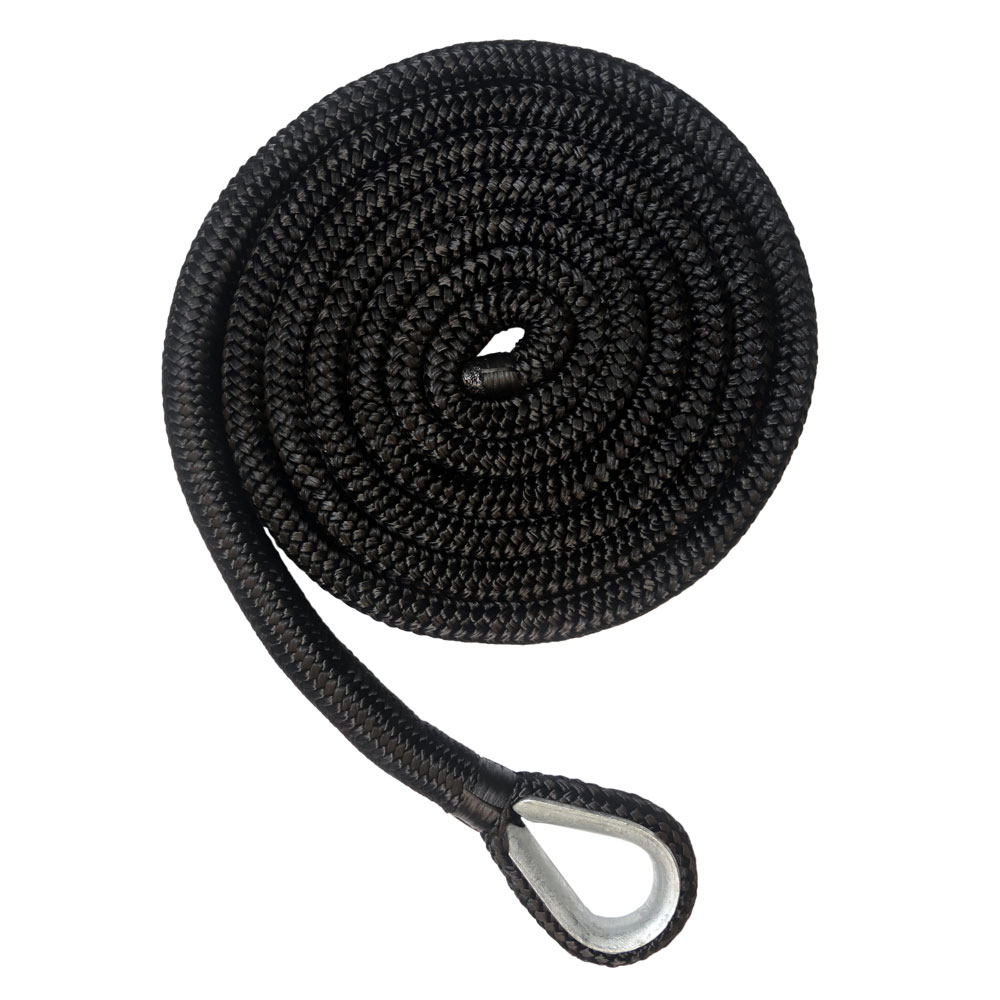
Even premium rope can fail at the working end if the termination is incorrect. A properly executed eye splice retains about 90% to 95% of the rope’s original breaking strength, while many knots reduce efficiency to 50% to 60%. That is a significant difference. More detail is available in our guide to rope terminations and end finishes.
For high load marine use, the thimble eye is widely considered the gold standard because the stainless steel thimble protects rope fibers from crushing and cutting forces at the connection point. In remote anchorages, where the system may remain under load for extended periods, this level of protection is essential.
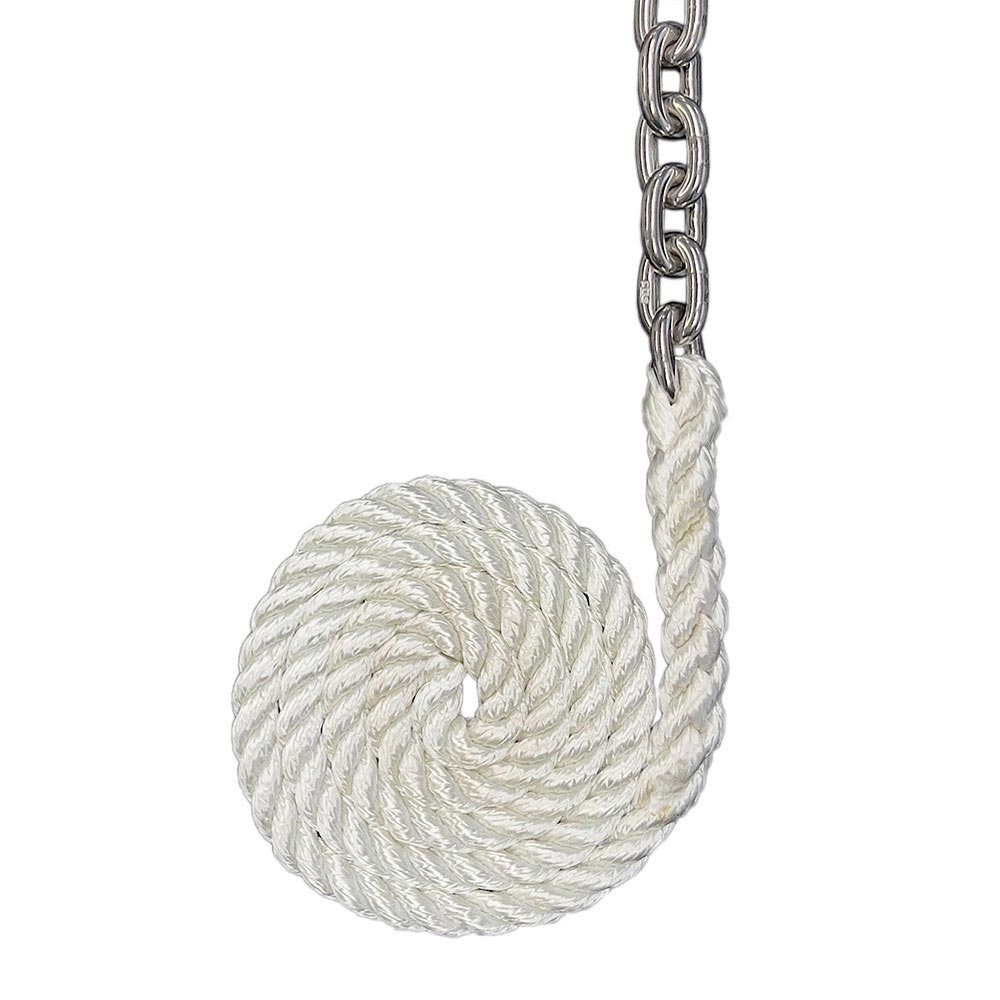
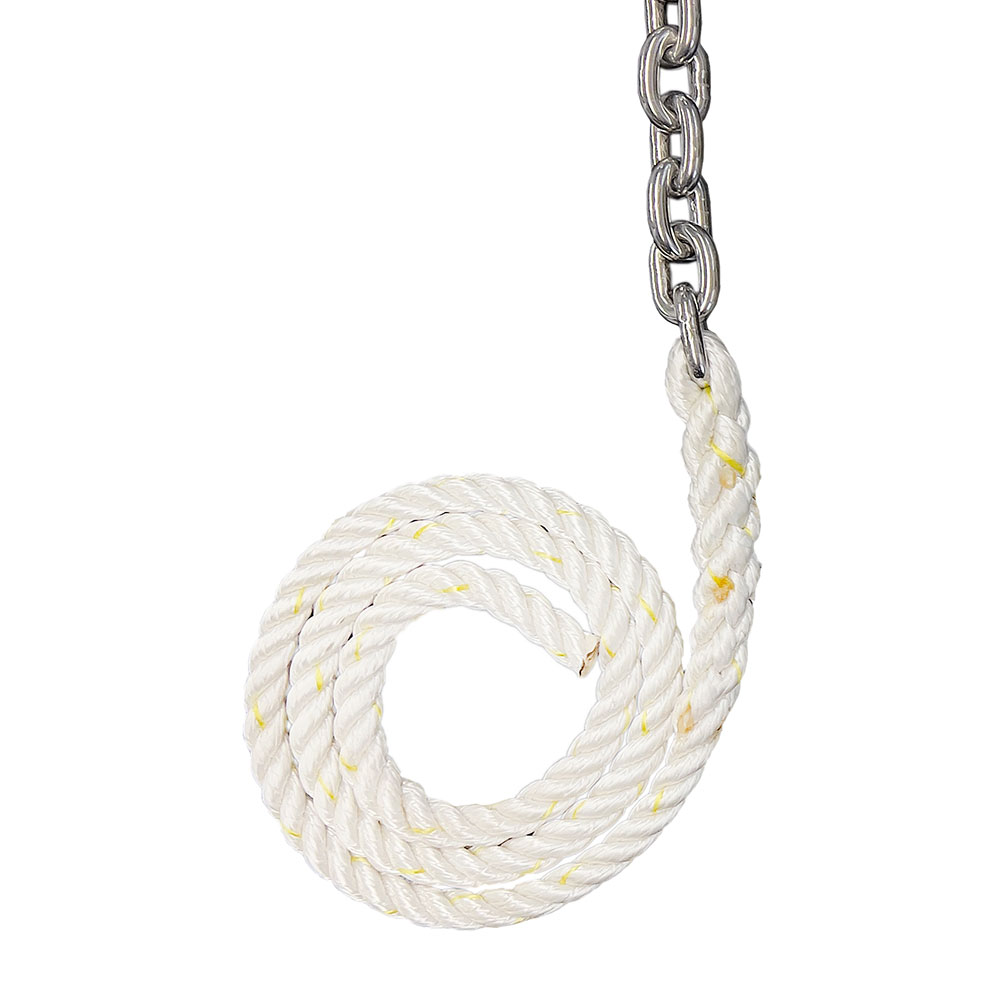
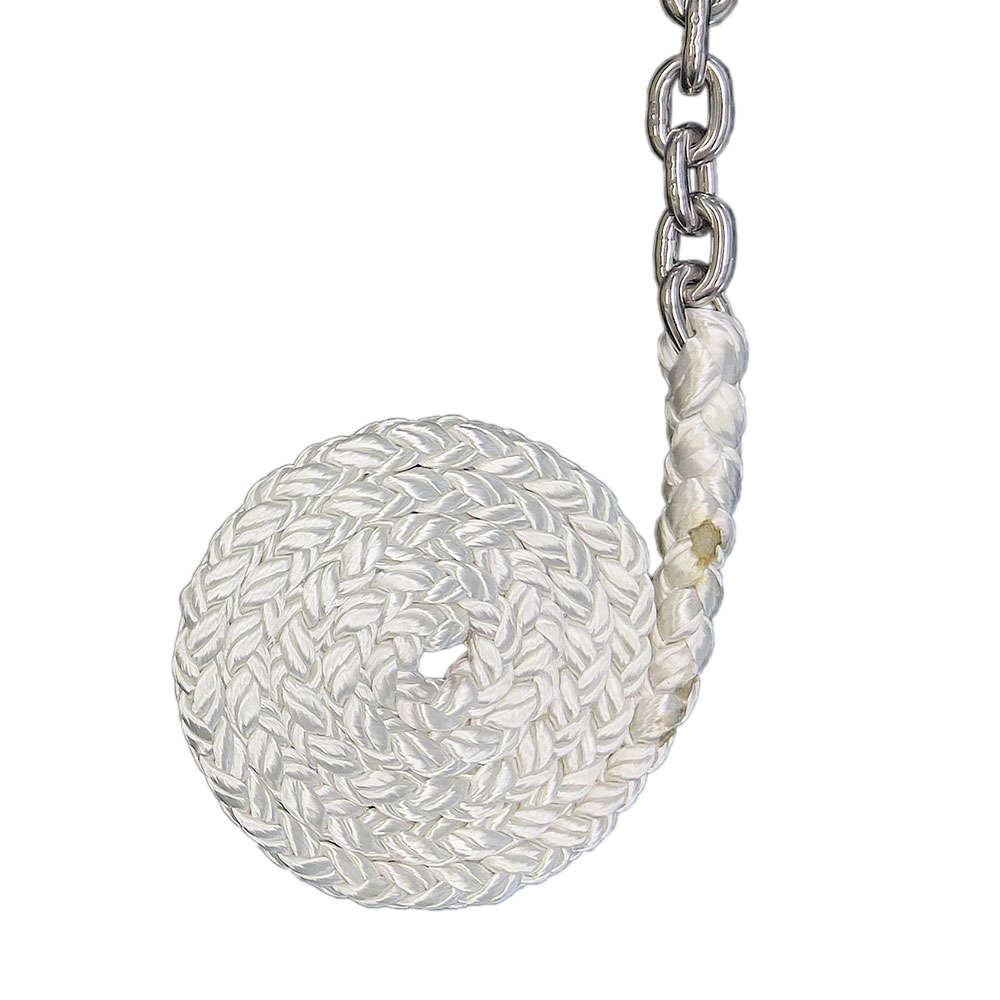
The same principle applies to rope to chain connections. When comparing splicing vs. shackles and swivels, a proper splice is the strongest and smoothest option for a primary anchor rode, especially when using a windlass. Shackles should not be used as the rope to chain connection on a windlass rode because they can snag and will not pass through safely.
Inspect for Chafe, Wear, and Backup Readiness
Most anchoring failures are not dramatic. They are usually caused by gradual issues such as chafe, UV exposure, flattening, stiffness, frayed fibers, worn hardware, or a line that has quietly aged beyond reliable service. Our mooring line care guide recommends inspecting both visually and by touch, paying close attention to splices, contact points, glazing, discoloration, diameter changes, and any hard or soft spots that may indicate internal damage.
Proper care also includes rinsing with fresh water, thorough drying, and loose storage to reduce salt buildup, mildew, and rope memory. This may not be glamorous, but that is the point. Reliable anchoring gear should be uneventful until the moment it matters most.
For remote anchorages, the practical checklist is straightforward. Carry chafe protection. Inspect thimbles, shackles, and all connection points. Bring extra line and chain. Have a second anchor strategy in place before you need it. Our guidance on dual-anchor strategies recommends proper 7:1 scope, organized rodes, and quality hardware for situations involving shifting wind, uncertain holding ground, storms, or tight anchorages. This is not overkill. It is simply preparation when assistance is not nearby.
FAQ: Rope Reliability for Remote Anchorages
What rope material is best for anchor line?
The BoatUS Foundation anchoring guide identifies nylon three-strand as a leading choice because it combines strength with stretch. We also recommend marine-grade nylon for anchor-related applications due to its shock-absorbing elasticity.
How much anchor rode should I carry?
Both BoatUS our own guidelines recommend 7:1 scope as the baseline. Many recreational boats should carry between 200 and 300 feet of rode, with additional length for deeper or more exposed anchoring.
Do I need a snubber with an all-chain rode?
Yes. Chain is rigid and cannot absorb shock loads the way nylon can. A properly sized snubber reduces strain on the windlass and deck hardware while smoothing anchor loads.
Is a knot good enough for an anchor-line termination?
In most cases, no. Proper splices retain about 90% to 95% of breaking strength, while many knots reduce efficiency to 50% to 60%. For high-load systems, a professionally made thimble eye is the safer option.
What backup anchoring gear should I carry?
The BoatUS Foundation recommends carrying a second anchor, extra line, and extra chain because no single setup works in every condition. We also recommend being prepared for secondary anchor deployment in shifting wind, storms, or uncertain holding ground.