Recent blog post

protect dock lines from chafe

How to Protect Dock Lines from Chafe Under Pressure

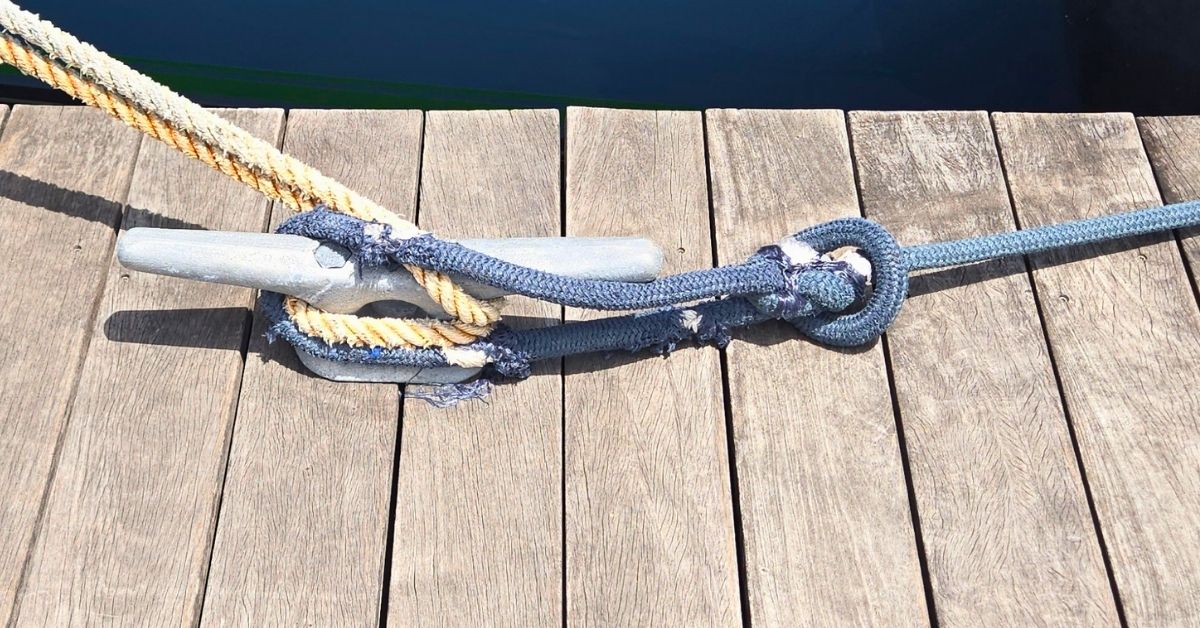
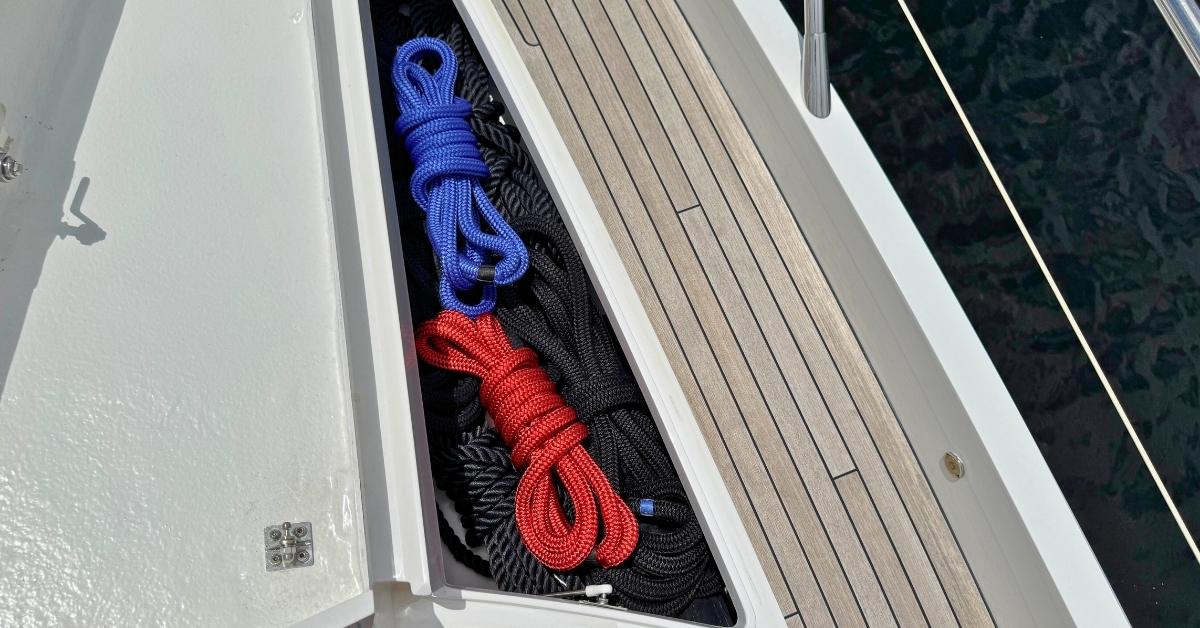
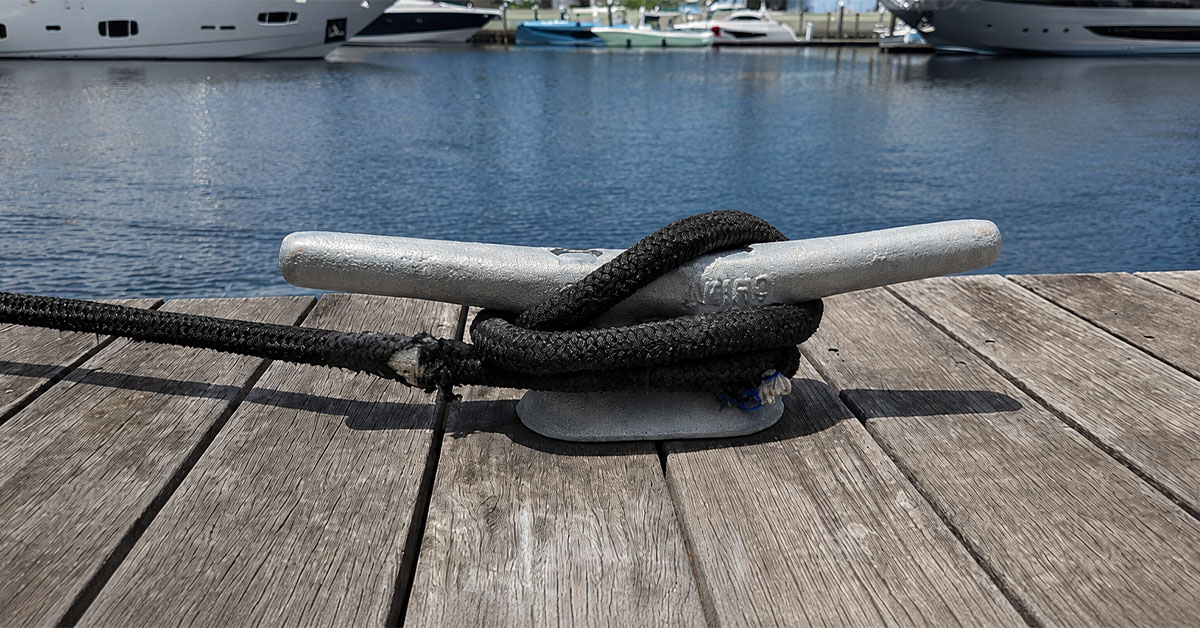
Dock lines rarely fail from sheer tensile strength. Failures usually occur because the rope wears through at specific points where it rubs, stretches, and grinds against hardware or dock edges. Chafe is the primary culprit. When a boat surges against wind, wake, or tide, this localized abrasion destroys even high-strength
reduce shock load on dock lines

How to Reduce Shock Load on Dock Lines

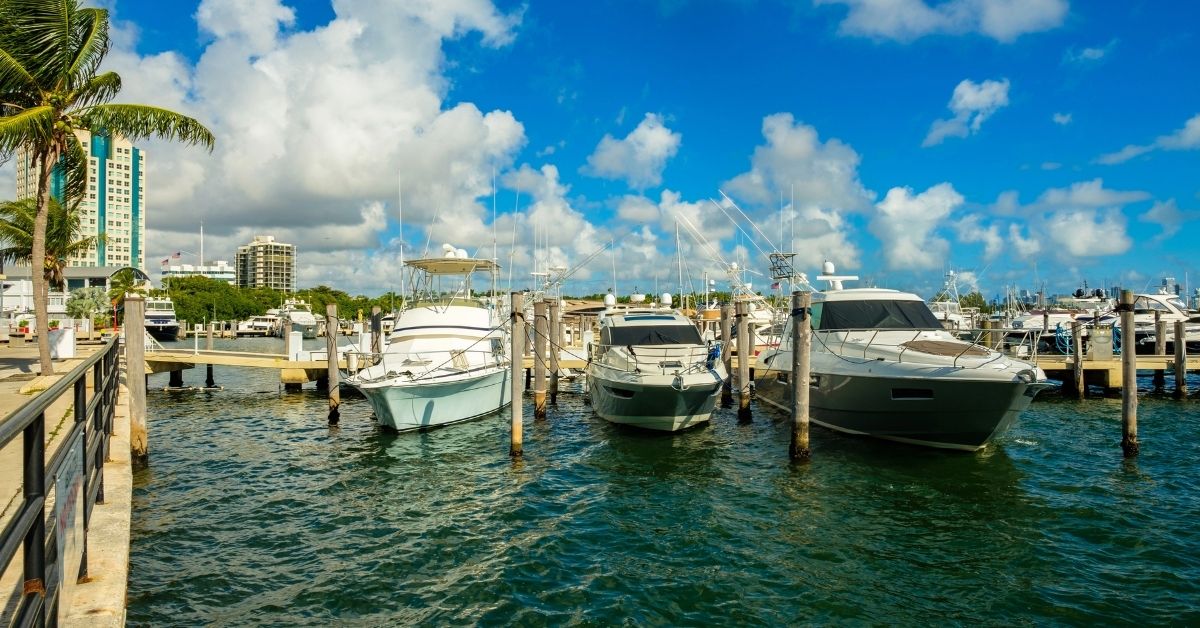
Dock lines live a rough life. Sun, salt, movement, chafe, bad cleats, lazy knots, and weather all take a bite out of them. Shock load is one of the biggest reasons lines part early, hardware gets bent, and boats start moving in ways nobody enjoys. It is the sudden force

dock line setup - why-your-boat-moves-too-much-at-the-dock

Why Your Boat Moves Too Much at the Dock

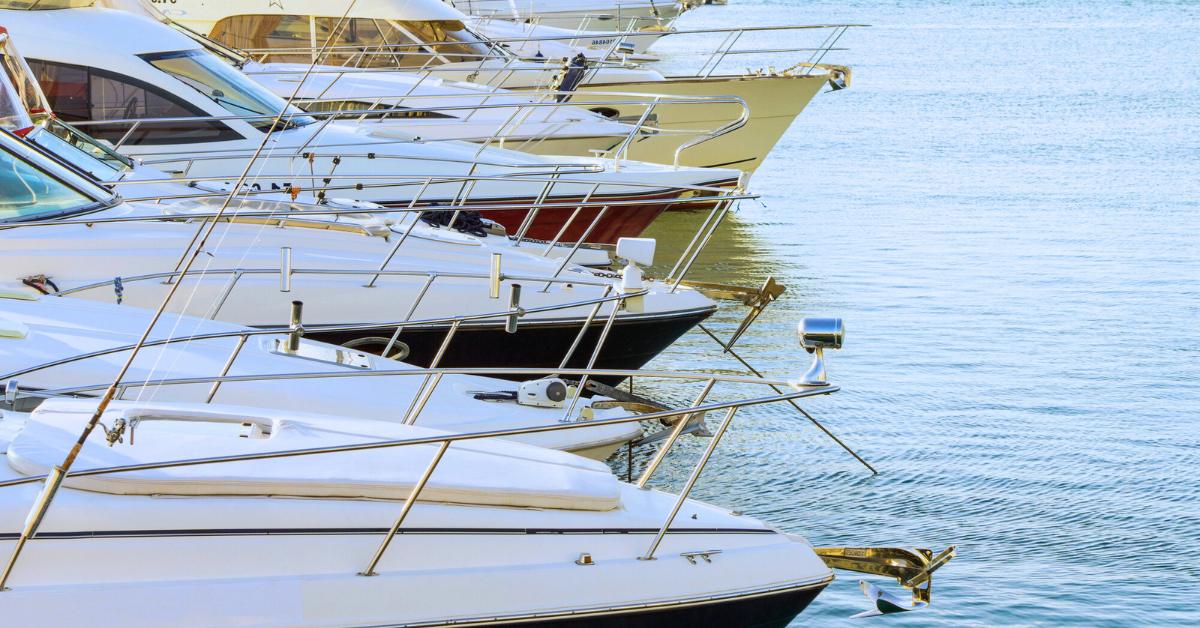
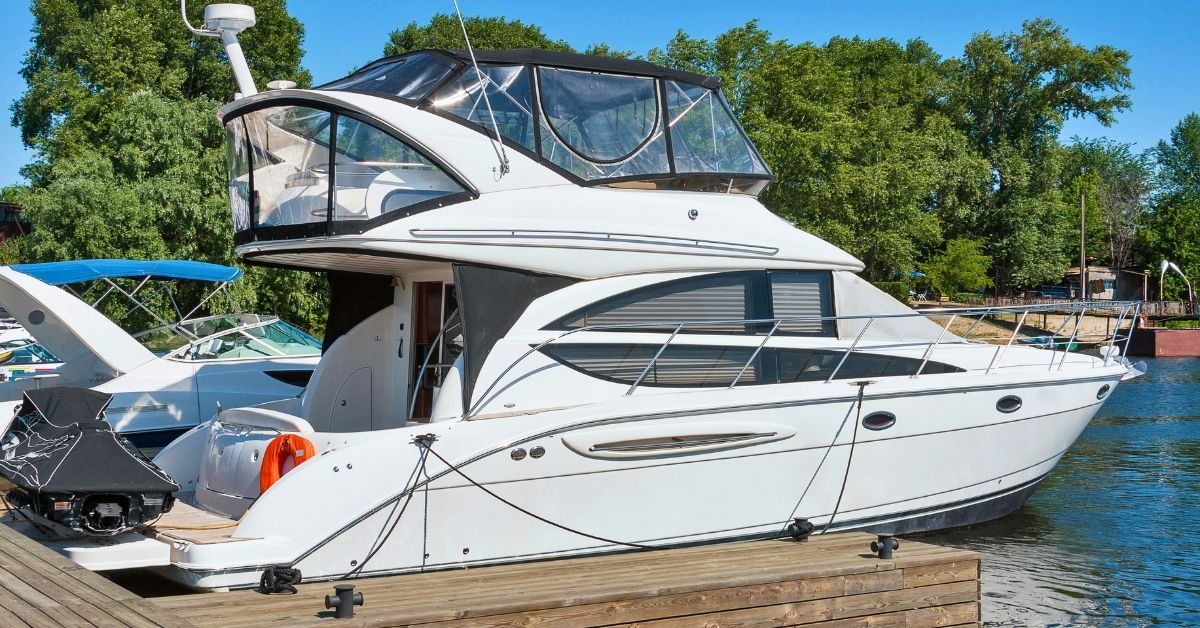
You tied the boat up. You used decent lines. You stepped off thinking the job was done. Then you looked back and the thing was lunging, twisting, bumping, and generally acting like it wanted out of the marina. Annoying? Yes. Normal? Sometimes. Fixable? Usually. A boat that moves too much

what causes dock lines to lose strength over time

What Causes Dock Lines to Lose Strength Over Time?

Dock lines are built to handle serious loads. They keep your boat secure through wind, wake, and constant movement. But like anything exposed to the elements and repeated stress, they do not maintain full strength forever. The tricky part is that strength loss does not always appear obvious. A line

All blog post

marine rope suppliers

After the Storm: What to Inspect When Weather Takes Its Toll

When severe weather passes through your marina or anchorage, the immediate relief of survival often gives way to the reality of assessing damage. While broken masts, damaged hulls, or torn canvas may be obvious, some of the most critical damage often occurs to the lines and rigging that keep your

anchor rodes

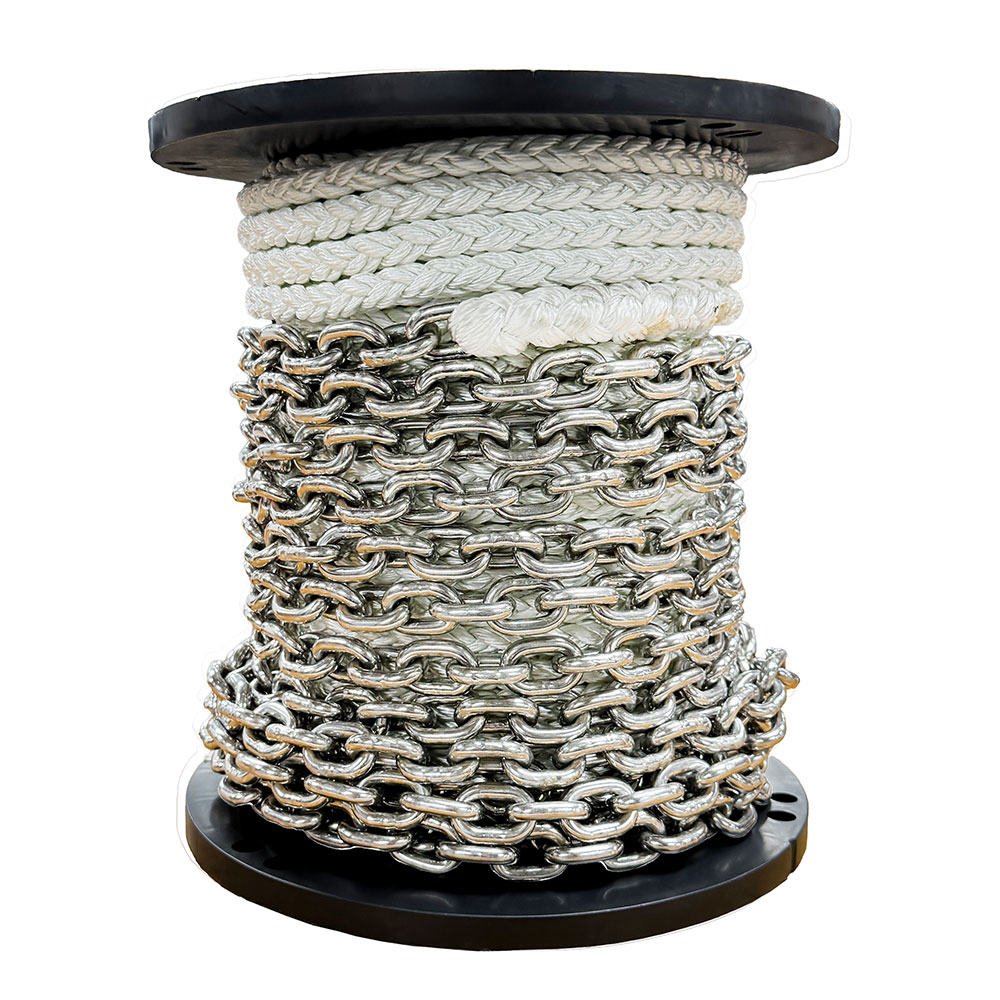
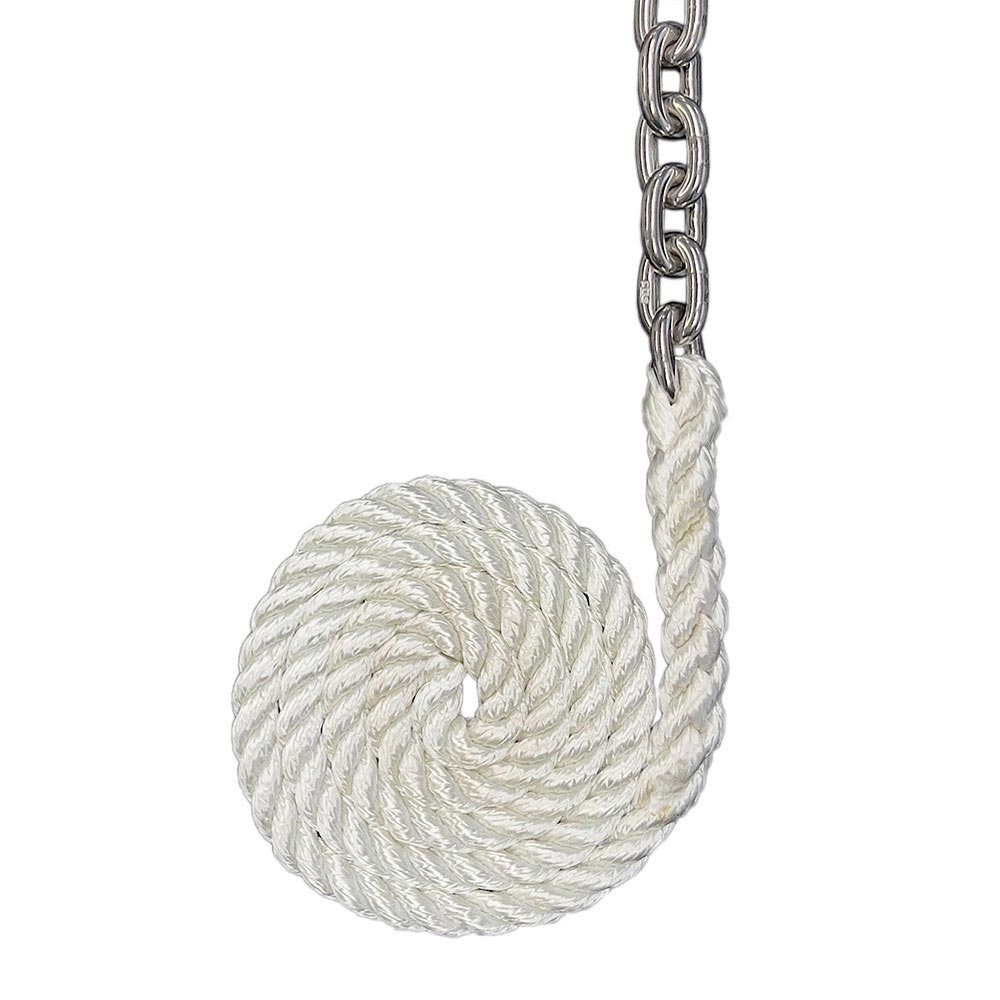
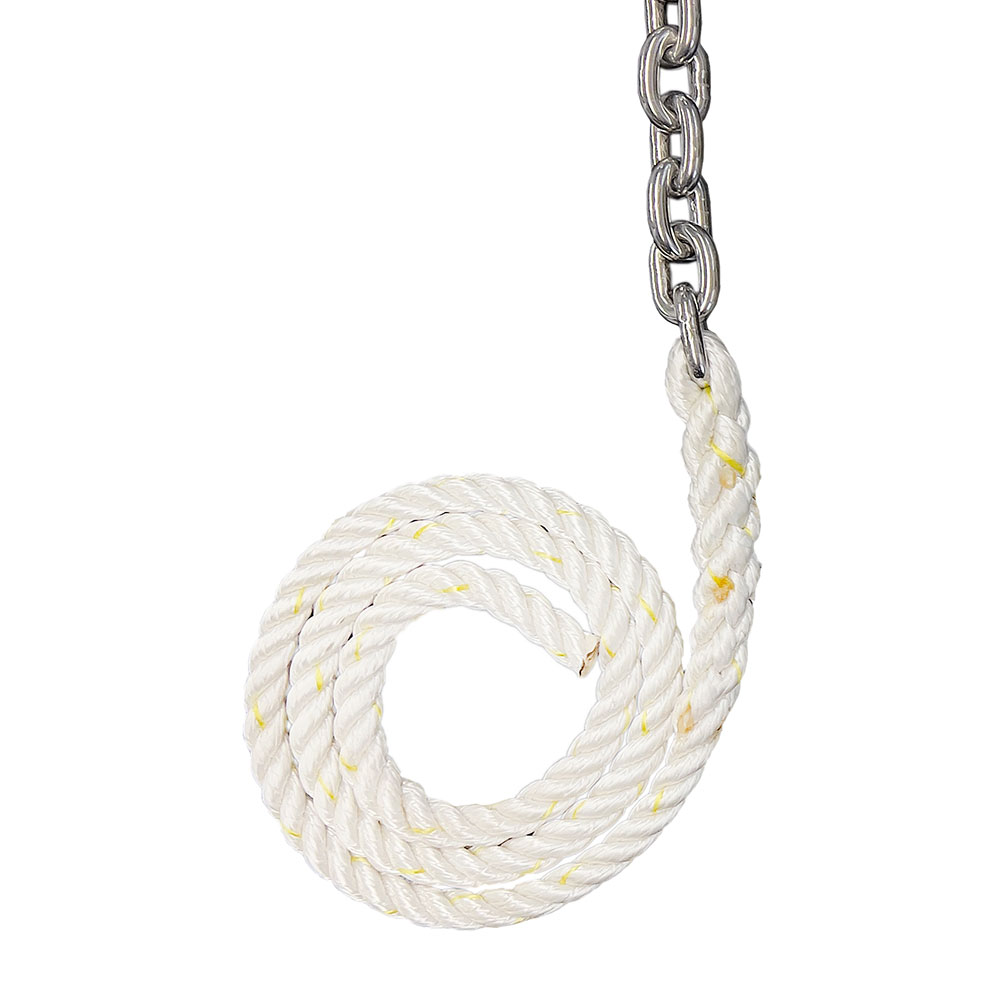
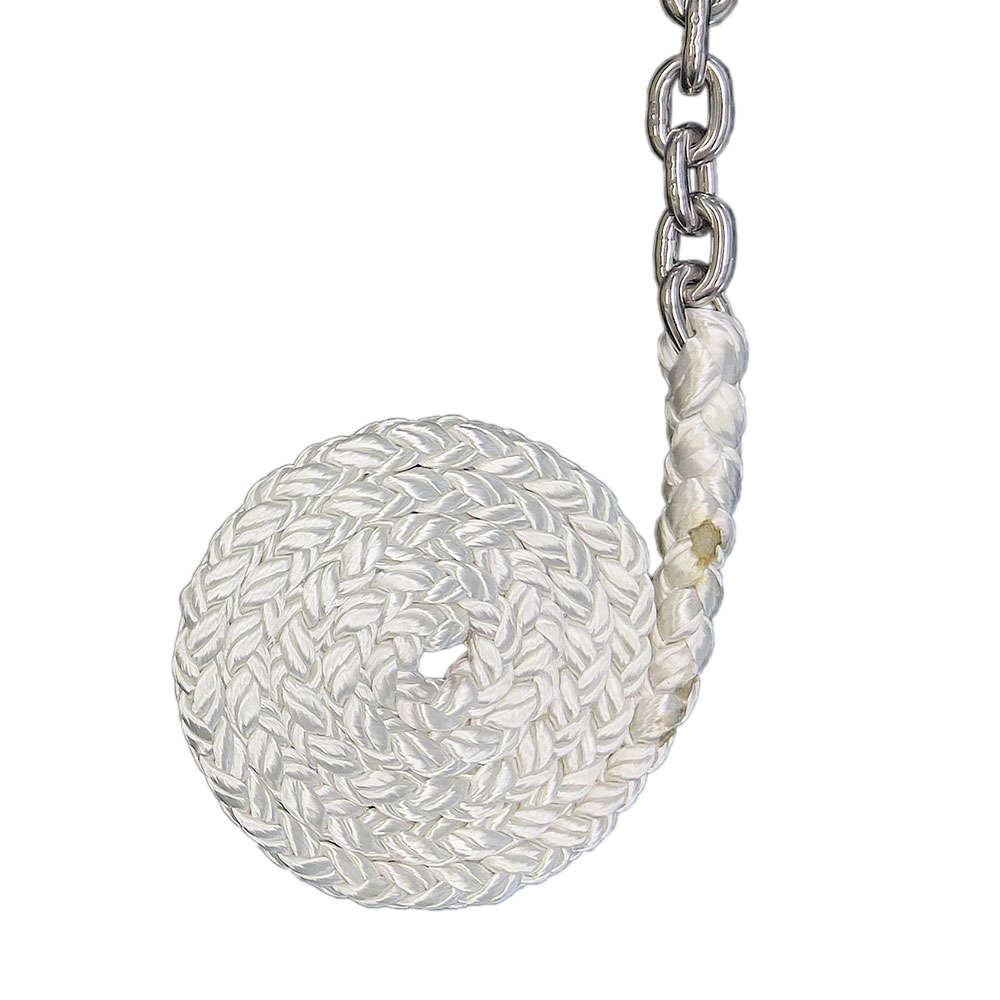
Rope-to-Chain Connections: Splicing vs. Shackles & Swivels

A secure rope-to-chain connection is one of the most critical components of any anchoring system. Whether you’re dropping anchor for a quick lunch stop or settling in for an overnight stay, your connection determines how safely your vessel remains in place. Poorly chosen or poorly maintained connections can lead to

double braid dock lines

Hurricane Tie-Ups Aren’t The Same As Everyday Docking

When a hurricane is approaching, securing your boat is one of the most critical steps to prevent catastrophic damage. While everyday docking techniques keep your vessel safe in normal conditions, hurricane tie-ups require a completely different approach. The forces during severe weather events are far beyond what your standard dock

anchor rope

Quick Drying & Mildew Prevention Tips for Rope Storage

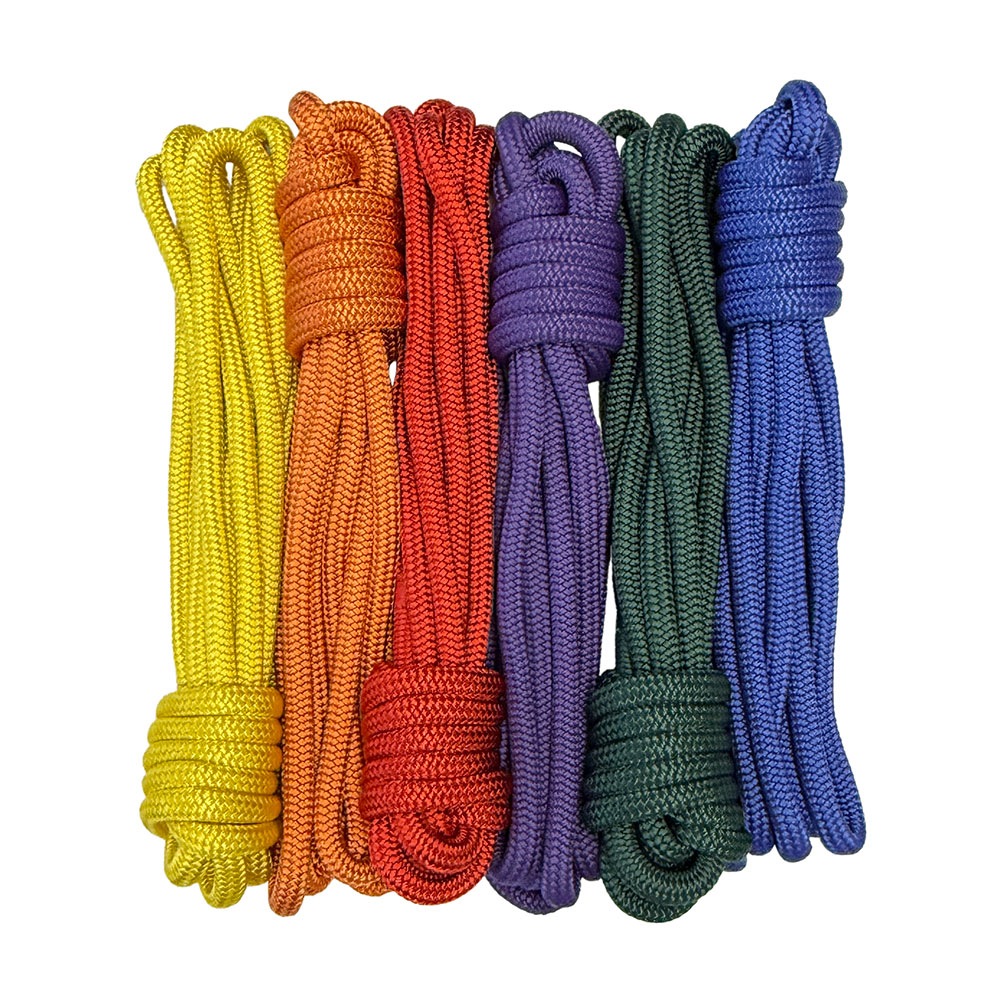
Ropes are essential for boating and professional marine operations. Whether used for docking, anchoring, towing, or rigging, they’re constantly exposed to water and the elements. Without proper care, ropes can quickly develop mildew, weakening the fibers and shortening their lifespan. At American Rope, we believe maintenance is just as important

anchor line

Dual Anchor Strategies: When and How to Deploy Secondary Ground Tackle

When conditions get tough or holding ground is uncertain, a single anchor may not be enough. Deploying a secondary anchor, often referred to as dual anchoring, can significantly improve holding power, increase your boat’s stability, and prevent unwanted movement. While it’s not needed for every outing, understanding when and how

Shopping cart
Shop
Wishlist
0 items Cart
My account