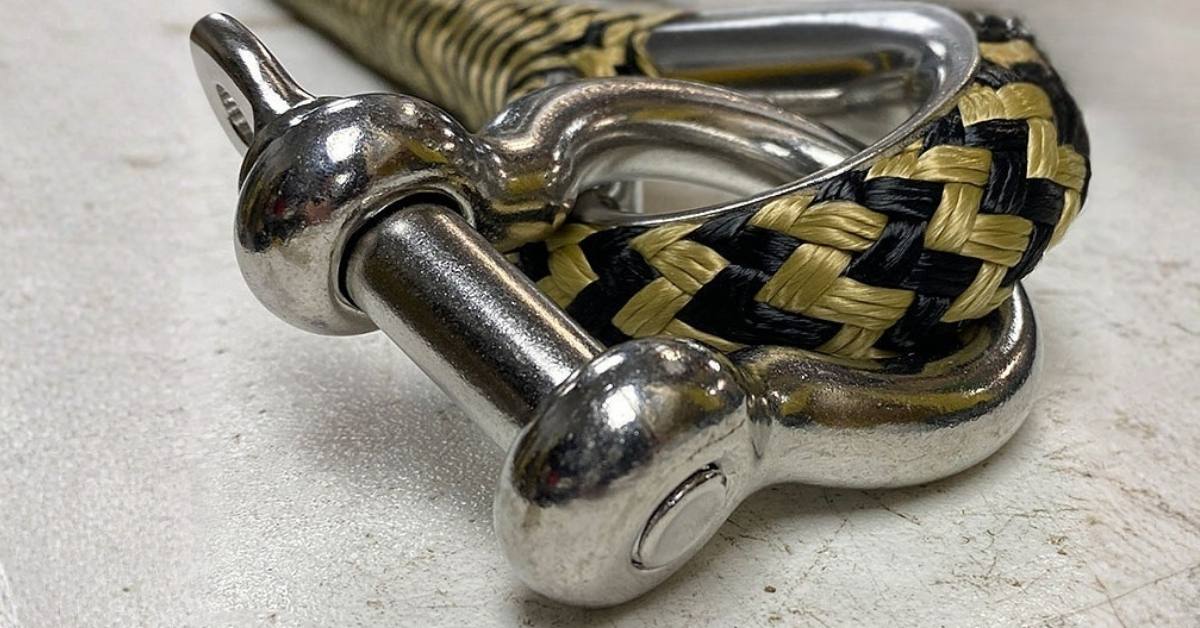
A complete anchoring system represents far more than just an anchor and rope. The hardware components that connect, protect, and integrate these elements determine whether your ground tackle performs reliably or fails when you need it most. At American Rope, we understand that professional anchoring systems require carefully selected hardware components that work together seamlessly. From shackles and thimbles to specialized anchor chain and windlass-compatible fittings, each component plays a critical role in creating safe, dependable anchoring systems.
Shackles: The Critical Connection Point
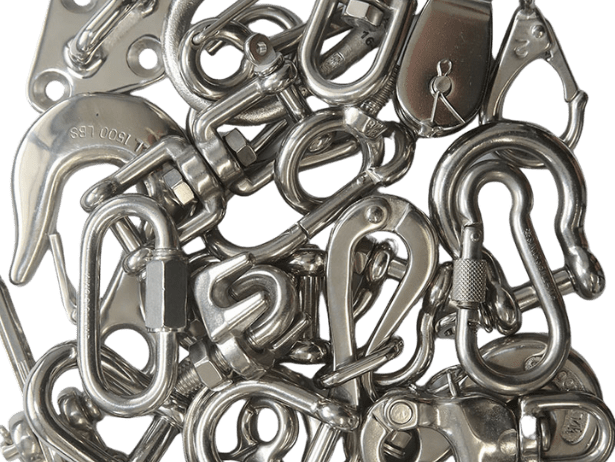
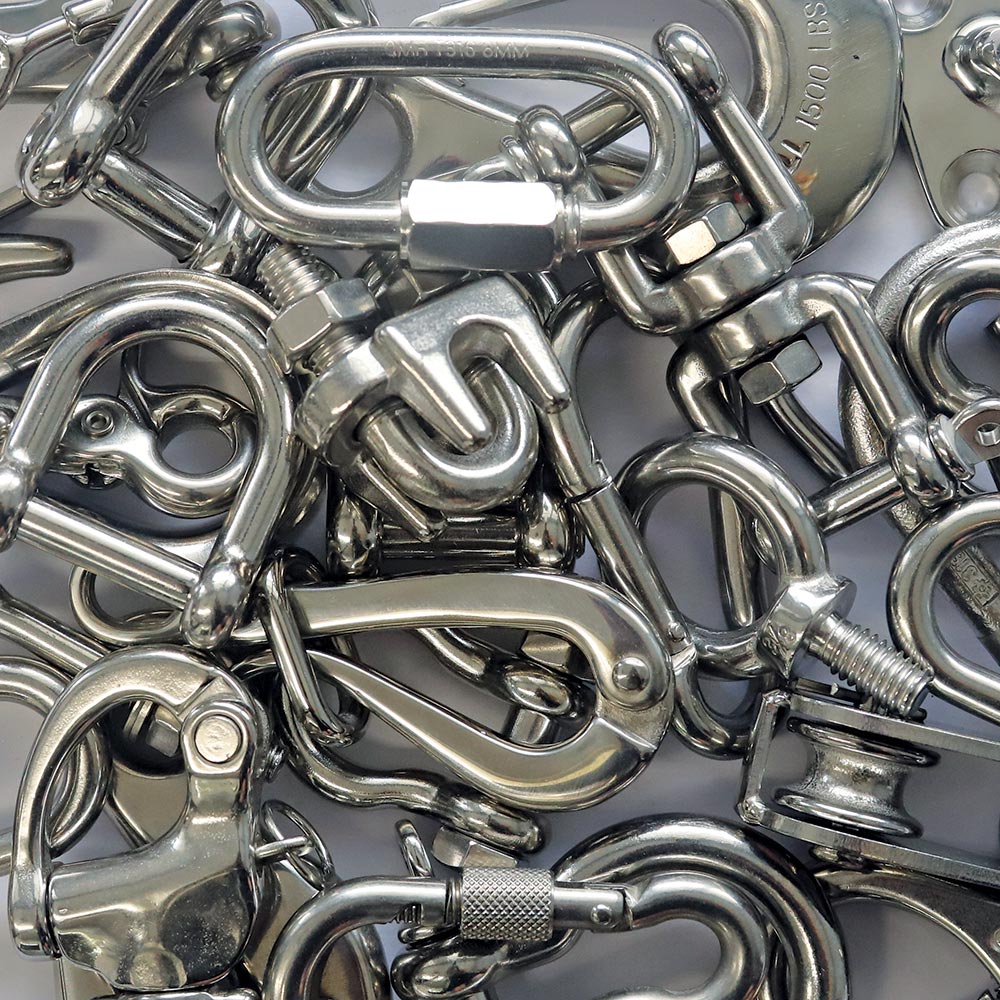
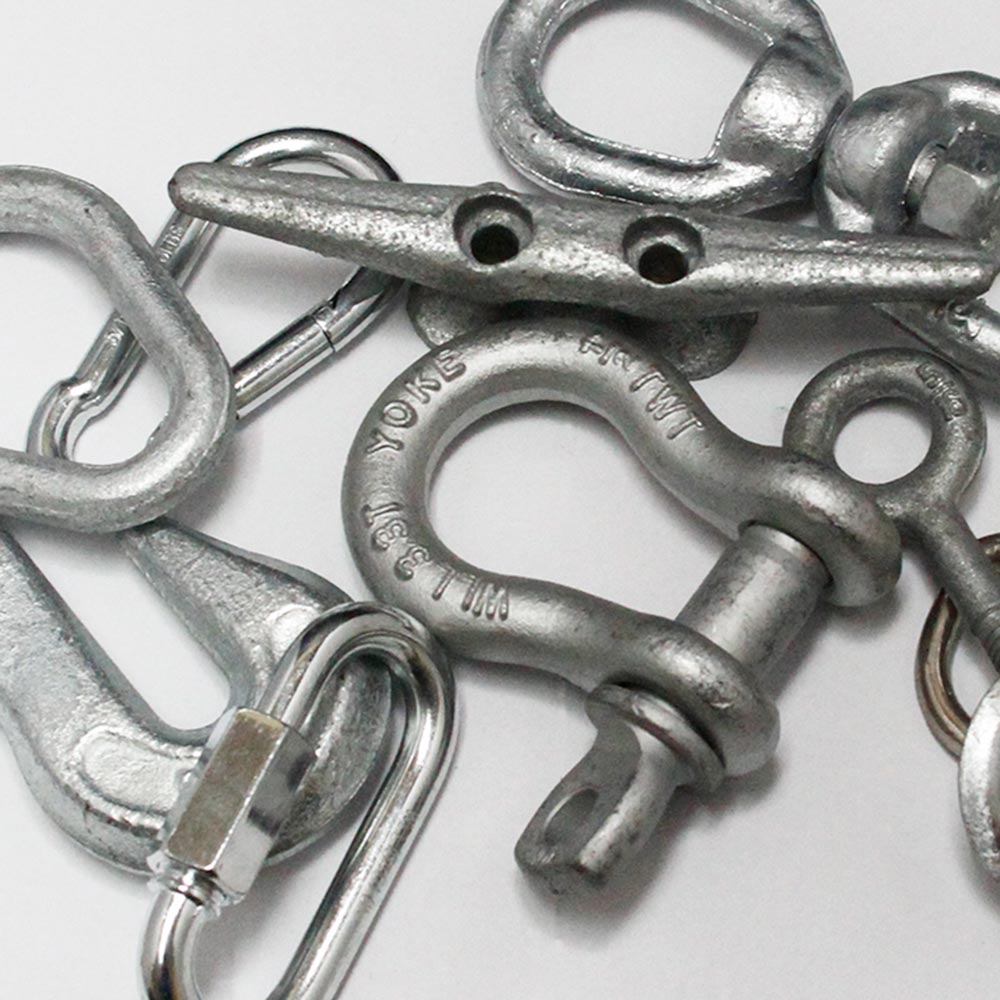
Shackles form the primary connection between rope, chain, and anchor components. These seemingly simple pieces of hardware must withstand enormous loads while providing easy assembly and disassembly when needed.
Anchor Shackles vs. Chain Shackles: Anchor shackles (also called bow shackles) feature a wider, more rounded body that accommodates multiple connection points and allows for greater movement. Chain shackles (D-shackles) offer a narrower profile better suited for inline connections. American Rope recommends anchor shackles for connecting rope to chain or anchor, as they handle angular loads more effectively.
Material Selection: Marine-grade stainless steel shackles provide excellent corrosion resistance and longevity, though they command premium pricing. Hot-dip galvanized shackles offer reliable performance at lower cost, making them popular for recreational applications. When American Rope fabricates custom anchor systems, we help customers select appropriate shackle materials based on their specific operating environments and budget constraints.
Sizing Considerations: Shackle working load limits must exceed the combined strength of connected components with appropriate safety factors. Undersized shackles create dangerous weak points that can fail catastrophically under load.
Thimbles: Protecting Your Investment
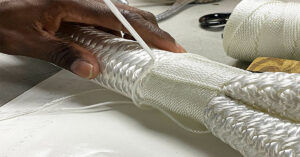
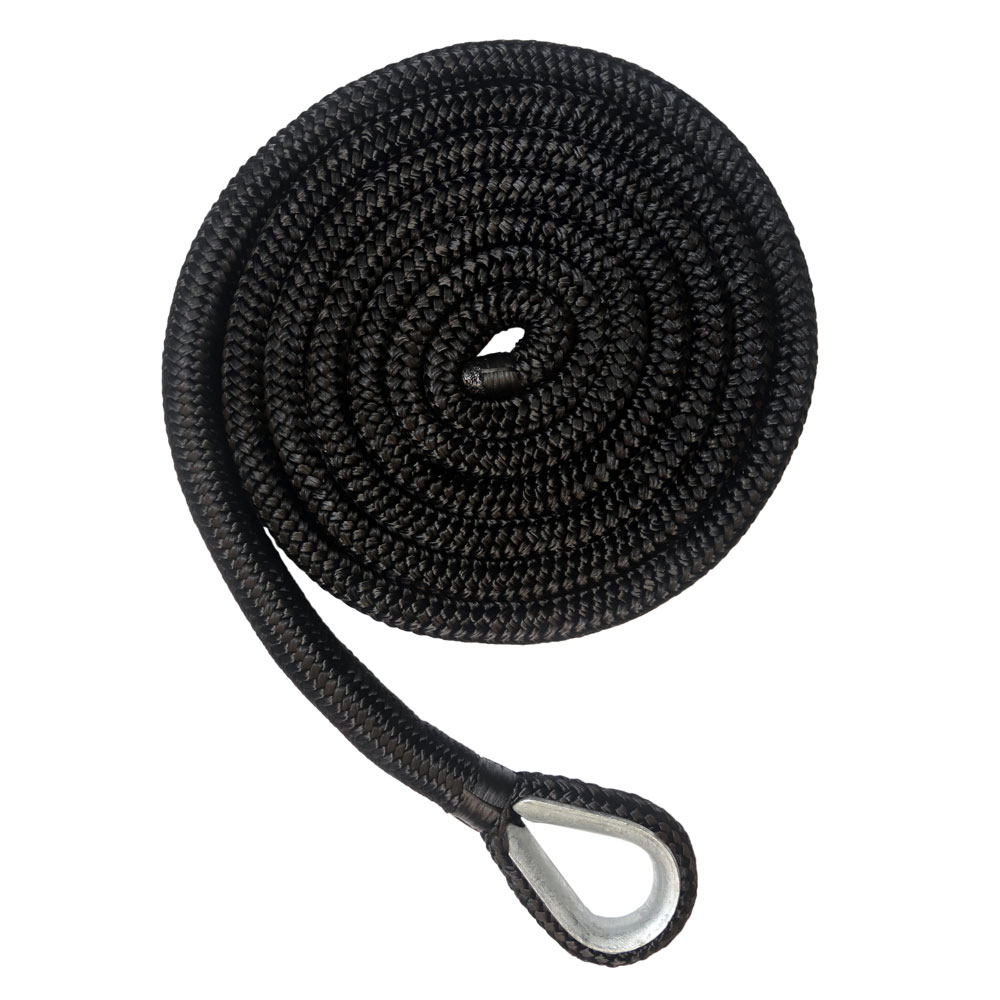
Eye splices in rope anchor lines require protection from the crushing and cutting forces that occur at connection points. Thimbles provide this essential protection while maintaining the rope’s full strength capacity.
Material and Construction: Stainless steel thimbles resist saltwater corrosion while providing smooth, rounded surfaces that will not damage fibers. American Rope incorporates properly sized thimbles in all our spliced anchor lines, ensuring connections maintain maximum strength throughout their service life.
Proper Integration: Thimbles must fit snugly within eye splices without creating stress concentrations. Oversized thimbles allow excessive rope movement that accelerates wear, while undersized thimbles create tight bends that reduce rope strength. Our technicians at American Rope carefully match thimble sizes to rope diameters and splice configurations.
Swivel Placement: Most marine experts recommend placing swivels between the anchor and chain rather than between the chain and rope. This configuration prevents anchor rotation from transmitting twist through the entire ground tackle system. American Rope’s anchor line assemblies can incorporate swivels at optimal positions for your specific anchoring requirements.
Quality Considerations: Premium swivels feature sealed bearings that resist saltwater contamination while maintaining smooth rotation under load. Lower-quality swivels can seize over time, defeating their purpose and creating stress points in the anchoring system.
Understanding Anchor Chain Options
Anchor chain selection significantly impacts ground tackle performance, with various grades and materials offering different characteristics suited to specific applications.
G43 High-Test Chain: Also marked as G4 or HT, this heat-treated chain offers nearly twice the working load limit of comparable BBB chain. The higher strength-to-weight ratio makes G43 popular for applications where weight savings matter. American Rope frequently recommends
G43 chain for customers seeking maximum performance in compact installations.
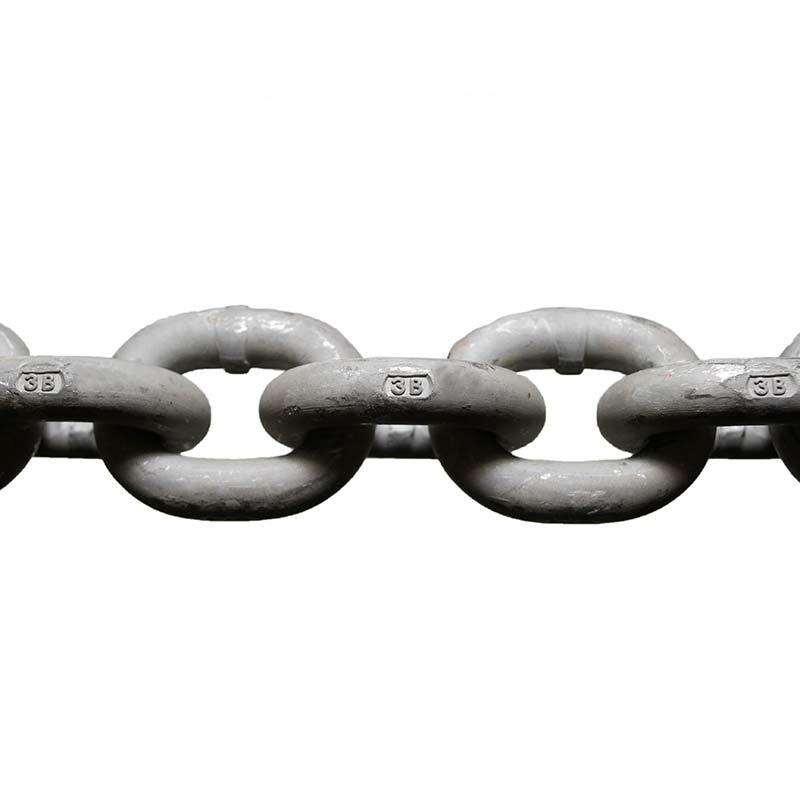
BBB (Triple-B) Chain: Grade 30 BBB chain features shorter, more compact links that provide excellent flexibility and compatibility with most windlass systems. While offering lower strength than G43, BBB chain’s widespread availability and proven performance make it a reliable choice for many applications.
ISO Chain: Meeting international standards, ISO chain offers precise dimensional tolerances that ensure excellent windlass compatibility. This precision comes at premium pricing but delivers superior performance in demanding applications.
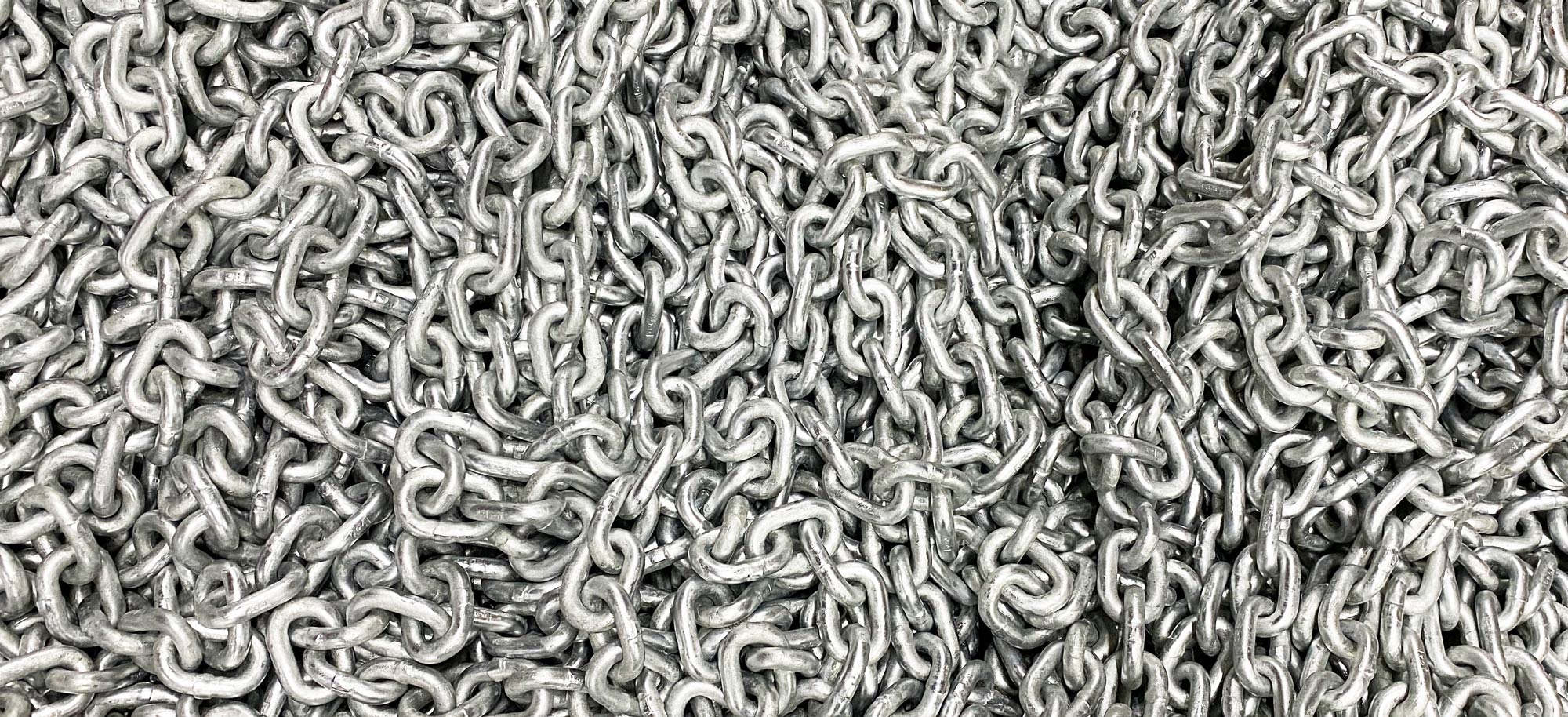
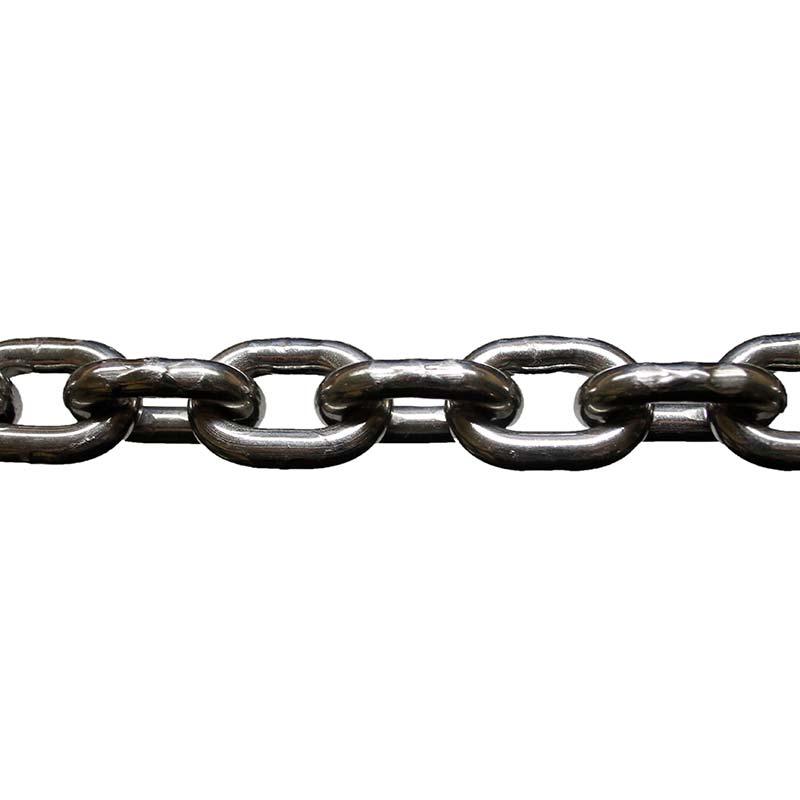
Stainless vs. Galvanized: Stainless steel anchor chain provides superior corrosion resistance and an attractive appearance but costs significantly more than galvanized alternatives. Hot-dip galvanized chain offers excellent corrosion protection at more accessible price points. American Rope helps customers evaluate cost-benefit tradeoffs based on their specific usage patterns and budget considerations.
Links, Rings, and Connection Hardware
Specialized connection hardware enables custom ground tackle configurations that address unique anchoring challenges.
Connecting Links: Heavy-duty connecting links join chain sections or attach chain to rope segments. Quality links feature load ratings that match or exceed the connected components’ strength. American Rope uses only marine-grade connecting hardware in our anchor line assemblies.
Anchor Rings: Large-diameter rings provide versatile attachment points for multiple lines or specialized configurations. These are particularly valuable in permanent mooring installations where flexibility matters.
Snubbers: Essential Shock Protection
Snubbers transform rigid chain rode systems into shock-absorbing configurations that protect equipment and improve anchoring security.
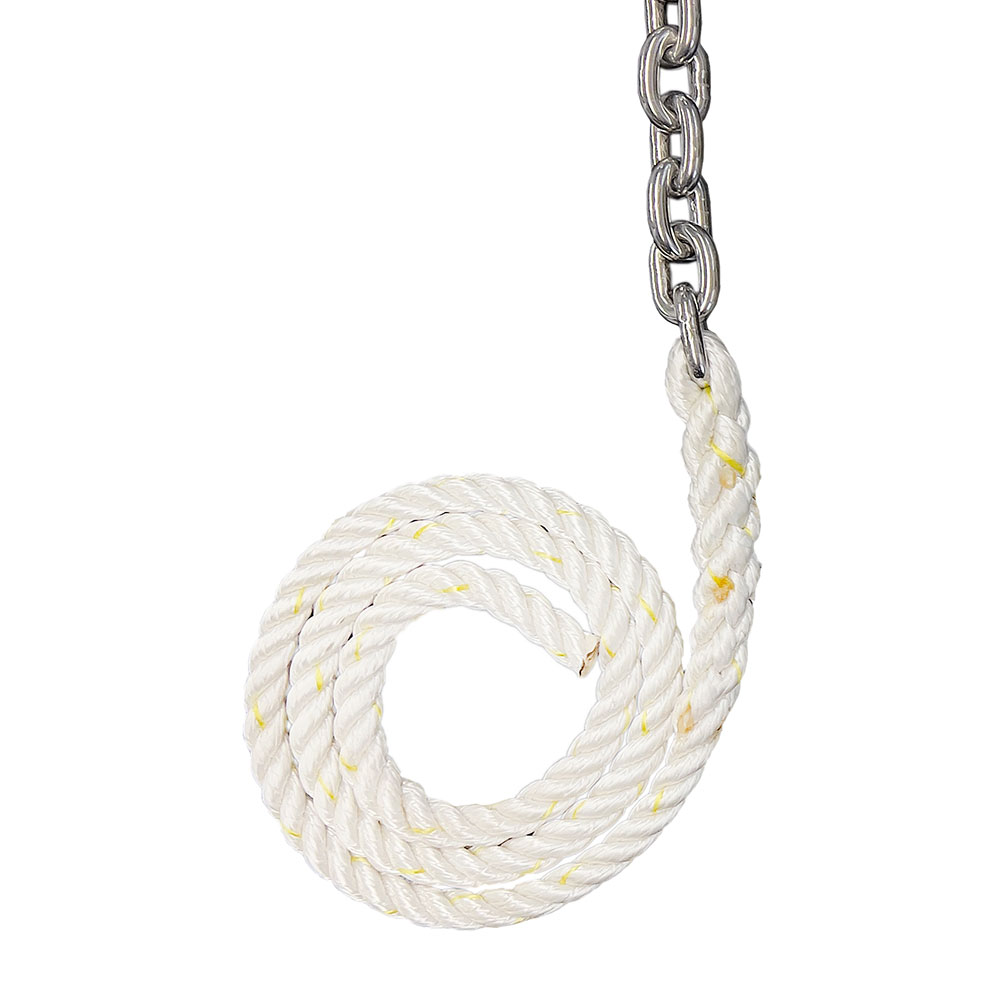
Nylon Snubber Lines:American Rope manufactures purpose-built snubber lines from marine-grade nylon designed specifically for anchor shock absorption. Our snubbers feature properly sized eye splices with stainless steel thimbles and professional whipping at all termination points.
Chain Hooks: Quality chain hooks secure snubbers to anchor chain without damaging links. American Rope can recommend appropriate hook sizes and styles for your specific chain configuration.
Windlass-Compatible Fittings
Modern windlass systems require specific chain and rope configurations for reliable operation.
Chain Compatibility: Windlass gypsies are manufactured for specific chain sizes and types. Using incorrect chain can cause jamming, slippage, or accelerated wear. American Rope works with customers to ensure their anchor chain matches their windlass specifications precisely.
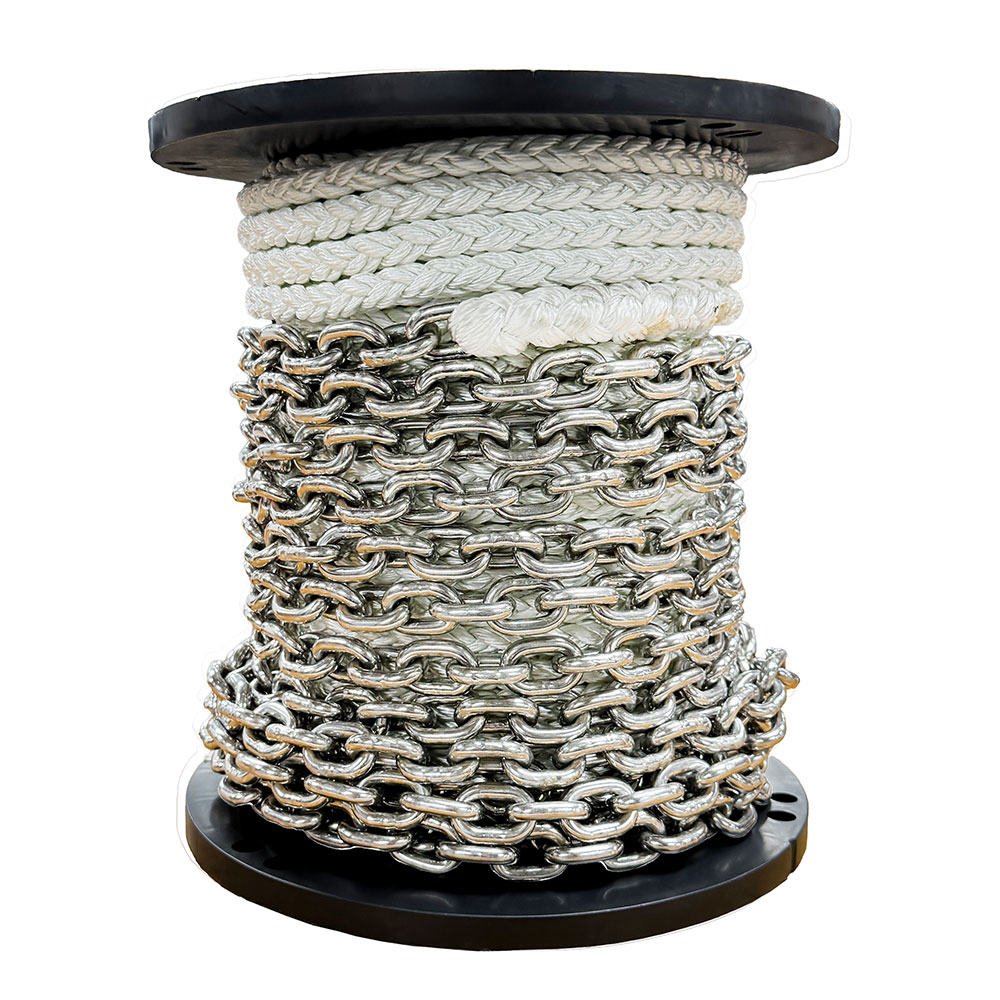
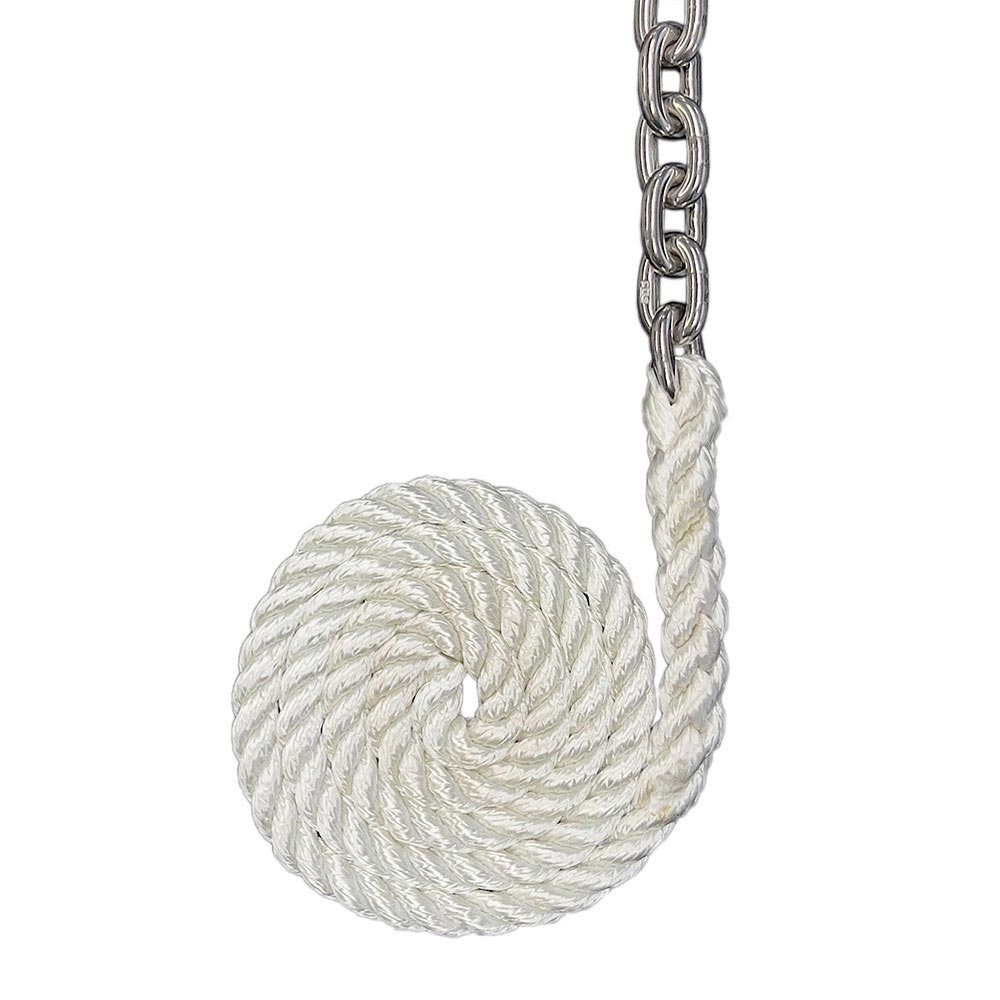
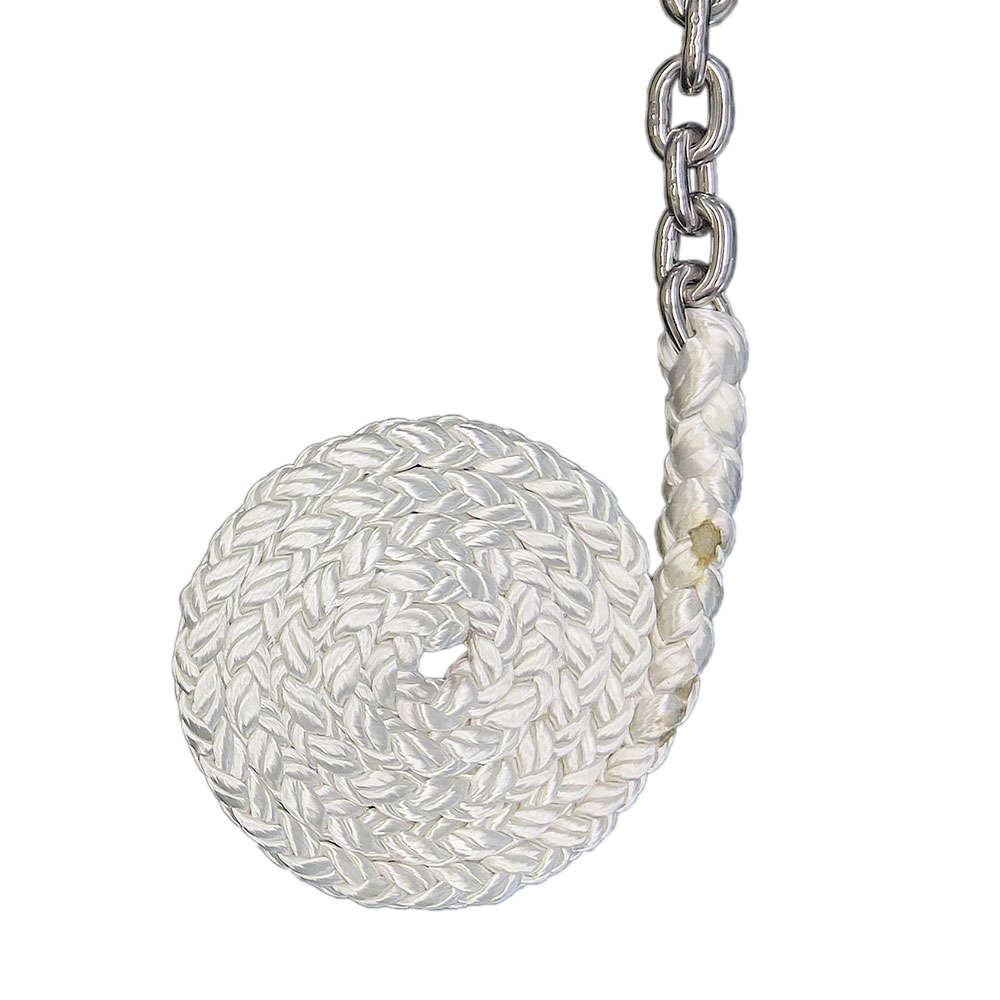
Rope-to-Chain Splices: Combination anchor rodes using both rope and chain require specialized splicing techniques. American Rope’s experienced splicers create seamless rope-to-chain transitions that feed smoothly through windlass systems while maintaining full strength capacity.
Integration and System Design
Effective anchor line hardware selection requires understanding how individual components work together as complete systems.
Load Path Analysis: Every connection point must handle maximum expected loads with appropriate safety factors. American Rope evaluates complete load paths when designing custom anchor line assemblies, ensuring no weak links compromise system integrity.
Compatibility Verification: Hardware components must be mutually compatible in size, strength, and operational characteristics. Our technical team verifies compatibility across all system elements before fabrication begins.
Conclusion
Professional anchoring systems depend on carefully selected hardware components that work together reliably under demanding conditions. From properly sized shackles and protective thimbles to specialized anchor chain and windlass-compatible fittings, each element contributes to overall system performance and safety. American Rope’s experience in custom anchor line fabrication ensures customers receive complete ground tackle solutions engineered for their specific vessels and operating conditions. Quality hardware represents an investment in safety and reliability that provides years of dependable anchoring performance.
FAQS
What are the essential components of an anchor chain system?
A complete and reliable anchor chain system consists of several critical hardware components, including:
- Shackles: Connect the anchor to the chain and the chain to the rope.
- Swivels: Prevent the anchor rode from twisting and hockling during tide and wind shifts.
- Thimbles: Protect the rope from crushing and abrasion at the point of connection.
- Chain Hooks: Used to attach snubber lines to the main anchor chain.
- Links and Rings: Provide secure transition points within the assembly.
What is the difference between stainless steel and galvanized hardware?
The choice between materials depends on the environment and specific use:
- Stainless Steel: Offers superior corrosion resistance and a high-polish finish, making it ideal for vessels frequently operating in saltwater and for owners who prefer a premium aesthetic.
- Galvanized Steel: Provides excellent strength and durability at a lower cost. It is a traditional choice for heavy-duty anchoring systems where the aesthetic finish is less critical than raw industrial resilience.
Why should I use a swivel in my anchor rode?
An anchor swivel is designed to allow the anchor to rotate independently of the rode. This is critical because wind and current shifts can cause the boat to circle the anchor, which twists the rope and chain. Without a swivel, this twisting can lead to hockling (kinking) in the rope and may prevent the anchor from seating correctly in the windlass or roller during retrieval.
What role does a thimble play in rope protection?
A thimble is a metal insert (usually stainless or galvanized) placed inside an eye splice. Its primary role is to protect the rope fibers from the intense crushing and cutting forces that occur where the rope meets a metal shackle or link. By distributing the load over a larger, smooth surface, the thimble significantly increases the service life and safety margin of the rope termination.
How do I choose the correct shackle size for my anchor chain?
Shackle size should be matched to the Working Load Limit (WLL) of your anchor chain and rope. It is a professional standard to ensure the shackle is at least one size larger than the chain links (e.g., a 5/16″ shackle for a 1/4″ chain) to ensure that the pin fits properly and the assembly retains its maximum strength. Always use shackles with safety-wired pins to prevent accidental loosening under water.
Are blocks and sheaves necessary for anchoring?
While not always part of the rode itself, blocks and sheaves are essential for managing the movement of lines across the deck and through the anchor roller. High-quality sheaves ensure that the rope transitions smoothly with minimal friction, reducing heat buildup and surface wear on the nylon fibers during deployment and retrieval.