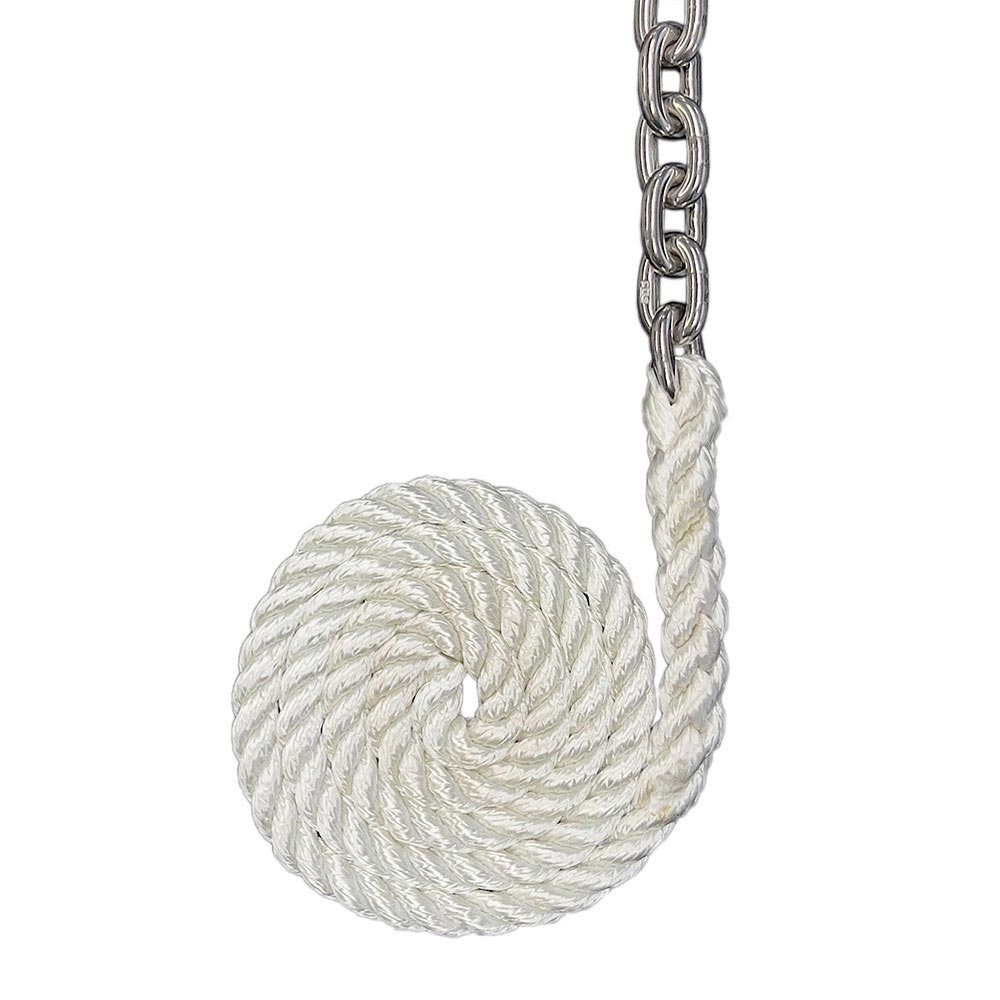
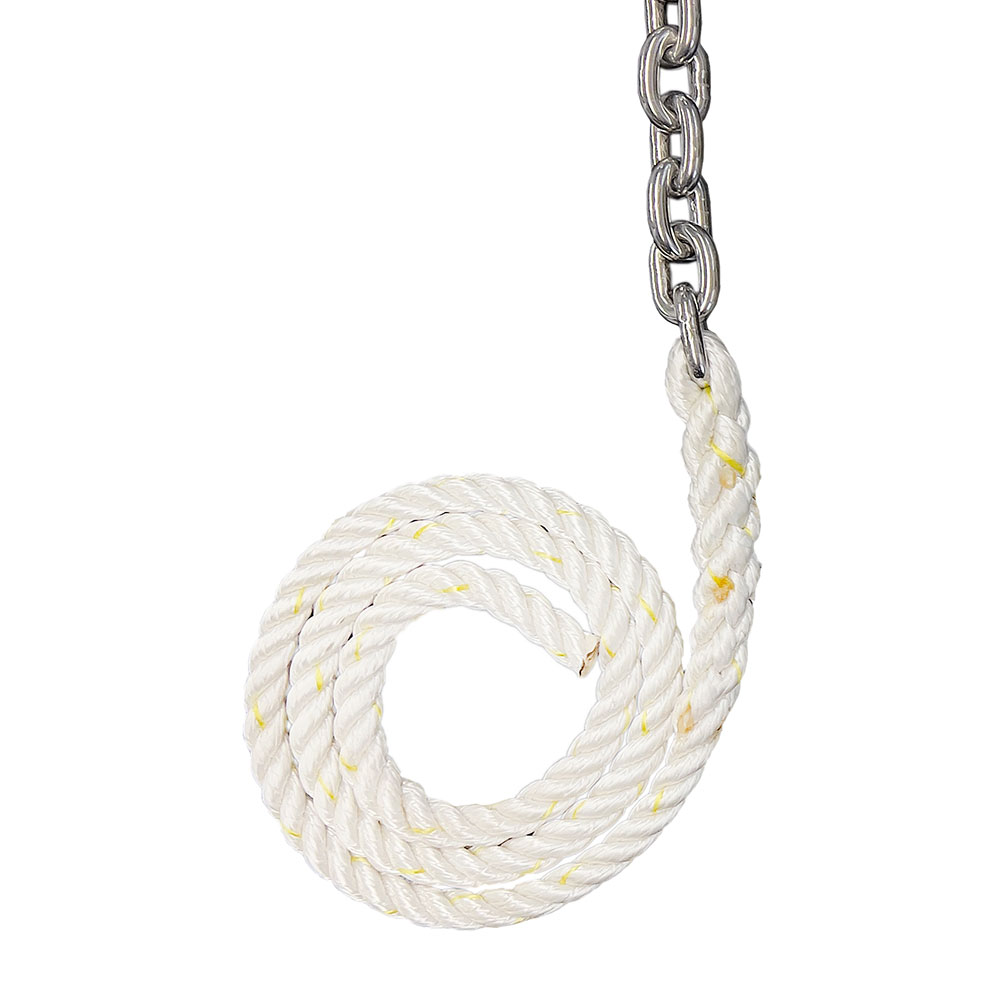
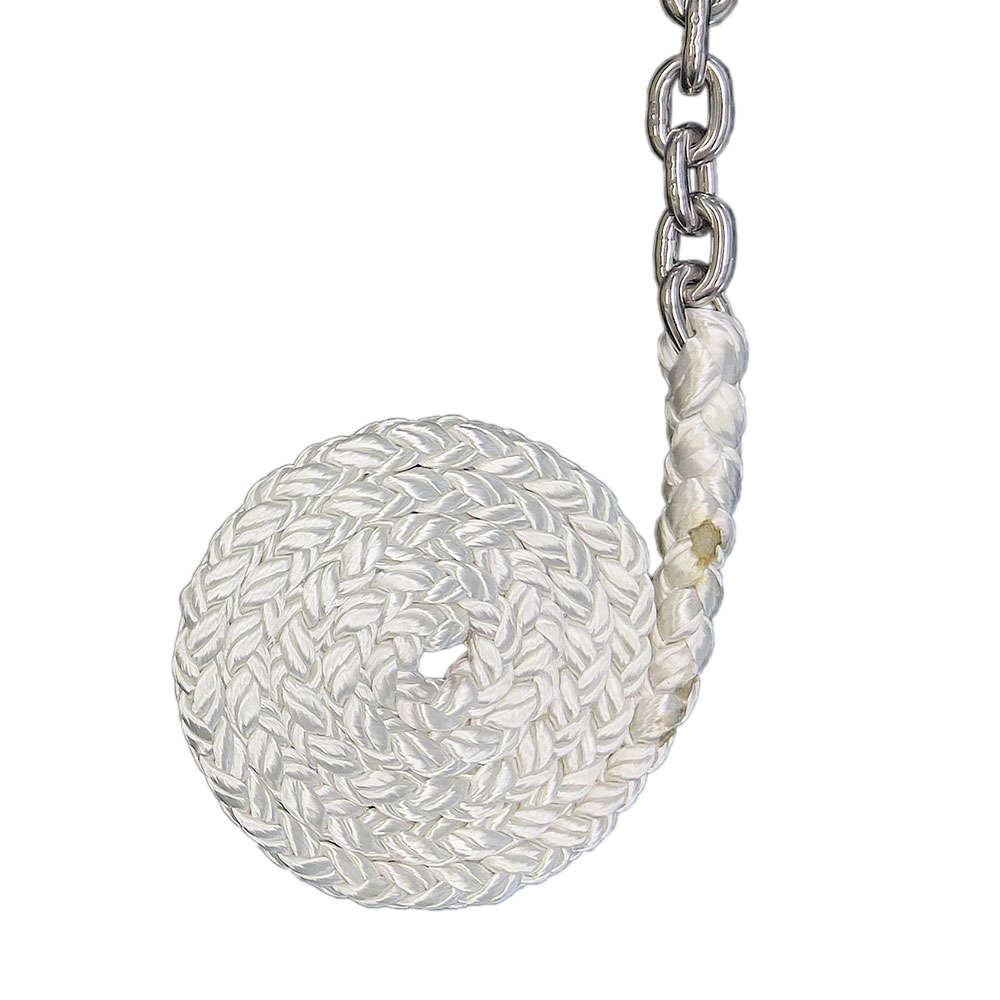
In the realm of marine anchoring systems, few components work as quietly or effectively as the snubber line. While anchors draw attention and windlasses stand out, snubber lines handle the critical job of converting jarring shock loads into manageable forces that protect both crew and equipment. For vessels using all-chain rode systems, snubbers often make the difference between secure, comfortable anchoring and stress cycles that can damage equipment, compromise safety, and lead to expensive failures.
Understanding the Snubber’s Critical Role
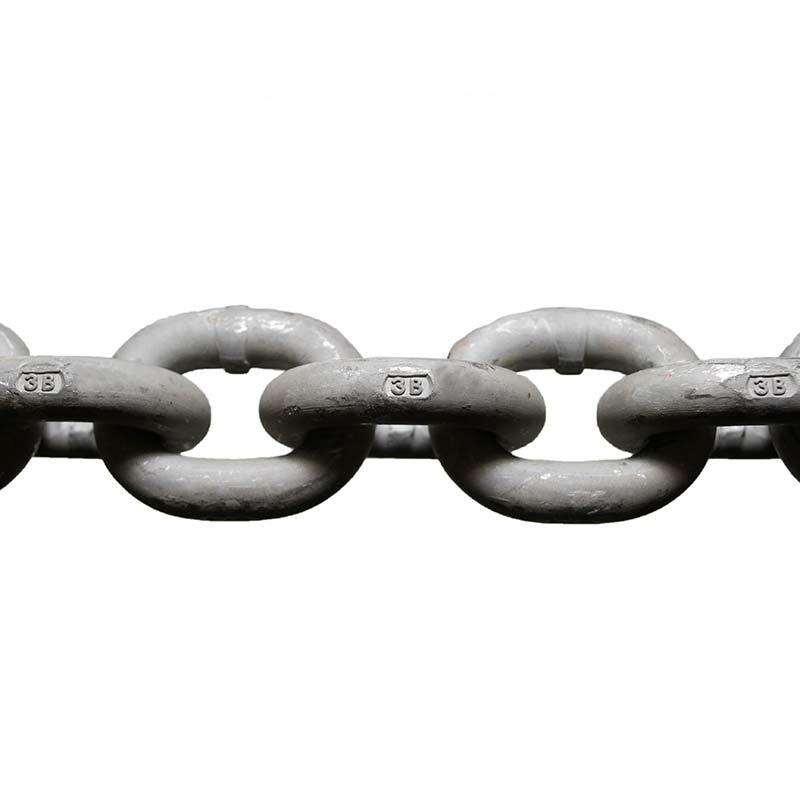
A snubber serves as a shock absorber within a chain-based anchoring system. When waves, wind gusts, or currents apply sudden forces, rigid chain transfers those loads directly to the windlass, cleats, and deck hardware, often with damaging results.
The snubber intercepts the load, stretches to absorb energy, and turns violent jolts into gradual, manageable force.
This absorption does more than improve comfort. It protects windlass mechanisms from overload, reduces strain on deck hardware and through-bolts, and prevents motion that can lead to anchor drag or failure. Professional mariners know that snubber lines can mean the difference between a restful night at anchor and a safety issue caused by equipment damage.
The Science of Shock Absorption
Snubber performance relies on nylon rope’s unique properties. Under load, nylon fibers stretch significantly, storing energy and releasing it gradually as the load eases. This elastic behavior contrasts with the rigidity of chain, creating a complementary system where each material contributes its strengths.
Modern rope manufacturers like American Rope design snubbers with specific stretch properties that optimize energy absorption while maintaining strength. The goal is controlled elasticity that absorbs shock without stretching so much that it risks dangerous snap-back if the load is released.
Proper Snubber Configuration and Sizing
Snubber effectiveness depends on correct sizing and setup. The line must be strong enough for peak loads while retaining the stretch needed for shock absorption.
Length Considerations: Snubber length directly affects performance, with longer lines providing more shock absorption through increased stretch capacity. Most marine experts recommend 15 to 25 feet for typical recreational vessels, though vessel size and conditions may require adjustment.
Diameter Selection: Snubber diameter must balance strength requirements with stretch characteristics. Oversized lines may not stretch enough, while undersized ones may fail under load. Advice from experienced rope suppliers like American Rope helps ensure proper sizing.
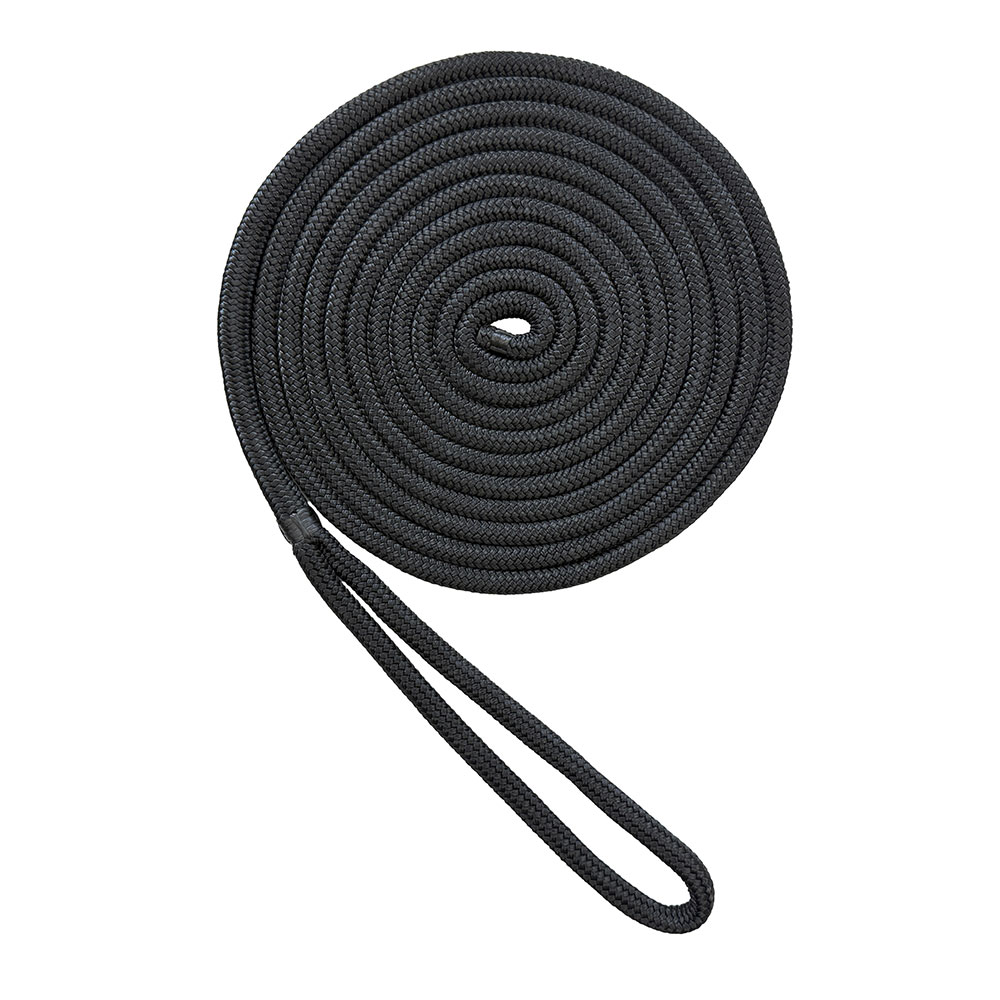
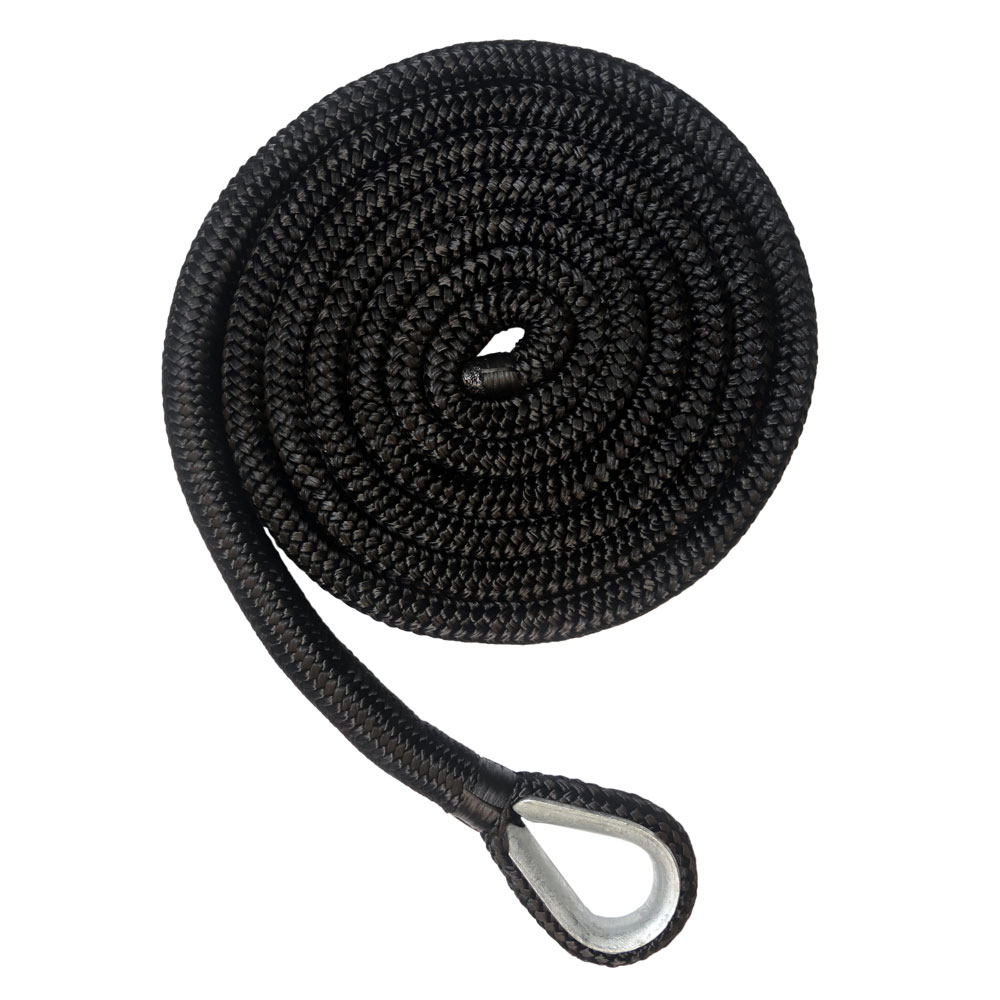
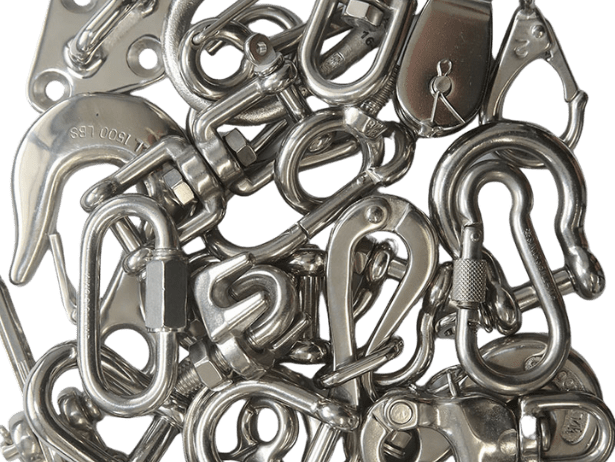
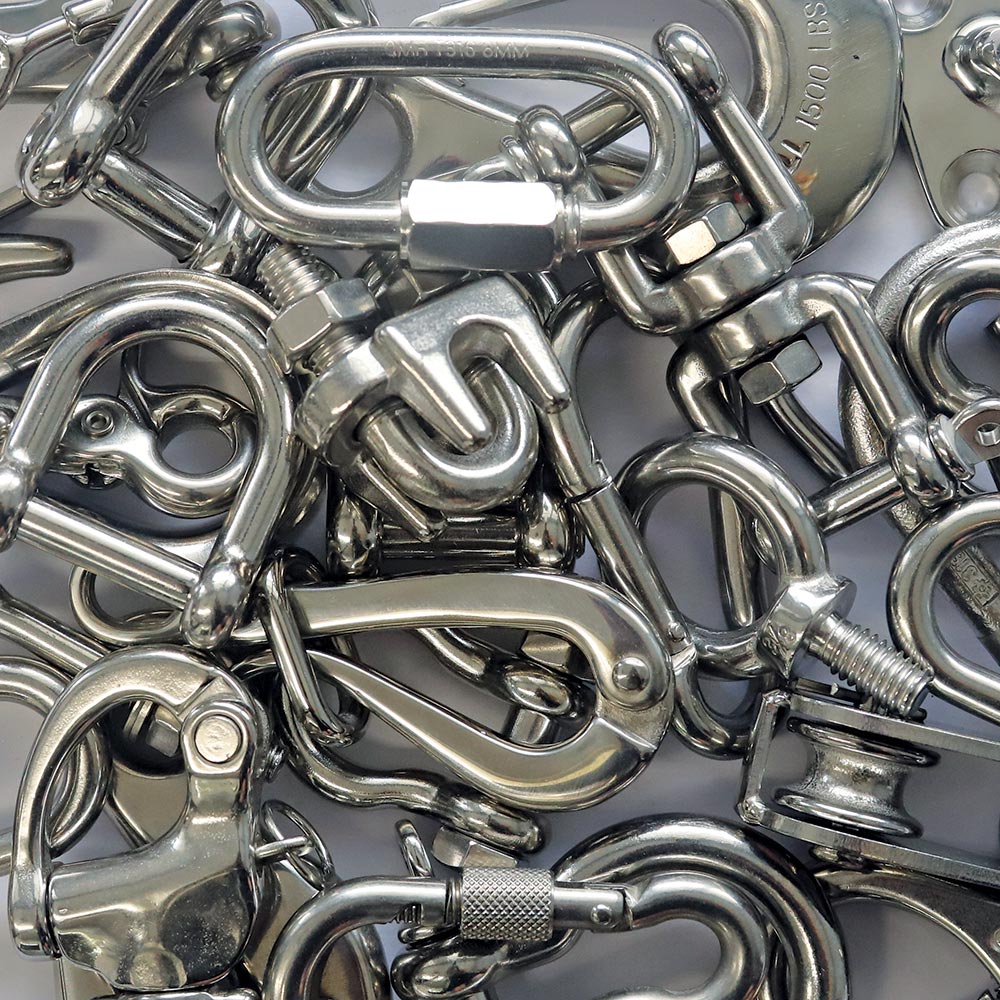
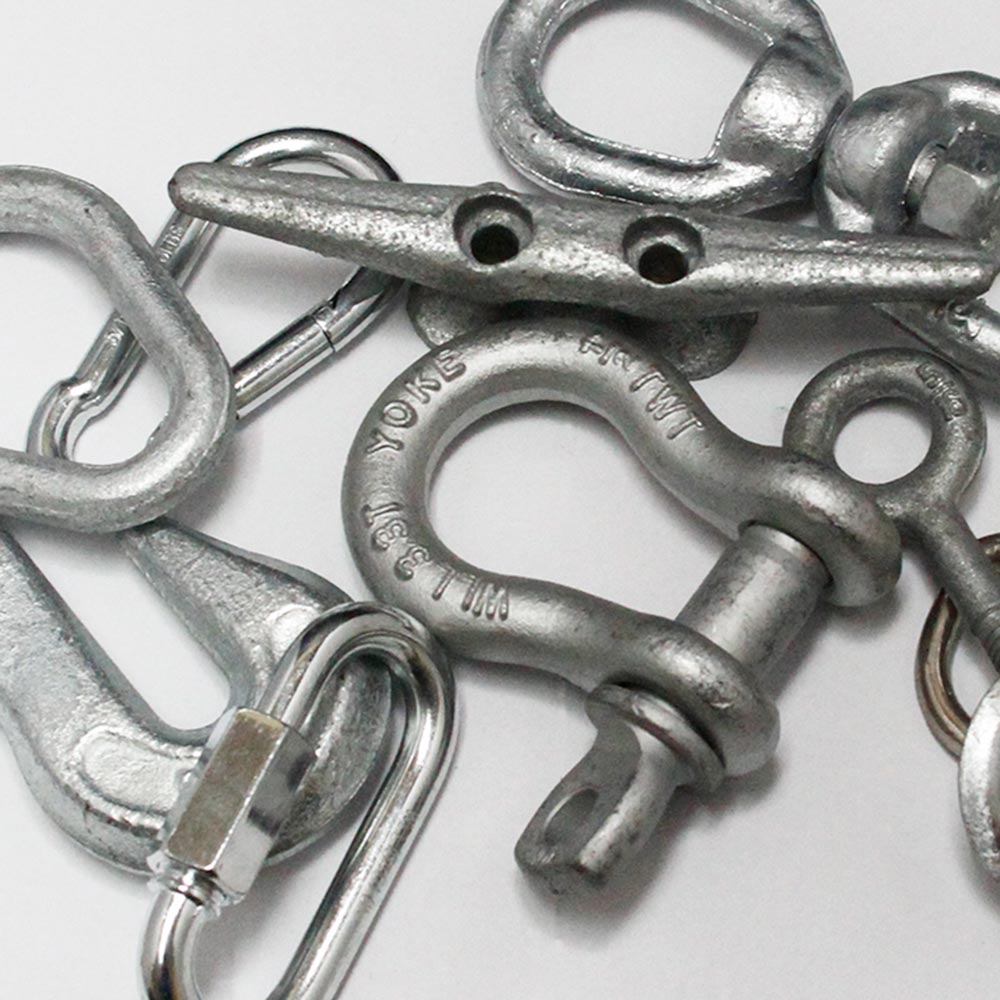
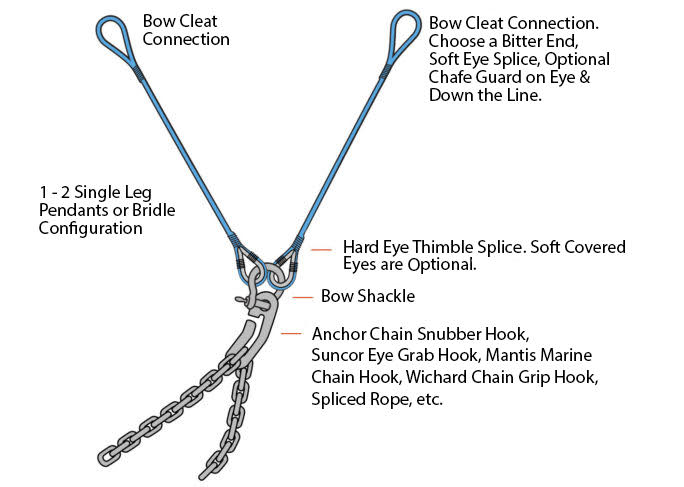
Hardware Integration: Quality snubber systems require proper hardware for secure attachment to chain rodes. Chain hooks, soft shackles, or specialized connectors must withstand working loads without creating stress concentrations that could cause premature failure.
Installation and Deployment Techniques
Proper snubber deployment requires systematic procedures that ensure optimal performance while maintaining safety margins. The process begins after the anchor is set and the vessel has settled into its anchoring position.
Initial Setup: Once the anchor is set, attach the snubber line to the chain at an appropriate distance from the bow. The attachment point should allow adequate scope while positioning the snubber connection for easy retrieval.
Load Transfer: Gradually ease out additional chain while simultaneously taking up slack on the snubber line. The goal is to shift the vessel’s weight onto the snubber so it carries normal loads while the chain provides backup security.
Maintenance and Inspection Protocols: Snubber lines face demanding service conditions that require systematic maintenance and inspection routines. Unlike primary anchor rode components that may see occasional use, snubbers work continuously while anchored, subjecting them to constant loading cycles and environmental exposure.
Visual Inspection: Regular visual checks identify fraying, chafe damage, or UV degradation that could compromise snubber integrity. Pay particular attention to attachment points and areas where the line contacts hardware.
Load Testing: Periodic load testing verifies snubber strength and stretch characteristics. Lines that have lost elasticity or show reduced strength should be replaced before they fail in critical situations.
Hardware Assessment: Inspect chain hooks, shackles, and connection hardware for wear, corrosion, or deformation. Replace questionable hardware before it fails and damages the snubber line.
Bridle Systems for Enhanced Performance
For larger vessels or demanding conditions, bridle systems with two snubbers perform better than single-line setups.
Load Distribution: Two lines share the load, reducing stress on each and providing smoother vessel movement.
Directional Stability: Bridles stabilize the vessel’s heading by spreading load across multiple points, reducing yaw and improving comfort at anchor.
Selection Criteria and Quality Considerations
Choosing the right snubber requires understanding the demands of anchoring. Quality snubber lines offer UV resistance, proper stretch characteristics, and strength ratings that meet safety margins.
Working with experienced rope manufacturers like American Rope ensures access to purpose-built snubbers designed for anchoring. These perform better than general-purpose rope, which may lack the properties needed for shock absorption.
Conclusion
Snubber lines are a critical but often overlooked part of professional anchoring systems. Their ability to convert damaging shock loads into manageable forces protects equipment, improves safety, and greatly enhances comfort. For vessels using chain rode systems, snubber lines are not optional accessories; they are essential to safe, reliable anchoring in demanding conditions.
Investing in proper snubber lines and hardware reduces wear, improves security, and increases crew comfort. Mariners who understand their function and use proper deployment techniques consistently achieve better performance and avoid failures caused by inadequate shock absorption.
Contact Us to learn more about selecting the right snubber lines and hardware for your vessel or for guidance on proper deployment and maintenance.