Innovation in marine rope manufacturing often comes from real-world challenges faced by boat owners and commercial operators. When traditional solutions fall short, custom engineering provides answers that standard products cannot. At American Rope, we recently developed a solution for a customer whose unique docking conditions were destroying conventional chafe protection. The result is our first heavy-duty plastic chafe guard system, already proving effective in demanding marine environments.
The Challenge: When Standard Protection Isn’t Enough
The marine environment presents countless variables that can defeat even well-selected equipment. Our customer faced a situation where dock pilings were destroying every type of chafe protection they tried. Traditional leather guards, textile covers, and even heavy-duty rubber protection were wearing through quickly, leaving expensive dock lines exposed to abrasion.
This problem is not unusual. Concrete pilings, rough wood, barnacle-covered surfaces, and metal dock hardware all present abrasion challenges that can quickly compromise rope integrity. What made this case unique was the severity of abrasion and the customer’s operational requirements, which demanded a completely different approach.
Engineering the Solution: Heavy-Duty Plastic Chafe Protection
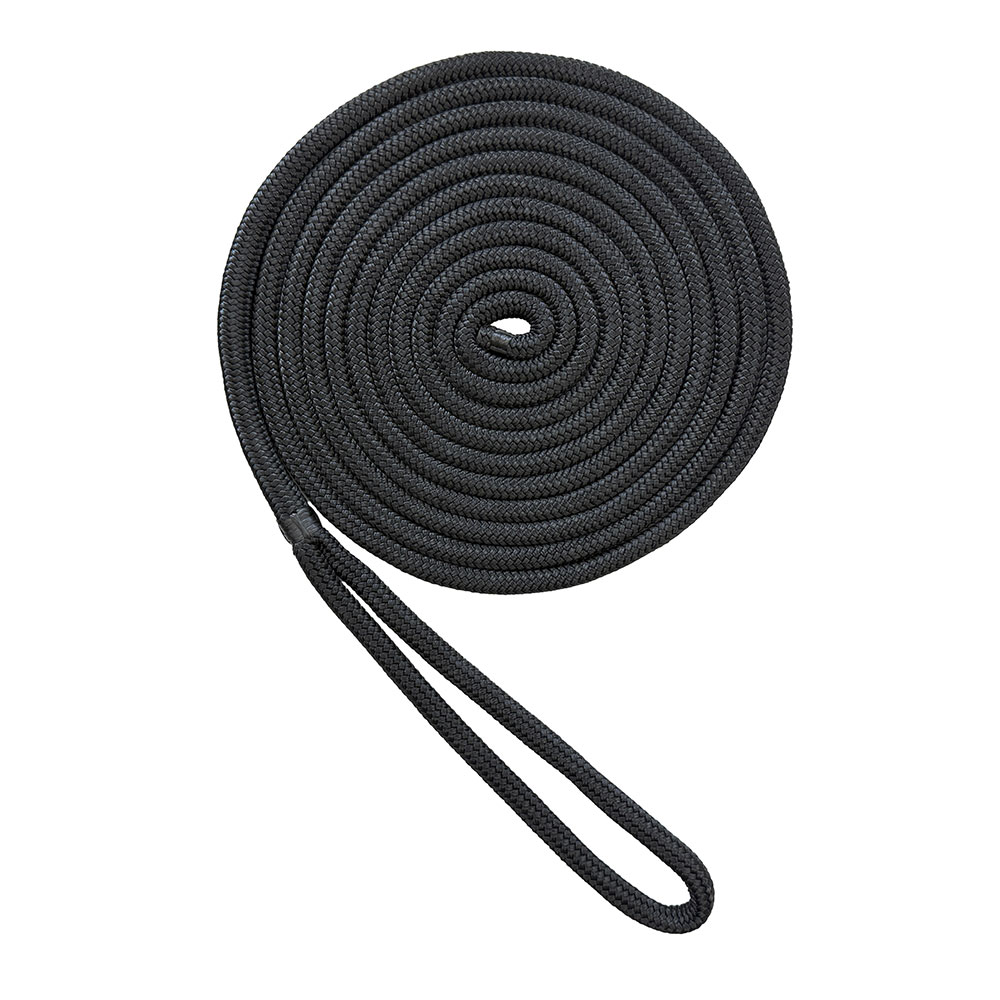
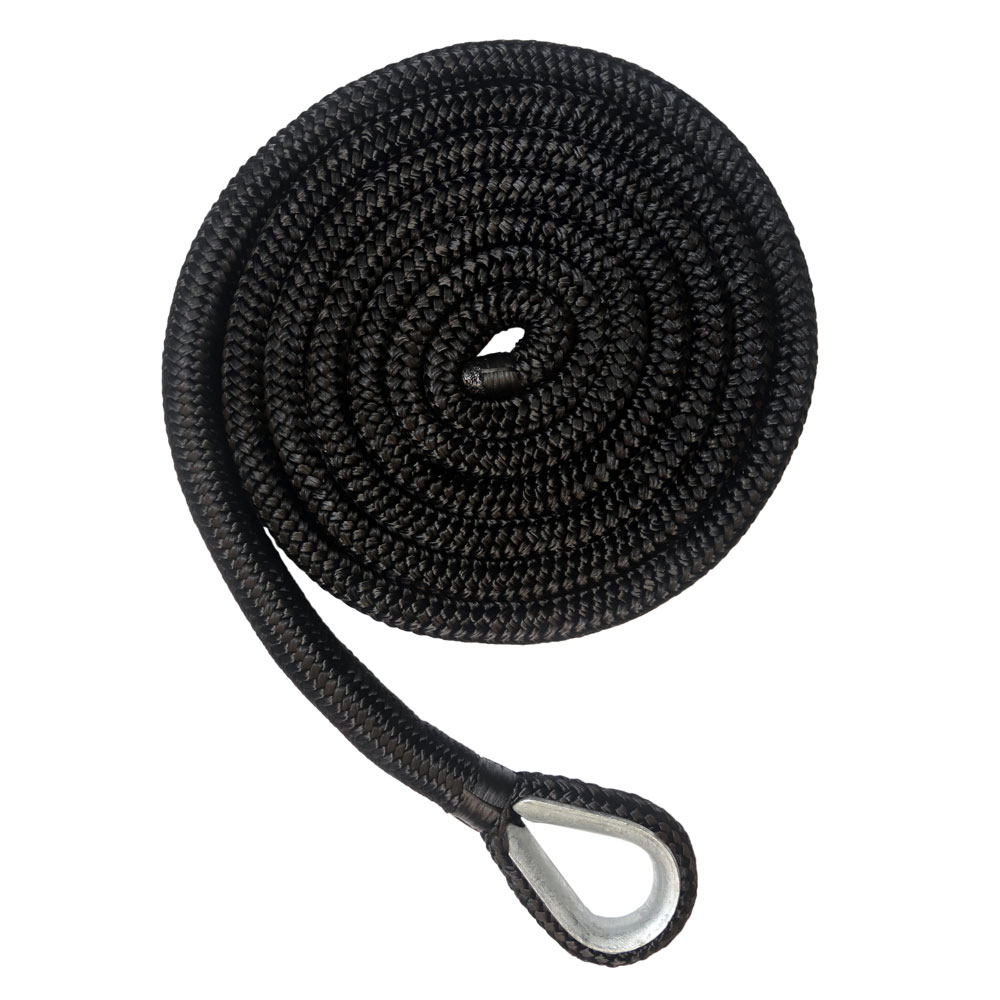
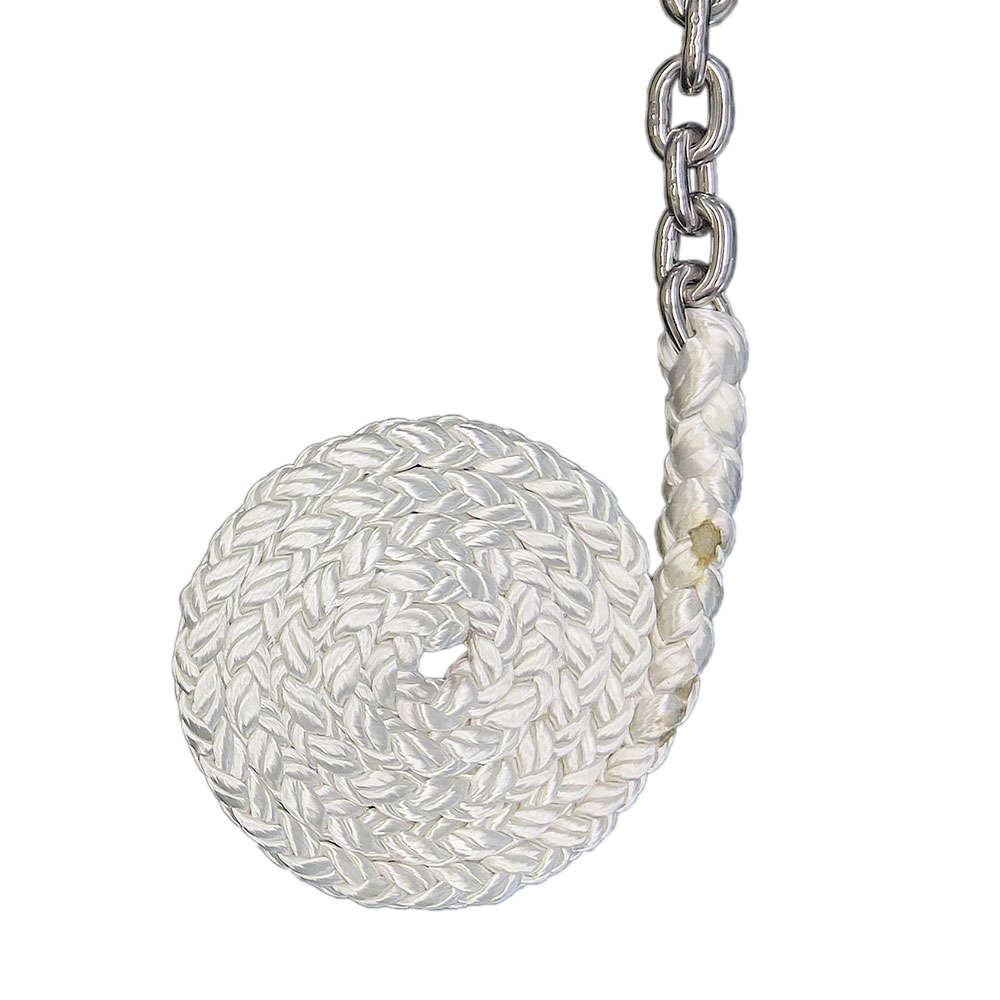
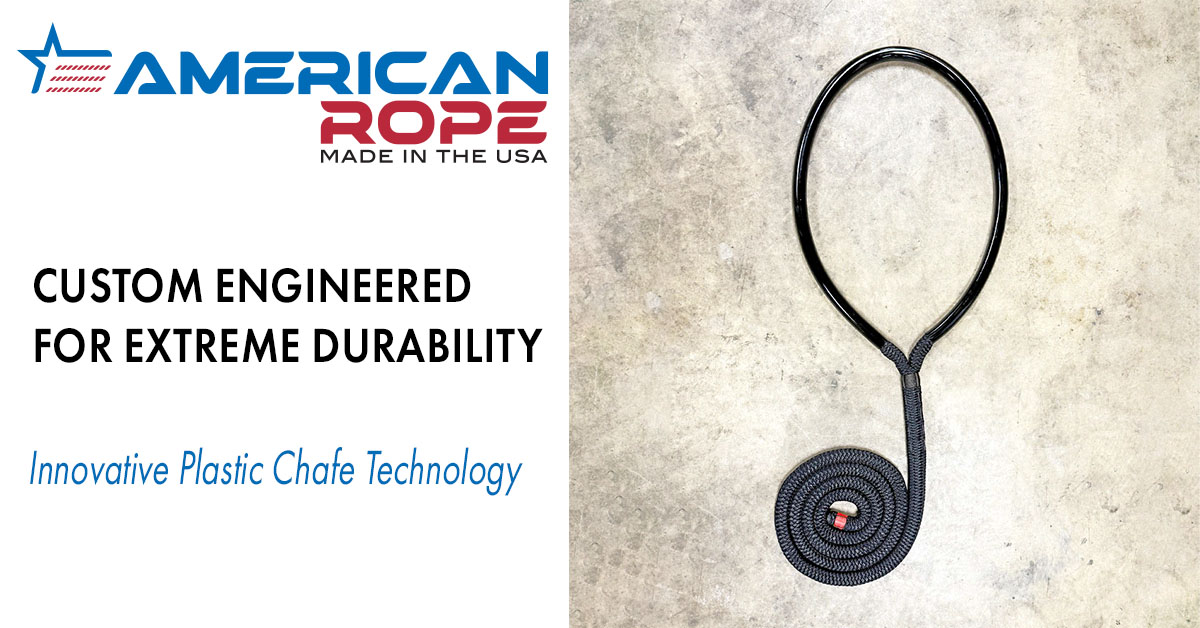
American Rope worked directly with the customer’s specifications. Our engineering team designed a custom heavy-duty plastic chafe guard system for their 1-1/4″ diameter double braid nylon rope. This required rethinking how chafe protection integrates with modern marine lines, not just switching materials.
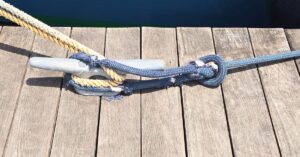
The solution uses a rigid, high-density plastic tube that fully encases the eye splice and extends past the throat area. Unlike flexible guards that compress and allow contact with the rope, this guard maintains its shape and creates a smooth, hard surface that deflects abrasion.
Material Selection and Properties: The plastic offers key advantages over traditional materials. Its high-gloss finish creates a smooth surface that reduces friction. Its hardness prevents compression under load, maintaining protection even under tension. The material is also resistant to UV exposure, water absorption, and biological fouling.
Integration Challenges: Integrating rigid protection with rope construction required careful design to maintain smooth load distribution and accommodate the eye splice without affecting performance.
Real-World Performance and User Feedback
The true test of any marine equipment innovation comes through extended use in actual operating conditions. Our customer’s experience provides valuable insights into both advantages and areas for potential refinement.
Durability Performance: The system has exceeded expectations in resisting chafe damage. The customer reports significantly better durability than leather guards, resulting in reduced maintenance and improved safety margins.
Handling Characteristics: The line’s performance in actual docking operations has been notably positive. The customer reports that line handling and operation have become “much smoother and easier,” indicating that the protection system hasn’t compromised the rope’s fundamental handling characteristics. This is crucial for marine dock lines where ease of handling can be critical during challenging docking situations.
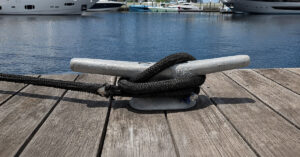
Break-in Period Considerations: Like many marine products, the new chafe protection system requires a break-in period. The customer noted that the line initially slips slightly on bollards but expects this to improve as the system wears in. This temporary characteristic is common with new marine equipment and typically resolves as surfaces develop optimal grip texture.
Aesthetic and Practical Considerations
The high-gloss black finish presents both advantages and unexpected considerations. While the glossy surface contributes to effectiveness by reducing friction, it creates a distinctly different appearance compared to traditional leather protection.
Visual Impact: The customer noted that the glossy black appearance was unexpected, creating visual contrast with their existing leather-protected lines. While functionality is unaffected, this highlights the importance of considering aesthetic integration when developing custom solutions for vessels where visual consistency matters.
Paint Protection Concerns: Occasional contact between the rigid guard and painted surfaces has raised concerns about marking. The customer is considering slight length adjustments to improve clearance, underscoring the iterative nature of custom engineering.
Design Optimization Based on Field Experience
Real-world use has revealed refinements for future iterations.
Eye Size Optimization: The customer plans to specify a slightly smaller eye diameter for future orders based on their Michigan docking setup. They noted that the larger eye works well with pilings that have attached hardware.
Splice Stiffness Considerations: The splice area exhibits some stiffness typical of heavily protected splices. While this does not affect safety or basic function, it influences handling in certain applications.
Applications and Market Potential
The success of this system suggests broader applicability across the marine industry. Rope suppliers and rope manufacturers like American Rope are increasingly asked to solve specialized problems beyond standard offerings.
Commercial Applications: Heavy-duty operations involving rough or fouled dock structures are strong candidates. Tugboats, barges, and commercial fishing vessels often face similar failures with standard chafe protection.
Recreational Marine Applications: High-end recreational vessels using challenging docking facilities could benefit as well. The combination of durability and a professional appearance is attractive for performance and aesthetics.
Technical Implementation Considerations
Implementing this protection system requires attention to several technical factors.
Load Distribution: The rigid design changes how loads distribute through the eye splice area. Proper engineering ensures no stress concentrations develop that could compromise strength.
Installation Integration: Unlike flexible chafe protection added after rope construction, rigid protection must be integrated during the splicing process, requiring coordination between rope fabrication and guard production.
Conclusion
Heavy-duty plastic chafe protection shows how custom engineering can address marine challenges that standard products cannot solve. By collaborating closely with customers to understand their operational needs, manufacturers can create solutions that deliver superior durability and performance.
This project’s success, demonstrated by improved durability, better handling, and high customer satisfaction, validates the use of custom engineering for specialized marine applications. While refinements were made through field feedback, the final result provides protection that far outperforms conventional options.
For marine operators facing similar abrasion challenges, this case study shows the value of partnering with rope manufacturers capable of custom solutions. Innovative materials, detailed engineering, and iterative refinement based on real-world use produce equipment that meets the demands of modern marine operations.