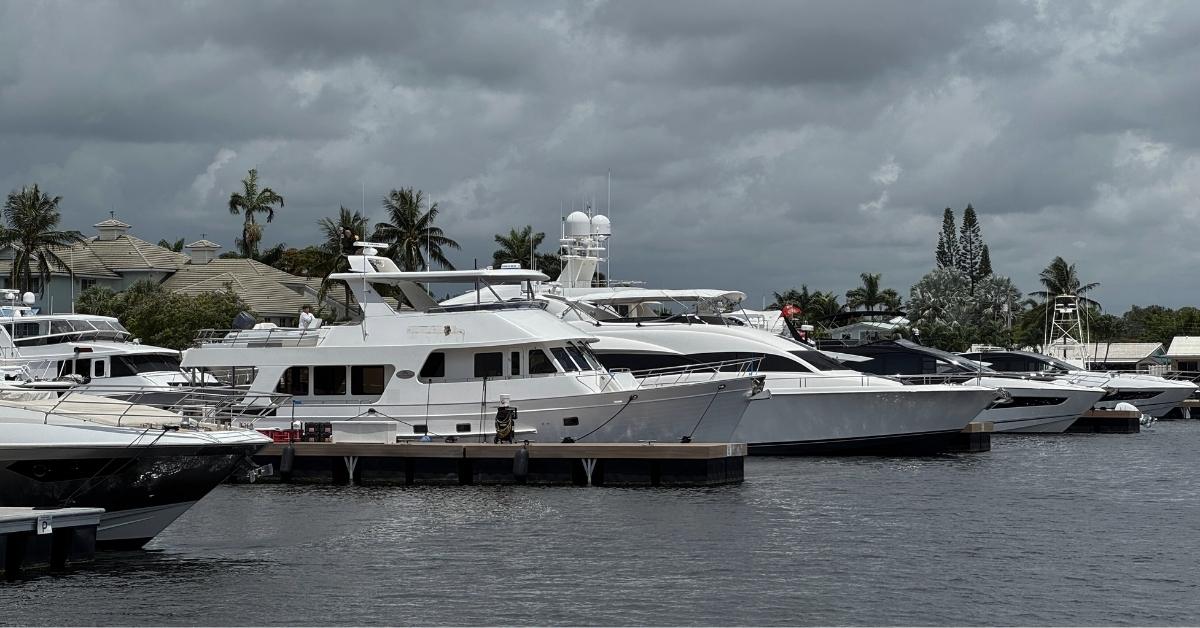
When a hurricane is approaching, securing your boat is one of the most critical steps to prevent catastrophic damage. While everyday docking techniques keep your vessel safe in normal conditions, hurricane tie-ups require a completely different approach. The forces during severe weather events are far beyond what your standard dock setup can handle, making preparation essential.
At American Rope, we know that protecting your boat during a storm starts with using the right equipment and techniques. Our premium marine lines, including double braid dock lines, are designed to withstand extreme weather and keep your vessel secure when it matters most.
Understanding Hurricane Forces
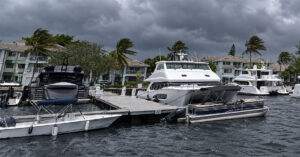
Hurricanes subject boats and docks to extreme conditions. Winds can exceed 100 mph, causing boats to shift violently. Heavy rain and storm surges dramatically raise water levels, altering line angles and putting immense pressure on cleats, pilings, and lines. These forces go far beyond those experienced during regular docking, making it crucial to plan for redundancy and shock absorption.
Key Hurricane Tie-Up Techniques
Doubling Your Lines
A single dock line may suffice on a calm day, but during a hurricane, redundancy is critical. Doubling your lines increases strength, distributes the load, and provides a safety backup if one line fails.
When doubling, focus on securing:
Bow and Stern Lines: Use two lines per cleat for added strength.
Spring Lines: These help control fore-and-aft movement. Adding extras creates a stronger web of security.
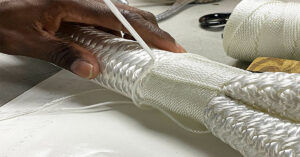
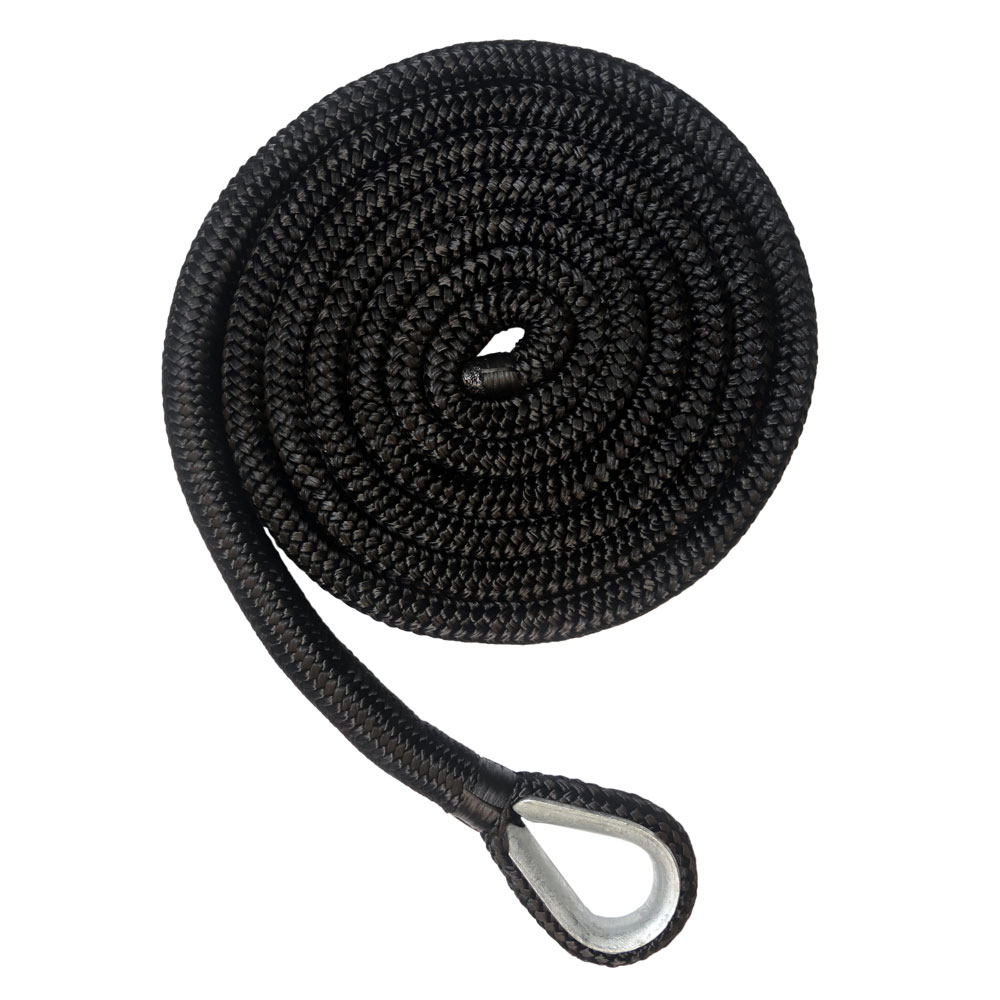
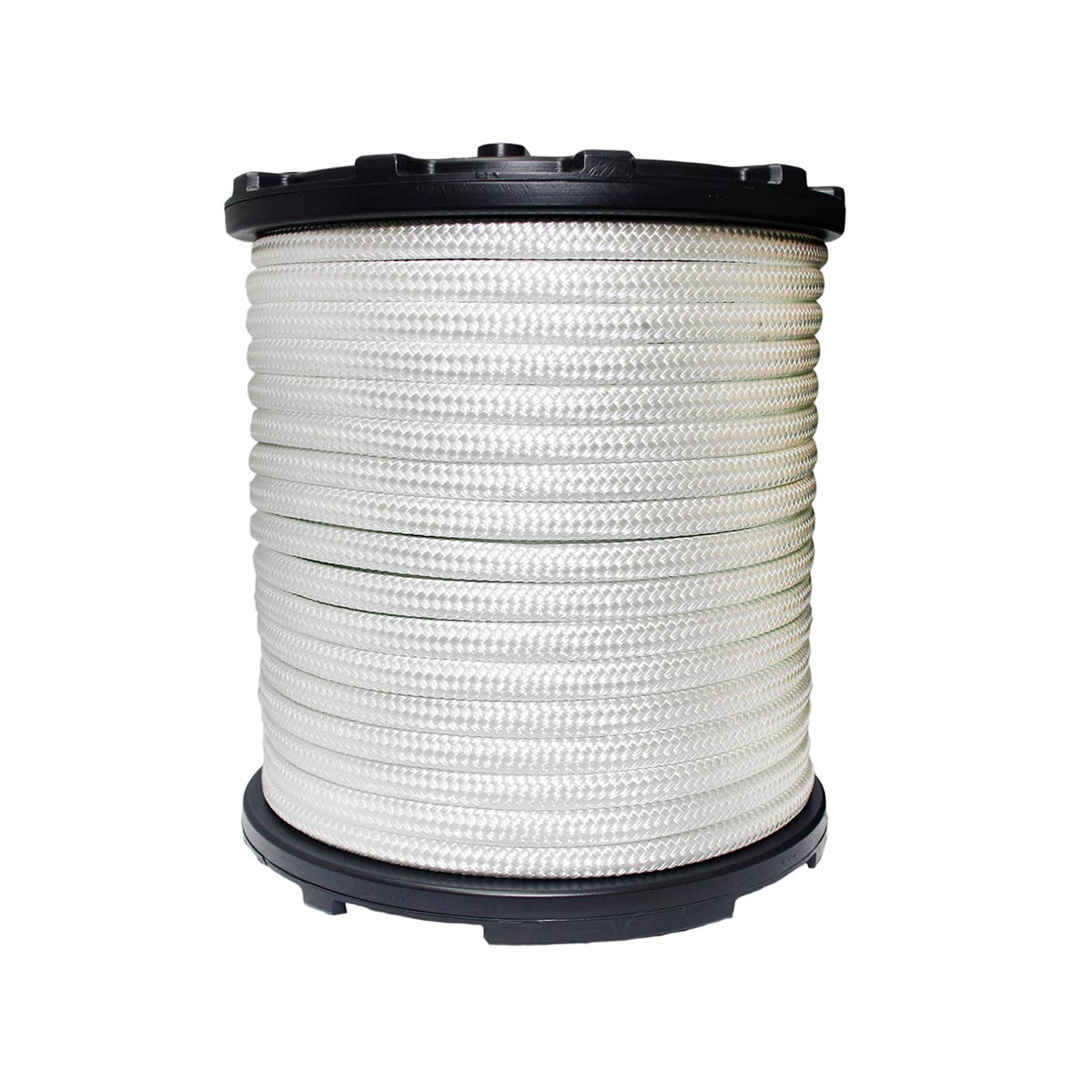
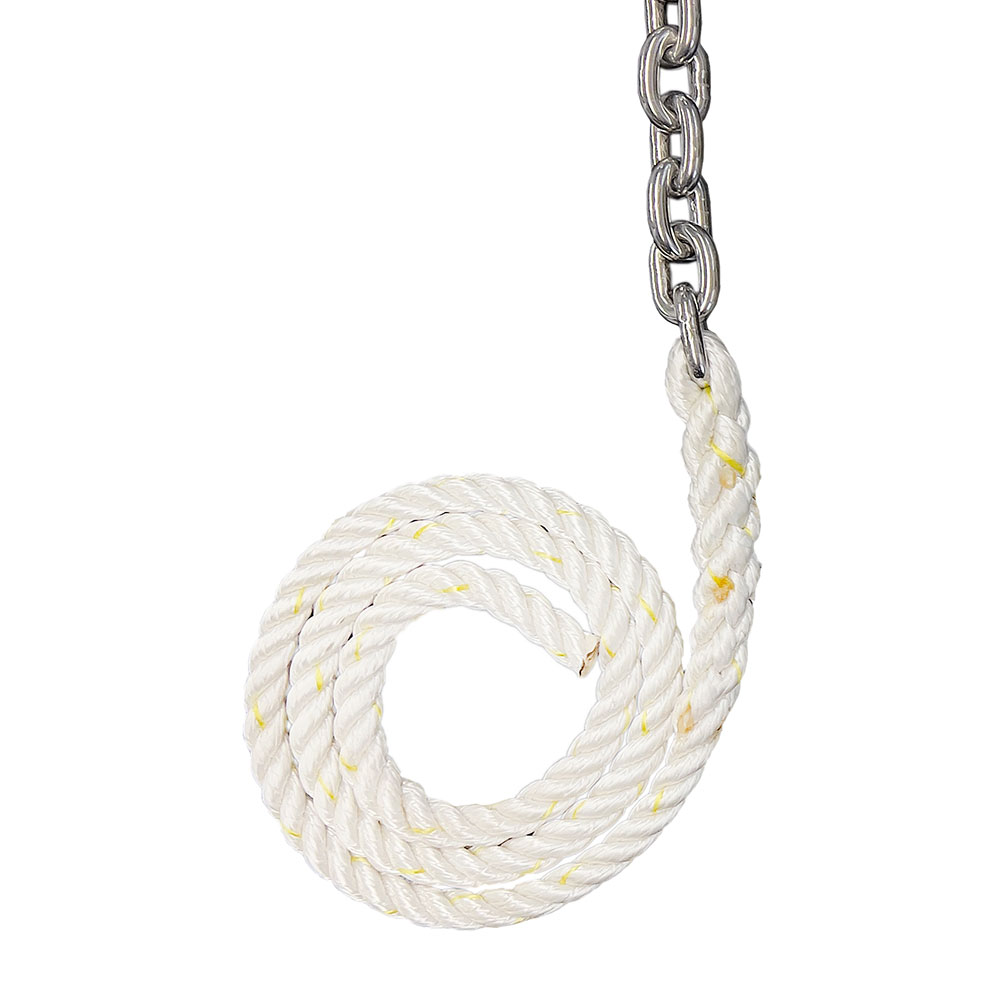
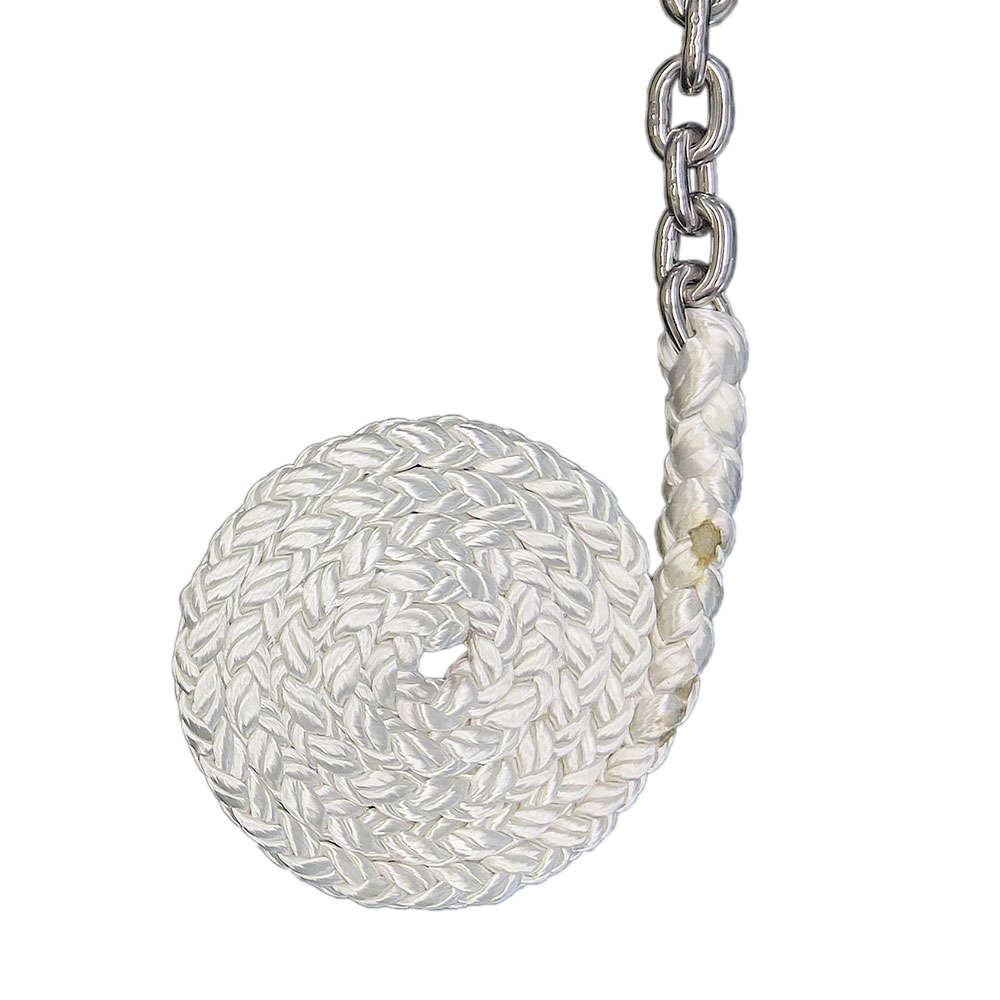
Ensure each line is properly sized and made from a high-quality material like double braid dock lines, which offer excellent flexibility, strength, and shock absorption in severe weather conditions.
Cross-Tying for Stability
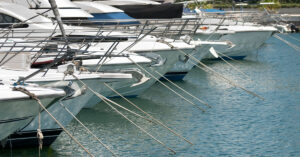
Cross-tying (fanning out lines) distributes the boat’s load in multiple directions, helping keep it centered in the slip. This prevents the vessel from slamming into the dock or neighboring boats during strong winds and rising water levels. American Rope recommends using long, angled lines to allow for movement without excessive strain. .
Chafe Protection
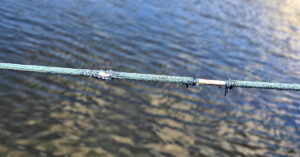
Chafe is one of the biggest threats during hurricanes. As boats shift under high winds and surge conditions, lines rub against cleats, pilings, and hardware, wearing down fibers rapidly. Even premium marine ropes can fail without proper protection.
Apply heavy-duty chafe guards anywhere lines contact:
-
- Rails or chocks.
-
- Pilings
-
- Cleats on both boat and dock
Preventing chafe ensures your tie-up system holds throughout the storm’s duration.
Essential Gear for Hurricane Tie-Ups
Having the right gear makes preparation faster and more reliable:
High-Quality Dock Lines: Use marine-grade lines with the correct diameter and length for your vessel. Double braid dock lines are ideal for superior shock absorption and durability under heavy loads.
Fenders and Fender Boards: Shield your boat from impact against pilings, docks, or other vessels.
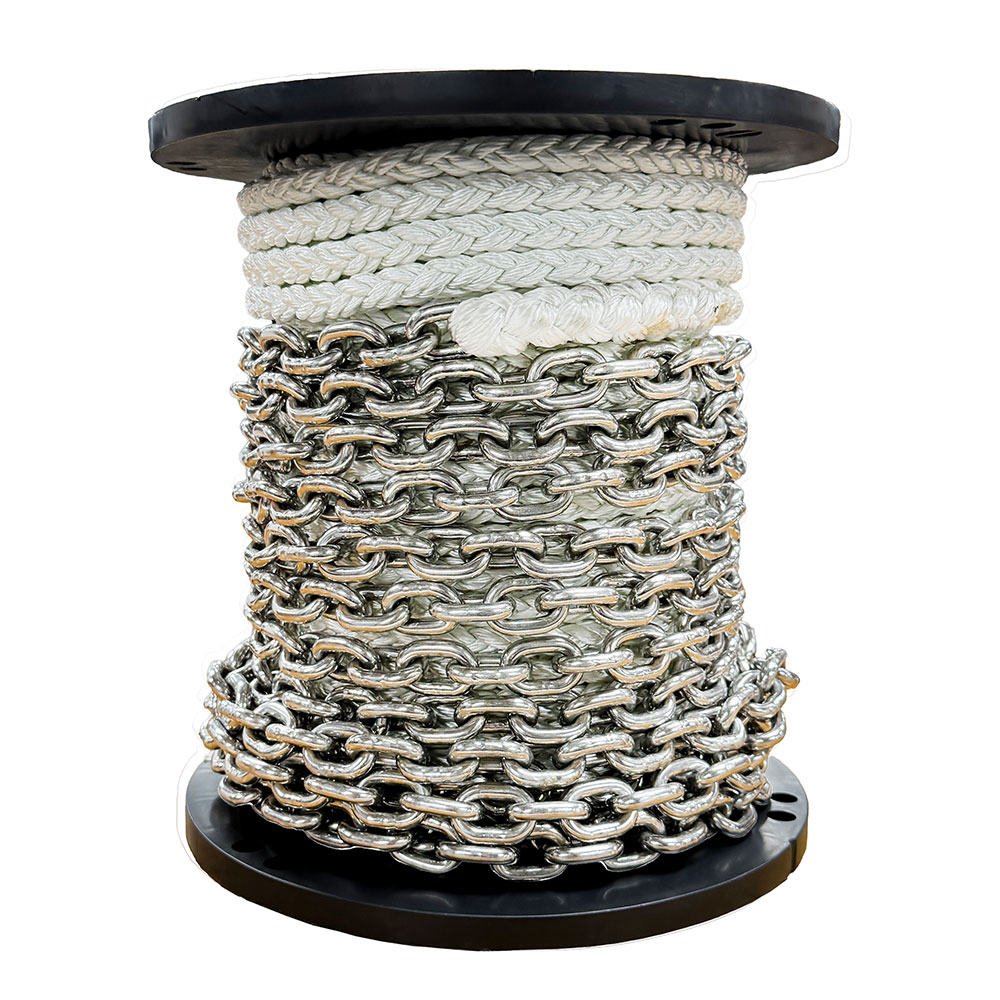
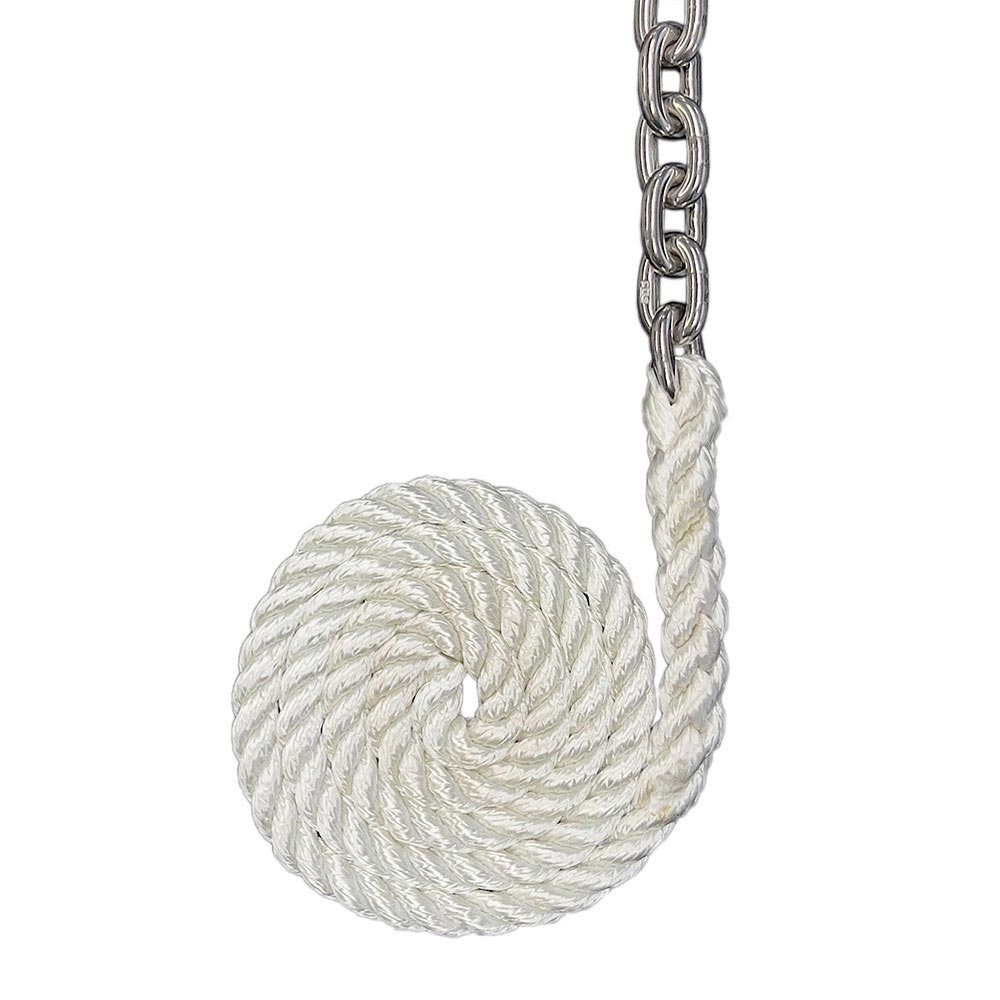
Anchors and Anchor Rodes: A secondary bow anchor add stability in open slips or exposed marinas.
Pre-Hurricane Line Checklist
Before a storm arrives:
-
- Inspect all lines for signs of wear, fraying, or damage.
-
- Double up bow, stern, and spring lines for maximum security.
-
- Add chafe protection to all high-friction areas.
-
- Use extra spring lines to reduce side-to-side movement.
-
- Check the strength of cleats, pilings, and hardware
A thorough setup can mean the difference between a few post-storm adjustments and major repairs, or even losing your boat entirely.
Why Specialized Hurricane Tie-Ups Matter
Everyday docking practices won’t withstand hurricane conditions. High winds, surging water, and unpredictable movement demand a stronger, smarter system. Doubling and cross-tying your lines, using quality double braid dock lines, and applying chafe protection give your boat the best chance of surviving extreme weather conditions.
At American Rope, we specialize in premium marine lines designed for strength, flexibility, and durability. When storms threaten, trust our products and expertise to help you secure your vessel with confidence contact us to learn more or find the right gear for your needs.
FAQ
Q1: What’s the difference between hurricane tie-ups and everyday docking?
Everyday docking handles calm or moderate conditions. Hurricane tie-ups are reinforced with doubled lines, cross-tying, chafe protection, and longer line angles to manage intense wind, surge, and strain on the boat and dock.
Q2: Why are double braid dock lines recommended for hurricane tie-ups?
Double braid dock lines offer superior strength, stretch, and shock absorption. They reduce strain on cleats and pilings during high winds and surges, making them ideal for extreme weather.
Q3: How many lines should I use to secure my boat during a hurricane?
At minimum, double all critical lines bow, stern, and spring lines. Use cross-tying to spread load forces and allow for water level changes. More lines equal more safety.
Q4: What is chafe protection and why is it necessary?
Chafe protection shields your dock lines from abrasion where they rub against cleats, rails, or pilings. Without it, even strong lines like double braid rope can wear through and fail under stress.
Q5: How do I prepare my dock lines before a hurricane?
Inspect each line for wear or damage. Add chafe guards, double up your lines, secure all cleats, and ensure spring lines are in place to prevent excessive side movement.
Q6: Can I leave my boat tied as usual during a hurricane if it’s in a sheltered marina?
No. Even in protected areas, hurricane conditions can cause surge and violent motion. Always reinforce your tie-ups with long, doubled lines and protective gear, regardless of location.