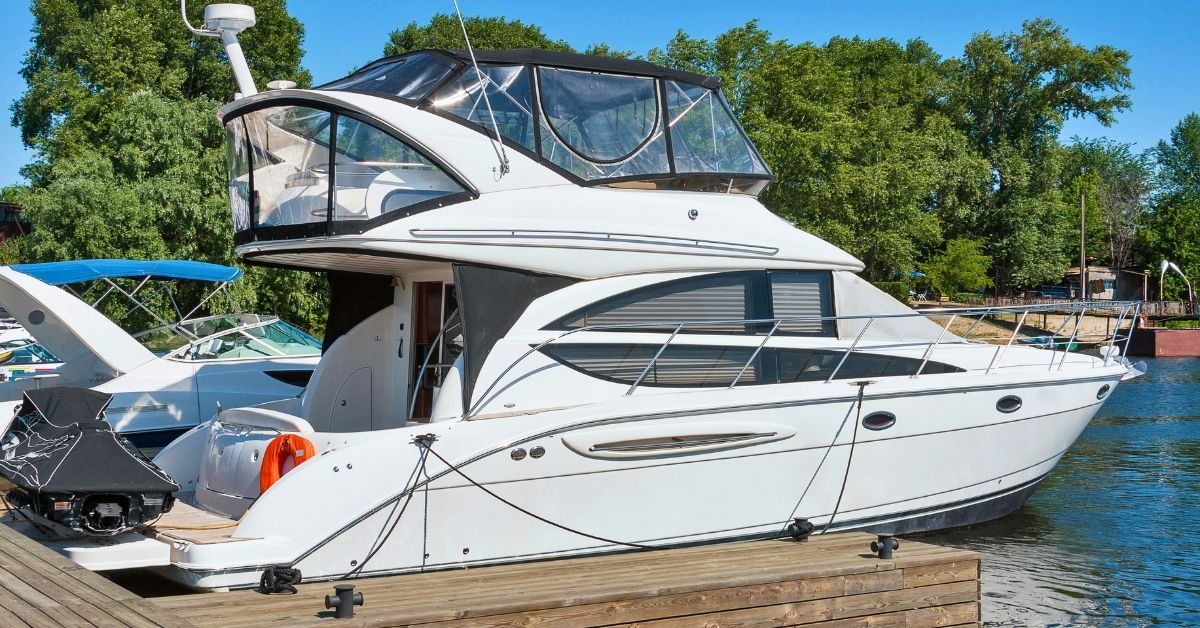
You tied the boat up. You used decent lines. You stepped off thinking the job was done. Then you looked back and the thing was lunging, twisting, bumping, and generally acting like it wanted out of the marina. Annoying? Yes. Normal? Sometimes. Fixable? Usually.
A boat that moves too much at the dock is almost never doing it for just one reason. It’s usually a stack of small problems: bad line angles, the wrong line material, too much slack, too little slack, wake energy, wind, current, tide, and docks that were clearly designed by people who don’t spend time on boats.
Let’s cut through the nonsense.
First: Some Movement is Normal
A floating boat tied to a fixed or semi-fixed structure is going to move. This movement is a natural consequence of physics. Wind pushes on the hull and superstructure. Passing wakes lift and shove the boat. Current pulls the hull one way while the lines resist from another. If the dock floats, both the dock and boat move, sometimes out of sync.
The question isn’t whether the boat moves. The question is whether the movement is controlled.
If your boat is drifting a few inches, easing against fenders, and settling back into place, fine. If it’s surging fore and aft, snapping lines tight, slamming cleats, and grinding fenders flat, you’ve got a setup problem.
The Biggest Culprit: Poor Line Geometry
Most docking problems start with line placement, not line strength.
A lot of owners rely too heavily on short bow and stern lines and ignore spring lines. That’s backward. Bow and stern lines help position the boat. Spring lines control surge, which is the front-to-back motion that causes most of the violent movement at the dock.
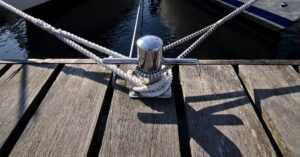
If your boat is jerking forward and backward every time a wake rolls through, you probably need better spring line setup. A forward spring typically runs from the stern area toward a dock cleat forward of the boat. An aft spring runs from the bow area toward a cleat behind the boat. Those opposing angles stop the boat from charging ahead or dropping back.
No springs, or badly placed springs, and the boat becomes a battering ram with paperwork.
Too Much Slack is Bad. So is Too Little.
People love simple advice, so here it is: “Tie it tighter” is wrong about half the time.
Too much slack lets the boat build momentum. Once it starts moving, the lines catch late and hard. That shock load is what makes the boat snatch, bounce, and hammer itself against the dock.
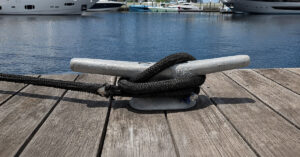
But lines that are too tight create a different problem. The boat loses the ability to rise and fall gently with wake, tide, or chop. Instead, every force transfers straight into the cleats, chocks, and deck hardware. That’s how you get line failure, hardware damage, and the kind of sound that ruins dinner.
Good dock lines are adjusted to limit travel without turning the whole system rigid. That balance matters.
Line Material Matters More Than People Think
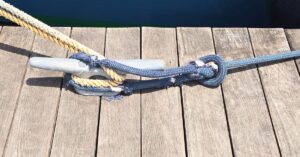
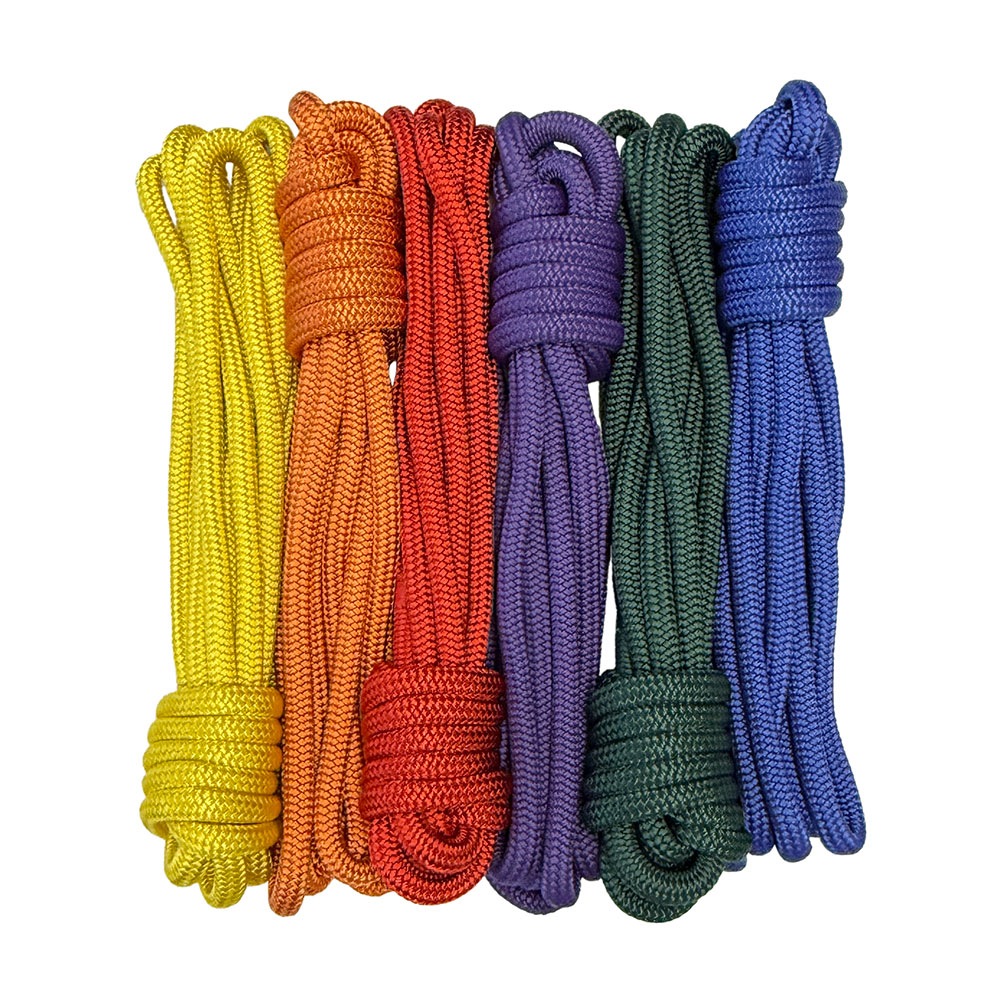
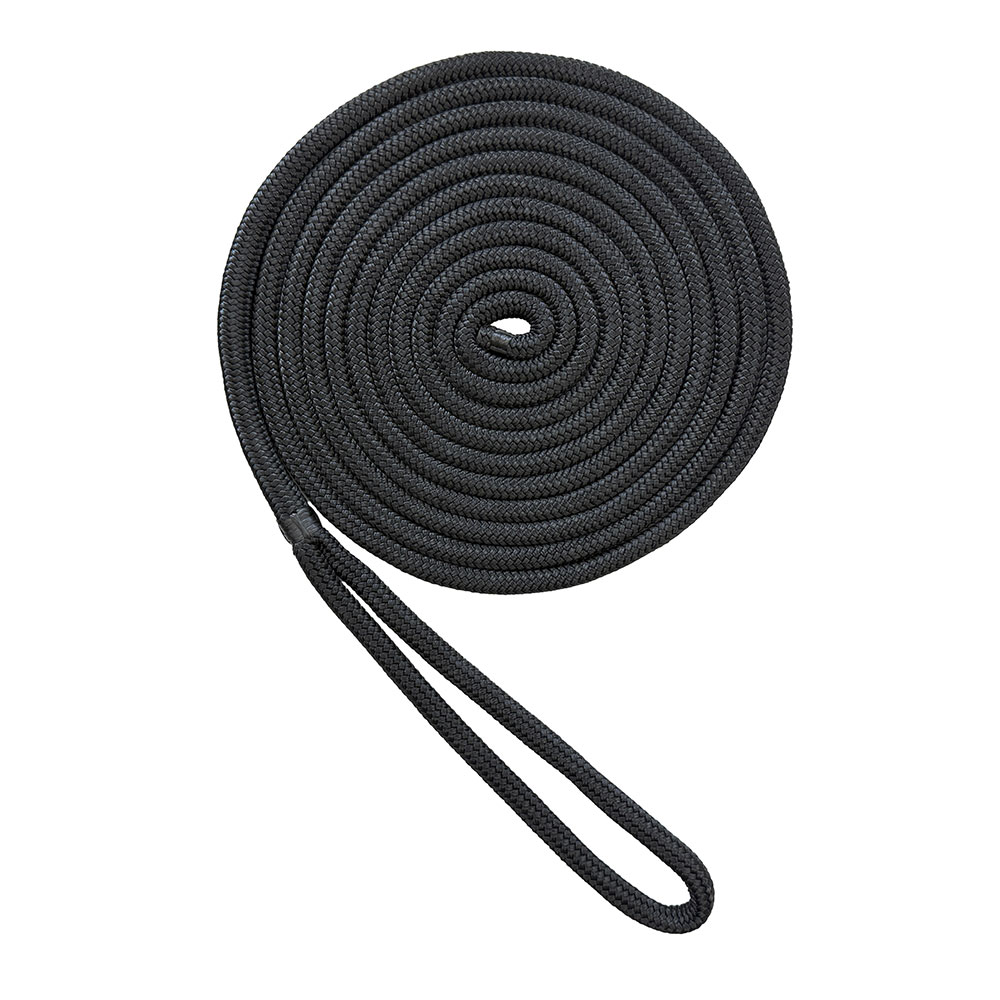
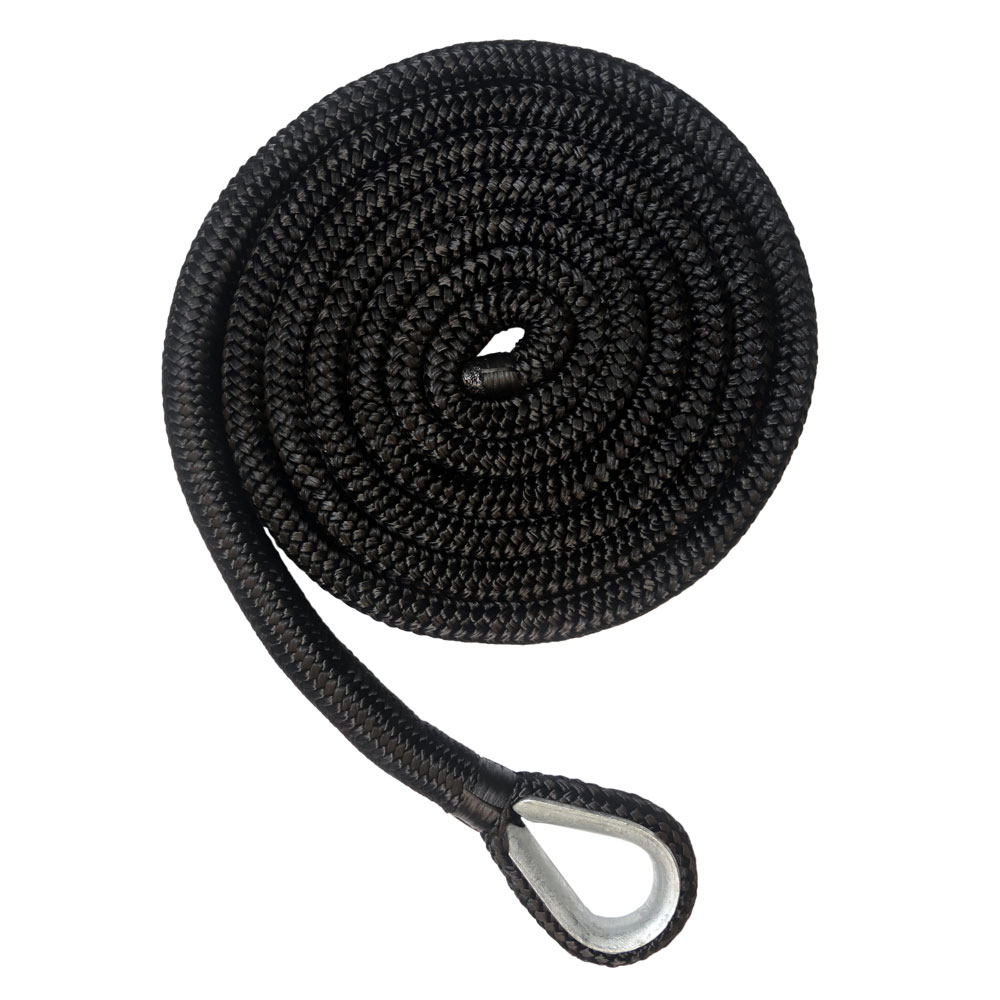
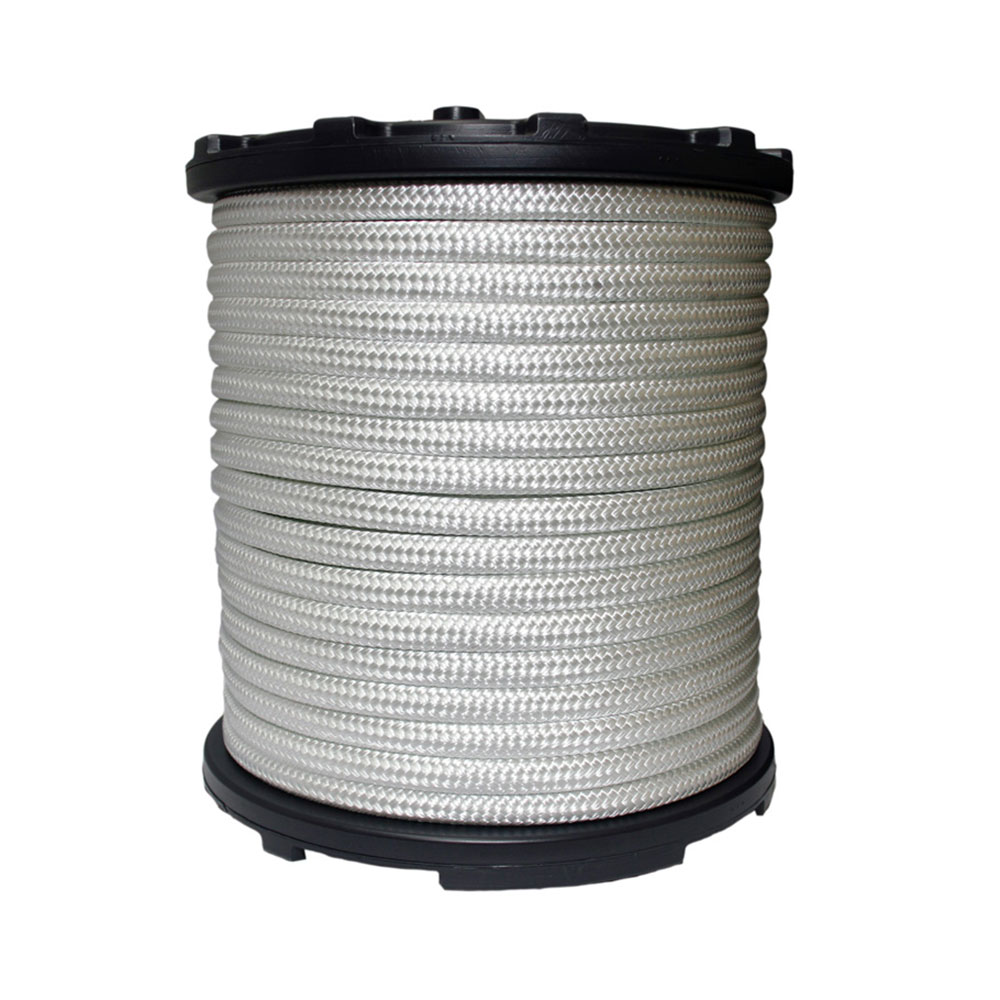
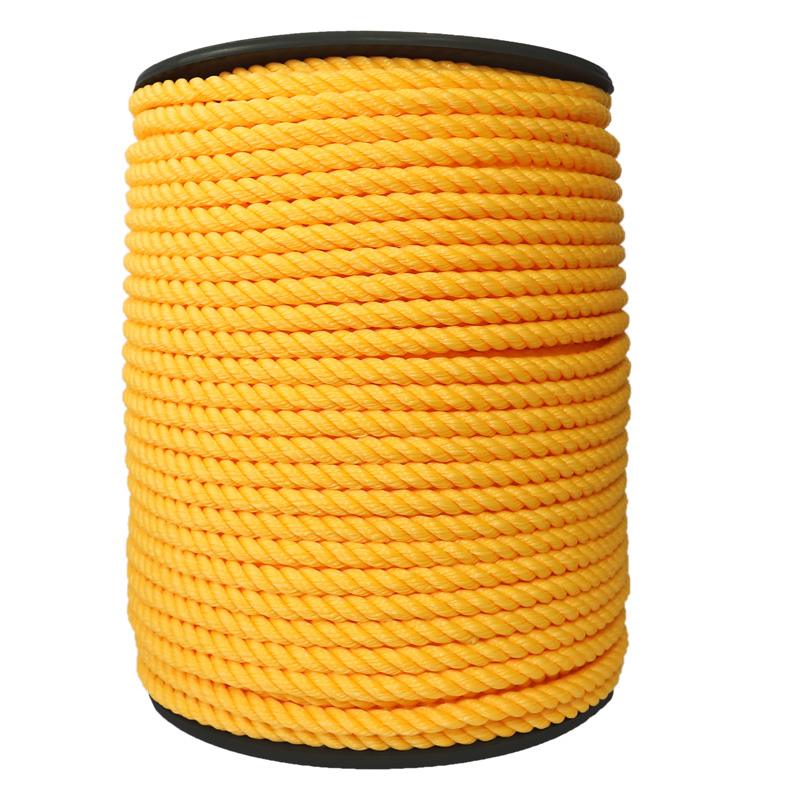
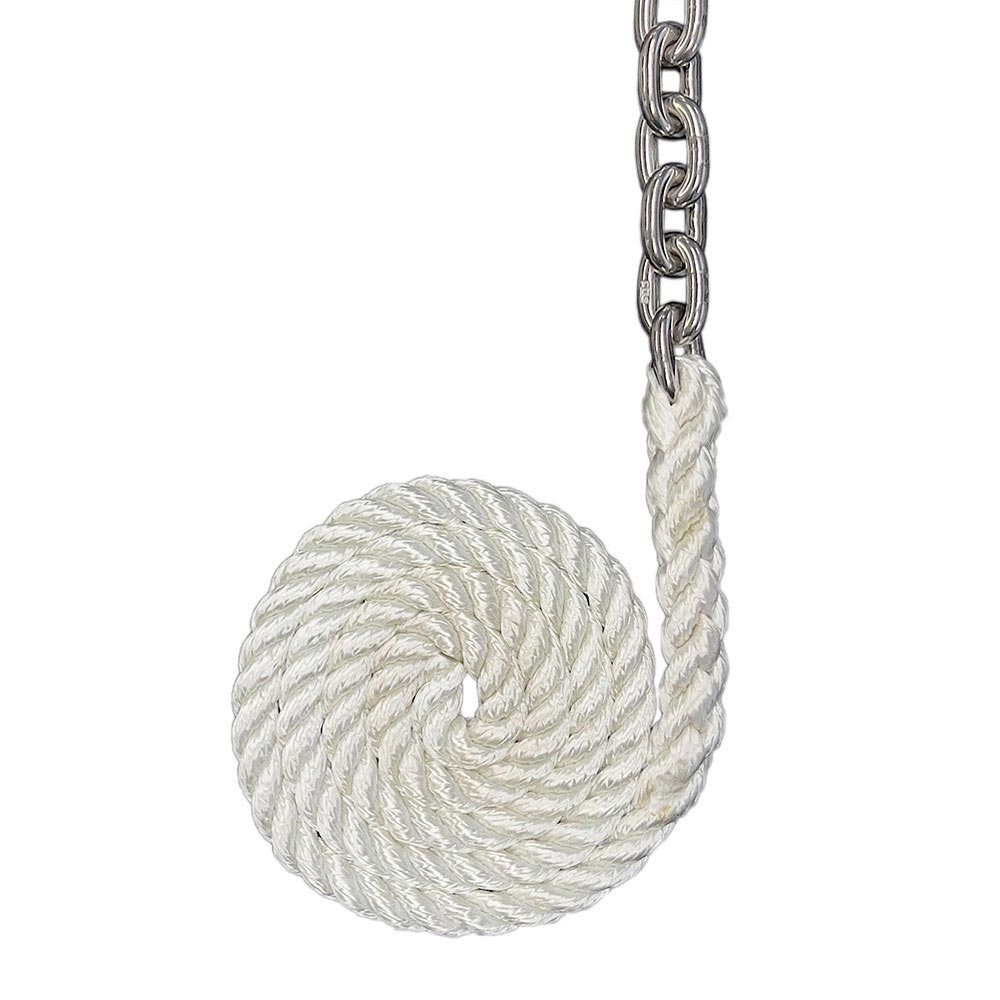
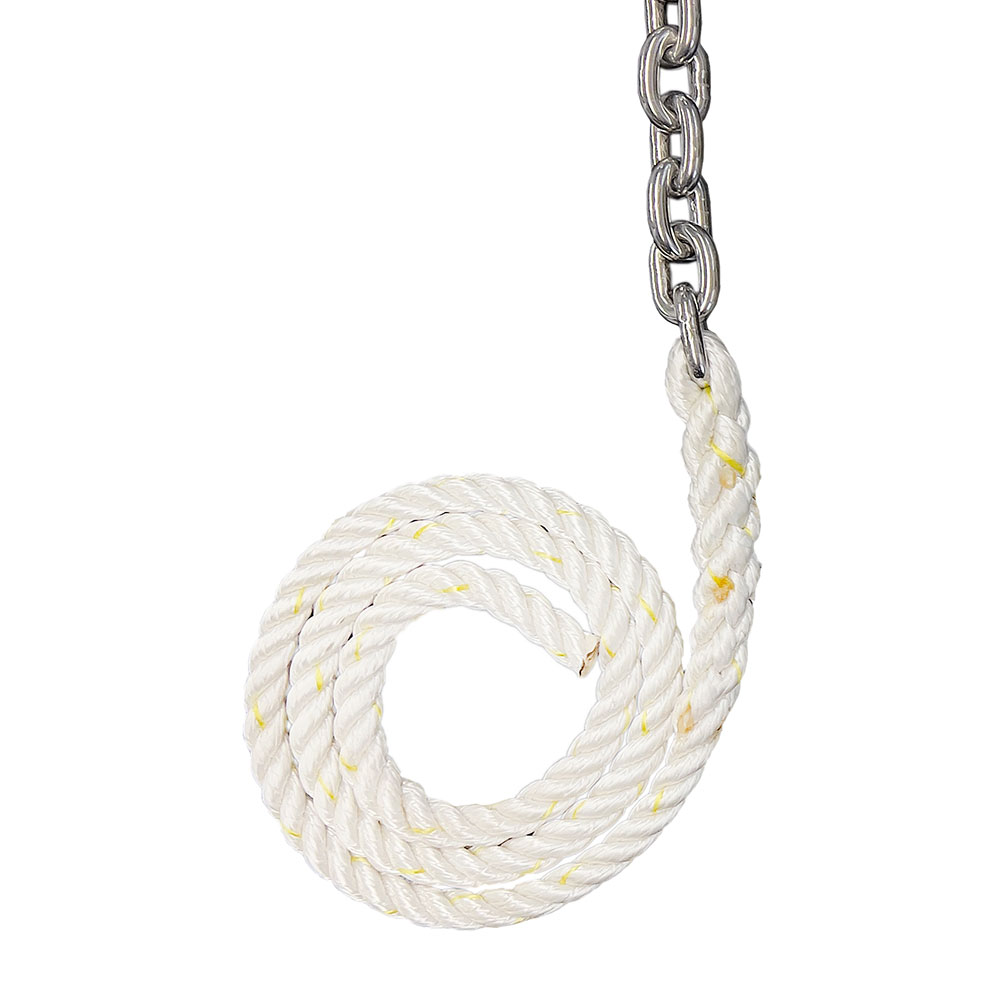
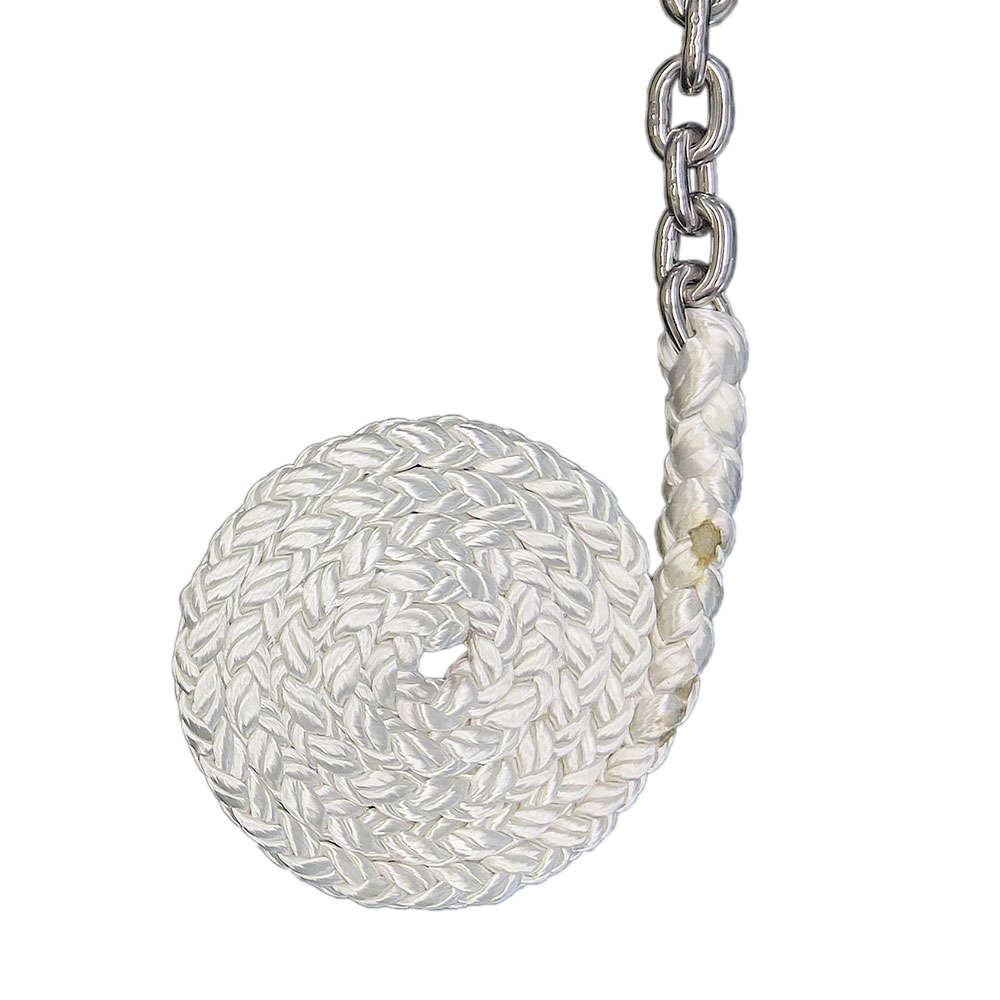
Not all rope behaves the same. Nylon is the standard for dock lines for one reason: it stretches. That elasticity absorbs shock.
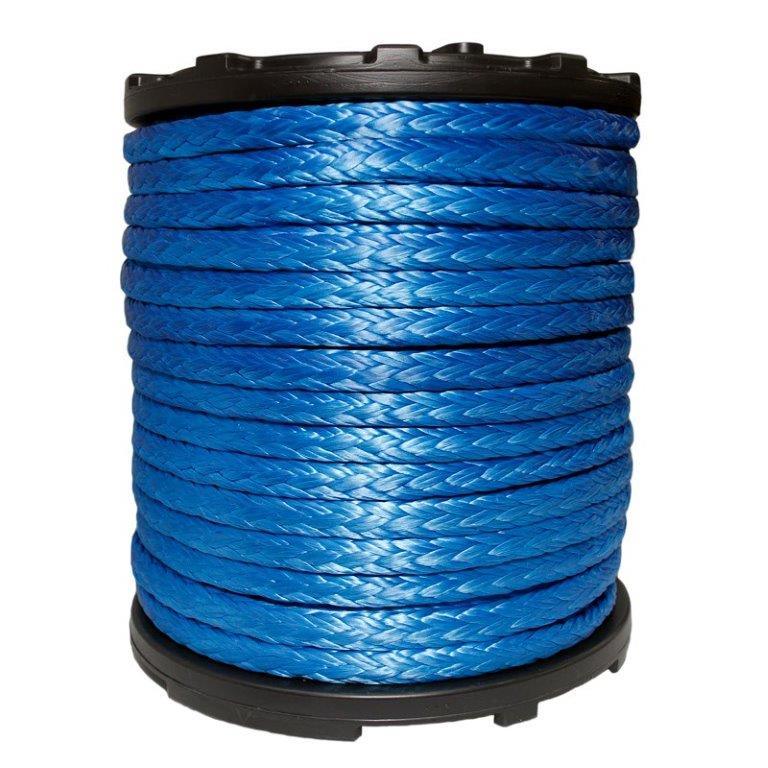
If you’re using old, stiff, sun-cooked lines that have lost their give, the boat will move more violently because the lines aren’t cushioning anything anymore. Same story if somebody used low-stretch rope better suited for other jobs. The strongest rope isn’t always the most appropriate.
And if the marina is especially exposed to boat wake, tidal current, or weekend hero traffic, rubber snubbers or compensators can help absorb surge loads. They’re not magic, and they won’t fix bad line geometry, but they can calm things down.
Wake and Surge: The Marina Problem Nobody Wants to Own
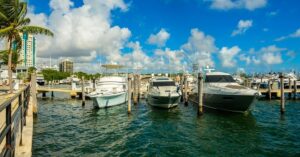
Sometimes your boat moves too much because your docking setup is mediocre. Sometimes it moves too much because the marina is in a bad spot and everyone pretends otherwise.
If your slip is exposed to a channel, fairway, fuel dock traffic, other boats or no-wake-zone violators who believe rules are for other people, then the boat is dealing with repeated energy inputs all day. That shows up as surge, rolling, and sudden side loading against fenders.
You can improve your lines, add spring lines, reposition fenders, and reduce shock loads. But if the slip itself is in a high-energy location, there are limits. Some berths are just lousy. It’s simply being honest to acknowledge this.
Windage is Real
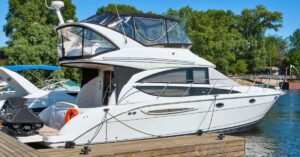
The bigger the topsides, canvas, hardtop, enclosure, or cabin structure, the more the boat behaves like a floating, fully raised sail in the wind.
Strong beam wind can pin the boat against the dock or hold it off the dock, forcing the lines to do all the work. Gusty conditions make it worse because the loads keep changing. High-profile sailboats, trawlers, and cruisers are especially vulnerable, but even smaller boats can dance around if they’ve got enough exposed surface.
If the boat always misbehaves when the wind shifts from one direction, that’s a clue. Your current line setup may only work well in calm conditions or one wind angle.
Tide, Current, and Water Level Changes Complicate Everything
Dock lines set perfectly at noon can be wrong by sunset.
In tidal areas, a boat tied too tightly can hang on a falling tide or get trapped awkwardly on a rising one, depending on the dock type. In a current, the hull may constantly load one set of lines more than the others, which can create weird motion and uneven wear. On fixed docks, vertical movement becomes a bigger factor. On floating docks, the problem may be reduced, but not eliminated.
If your dock setup only works at one water level, it doesn’t work.
Don’t Ignore Fenders, But Don’t Expect Them to Save Bad Docking
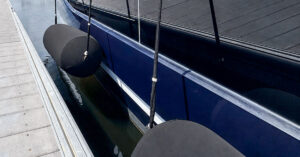
Fenders are there to protect the hull, not to solve a motion-control problem. If the boat is moving too much, adding more fenders without fixing the lines is like putting a pillow on the wall because your truck has no brakes.
That said, fender placement matters. They need to sit at the right height and at the likely contact points, not wherever they happened to land when you tossed them overboard. In rough slips, cylindrical fenders, ball fenders, or fender boards can help spread the load better.
What To Do About It
Start with the basics:
- Use properly sized nylon dock lines in good condition
- Rig both bow/stern lines and real spring lines
- Adjust slack to control motion without going rigid
- Inspect cleats, chocks, and rub points for chafe
- Reposition fenders for actual contact areas
- Add snubbers if the slip is surge-prone
- Recheck the setup at different tides and wind conditions
Then watch the boat for ten minutes after you tie up. Not thirty seconds. Ten minutes. Let a few wakes roll through. See what moves first. The boat will tell you what’s wrong if you bother to look.
The truth is, excessive dock movement is a mechanical problem, not a mystery. Mechanical issues like this can be solved with a better setup, not by relying on marina folklore.
FAQ
Why does my boat jerk forward and backward in the slip?
That is usually caused by a surge. The most common cause is poor or missing spring lines, combined with wake or current. Bow and stern lines alone often won’t control fore-and-aft motion well enough.
Should dock lines be tight or loose?
Neither extreme. Lines should be snug enough to limit momentum but not so tight that they can’t absorb motion. Over-tight lines create shock loads; over-loose lines let the boat slam.
What kind of dock line is best?
Nylon is generally best for dock lines because it stretches and absorbs shock. Old, stiff, weathered lines lose that benefit and can make movement harsher.
Will more fenders stop the boat from moving?
No. Fenders protect the hull from contact, but they do not control motion. If the boat is moving too much, fix the line setup first.
Do I need spring lines on a small boat?
Usually, yes. Even smaller boats benefit from spring lines, especially in marinas with wake, current, or wind exposure. They’re one of the most effective ways to control surge.
How do I know if the slip itself is the problem?
If your lines are set correctly and the boat still gets thrown around by passing traffic, current, or exposure to open water, the berth may simply be in a high-energy location. Sometimes the problem is the marina, not your seamanship.