Dock lines are supposed to be easy to work with. They should coil smoothly, feel flexible in your hands, and handle movement without a fight. Over time, though, many boaters notice their lines becoming stiff, rough, or simply harder to manage.
If that sounds familiar, you are not imagining it. There are real reasons why dock lines lose their flexibility, and most of them come down to what the rope has been exposed to. Salt, sunlight, and internal wear all play a role. Understanding what is happening can help you take better care of your lines and recognize when it is time to replace them.
Salt Buildup Changes Everything
Saltwater is one of the biggest culprits. Every time your lines get wet, they absorb salt. When they dry, that salt stays behind in the fibers.
At first, it is not noticeable. Over time, though, those tiny salt crystals begin to build up. They make the rope feel stiff and reduce its ability to bend naturally. Even worse, they create friction inside the rope. Every time you coil or use the line, those crystals grind against the fibers.
That is how a rope can look perfectly fine on the outside while still wearing down internally.
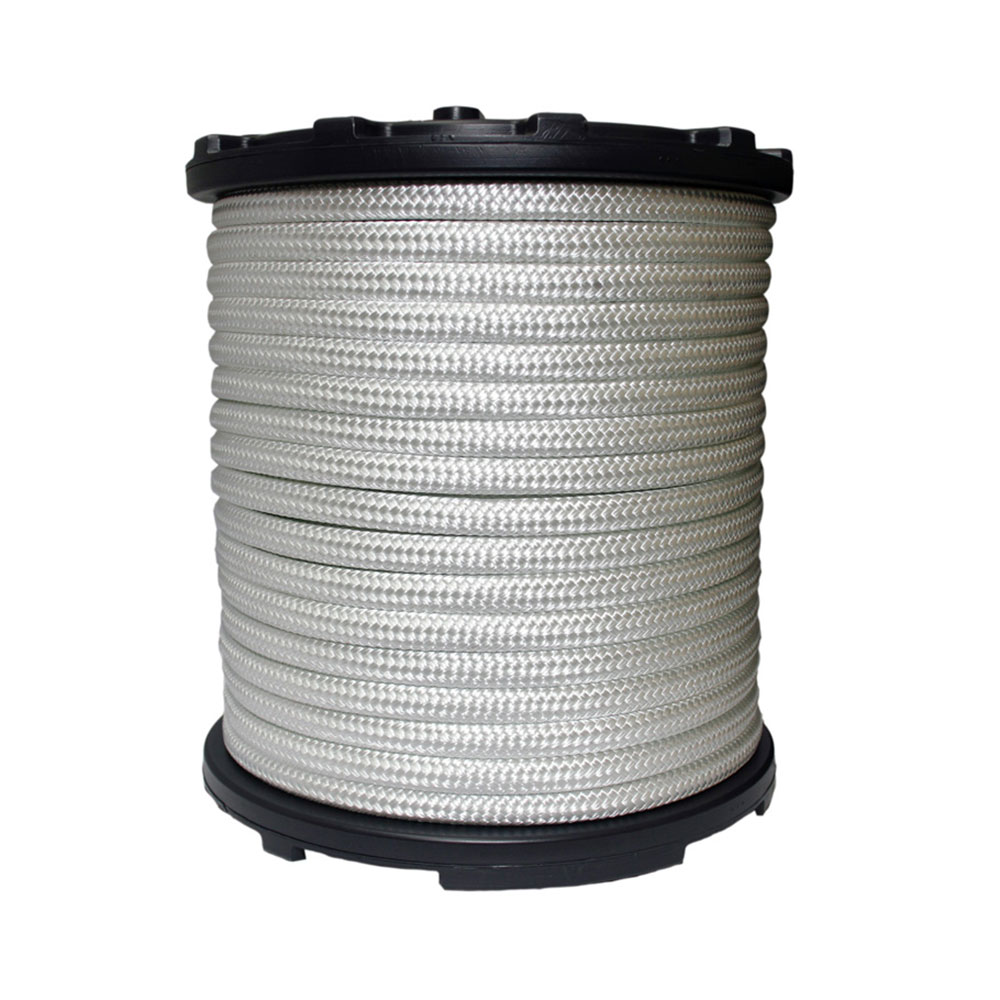
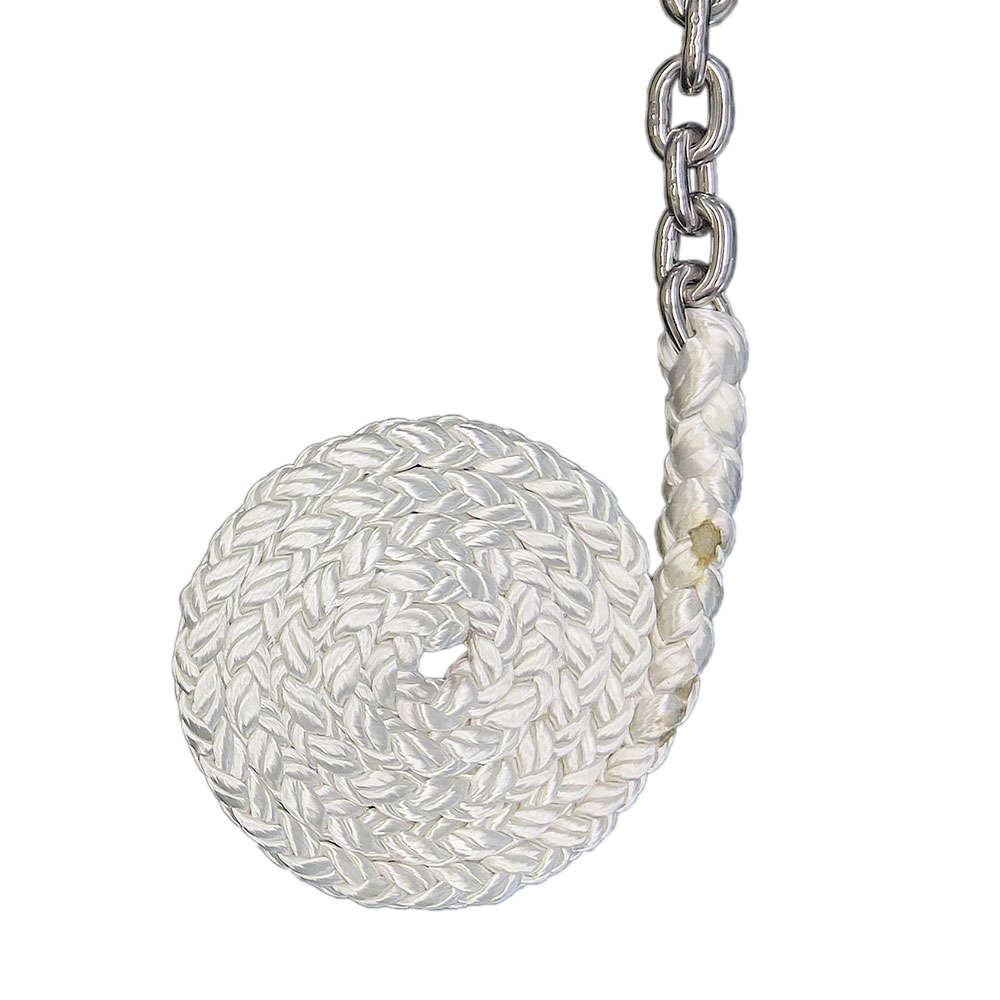
A simple rinse with fresh water after use goes a long way. Without it, even a high-quality rope like solid braided nylon rope will eventually feel harder and less flexible.
Sunlight Takes a Toll
The sun is just as tough on your dock lines as saltwater. UV rays slowly break down the fibers that give the rope its strength and flexibility.
You may notice the color fading first. Then the rope starts to feel dry or slightly brittle. It no longer bends the same way it used to and may even feel rough in your hands.
This is not just about appearance. As the fibers weaken, the rope loses some of its ability to absorb shock. That matters when your boat is moving against the dock because of wind or wake.
No rope is completely immune to UV exposure. Some are designed to handle it better than others, but over time, the sun always takes its toll.
What You Can’t See Inside the Rope
One of the biggest issues with stiff dock lines is something you cannot always see: internal fiber breakdown.
Every time your boat moves, your dock lines are placed under tension. They stretch, relax, and stretch again. That constant cycle puts stress on the fibers inside the rope.
Eventually, those fibers begin to fatigue. When that happens, the rope loses its natural flexibility. It may feel uneven or stiff in certain spots. Sometimes one section feels fine while another feels rigid.
This type of wear is easy to miss until the rope becomes difficult to handle. By then, its strength and performance may already be compromised.
Dirt and Debris Add to the Problem
It is not just salt and sunlight causing damage. Dirt, sand, and other debris can also become trapped in the rope over time.
Once inside, they act like grit. Every movement creates friction between the fibers, which speeds up wear and makes the rope feel rough and stiff.
This is especially common with lines that are dragged across docks or stored without being cleaned first.
Keeping your lines clean is one of the easiest ways to extend their lifespan.
The Type of Rope Matters
Not all ropes age the same way. The material and construction make a significant difference.
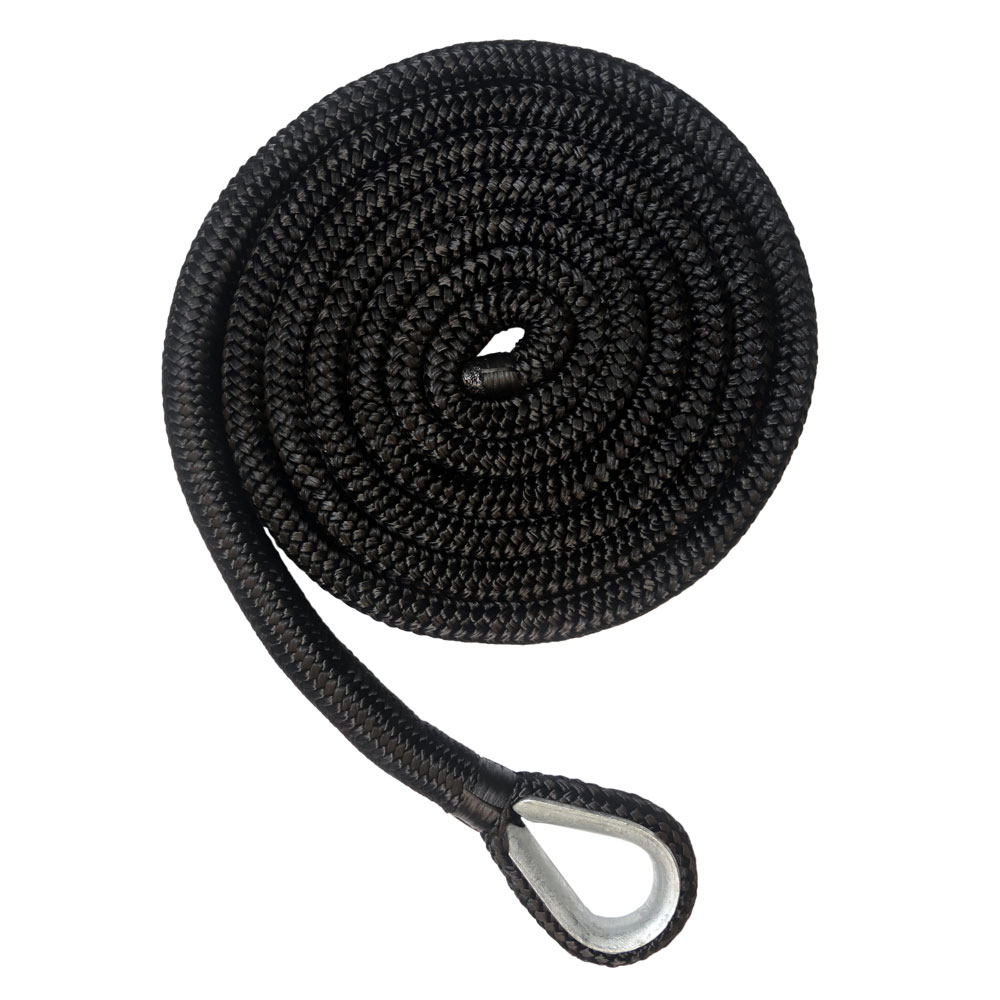
Solid braided nylon rope is a popular choice for dock lines because it is strong, flexible, and absorbs shock well. It is designed for marine conditions, but that does not mean it is maintenance-free.
Even the best rope will begin to stiffen if it is exposed to salt, sunlight, and heavy use without proper care. The difference is that a high-quality rope holds up longer and performs better throughout its lifespan.
Can You Fix Stiff Dock Lines?
If your lines are starting to feel stiff, you may be able to improve them somewhat.
Start by rinsing them thoroughly with fresh water. If there is heavy salt buildup, let them soak for a while to help dissolve it. A mild, rope-safe cleaner can also help if needed.
After cleaning, allow the lines to dry completely. Good airflow is important, so hang them loosely instead of coiling them tightly.
This can restore some flexibility, especially if salt buildup is the main issue. However, it will not repair internal fiber damage. If the rope still feels stiff after cleaning, it has likely reached the end of its useful life.
When It’s Time to Replace Them
Stiffness is often one of the first signs that dock lines are wearing out.
If the rope feels brittle, no longer coils easily, or has sections that feel uneven, it is time to inspect it more closely. Add in fraying, discoloration, or flattening, and replacement becomes the safer option.
Dock lines are not something you want to take chances with. When they fail, it is usually at the worst possible moment.
Keep Your Lines in Better Shape Longer
Taking care of your dock lines does not require much time, but it makes a major difference.
Rinse them after use. Allow them to dry fully. Store them somewhere with good airflow, and avoid leaving them in damp or sealed spaces.
Starting with a high-quality rope like solid braided nylon rope gives you a strong foundation. Proper care is what keeps it performing the way it should.
At American Rope, we build marine ropes designed for real-world conditions. With the right care, your dock lines can stay flexible, reliable, and ready when you need them.
FAQS
What is the main cause of stiffness in dock lines?
The primary external cause of stiff dock lines is salt encapsulation and UV exposure. When saltwater evaporates from the line, microscopic salt crystals are left behind, forming a rigid layer on both the outer cover and internal fibers. Combined with relentless sun exposure, this grid of salt crystals causes the synthetic fibers to stiffen and harden over time.
How do dirt and sand contribute to dock line stiffness?
When lines are dragged across dirty docks or stored improperly, fine particles of dirt and sand become trapped deep within the rope weave. Once inside, this embedded debris acts like microscopic grit. Every time the boat moves and the rope handles tension, this grit creates internal friction that abrades the strands from the inside out, making the rope feel rough, brittle, and rigid.
What happens inside a dock line when it gets hard to handle?
Stiffness is often a warning sign of internal fiber fatigue. As your vessel constantly moves against a dock due to wind or wake, the lines cycle through a continuous loop of stretching, relaxing, and stretching again. Over time, these mechanical load cycles fatigue the hidden strands inside the core, causing the rope to lose its natural structural flexibility.
Can you restore flexibility to stiff dock lines?
Yes, if the stiffness is primarily caused by salt buildup. Soaking and thoroughly rinsing the lines in fresh water will dissolve and flush away the trapped salt crystals. A mild, rope-safe cleaner can also be used for heavily soiled lines. After washing, hang the ropes loosely to dry completely with plenty of airflow. Note, however, that washing cannot repair internal fiber damage; if the rope remains rigid after a deep rinse, it has likely reached the end of its useful lifespan.
When should stiff dock lines be replaced?
Stiffness is one of the definitive early warning signs that a dock line’s structural safety has been compromised. You should replace your lines immediately if they feel brittle after washing, no longer coil smoothly, contain hard or uneven sections, or show signs of fraying, severe discoloration, or flattening. Replacing lines before they experience a complete mechanical failure is the safest course of action for protecting your vessel.