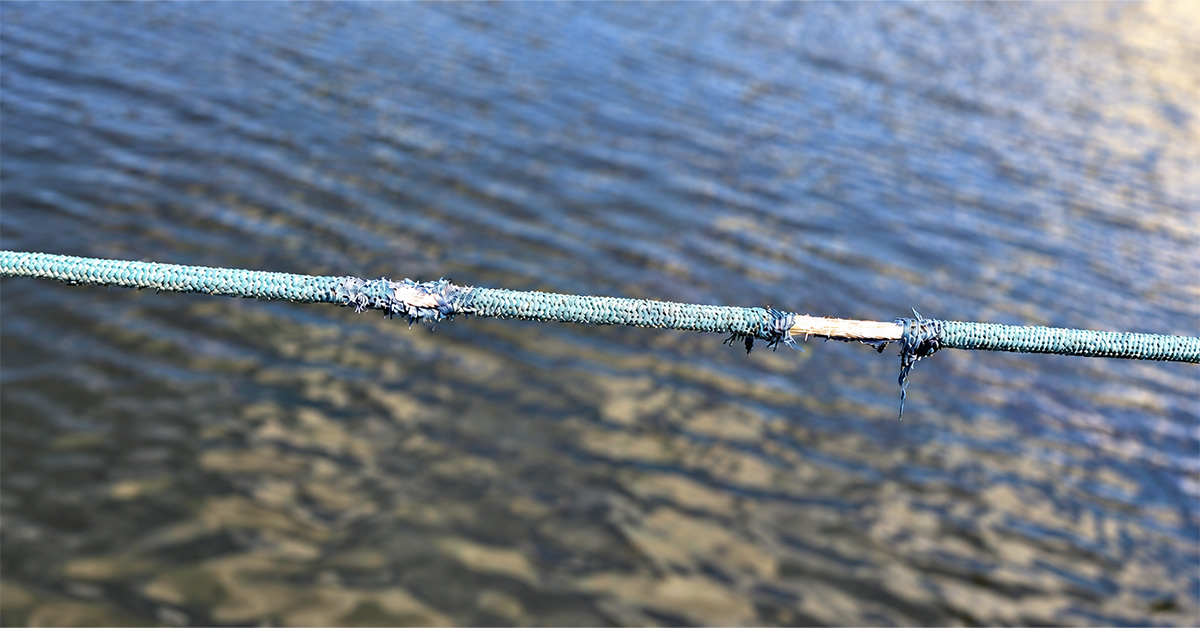
For anyone responsible for dock lines, mooring lines, or rigging, understanding UV rope degradation is part of basic rope management. It helps you recognize early warning signs, choose the right material, and replace gear before failure becomes the lesson.
Synthetic rope lives in a hard environment. Load, movement, moisture, salt, and abrasion all take a toll. Heat and sunlight add another layer of damage that is easy to miss because it develops slowly. A line can still look usable while its fibers are already losing flexibility, surface integrity, and part of their strength.
That is why experienced mariners and riggers treat rope as a working component with a service life, not a permanent piece of gear. Environmental exposure is continuous. Sunlight and heat act on the rope every day, whether the line is under heavy load or sitting idle on deck. Over time, that exposure changes the fiber structure itself.
The Physics of Degradation: UV vs. Heat
UV damage and heat damage are related, but they are not the same process.
UV exposure causes photodegradation. In simple terms, ultraviolet light breaks chemical bonds in the polymer chains that make up synthetic fibers. This process, often described as chain scission, weakens the outer surface of the rope first. The most exposed fibers lose elasticity, become chalky or brittle, and begin to break down. Surface fading is often one of the first clues, but color loss is only part of the story. Mechanical performance can decline long before the rope looks completely worn out.
Heat causes a different type of damage. Elevated temperatures can accelerate oxidation and change the physical behavior of synthetic fibers. If the heat is high enough, it can soften, glaze, or distort the rope. More often, the problem is cumulative thermal stress. Repeated exposure to hot decks, enclosed lockers, direct sun, and friction-generated heat speeds up aging and reduces the rope’s ability to handle load cycles.
For common marine fibers, the details matter:
- Nylon handles shock loads well because it stretches, but it is more sensitive to heat buildup and can lose performance when repeatedly exposed to high temperatures and cyclic loading.
- Polyester generally offers better UV resistance and better dimensional stability in outdoor use, which is one reason it remains common in many marine applications.
The real problem is the combination. UV exposure weakens surface fibers. Heat accelerates aging and can magnify the effect of mechanical wear. Add friction from chafe or repeated loading, and degradation speeds up.
Manifestations of Damage
Environmental damage usually shows up in stages. The first signs are often subtle.
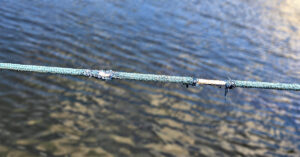
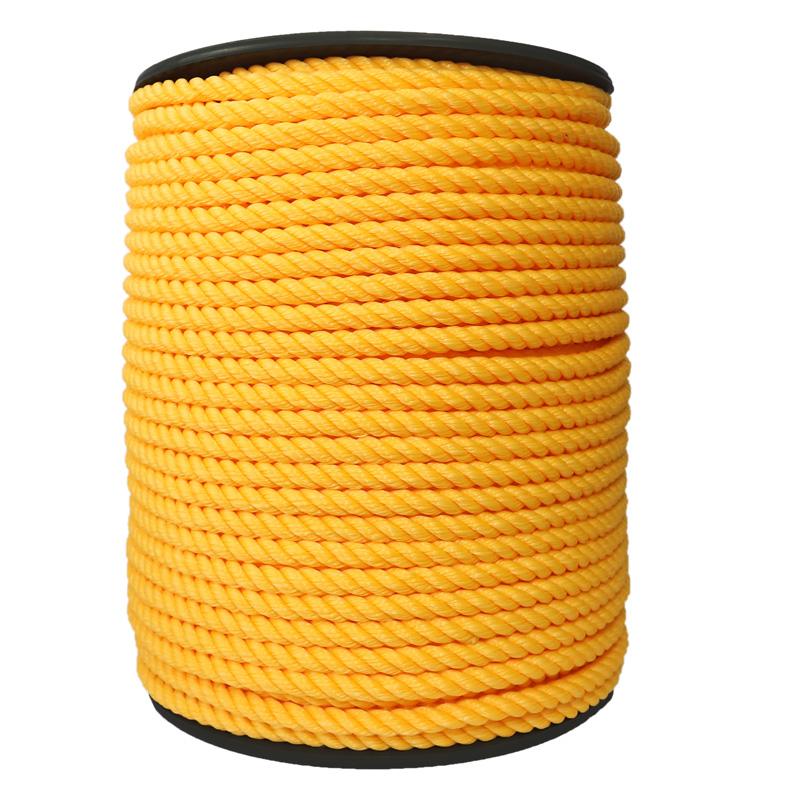
You may notice fading, especially on dyed rope that spends long periods in direct sun. Then comes the “fuzz factor,” where the outer yarns begin to break and lift from the rope surface. In some cases, the line starts feeling stiffer or rougher in the hand. In others, it becomes oddly dry, brittle, or glazed in isolated areas.
These changes matter because they reflect changes in the fiber itself, not just the appearance of the cover.
| Damage Type | Primary Cause | What You See | What It Means for Performance |
| UV degradation | Sunlight, long-term exposure | Fading, surface fuzz, chalky fibers, brittleness | Reduced surface integrity, gradual strength loss |
| Thermal breakdown | High ambient heat, friction heat, hot storage | Glazing, stiffness, flattened areas, hard spots | Fiber distortion, reduced flexibility, accelerated aging |
| Mechanical wear | Chafe, load cycling, abrasion | Fraying, cut yarns, flattening, uneven wear | Localized weakness, lower remaining strength, higher failure risk |
One of the reasons this topic matters so much is that rope rarely fails from one factor alone. A line exposed to UV, heated repeatedly, and then forced through constant movement at a chafe point can degrade much faster than expected. That is especially important for dock lines. If you are already dealing with friction points, How to Protect Dock Lines from Chafe should be part of the same maintenance conversation.
Real-World Impacts on Marine Safety
Rope degradation is not just a materials issue. It becomes a system issue the moment the line is put back to work.
A weakened dock line may still hold in calm conditions, then fail when wind shifts, current builds, or surge starts moving the boat harder than usual. When one line parts, the load does not disappear. It shifts to the remaining lines, cleats, and fittings. That redistribution can create a chain reaction, especially if the other lines are already aged or poorly protected.
This is one reason environmental wear gets underestimated. It does not always announce itself with dramatic visible damage. A line can be faded, a little fuzzy, slightly stiff, and still look “good enough” until the moment load spikes.
Heat and UV exposure also affect handling. Stiff lines coil poorly, adjust badly, and are harder to inspect by feel. That makes setup slower and errors more likely. A rope that has lost flexibility may still be technically intact, but it is already moving in the wrong direction from a safety standpoint.
Mitigation and Maintenance Strategies
The best response to UV rope degradation is not guesswork. It is routine management.
Start with storage. Rope lasts longer when it is kept out of direct sunlight whenever practical, stored dry, and protected from unnecessary heat buildup. That means avoiding long-term exposure on hot decks, inside overheated compartments, or in piles where salt, moisture, and heat are trapped together.
Material selection also matters. If outdoor exposure is constant, polyester may be the better choice in applications where UV resistance and abrasion resistance are priorities. Nylon remains valuable where shock absorption is critical, but it still needs inspection and replacement discipline.
Use a consistent inspection routine. A simple numbered process makes it easier to catch problems before they become failures (you can also download our Warm Weather Rope Care Checklist):
- Look for fading and discoloration
Uneven bleaching, dull color, or chalky-looking fibers can indicate prolonged UV exposure. - Feel for stiffness or hard spots
Rope should feel consistent. Hard, dry, or glazed sections deserve attention. - Check for fuzzing and broken surface yarns
Surface fuzz is an early warning sign that the outer fibers are breaking down. - Inspect known wear points
Focus on chocks, cleats, fairleads, and any place where the line sees repeated contact. - Review the rope’s age and service history
A line that has lived in direct sun for years should be judged by exposure, not just appearance. - Replace before failure, not after a warning event
If the line feels compromised, handling has changed, or wear is obvious, remove it from critical service.
For technical benchmarks and broader guidance, see Cordage Institute Technical Standards on Fiber Durability. Standards matter because rope performance depends on consistent material quality, construction, and testing.
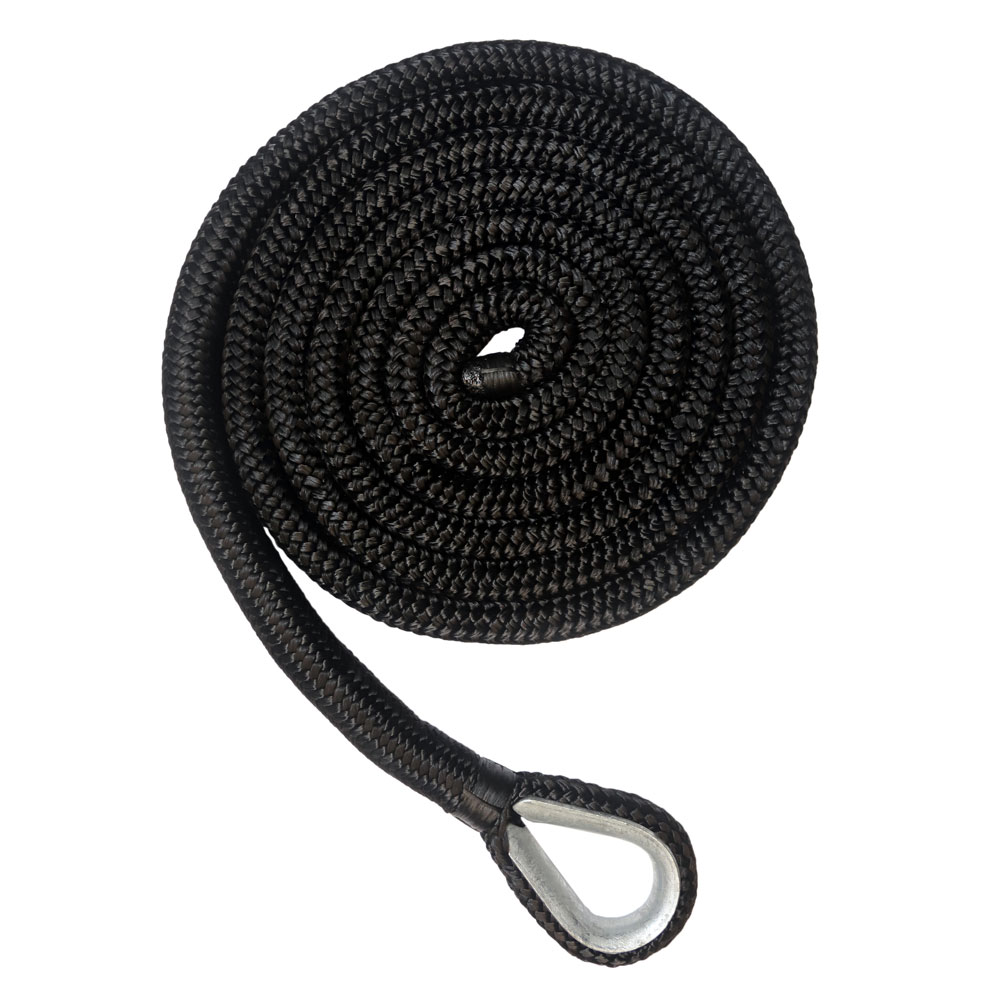
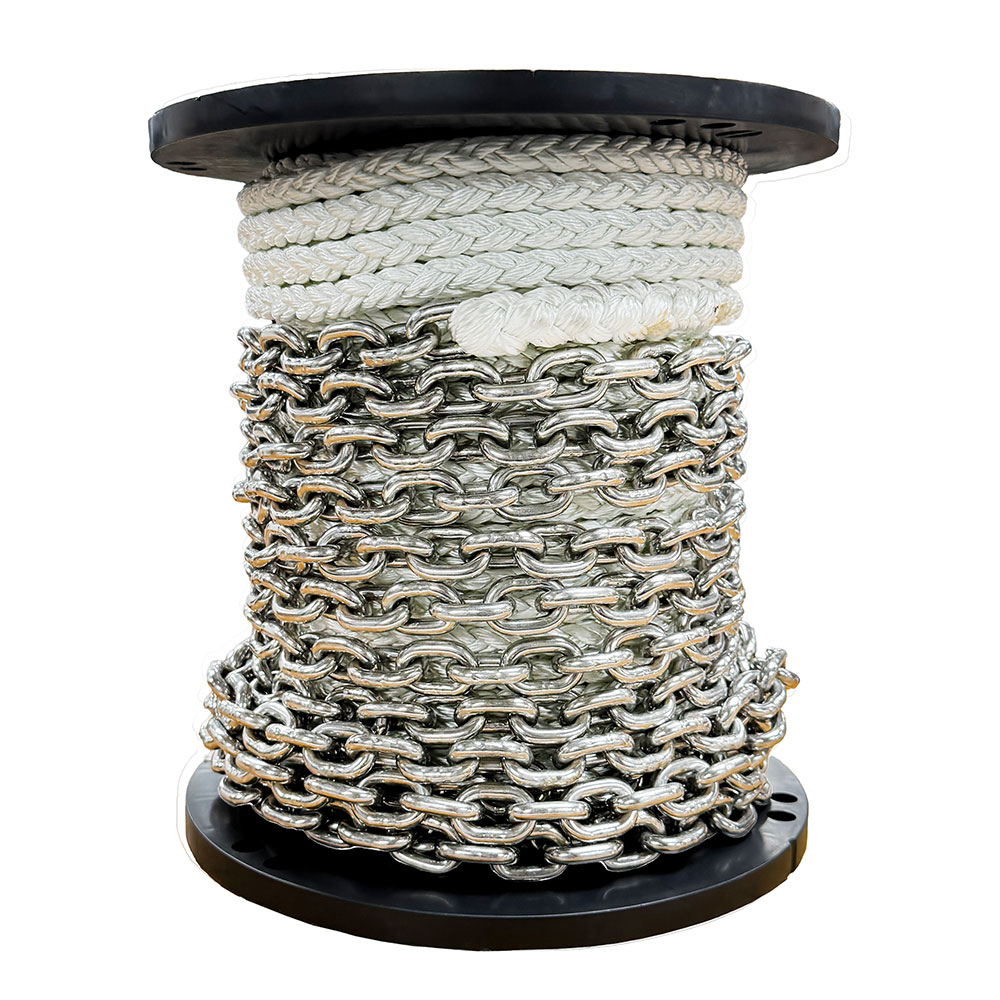
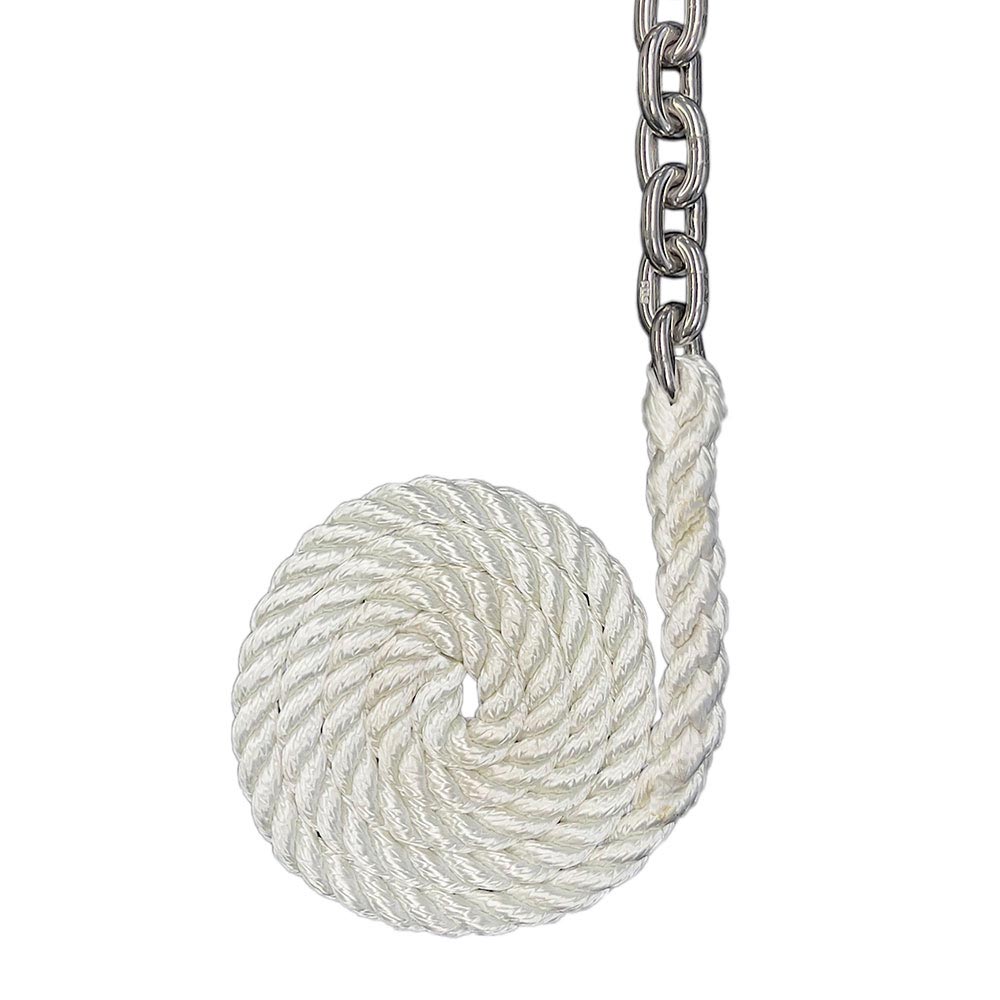
This is also where product choice comes back into the conversation. If a line has spent years outdoors and now feels rough, stiff, or visibly weathered, replacement is usually the better decision. Custom dock lines are the practical next step when you need lengths and constructions suited to real marine use.
Ensuring Longevity and Safety
Heat and sunlight do quiet damage. That is what makes them dangerous. They weaken rope slowly, affect surface fibers first, and often go unnoticed until the line no longer behaves the way it should.
Good rope management is proactive. Inspect lines regularly. Store them intelligently. Match the fiber to the job. Treat fading, stiffness, fuzzing, and glazing as useful warning signs, not cosmetic issues.
If you have dock lines, mooring lines, or working rope that have spent long periods exposed to sun and heat, inventory them now. Check them with a critical eye. Replace anything that shows meaningful degradation before it becomes the weak point in your system. Reliable rope is part of vessel safety, and it is much easier to replace a line in advance than deal with the consequences after it fails.