Recent blog post

protect dock lines from chafe

How to Protect Dock Lines from Chafe Under Pressure

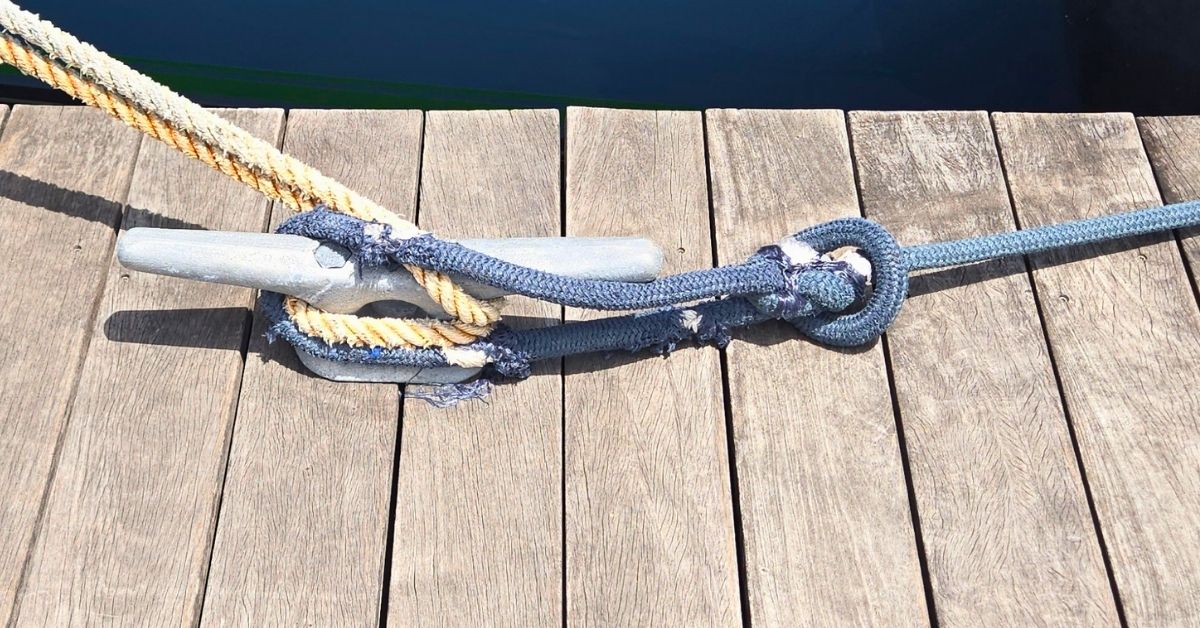
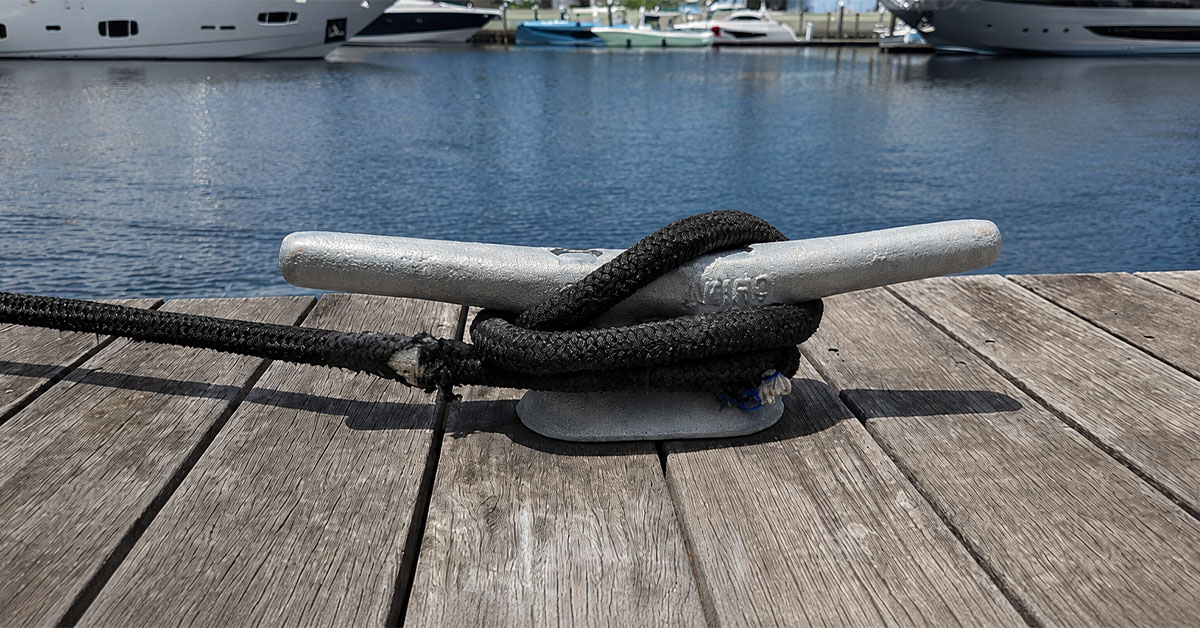
Dock lines rarely fail from sheer tensile strength. Failures usually occur because the rope wears through at specific points where it rubs, stretches, and grinds against hardware or dock edges. Chafe is the primary culprit. When a boat surges against wind, wake, or tide, this localized abrasion destroys even high-strength
reduce shock load on dock lines

How to Reduce Shock Load on Dock Lines

Dock lines live a rough life. Sun, salt, movement, chafe, bad cleats, lazy knots, and weather all take a bite out of them. Shock load is one of the biggest reasons lines part early, hardware gets bent, and boats start moving in ways nobody enjoys. It is the sudden force

dock line setup - why-your-boat-moves-too-much-at-the-dock

Why Your Boat Moves Too Much at the Dock

You tied the boat up. You used decent lines. You stepped off thinking the job was done. Then you looked back and the thing was lunging, twisting, bumping, and generally acting like it wanted out of the marina. Annoying? Yes. Normal? Sometimes. Fixable? Usually. A boat that moves too much

what causes dock lines to lose strength over time

What Causes Dock Lines to Lose Strength Over Time?

Dock lines are built to handle serious loads. They keep your boat secure through wind, wake, and constant movement. But like anything exposed to the elements and repeated stress, they do not maintain full strength forever. The tricky part is that strength loss does not always appear obvious. A line

All blog post

double braid dock lines

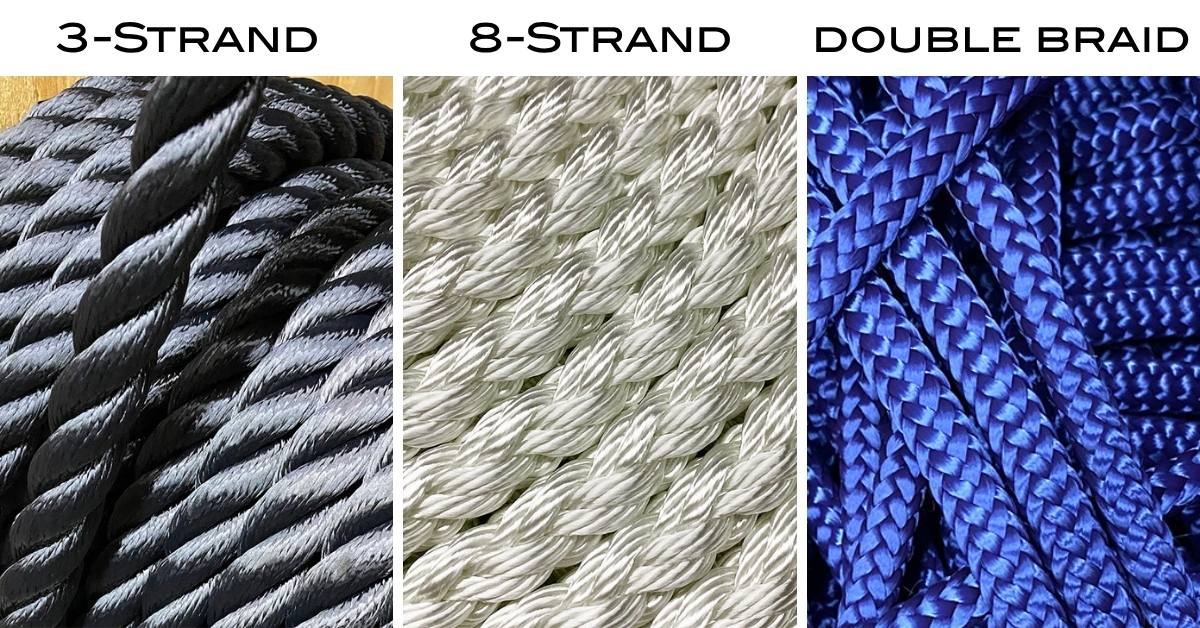
Rope Construction Basics: 3-Strand vs. 8-Strand vs. Double Braid Explained

When it comes to marine rope, construction matters. How a rope is made directly affects its strength, handling, flexibility, and longevity. At American Rope, we manufacture and supply high quality ropes engineered to meet the demands of boaters, professionals, and industrial users alike. Understanding the differences between 3 strand, 8

custom dock lines

Specialized Rope Applications for Summer Water Activities

Summer is the perfect time to get on the water, whether you’re fishing, rafting up, exploring a sandbar, or pulling a float behind the boat. But not all ropes are created equal, and using the wrong type can compromise both safety and performance. At American Rope, we offer specialized solutions

double braided nylon rope

Mooring Line Setup for Extended Stays: Techniques for Various Conditions

When planning an extended stay on your boat, securing it to a mooring buoy or block requires a properly configured mooring system. Unlike docking or anchoring, mooring involves tying your vessel to a fixed object on the water—typically via a mooring buoy connected to a heavy block or anchor on

solid braided nylon rope

Rope Inspection Guide: How to Spot Problems Before They Become Dangerous

Ropes are the backbone of marine safety, load handling, and countless critical operations. Whether you’re docking your boat, hoisting equipment, or tying down cargo, a compromised rope can lead to serious accidents or equipment failure. That’s why regular rope inspection is not just recommended—it’s essential. At American Rope, we prioritize

rope manufacturers

Marine Rope Certification Standards: What They Mean for Your Safety

When it comes to marine operations—whether you’re navigating open waters, docking in rough conditions, or securing cargo—your rope is only as reliable as the standards it’s held to. Certifications aren’t just regulatory checkboxes; they’re assurances that your equipment has met rigorous performance benchmarks for strength, consistency, and durability. At American

Shopping cart
Shop
Wishlist
0 items Cart
My account