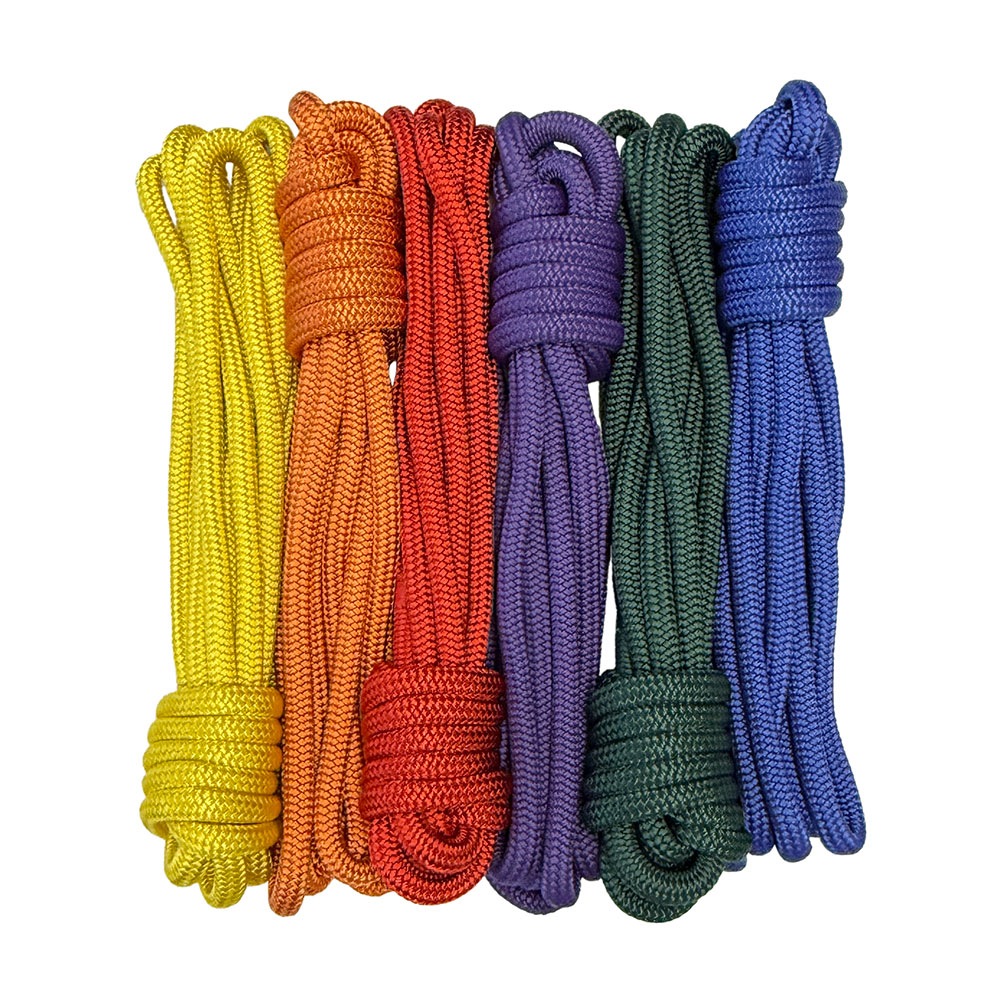
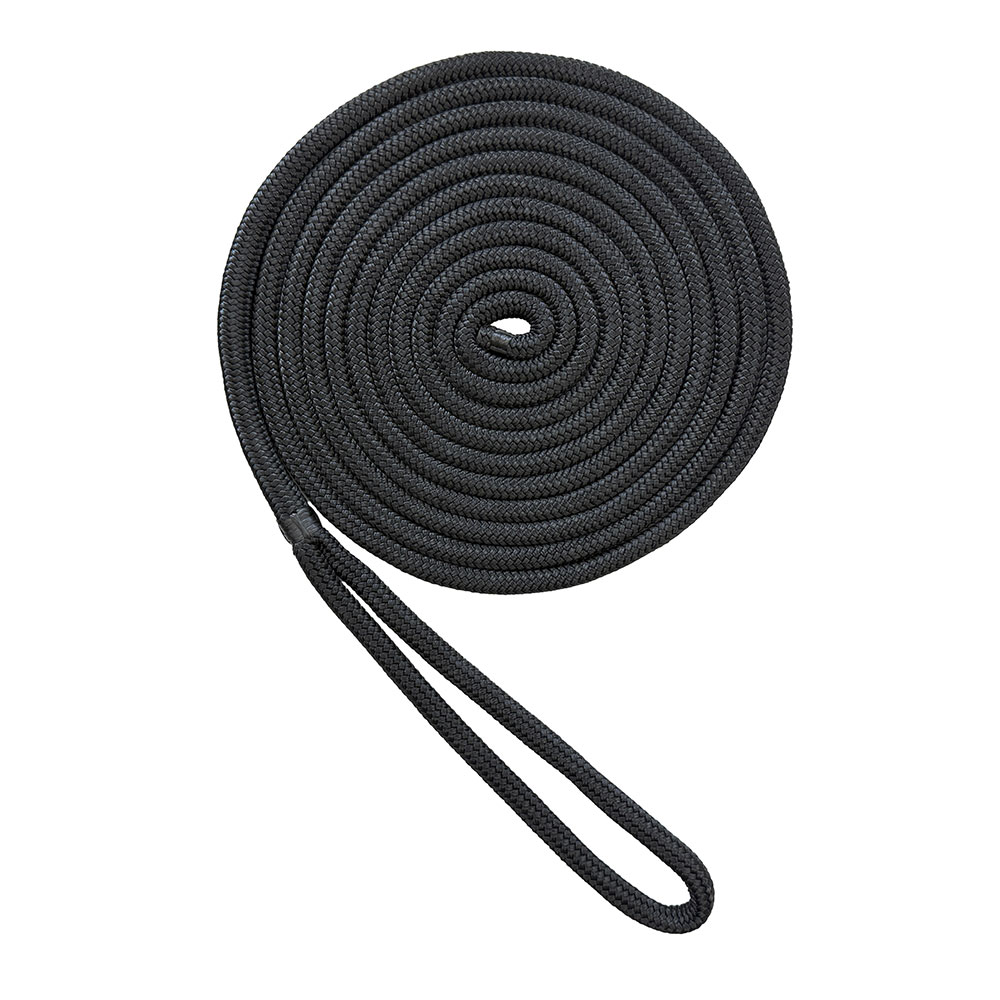
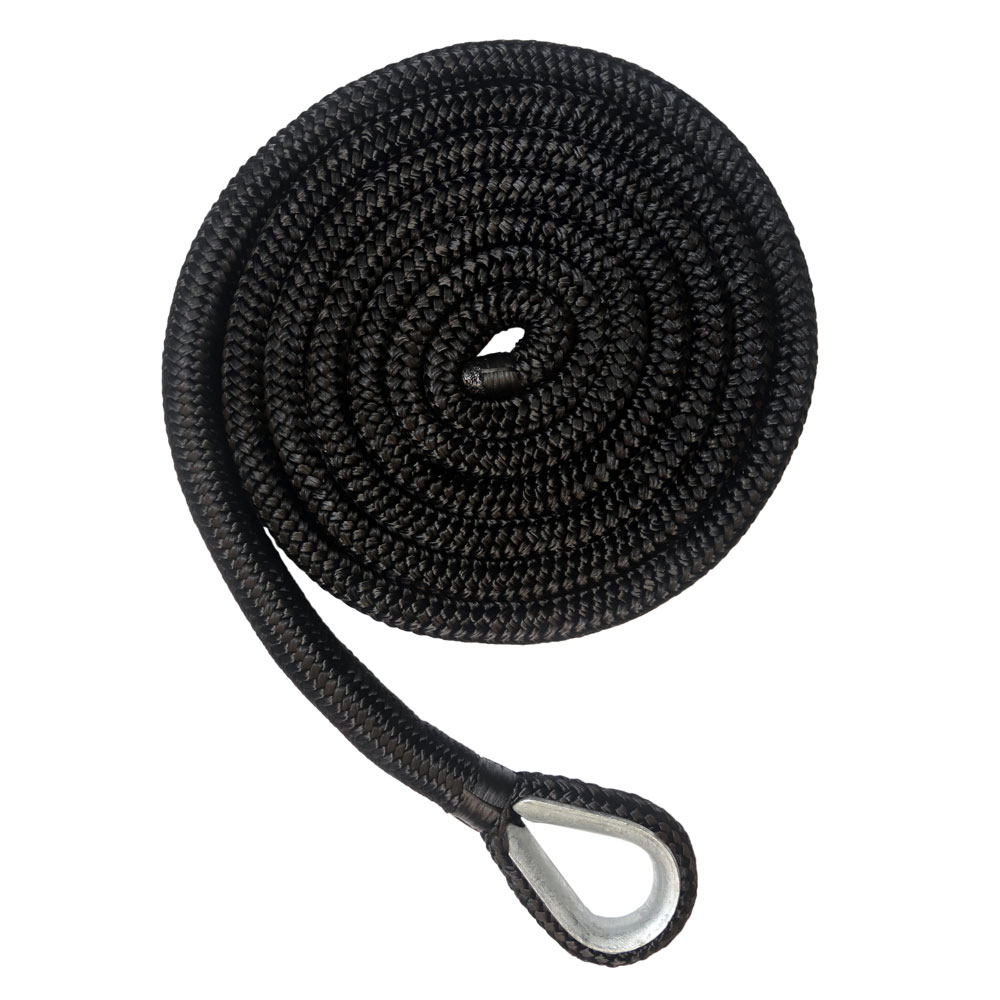
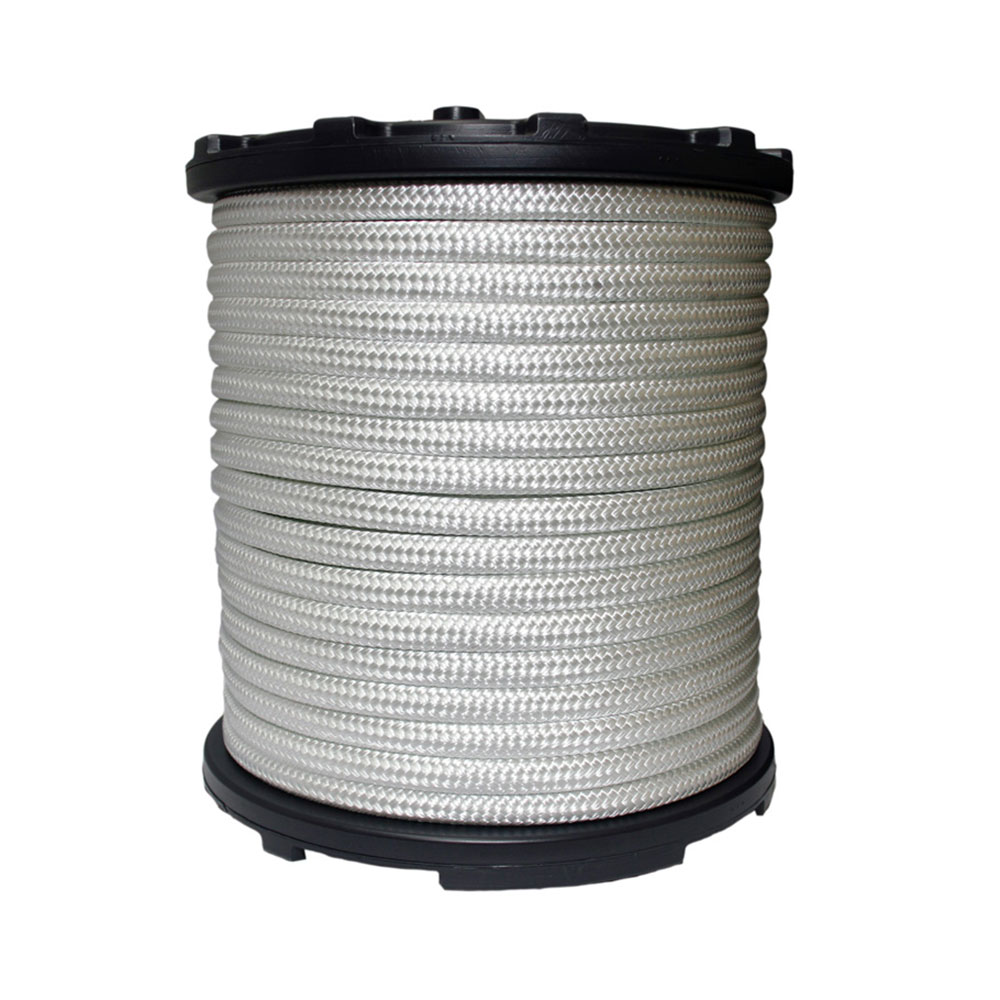
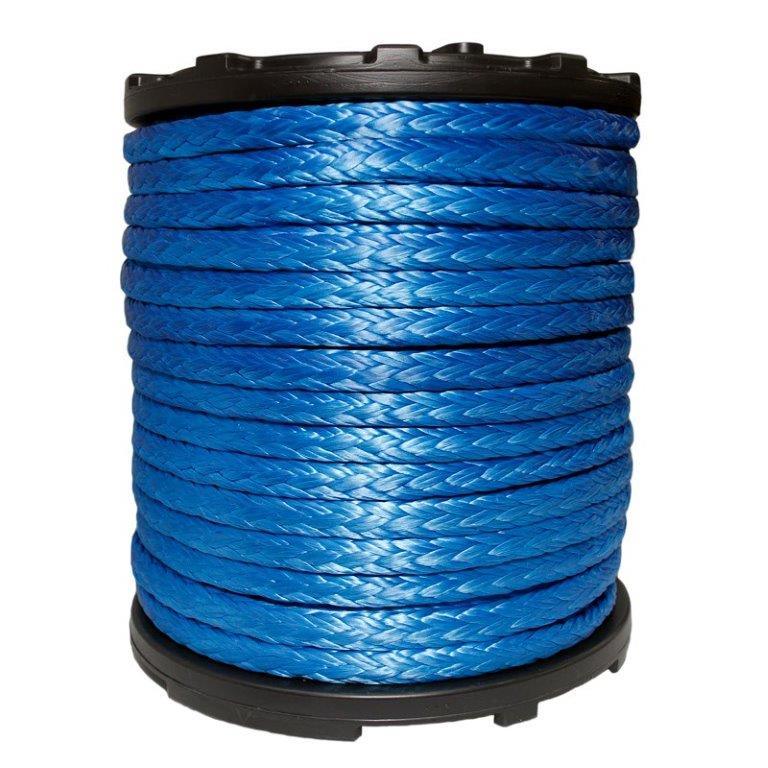
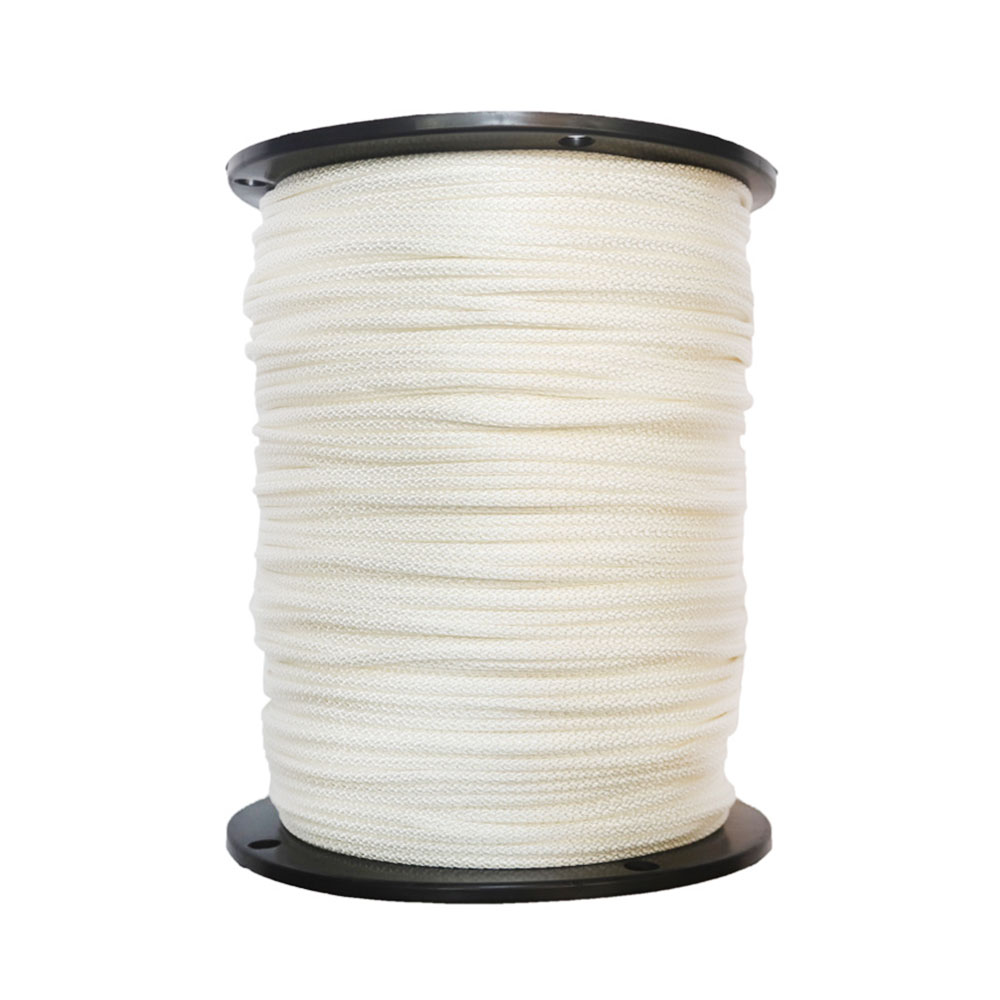
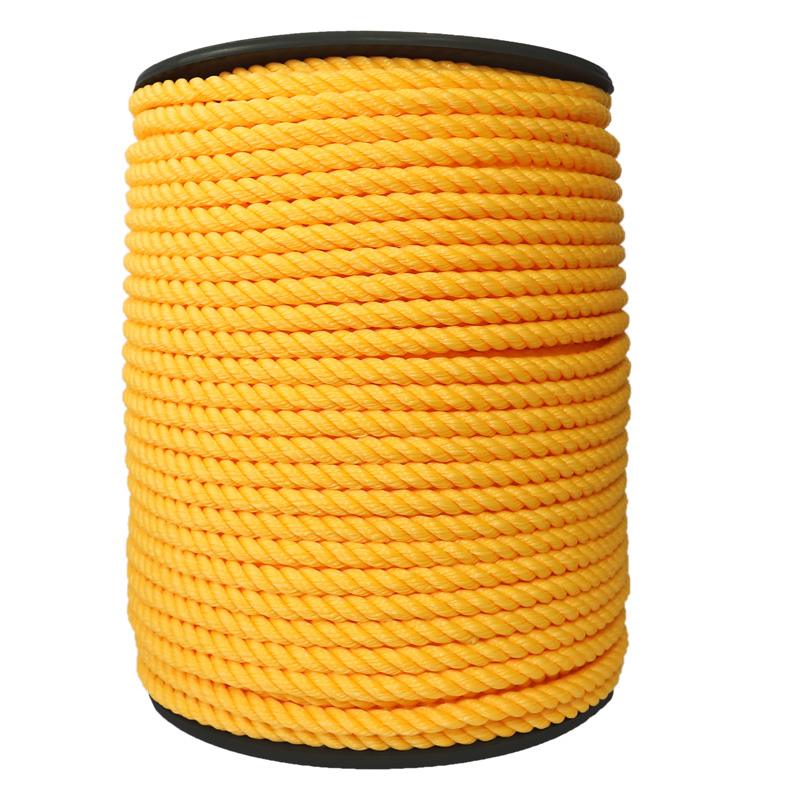
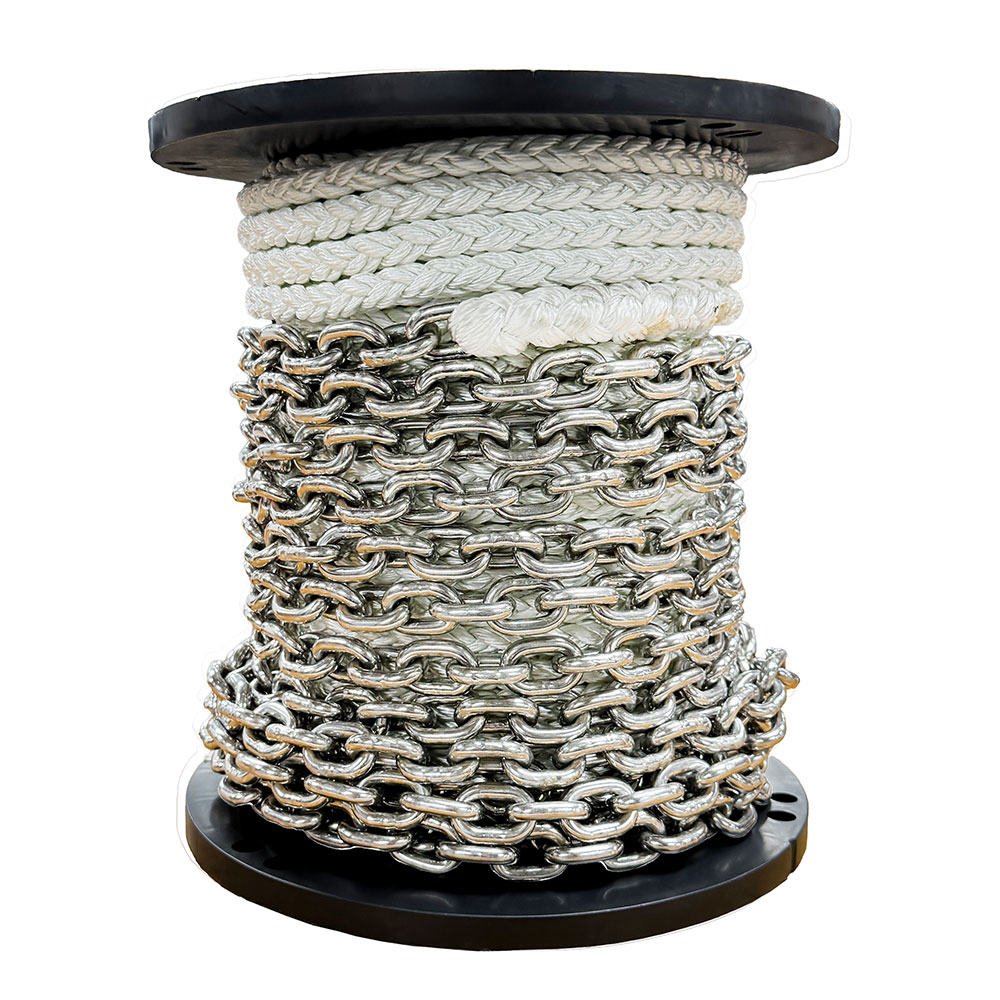
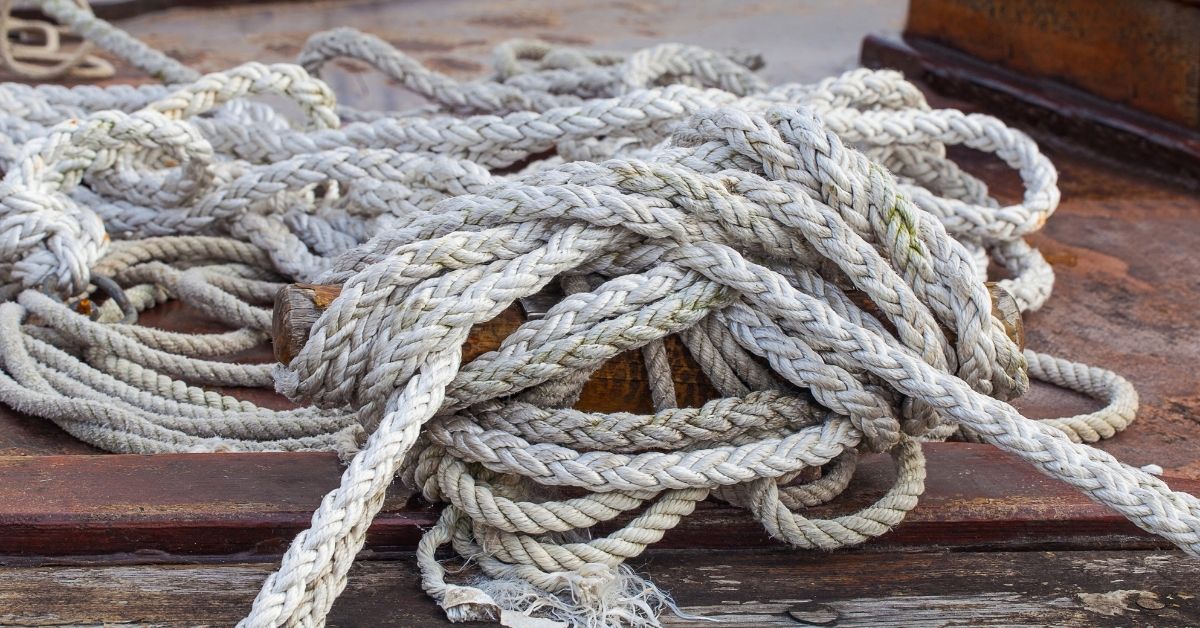
Ropes are the backbone of marine safety, load handling, and countless critical operations. Whether you’re docking your boat, hoisting equipment, or tying down cargo, a compromised rope can lead to serious accidents or equipment failure. That’s why regular rope inspection is not just recommended—it’s essential. At American Rope, we prioritize safety and performance. This guide will help you learn how to inspect your ropes properly and identify signs of wear before they become hazardous.
Why Regular Rope Inspection Matters
All ropes have a working life that’s affected by usage, environmental conditions, load stress, and storage practices. Even the highest quality solid braided nylon rope can degrade over time without obvious signs to the untrained eye.
Proper inspection helps you:
- Prevent accidents and costly damage
- Extend the rope’s lifespan
- Maintain reliable performance during critical tasks
- Stay compliant with industry or insurance safety standards
When Should You Inspect Your Rope?
Establish a consistent inspection schedule based on usage and application:
Before each use:
- Always inspect critical ropes before use, especially in load-bearing or marine applications.
After heavy loads or exposure:
- Check ropes after storms, heavy lifting, saltwater exposure, or chemical contact.
Monthly or quarterly checks:
- Even unused ropes in storage should be periodically checked for UV damage, mold, or mechanical wear.
What to Look for During a Rope Inspection
Here are the key things to watch for when inspecting different types of rope:
1. Fraying or Broken Fibers
- Look for strands sticking out from the rope surface.
- Excessive fuzz or broken filaments indicate abrasion or UV damage.
- Pay special attention to high-stress areas like the eye splice, chafe points, and knots.
2. Abrasion and Surface Wear
- Flattened, polished, or discolored sections can be signs of abrasion.
- Check braided ropes for uneven texture or exposed core fibers.
- Solid braid ropes may show indentations where fibers have worn thin.
3. Discoloration or Staining
- Brown, green, or black spots may indicate mold or mildew.
- UV damage often appears as dullness, fading, or chalky residue on the outer sheath.
- Chemical exposure can alter the rope’s color and weaken fibers invisibly.
4. Glazing or Stiffened Sections
- If the rope feels stiff, crunchy, or has glossy patches, heat damage from friction may be the cause.
- Glazing usually appears near winches, cleats, or friction points and weakens rope structure.
5. Inconsistent Diameter or Lumps
- Bulges or narrowing can indicate internal damage or core separation.
- Braided ropes may hide internal defects, so feel the rope carefully as you inspect.
6. Soft or Hollow Spots
- Run your fingers along the length of the rope to detect soft or spongy areas.
- These may indicate a broken core, especially in double-braided or kernmantle constructions.
Rope-Specific Inspection Tips
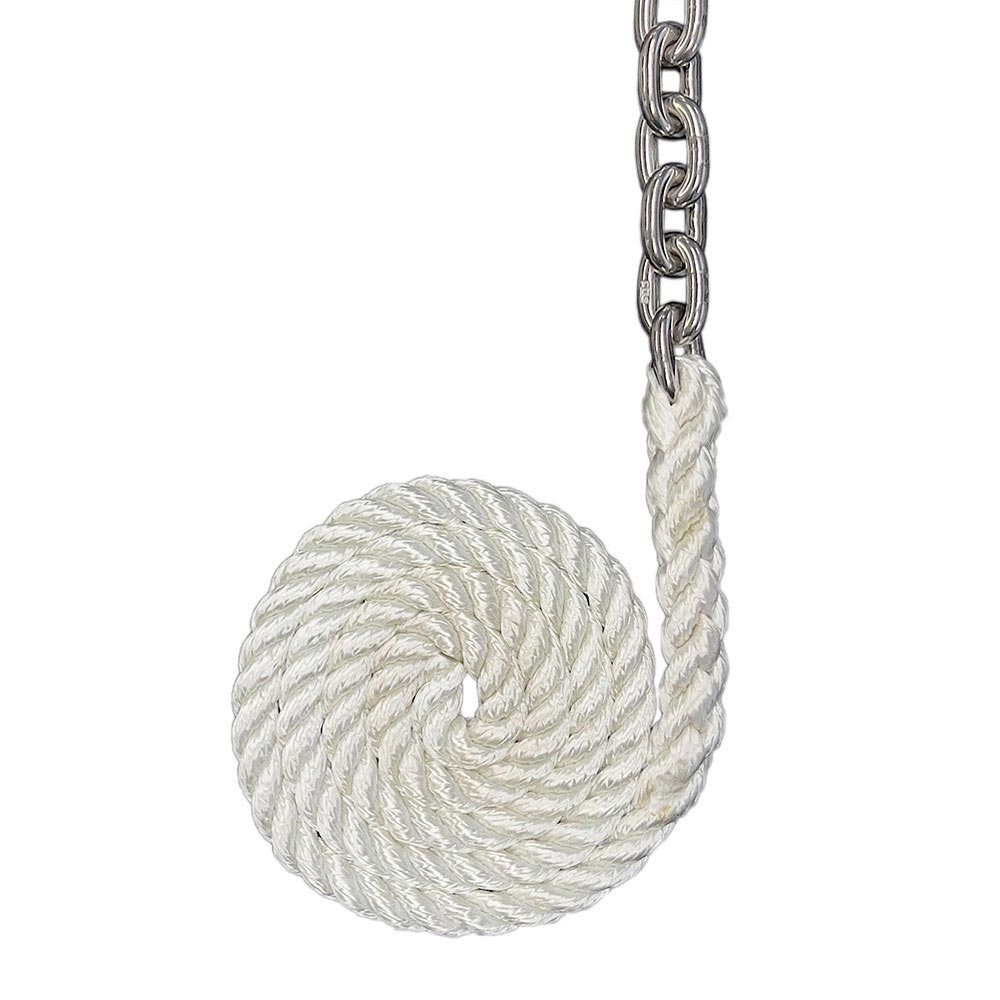
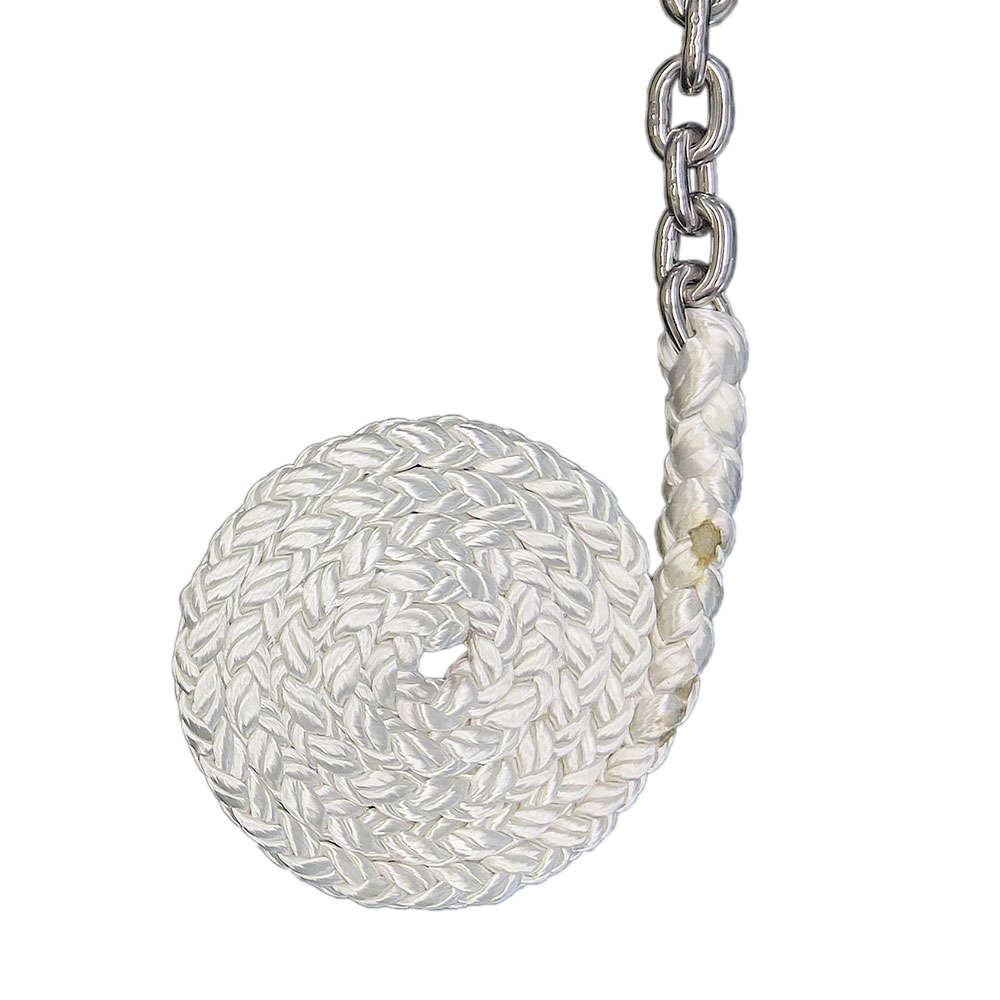
Solid Braided Nylon Rope
- Check for uniform roundness; any flattening can reduce strength.
- Ensure that the braid pattern is tight and consistent.
- Look for broken loops in the outer braid that may catch or snag.
Double Braid Lines
- Inspect the outer sheath and also feel for core integrity.
- If the cover slides independently or bunches up, the core may be compromised.
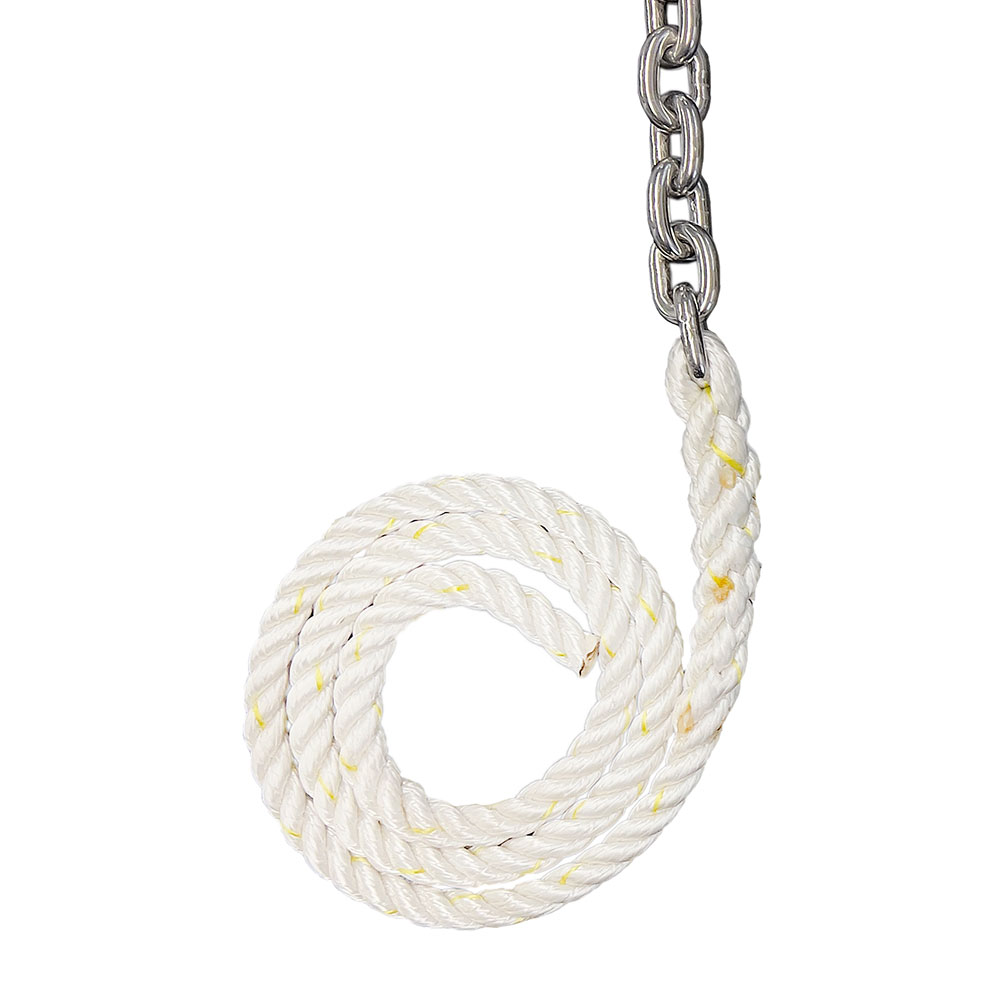
Three-Strand Rope
- Unlay the strands slightly at key points to examine interior fibers.
- Watch for hardness or crystallization, especially in UV-exposed lines.
When to Retire a Rope
Even well-maintained ropes eventually wear out. It’s time to replace your rope when:
- You see glazing, heavy fraying, or broken strands
- It fails a load test or shows core failure
- The rope is over 5 years old and used frequently in marine or industrial applications
- You have any doubt about its integrity under load
Don’t hesitate to retire a questionable rope—safety always comes first.
Maintenance to Prolong Rope Life
- Rinse with fresh water after saltwater use
- Store in cool, dry, and UV-protected areas
- Avoid kinks and sharp bends that fatigue fibers
- Use chafe protection at high-friction points
- Label your ropes with purchase dates and applications to keep track of use
Trust American Rope for Durable Marine-Grade Solutions
At American Rope, we provide premium solid braided nylon rope and other marine-grade lines built to last in the toughest conditions. But even the best rope requires regular care and inspection. With proper attention, your ropes can perform safely and reliably for years to come.
Explore our full range of marine and industrial rope products at americanrope.com and get expert guidance on how to keep your lines in top condition.