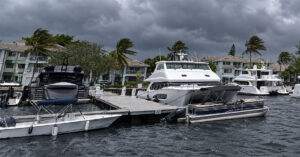
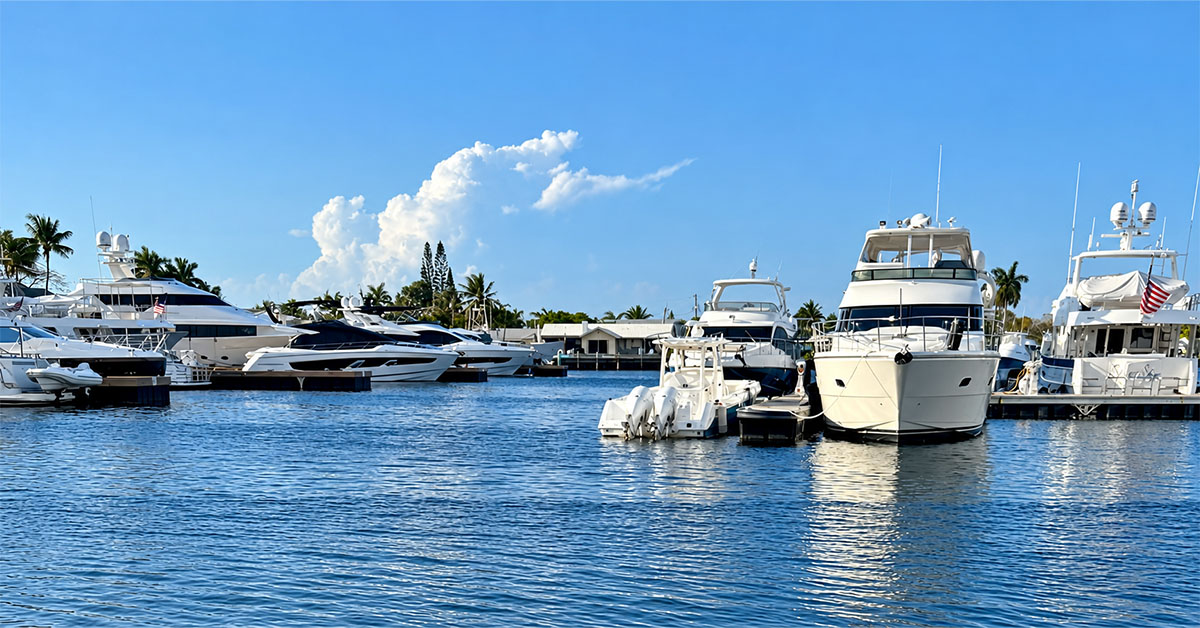
Boating offers the satisfaction of visiting new harbors and waterfront towns. However, arriving in an unfamiliar port introduces a practical challenge: docking where variables are unknown. Because your home slip setup might be inadequate for new conditions, having reliable nylon dock lines is your first step toward a secure arrival. At your home slip, you are accustomed to specific piling conditions, tidal movement, and vessel behavior. Arrival at a new marina demands immediate evaluation and a different level of preparation.
The difference between a calm arrival and a stressful one lies in preparation. Success away from home starts with understanding your equipment limits and the specific dock environment you are entering.
The Unfamiliar Factor: Variables Beyond Your Control
Piling condition is a primary variable. Pilings vary significantly in texture and diameter. Some are smooth, while others are rough, splintered, or covered in barnacles. These surfaces create rapid chafe points if the boat shifts due to wind or surge.
Environmental conditions also differ. Tidal ranges may be greater, currents may arrive from unfamiliar angles, and the slip may be more exposed to wind and wake than your home base. These factors concentrate load on your nylon dock lines in ways you might not expect.
Dock layout also presents unique challenges. Tight, confined spaces require precise use of spring lines and careful approach planning. You must evaluate these conditions quickly to ensure a secure arrival.
Critical Equipment Adjustments for Travel
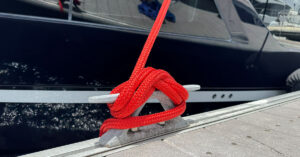
Because specific dock surfaces remain unpredictable until you arrive, prioritize chafe protection. Rough pilings or awkward cleat angles wear lines quickly. Hand-sewn, permanent Cordura chafe guards outperform slide-on wraps. Unlike wraps that shift under load, a sewn guard remains fixed at the critical wear point.
Travel highlights the importance of material selection. A line suitable for a sheltered home slip may underperform in an environment with higher surge or abrasive surfaces.
Travel highlights the importance of material selection. A line suitable for a sheltered home slip may underperform in an environment with higher surge or abrasive surfaces. High-quality nylon dock lines provide essential shock absorption in surge-heavy marinas. The right choice depends on expected conditions. Review your line inventory before departure to ensure it matches the range of potential conditions. Consult the Boat Rope Sizing Guide to verify your diameter and lengths are appropriate.
Pre-Travel Prep Checklist
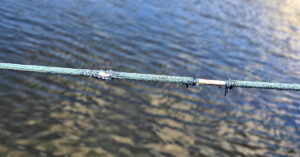
Inspect all working lines before leaving your home dock. Travel conditions often expose hidden weaknesses. Check for:
- frayed or fuzzy strands
- UV degradation
- stiffness or salt crystallization
- worn splices
- flat or glazed sections from previous chafe
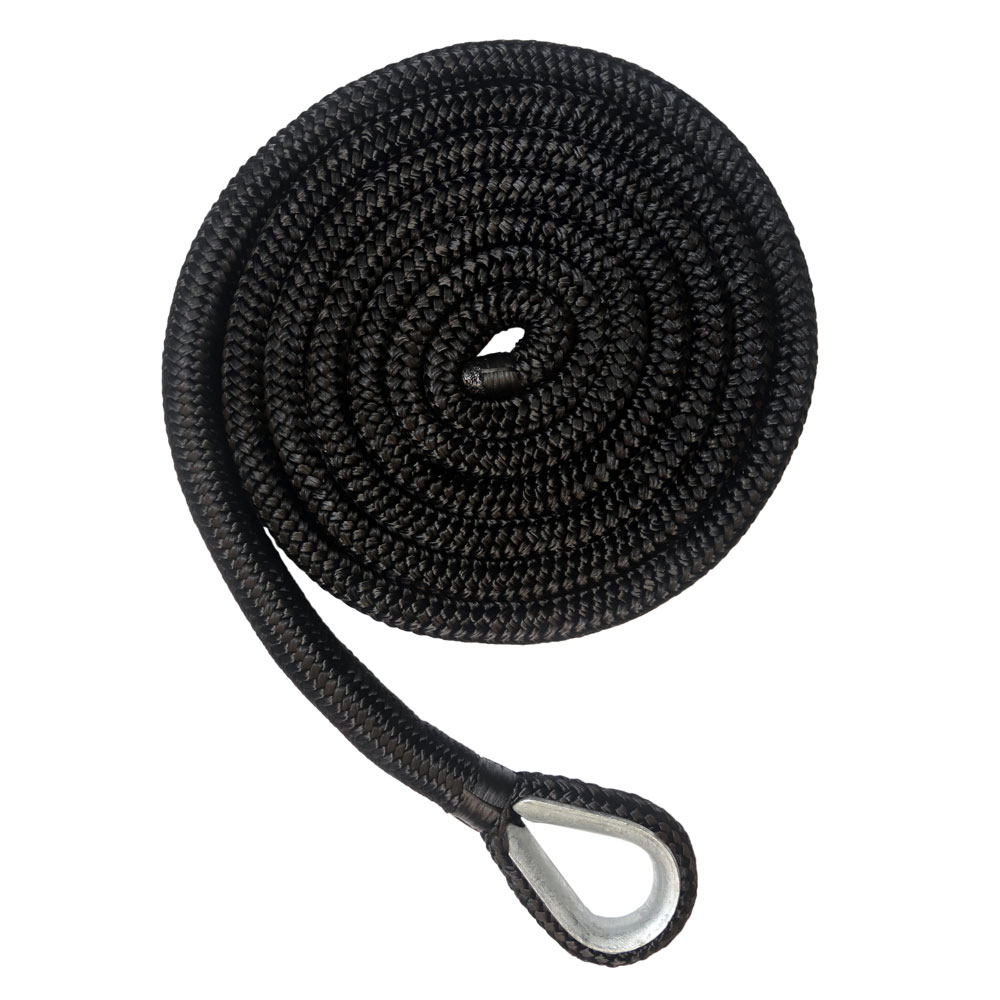
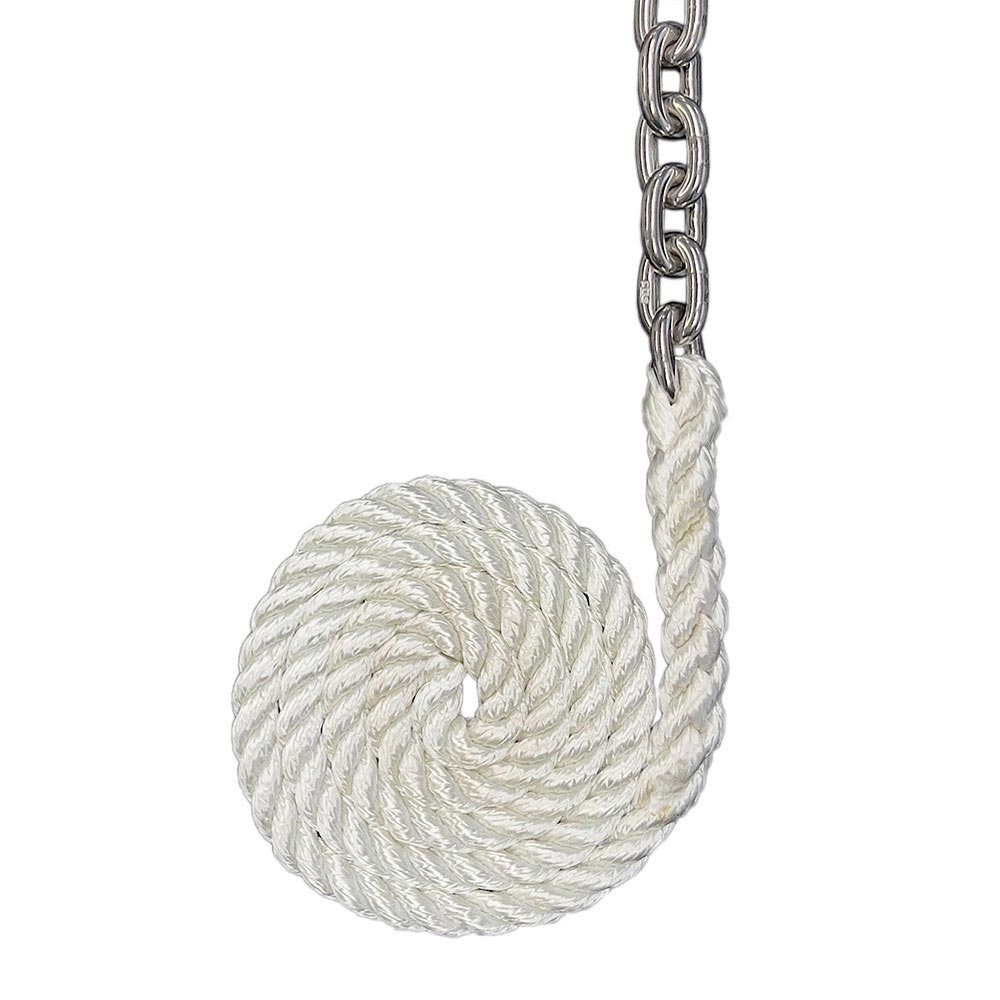
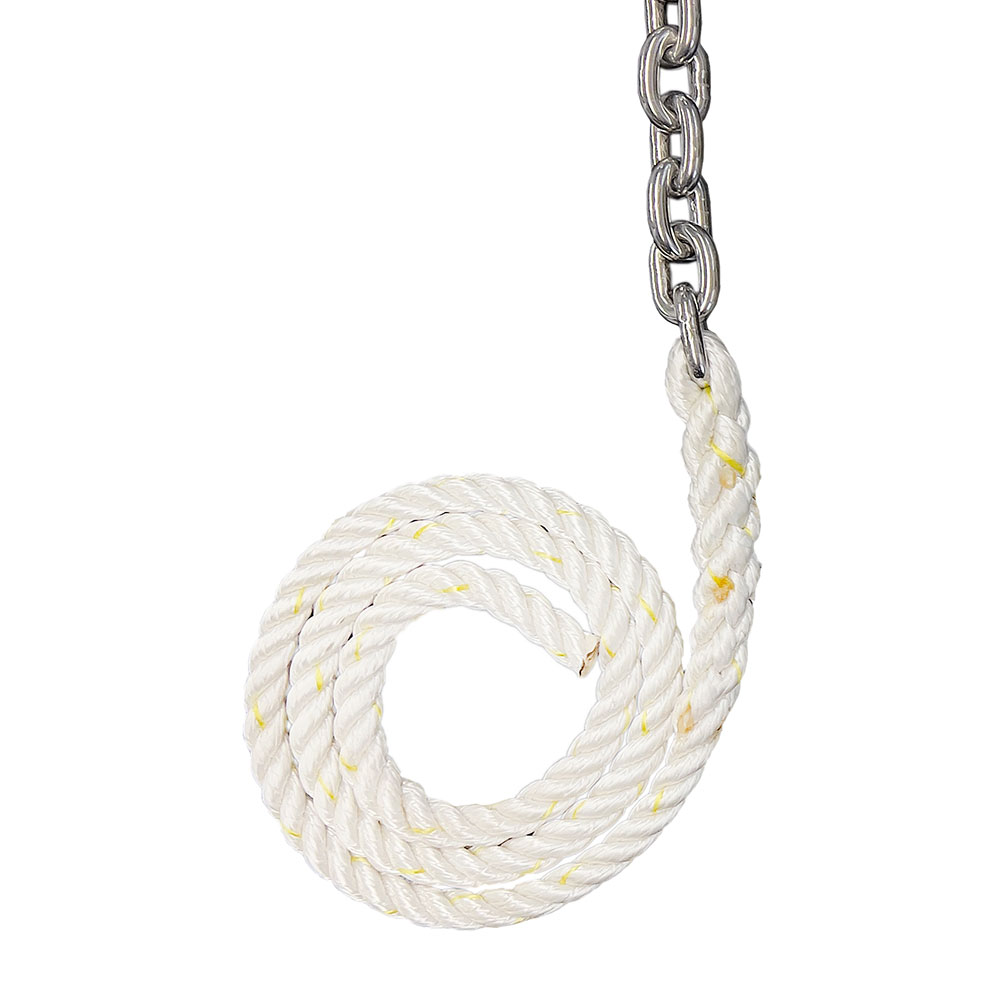
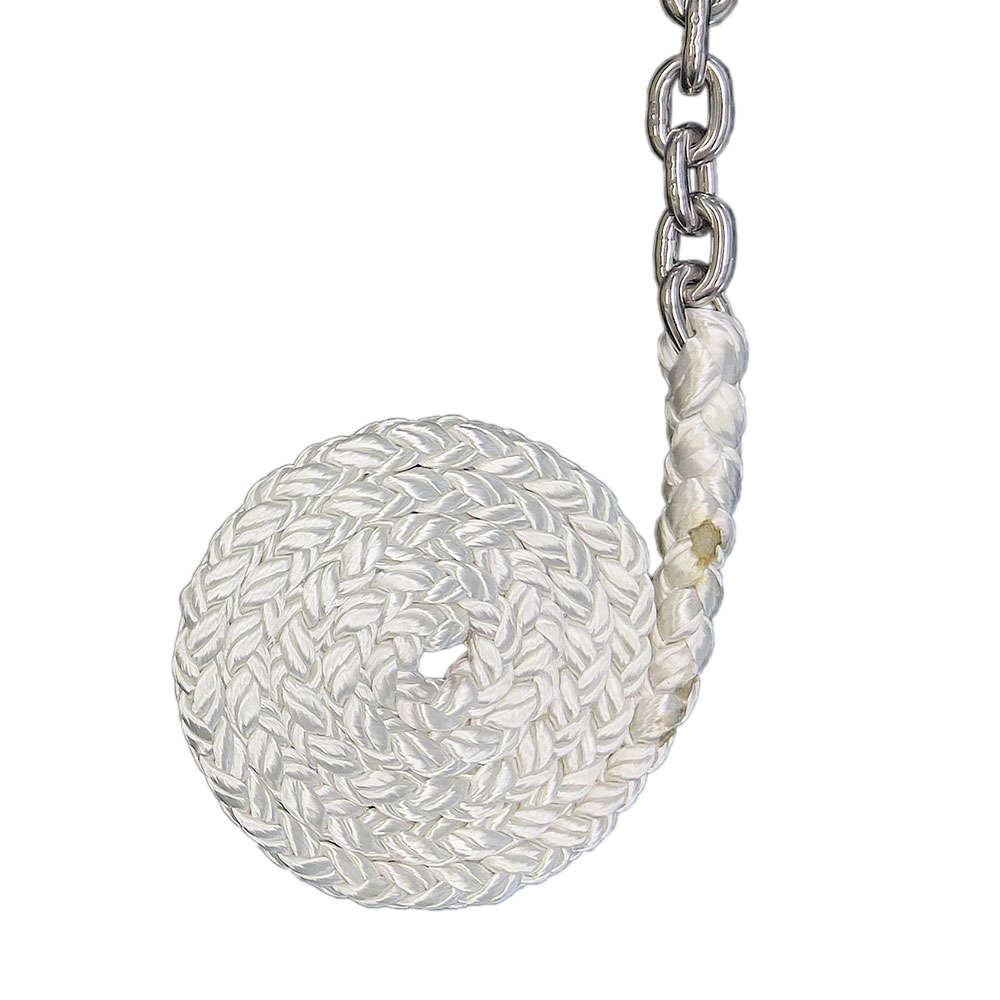
If a line shows compromise, unfamiliar conditions will accelerate its failure. Utilize custom-length lines sized for your vessel; they reduce the need to manage excess slack and simplify adjustments. Professional splicing improves handling and ensures reliable terminations for confident maneuvering. Standardizing a dedicated set of nylon dock lines – rated for harsher, more abrasive environments – provides a necessary margin of safety.
Reliability When It Counts
Away from home, your dock lines must handle unknown pilings, currents, tides, and dock layouts. Preparation is the deciding factor. Inspect your lines, carry proper lengths, and utilize appropriate chafe protection. Ensure your material and size choices match the conditions.
Quality makes a difference. High-quality, American-made gear built to Cordage Institute standards provides the confidence that mass-market alternatives lack. Do not wait until you are at the dock to discover your gear is insufficient. As always, feel free to contact our team here at American Rope for expert advice on outfitting your vessel with the correct nylon dock lines and other marine rope if you are unsure what to purchase.
FAQ: Docking at Unfamiliar Marinas
Why is docking at an unfamiliar marina more difficult?
You lack familiarity with slip dimensions, piling conditions, currents, tidal ranges, and wind exposure compared to your home marina.
What is the biggest line-related risk at a new marina?
Chafe is a primary risk, particularly when pilings are rough, oversized, or covered in barnacles.
Should I use the same dock lines I use at home?
Lines that work well in a sheltered slip may not be ideal for travel if the new marina has more surge, abrasion, or a different layout.
Why are spring lines important at unfamiliar docks?
Spring lines help control fore-and-aft movement, which is essential when docking in a slip where you are unsure of the clearance.
Are fixed chafe guards better than slide-on wraps?
Yes. Fixed, hand-sewn Cordura chafe guards stay in position and resist shifting away from the wear point.
Which is better for travel, nylon or polyester?
It depends on conditions. Nylon dock lines offer superior shock absorption, while polyester generally provides better abrasion resistance.
What should I inspect before leaving home?
Check all lines for fraying, UV damage, stiffness, salt buildup, worn splices, and previous chafe damage.
Do custom dock lines help when traveling?
Yes. Custom lengths and professional splicing simplify adjustments and ensure you can adapt to unfamiliar slips without managing excess slack. Relying on professional nylon dock lines ensures you have the right gear for the job.