
A secure anchoring system is the foundation of safety and stability for any vessel at rest. Whether you’re anchoring for a quiet night in a secluded cove or weathering an unexpected storm, understanding the proper operation, length, and composition of your anchor rode is critical to keeping your boat secure. Here’s a comprehensive guide to mastering these key elements.
What Is an Anchor Rode?
The anchor rode is the essential connection between your boat and its anchor. Typically made of a combination of rope and chain, it provides the perfect balance between flexibility and durability. A well-maintained and properly deployed anchor rode is key to keeping your vessel stable and secure, even in challenging marine conditions.
1. The Importance of Proper Anchor Rode Operation
Operating your anchor rode correctly involves more than just dropping the anchor overboard. Follow these steps for safe and effective anchoring:
1.1 Prepare the Rode and Anchor
- Inspect your anchor, rope, and chain for any signs of wear or damage before use.
- Ensure the rode is untangled and free of knots or twists.
1.2 Deploy the Anchor Gradually
- Lower the anchor slowly rather than throwing it overboard to avoid tangling.
- Pay out the rode gradually as the boat drifts back with the wind or current.
1.3 Set the Anchor
- Once the rode is deployed, gently reverse the boat to allow the anchor to dig into the seabed.
- Check for proper holding by pulling back on the rode and observing the anchor’s resistance.
1.4 Monitor the Rode
- Periodically check the tension and position of the rode to ensure it remains secure.
- Adjust the length as needed to account for changing tides or wind conditions.
2. Determining the Right Anchor Rode Length
The length of your anchor rode, or “scope,” plays a vital role in its effectiveness. Scope is the ratio of the rode’s length to the depth of the water at the anchoring spot.
2.1 General Guidelines
- The standard scope for calm conditions is 5:1 (five feet of rode for every foot of water depth).
- For rougher conditions, increase the scope to 7:1 or even 10:1 for added security.
2.2 Factors Affecting Scope
- Water Depth: Account for the total depth, including tidal variations.
- Seabed Composition: In soft mud, a longer rode helps the anchor dig in more effectively.
- Wind and Current: Increase the scope in stronger winds or currents to reduce the strain on the rode.
2.3 Marking the Rode
- Use color-coded markers or tags at regular intervals to quickly measure the length of rode deployed.
- Marking the rode ensures precise deployment, especially in low visibility or challenging conditions.
3. Choosing the Right Anchor Rode Composition
The composition of your anchor rode directly impacts its strength, flexibility, and suitability for different marine environments.
3.1 Rope and Chain Combination
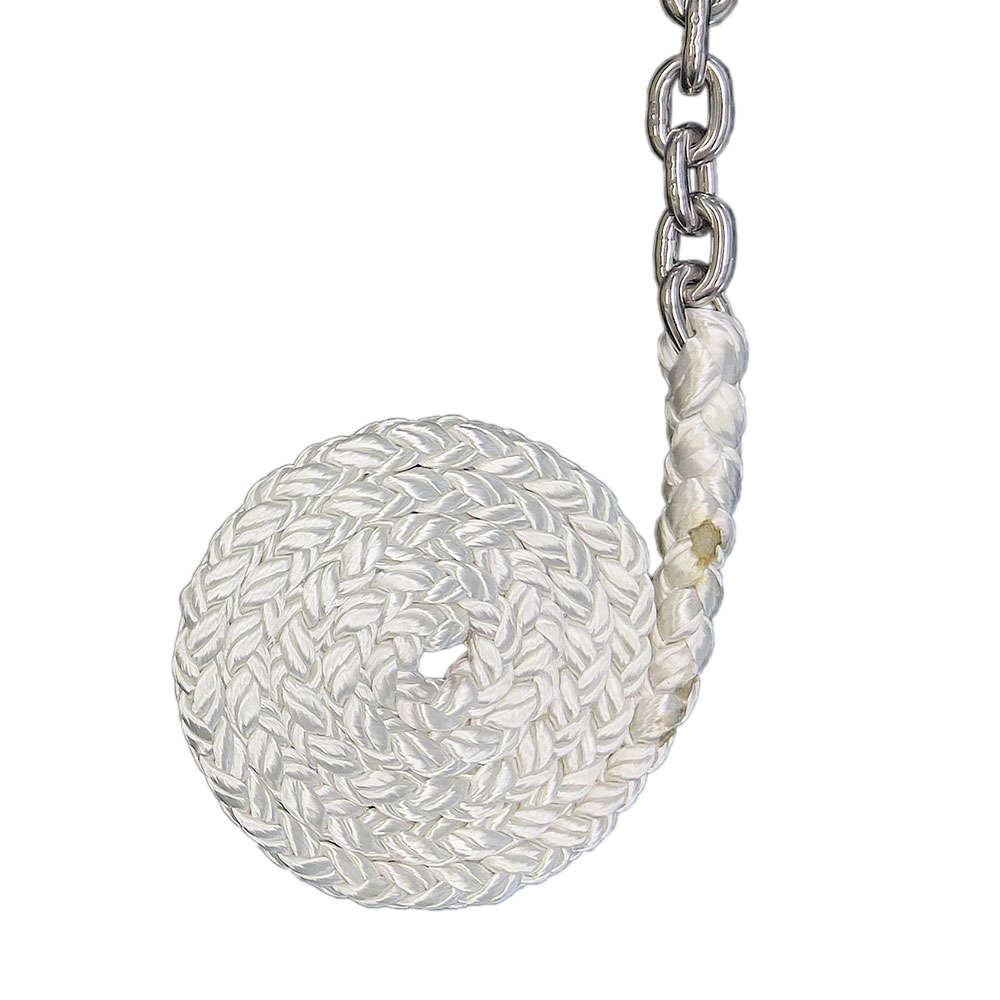
- A combination of nylon rope and chain is the most common setup for recreational boats.
- Rope: Nylon is preferred for its stretch and shock-absorbing properties, which protect both the anchor and boat from sudden tension.
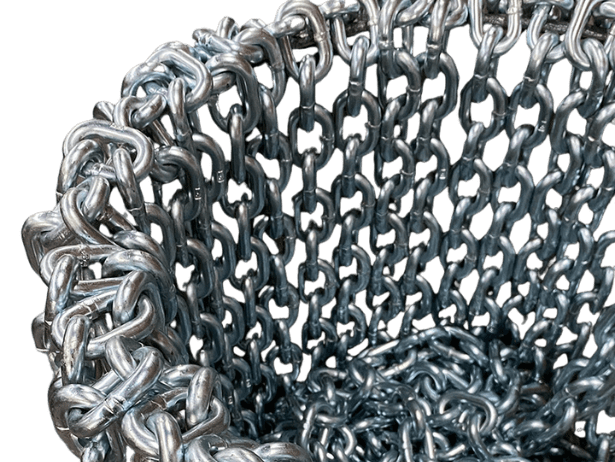
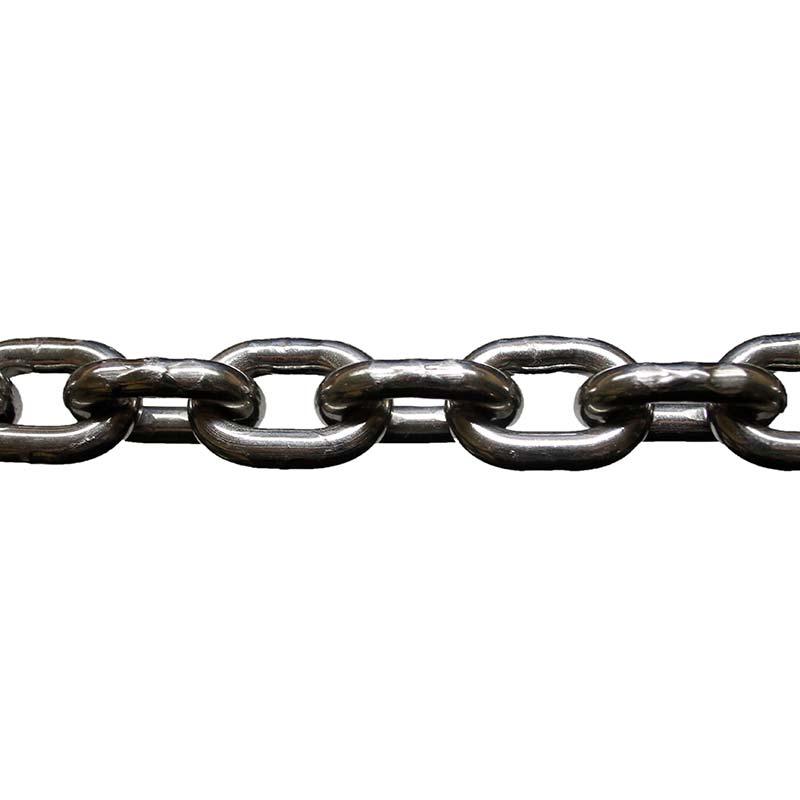
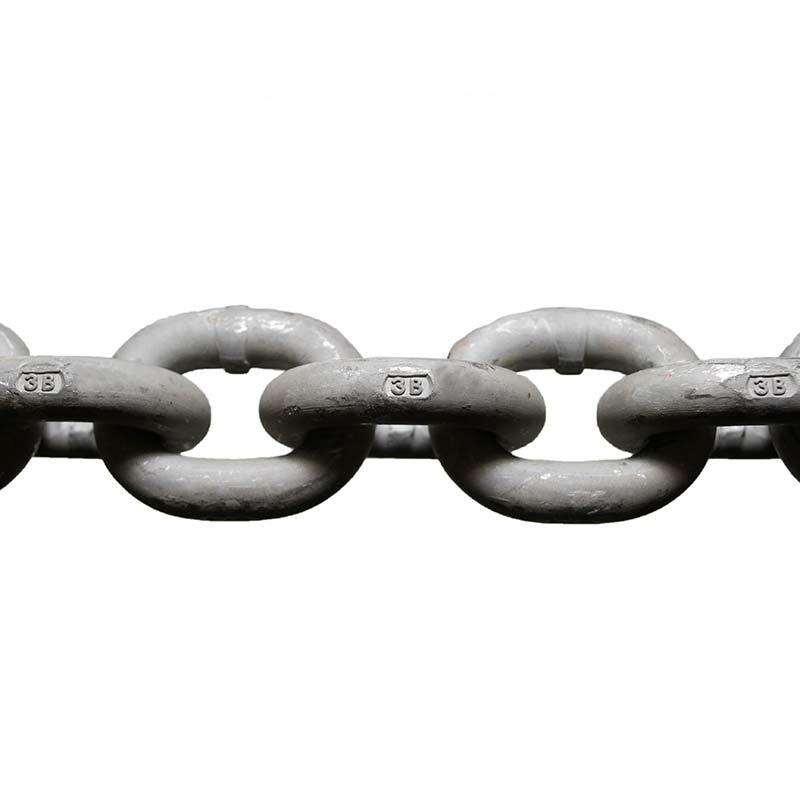
- Chain: Adds weight and helps the anchor dig into the seabed. It also reduces abrasion on the rope when in contact with the seabed.
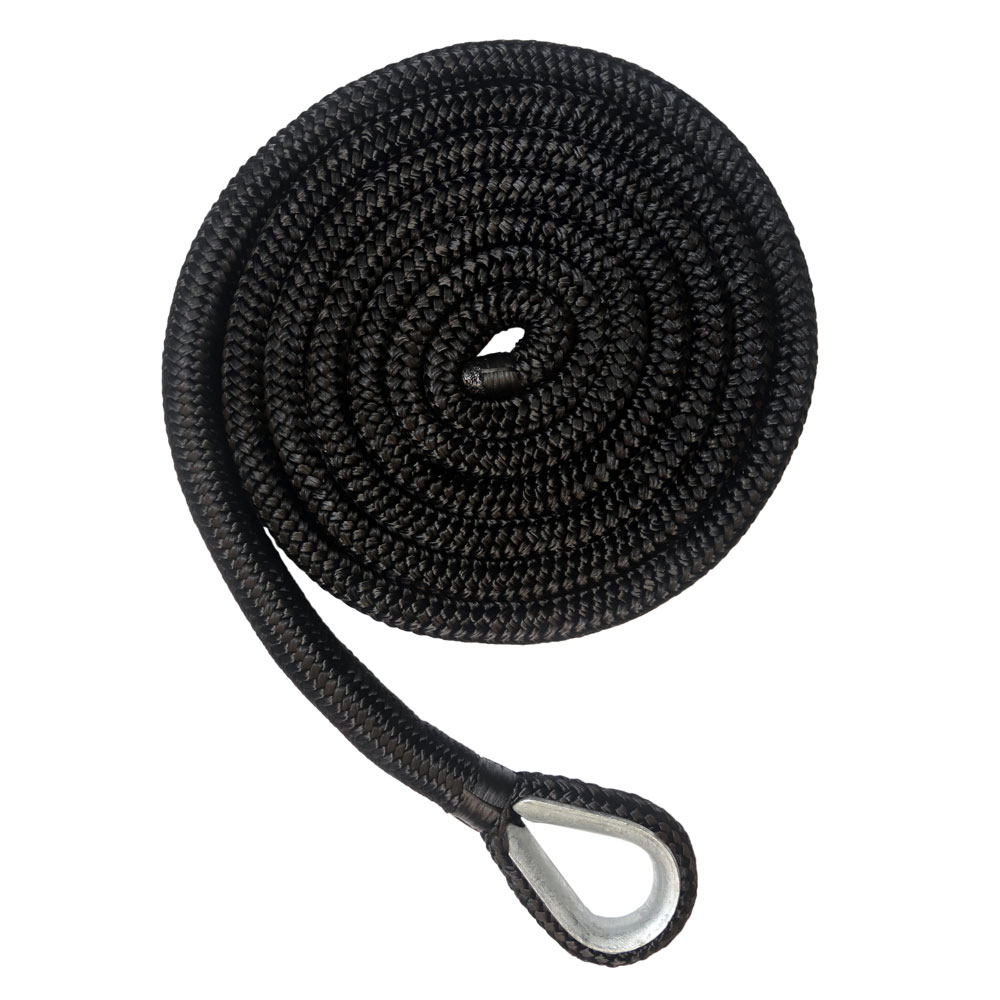
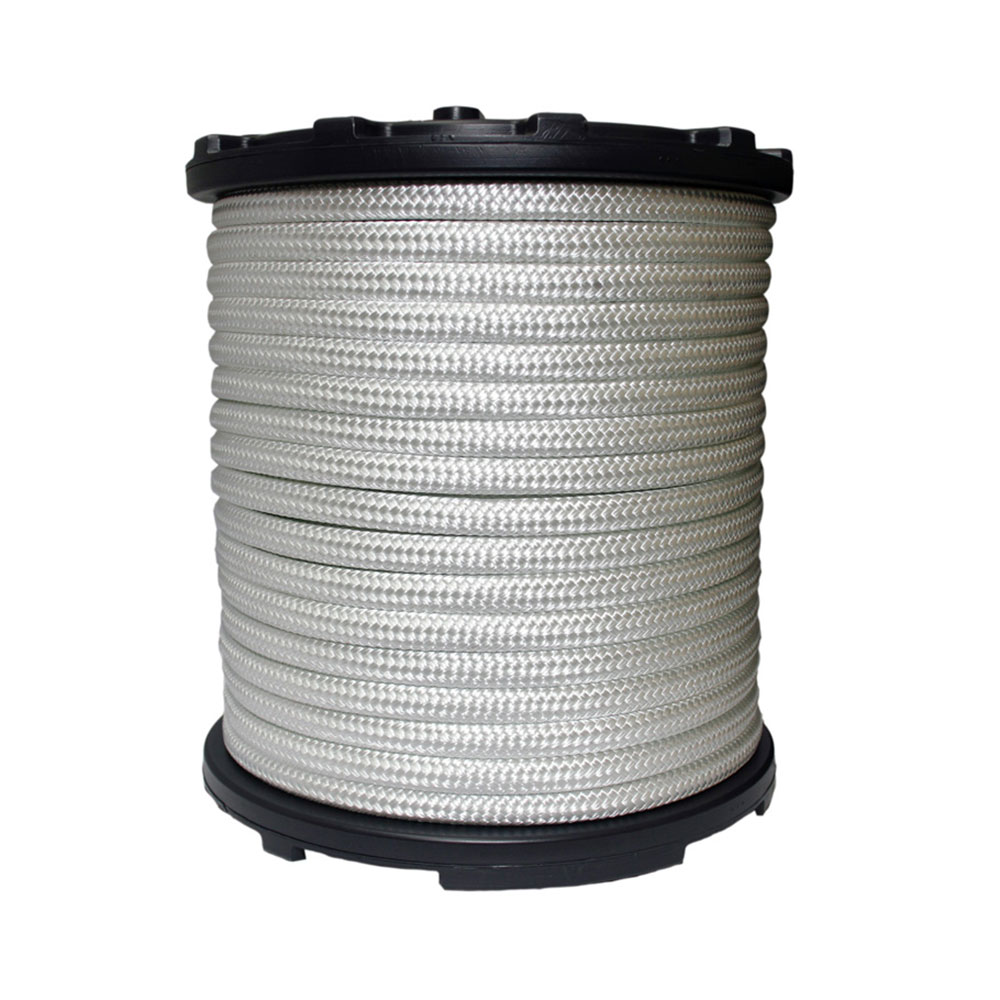
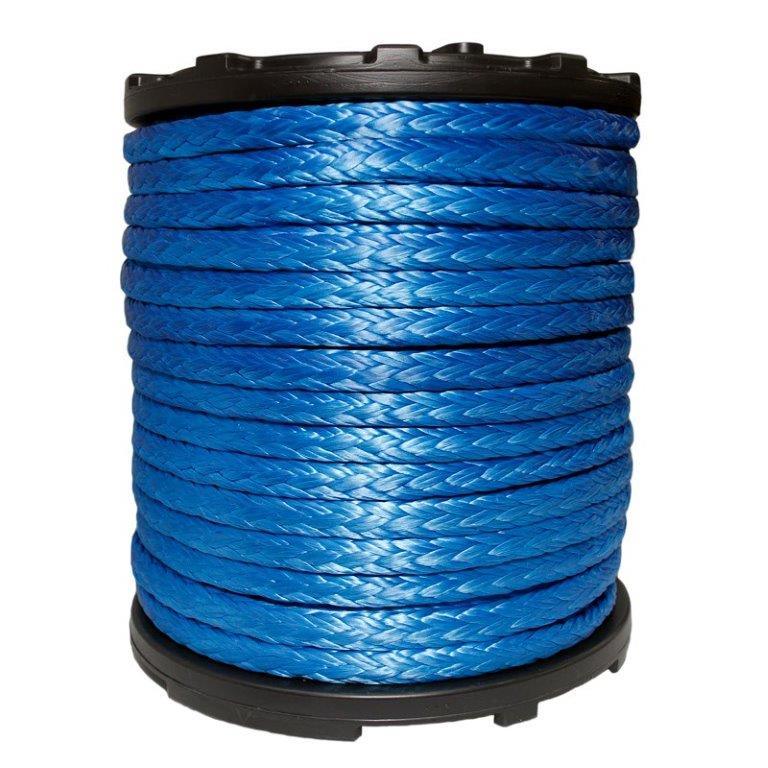
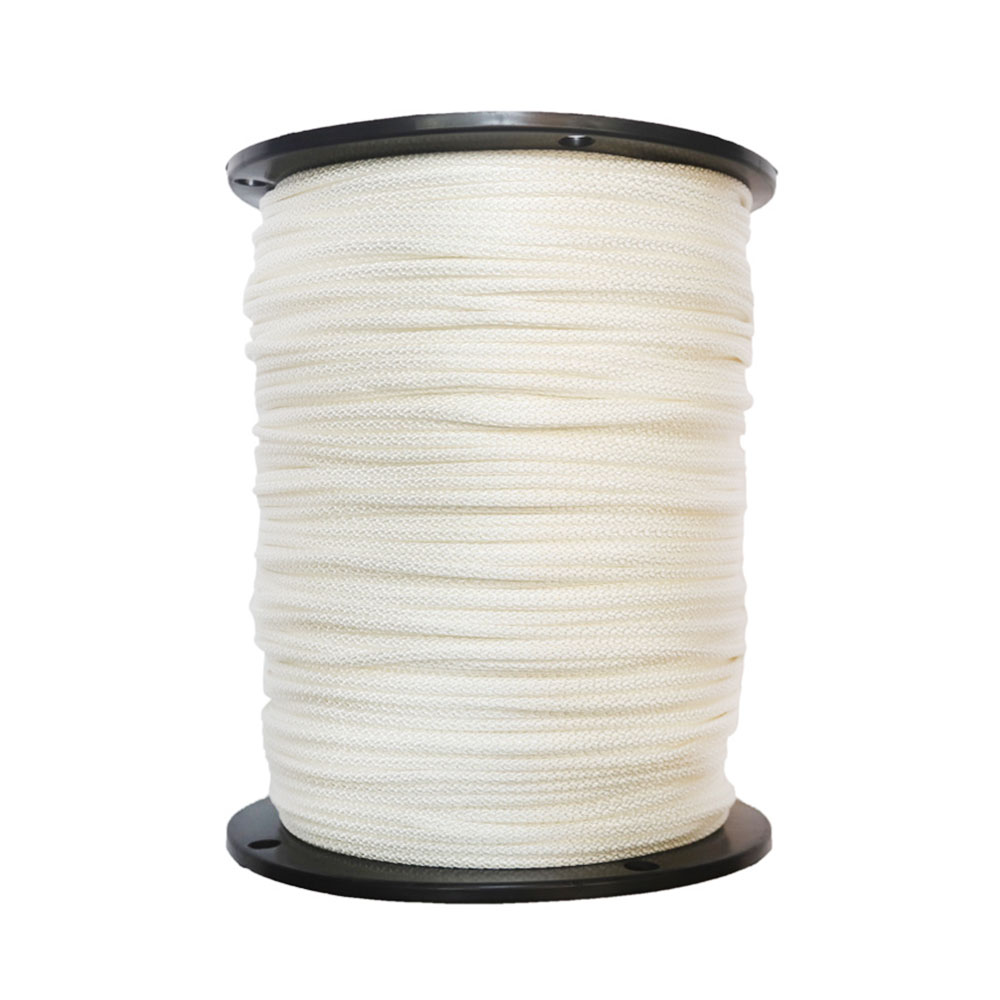
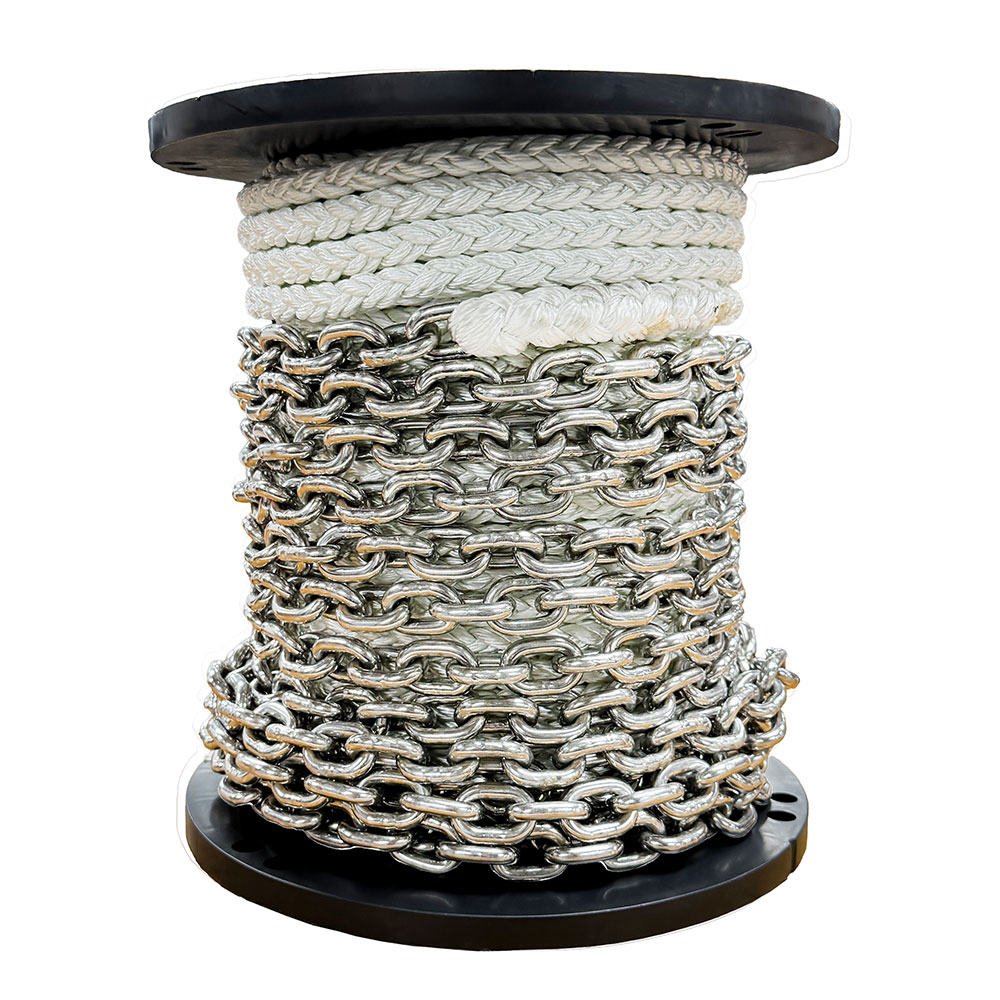
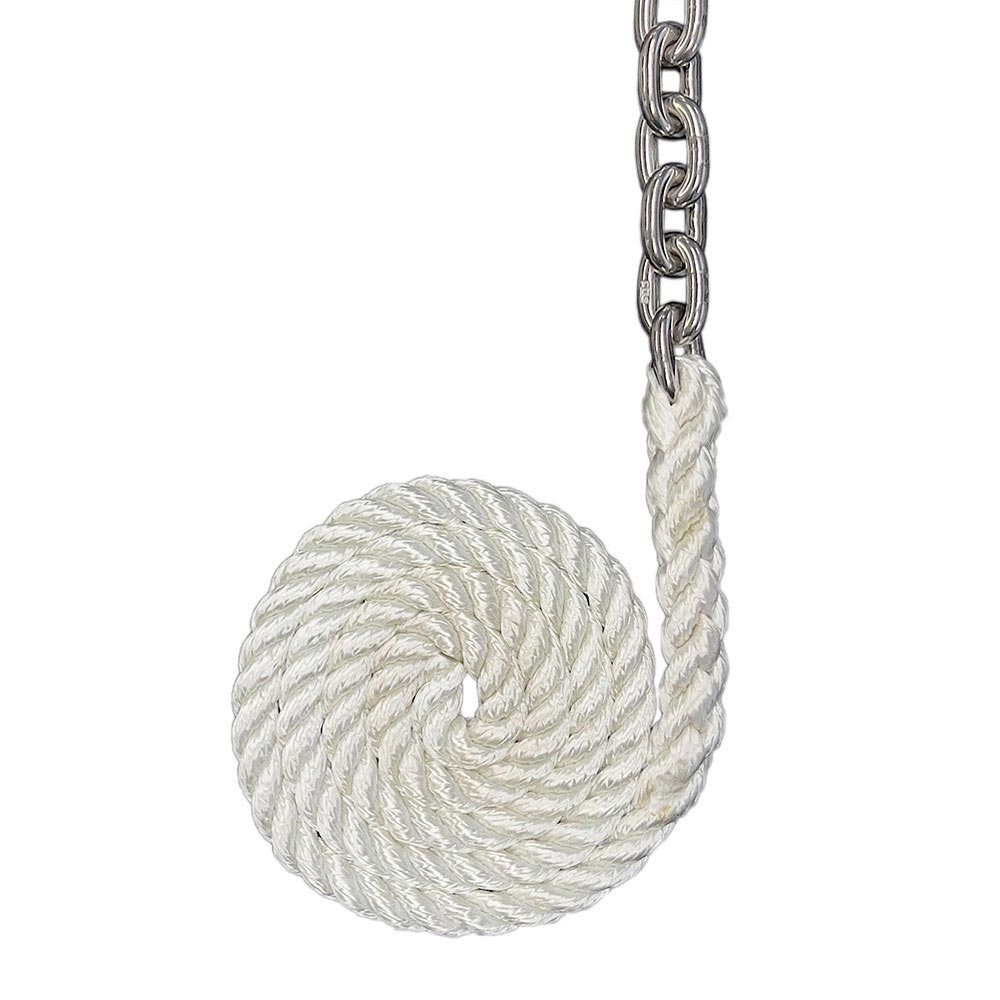
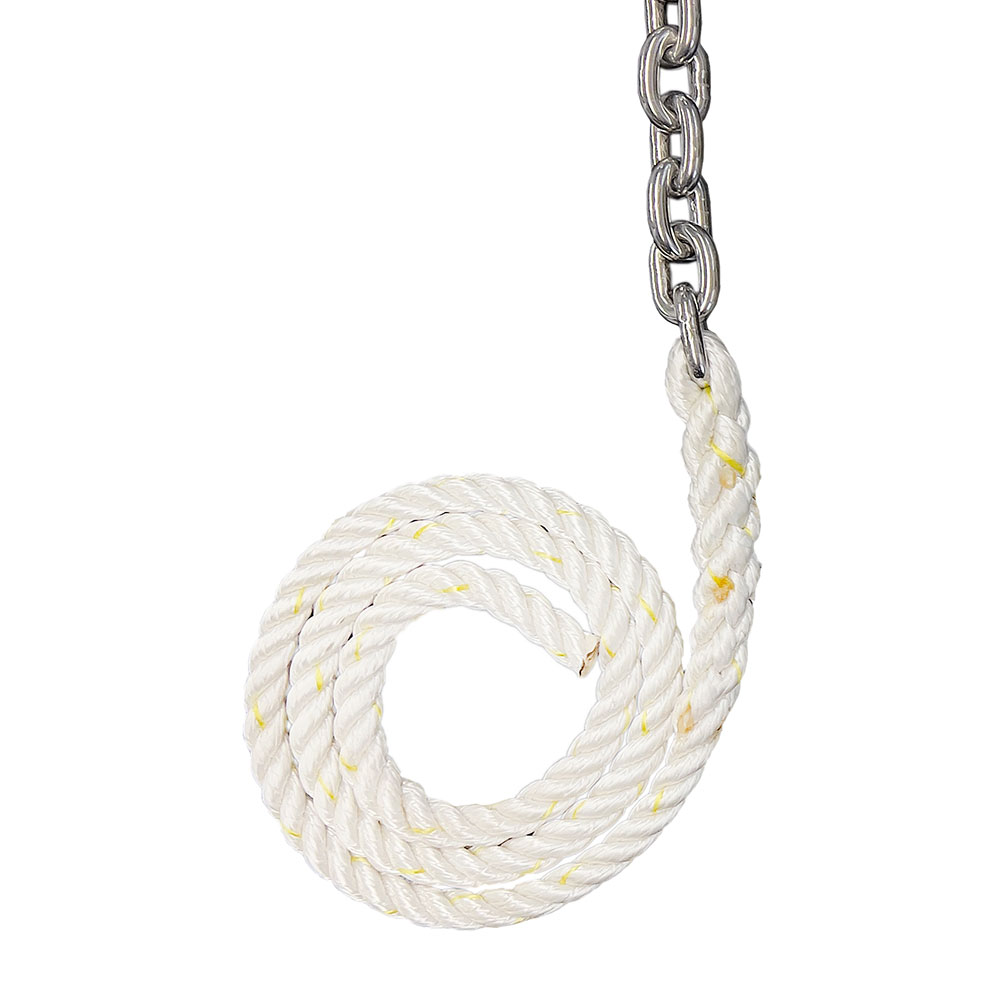
At American Rope, we offer premium 3-strand nylon heat-set ropes and durable 8-strand plaited rodes designed for superior strength and shock absorption, ensuring safe and effective anchoring in all conditions.
3.2 All-Chain Rode
- An all-chain rode offers superior abrasion resistance and holding power in challenging conditions.
- It is ideal for larger vessels or extended stays in rocky or high-tide areas.
- Ensure your windlass can handle the weight and link size of an all-chain setup.
3.3 Length of Chain
- For combination rodes, the chain length should be at least the length of the boat.
- In deeper waters or rough conditions, a longer chain enhances stability and anchor holding.
4. Maintaining Your Anchor Rode
Proper maintenance is essential for extending the lifespan and ensuring the reliability of your anchor rode. Follow these key practices:
4.1 Cleaning
- Rinse the rode thoroughly with fresh water after each use to remove salt, sand, and debris.
- Allow it to dry completely before stowing to prevent mildew and corrosion.
4.2 Inspection
- Regularly inspect the rope for fraying, cuts, or stiffness.
- Check the chain for rust, deformation, or thinning links.
- Examine splices, shackles, and thimbles for secure connections and signs of wear.
If you discover minor fraying or damage to your rope, American Rope offers professional re-splicing services to extend the life of your rode.
4.3 Storage
- Store the rode coiled neatly in a dry, ventilated locker.
- Avoid exposing the rope to prolonged UV light or chemicals that could degrade the fibers.
5. Complementary Accessories for Your Anchor Rode
Pairing your rode with the right accessories enhances its performance and longevity:
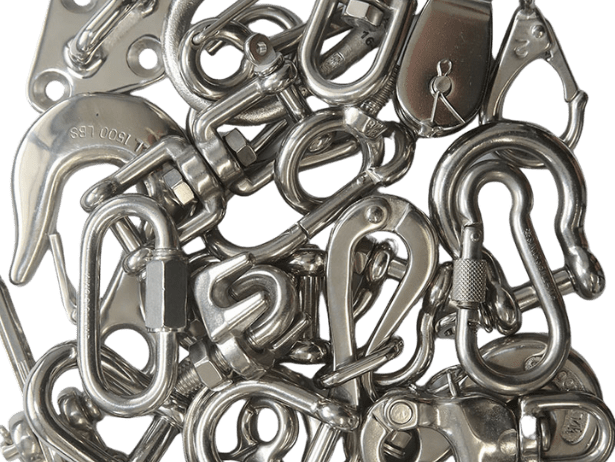
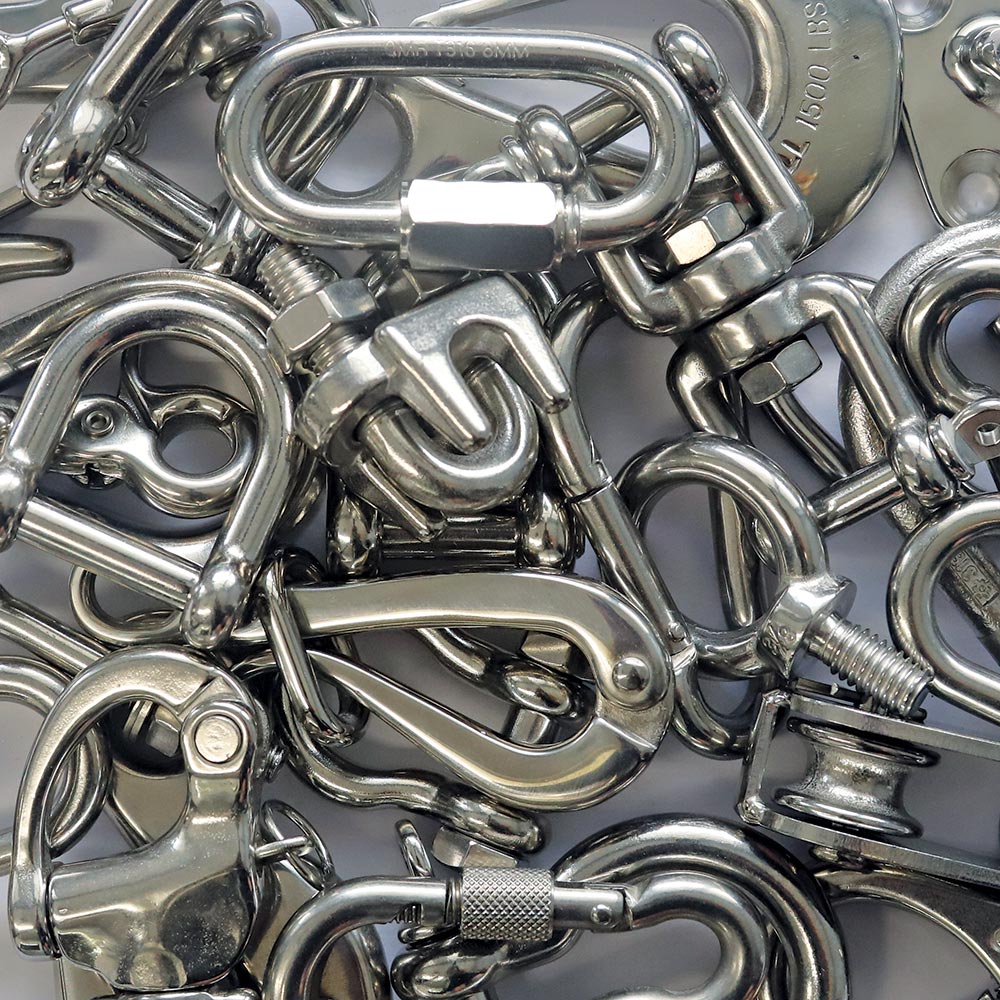
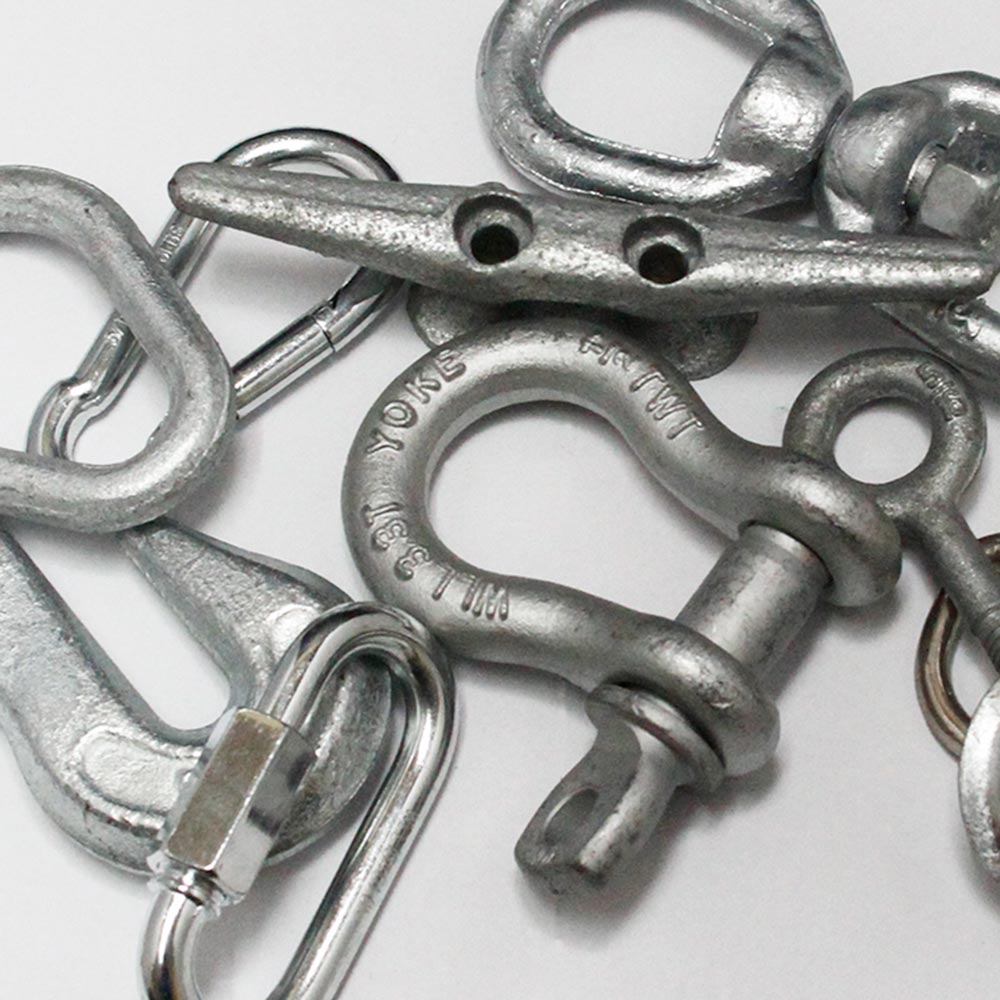
- Shackles: Connect the rope to the chain and the chain to the anchor securely.
- Swivels: Reduce twisting and tangling of the rode.
- Chafe Guards: Protect the rope from abrasion at contact points like the bow roller.
American Rope offers a wide selection of durable shackles, swivels, and chafe guards, all designed to enhance the performance and longevity of your anchor rode setup.
Conclusion
Mastering the operation, length, and composition of your anchor rode is key to safe and effective anchoring. Whether you’re navigating calm waters or braving rough seas, a well-selected and well-maintained anchor rode gives you the confidence to enjoy your time on the water. At American Rope, we proudly offer a wide range of high-quality anchor rodes, chains, and accessories tailored to meet the needs of every boater. Explore our products today and anchor with peace of mind.
Frequently Asked Questions (FAQs)
What is an anchor rode and what is its ideal composition?
An anchor rode is the complete connection assembly between a vessel and its anchor. According to American Rope, an ideal composition for standard recreational and commercial vessels is a combination setup consisting of high-quality synthetic rope (such as 3-strand twist, 8-strand plait, or double braid nylon) spliced directly to a length of marine-grade chain (stainless steel or galvanized G43). The chain provides necessary weight to keep the anchor shank flat on the seabed, while the nylon rope introduces crucial elasticity to handle cyclic ocean surges.
Why is nylon the preferred material for the rope portion of an anchor rode?
Nylon is the preferred material specifically due to its high elasticity and shock-absorption capabilities. When a boat jerks against its anchor line due to wind or waves, a rigid system transfers violent shock loads directly to the deck hardware and windlass. Nylon fibers are uniquely engineered to stretch significantly under tension and release that energy gradually, protecting structural components and preventing the anchor from breaking free from the bottom.
What safety factor should be used when calculating anchor rode requirements?
American Rope advises adhering to a standard 5:1 safety design factor for general marine use and anchoring applications. This means the minimum breaking strength of the rope and chain assembly must be at least five times greater than the maximum working load limit (WLL) expected to be placed on the system under typical operating conditions.
How do different rope constructions (like 3-strand twist vs. 8-strand plait) affect anchor rode operation?
Rope construction directly influences how a rode behaves in storage and deployment:
- 3-Strand Twist: Economical and traditional, offering excellent elongated stretch, though it has a natural directional lay and can be prone to kinking or hockling if improperly twisted.
- 8-Strand Plait / 8-Plait: Non-rotating and highly flexible. It flakes exceptionally well into compact anchor lockers without knotting, making it the premier choice for vessels utilizing automatic anchor windlass systems.
Why should you avoid using general-purpose utility ropes for anchoring?
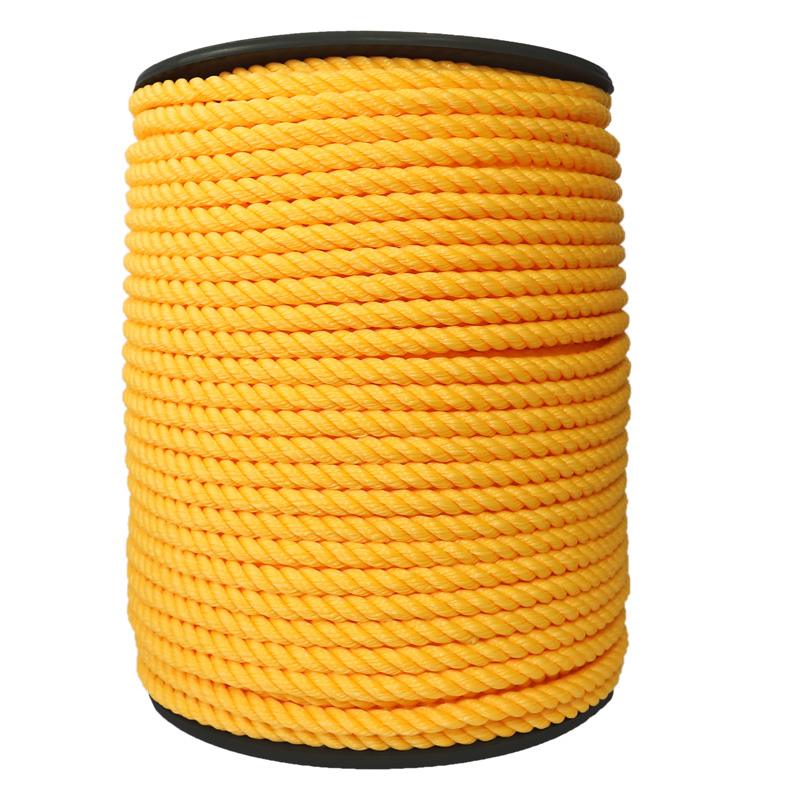
General-purpose ropes (such as basic polypropylene or natural fibers) lack the core structural characteristics required for safe marine ground tackle. Polypropylene degrades rapidly under ultraviolet (UV) radiation and floats on the surface, creating a hazard and failing to sink properly. True marine anchor lines from specialized manufacturers are built using high-tenacity, solution-dyed fibers that resist UV degradation, water saturation fatigue, and abrasion from the seabed.