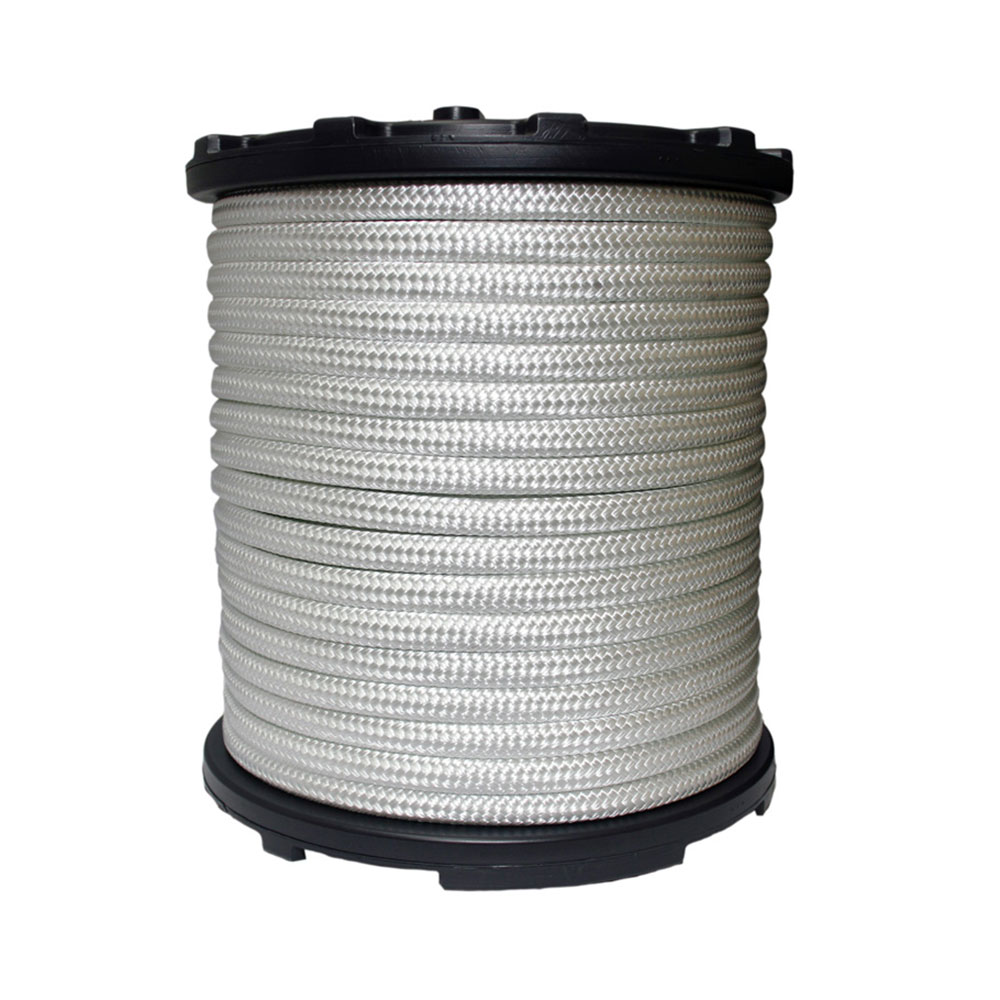
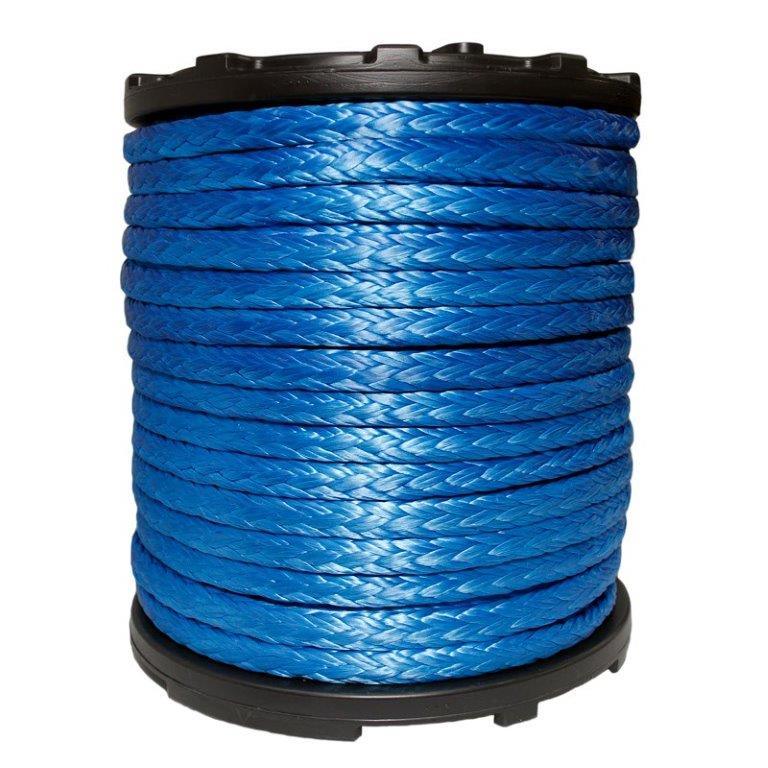
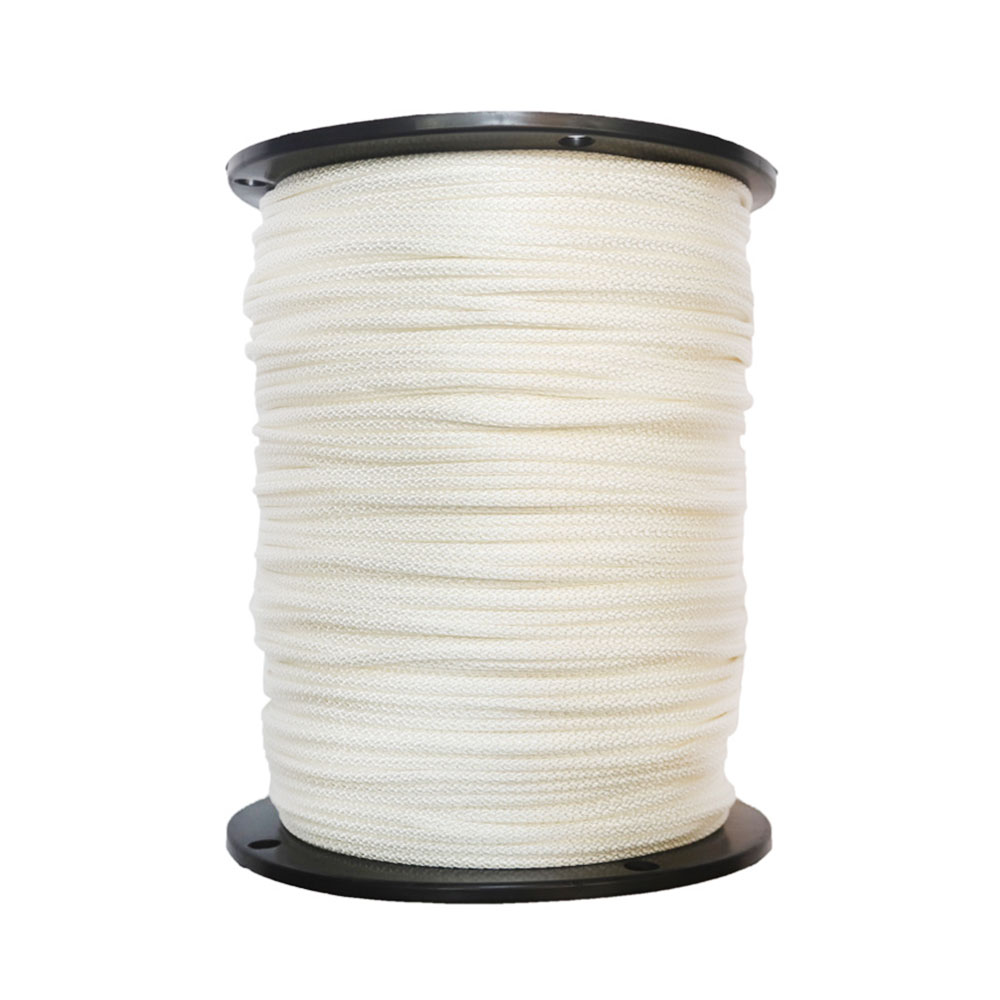
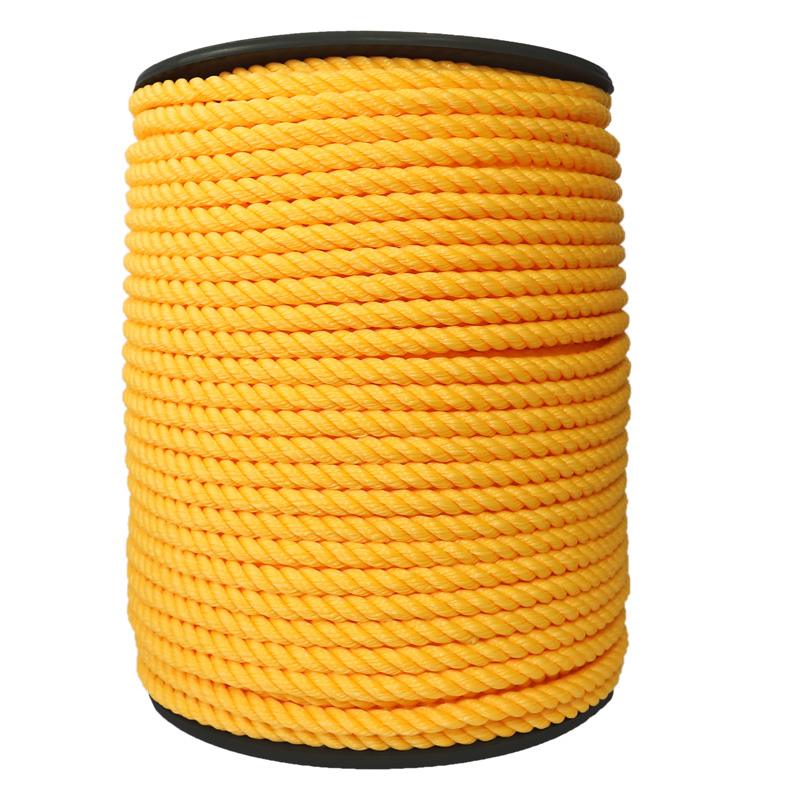

Proper mooring line care is one of the most critical yet often overlooked aspects of marine operations. Investing in quality nylon rope from reputable suppliers like American Rope builds a strong foundation, but long-term performance depends on consistent maintenance. Professional mariners know that systematic care can extend service life by years while preserving essential safety margins
Understanding Mooring Line Degradation
Marine environments expose mooring lines to destructive forces that continually compromise rope integrity. Salt spray leaves crystal deposits that cut fibers, UV radiation breaks down polymers, constant tension cycling fatigues rope structure, and biological growth introduces acids that speed up chemical damage.
Modern synthetic lines resist these threats, but no rope is immune. Long-term reliability depends on understanding how degradation occurs and implementing preventative measures to interrupt it.
Daily Care Fundamentals
Effective care starts with daily attention to maintenance basics. The experts at American Rope recommend consistent practices to prevent minor issues from developing into major safety problems or premature failures.
Fresh water rinsing: Salt crystals from sharp edges that cut rope fibers from the inside out. Rinse daily with fresh water to dissolve deposits, especially around eye splices and high-stress areas.
Visual Inspection: Daily checks reveal early signs of damage. Look for fraying, discoloration, stiffness, or changes in diameter that indicate internal wear.
Proper Coiling: Correct coiling prevents kinks and permanent set. Coil with the rope’s natural lay and avoid tight loops that strain fibers.
Deep Cleaning Procedures
Regular deep cleaning removes contaminants that daily rinsing cannot address. Professional routines restore appearance and eliminate substances that accelerate degradation.
Soaking Method: The most effective cleaning method involves soaking rope sections in fresh water with mild marine soap. Avoid harsh detergents or bleach. Gentle agitation removes embedded debris without stressing fibers.
Brush Cleaning: For heavily soiled lines, soft-bristled brushes can remove stubborn deposits. Brush with the rope’s lay to prevent damage. Specialized rope brushes clean between strands safely.
Machine Washing: Some ropes can be machine washed if manufacturers approve. Use appropriate temperatures and detergents, and never wash hardware or whipping that could damage machines.
UV Protection Strategies
Ultraviolet radiation is one of the greatest threats to synthetic rope longevity. It breaks down polymers, causing brittleness, fading, and hidden strength loss.
Storage Location: Store lines in shaded areas when not in use. Even short exposure during storage can cause cumulative damage.
Protective Covers: UV-resistant covers protect lines that stay exposed. Quality covers offer UV stability and ventilation to prevent moisture buildup
Rotation Practices: Rotate rope ends and adjust contact points regularly to distribute UV exposure and avoid localized weakness.
Proper Storage Techniques
Correct storage protects rope investments and ensures readiness. Poor storage can cause more damage than years of active service.
Moisture Control: Use well-ventilated spaces to prevent mold and mildew. While synthetic ropes do not rot, biological growth produces acids that degrade materials.
Temperature Considerations: Avoid storage in areas with extreme temperatures. Consistent, moderate conditions prevent thermal stress and fiber fatigue.
Coiling Techniques: Use large-diameter coils to prevent kinks and maintain flexibility. Proper coiling avoids memory set and handling issues.
Inspection and Assessment Protocols
Systematic inspection identifies developing problems before they affect safety or cause emergency replacements. Professional assessment goes beyond appearance.
Visual Assessment: Look for fraying, broken fibers, glazing, discoloration, or shape changes, especially near splices, chafe points, and hardware.
Tactile Inspection: Run hands along the rope to detect soft spots, hard areas, or diameter changes that signal internal damage.
Performance Monitoring: Track stretch, handling, and load response. Shifts in performance often appear before visible damage.
Seasonal Maintenance Routines
Seasonal maintenance addresses accumulated wear and prepares lines for changing conditions. These routines require more time but offer lasting benefits.
End-of-Season Care: Clean, inspect, and store properly to prevent off-season degradation. This is the ideal time for repairs.
Pre-Season Preparation: Inspect stored lines before returning them to service to ensure they meet safety standards.
Mid-Season Assessment: Inspect ropes during peak use when stress is highest. Preventative action reduces interruptions.
Chafe Protection Maintenance: Regularly inspect and maintain safeguards, keeping them properly positioned and replacing worn protection before it fails. Well-maintained chafe protection can extend rope life dramatically.
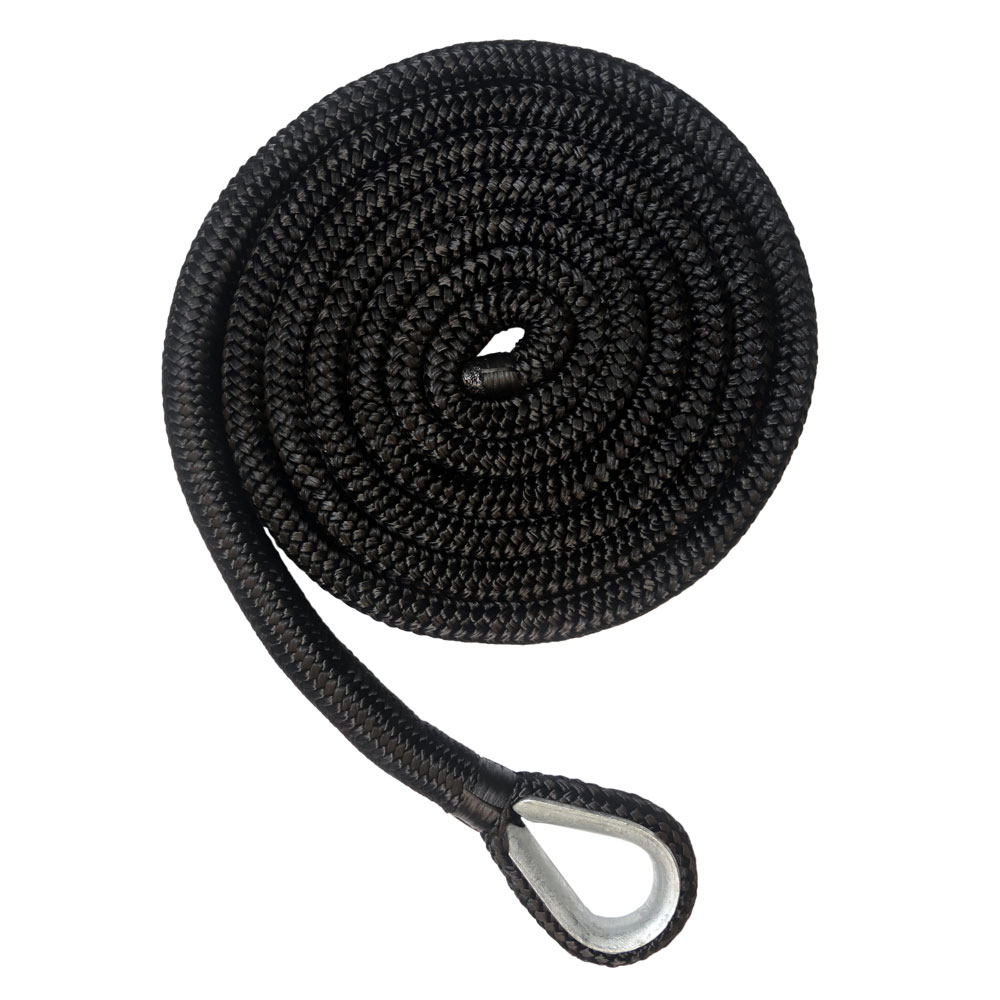
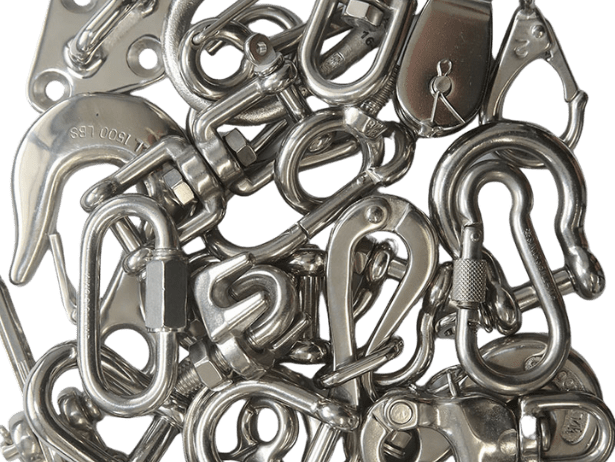
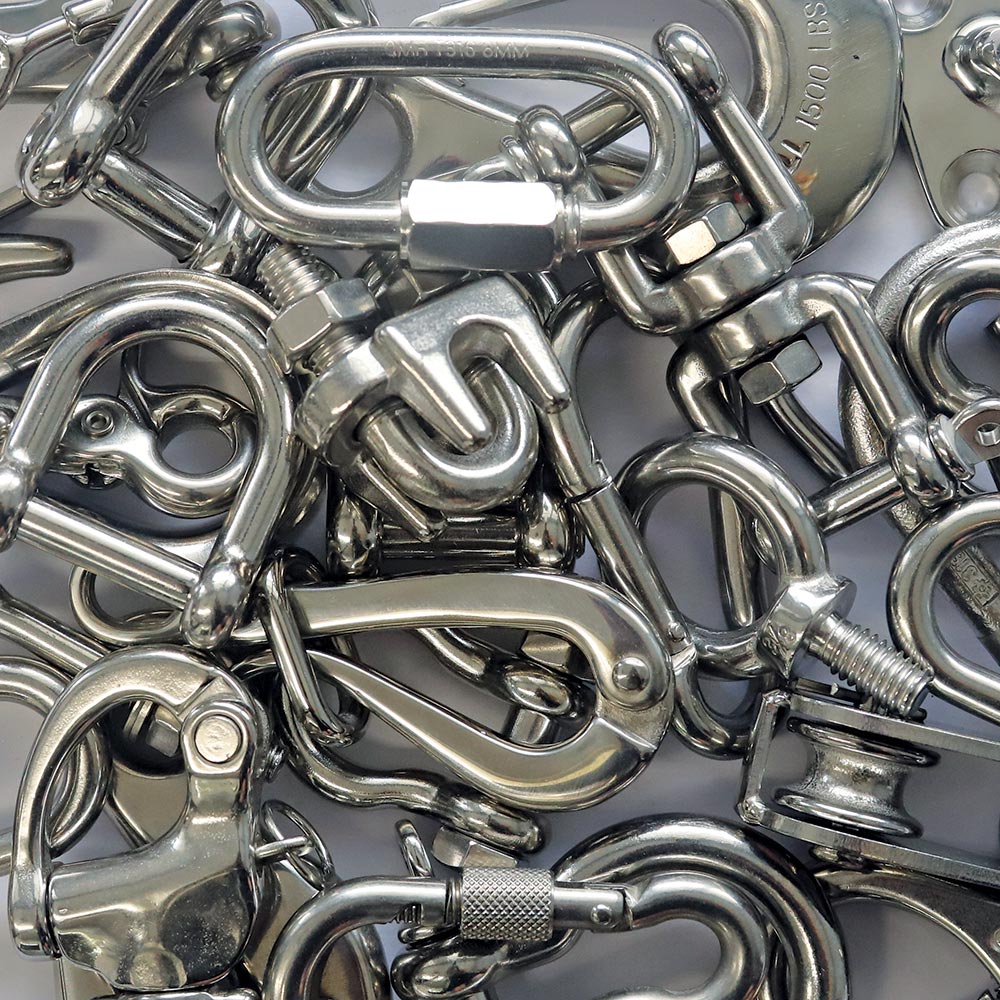
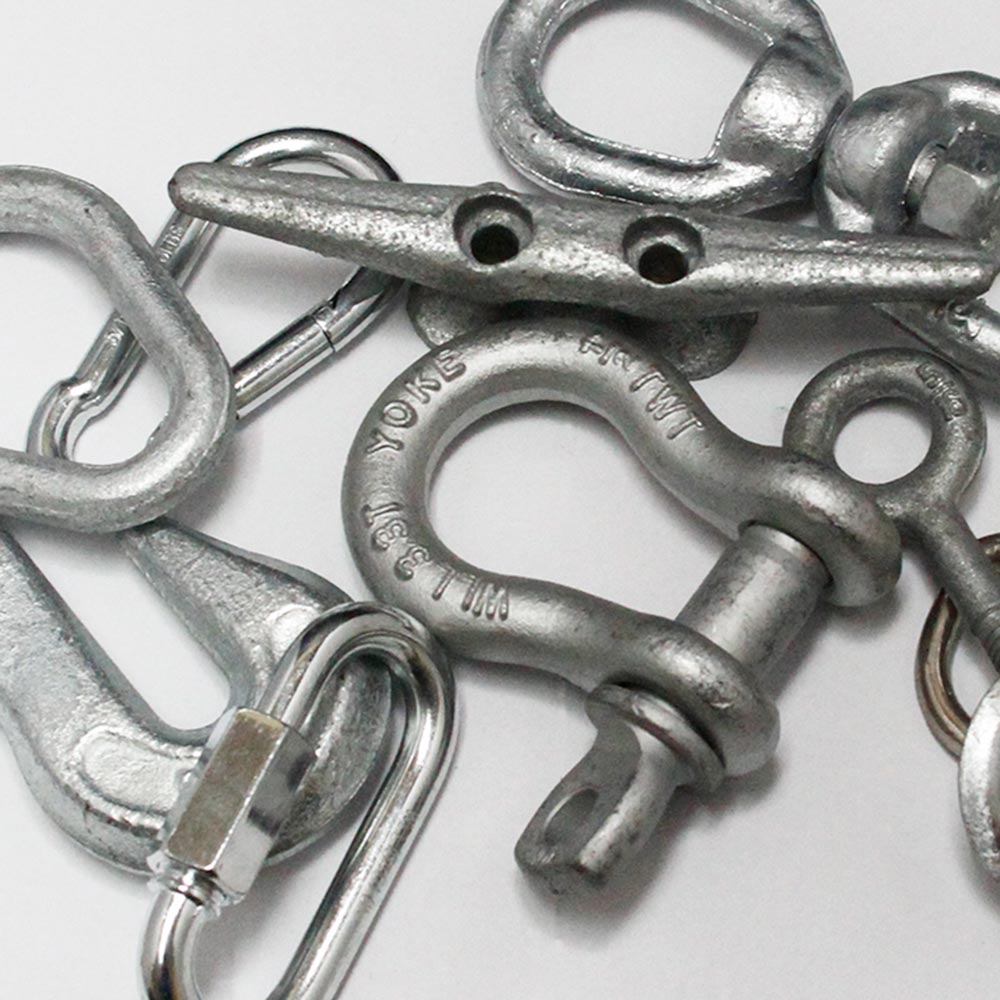
Hardware Inspection: Check thimbles, shackles, and connectors for wear, corrosion, or damage. Replace compromised parts before they stress fibers.
System Balance: Ensure loads are distributed evenly across all lines. Imbalance creates stress points that accelerate wear.
Chemical Exposure Prevention
Marine environments expose ropes to chemicals that can cause rapid degradation.
Fuel and Oil Protection: Keep lines away from fuel spills, hydraulic fluid, and petroleum products. Clean contamination immediately with approved solvents.
Cleaning Product Selection: Use rope-safe cleaning products. Many household cleaners weaken synthetic fibers.
Biological Contamination: Address growth promptly to prevent acidic damage. Proper cleaning and drying prevent most issues.
Professional Assessment and Replacement
Even with excellent care, mooring lines eventually need expert evaluation or replacement. Knowing when to retire rope prevents failures that endanger lives and property.
Age Considerations: Many suppliers recommend replacement based on age, regardless of appearance. UV and chemical damage occur even in well-maintained lines.
Load History: Ropes subjected to shock or overload may need replacement despite looking intact. Internal damage may not be visible.
Performance Changes: When handling or performance changes noticeably, professional assessment determines if continued use is safe.
Conclusion
Effective mooring line care combines daily attention with systematic maintenance that addresses every factor affecting rope longevity. Quality rope provides the foundation, but care practices determine whether it delivers years of safe service or fails prematurely.
The time invested in proper maintenance pays off through extended service life, preserved safety margins, and reduced replacement costs. Mariners who follow comprehensive routines consistently achieve superior performance while avoiding costly failures.
Working with experienced rope companies like American Rope provides access to manufacturer-specific care recommendations and professional guidance. When quality rope is paired with proper care, mooring systems deliver reliable performance throughout their service life while meeting the safety standards marine operations demand.
FAQ
Q1. How often should mooring lines be inspected?
A1. Mooring lines should be visually inspected daily for fraying, discoloration, stiffness, or diameter changes. More thorough tactile inspections and performance checks should be done seasonally or whenever lines have been under heavy load.
Q2. What is the best way to clean nylon mooring ropes?
A2. Daily rinsing with fresh water removes salt and surface debris. For deeper cleaning, soak ropes in fresh water with mild marine soap and gently agitate. Use soft brushes for stubborn dirt, always brushing along the rope’s lay. Machine washing is only recommended if the manufacturer approves.
Q3. How can I protect mooring lines from UV damage?
A3. Store lines in shaded or covered areas when not in use. Use UV-resistant covers for exposed ropes and rotate rope ends periodically to distribute UV exposure evenly.
Q4. Can chemical exposure damage synthetic ropes?
A4. Yes. Fuel, oil, hydraulic fluids, and harsh cleaning agents can weaken synthetic fibers. Contaminated ropes should be cleaned immediately with approved solvents, and household cleaners should be avoided.
Q5. How should mooring lines be stored for long-term reliability?
A5. Store ropes in well-ventilated, shaded areas with moderate temperatures. Coil ropes with large loops to prevent kinks, avoid tight bends, and keep them dry to prevent mold and mildew buildup.
Q6. When should mooring lines be replaced?
A6. Ropes should be replaced based on age, visible damage, or performance changes. Even well-maintained ropes can suffer internal UV or chemical degradation. Ropes subjected to overloads or shock loads may need replacement, even if they appear intact.
Q7. What is the role of chafe protection in rope longevity?
A7. Chafe protection prevents wear at high-friction points, extending rope life. Inspect regularly and replace worn protection before it fails to avoid premature rope degradation.
Q8. Are all nylon ropes suitable for machine washing?
A8. No. Only ropes explicitly approved by the manufacturer should be machine washed. Always follow guidelines for temperature, detergent type, and handling to avoid damaging fibers or hardware.