Recent blog post

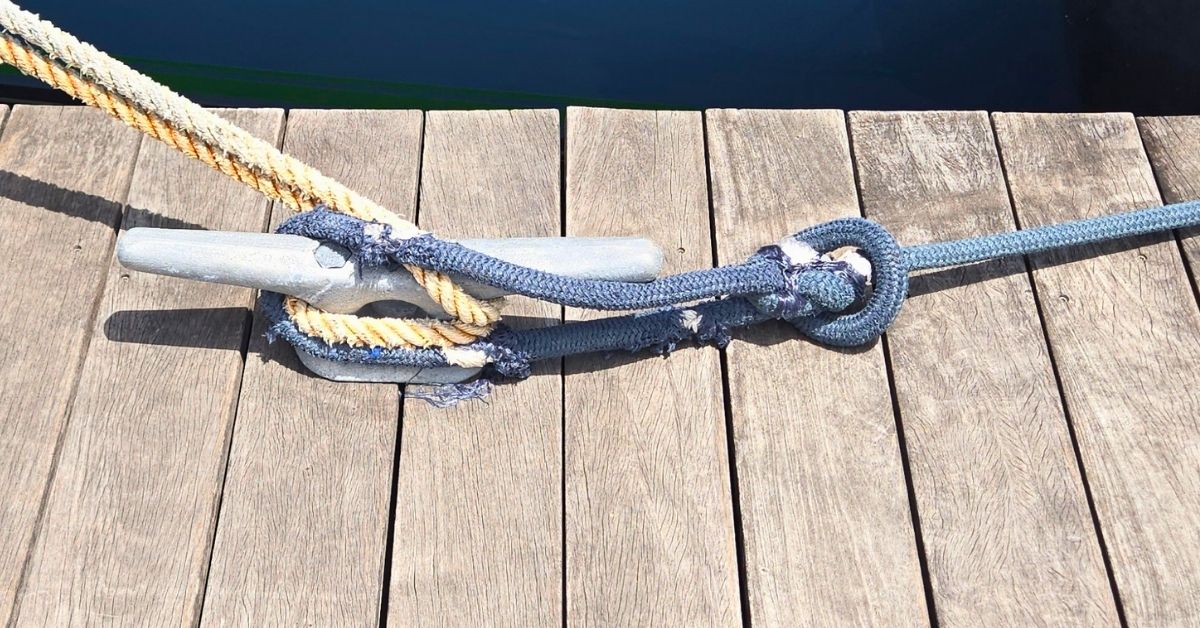
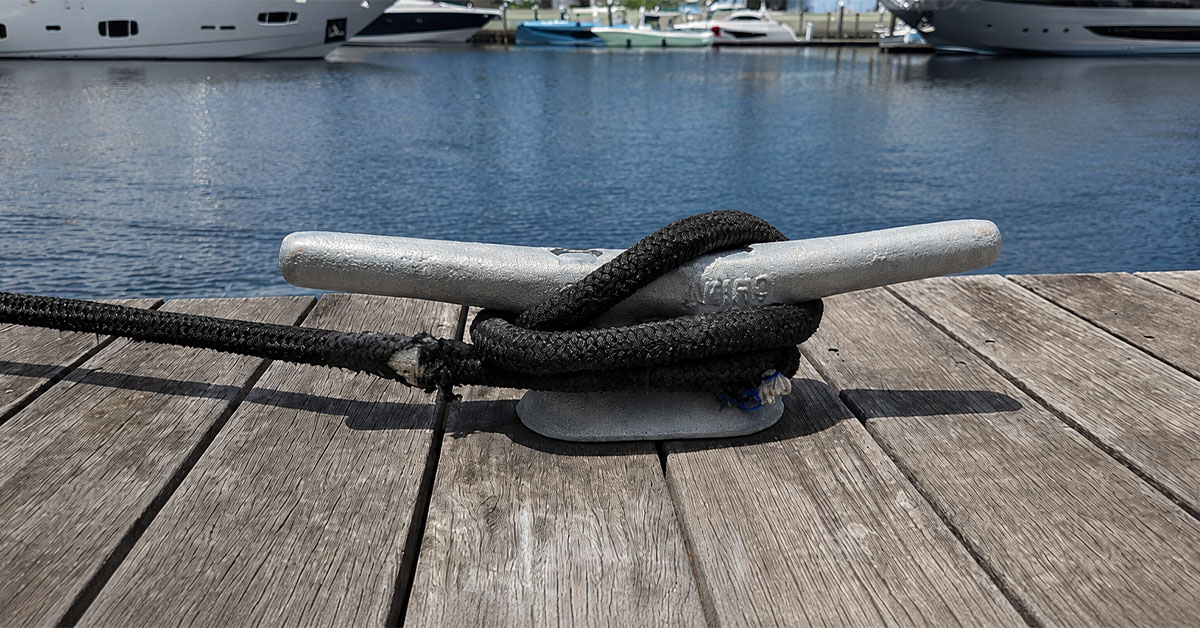
protect dock lines from chafe

How to Protect Dock Lines from Chafe Under Pressure

Dock lines rarely fail from sheer tensile strength. Failures usually occur because the rope wears through at specific points where it rubs, stretches, and grinds against hardware or dock edges. Chafe is the primary culprit. When a boat surges against wind, wake, or tide, this localized abrasion destroys even high-strength
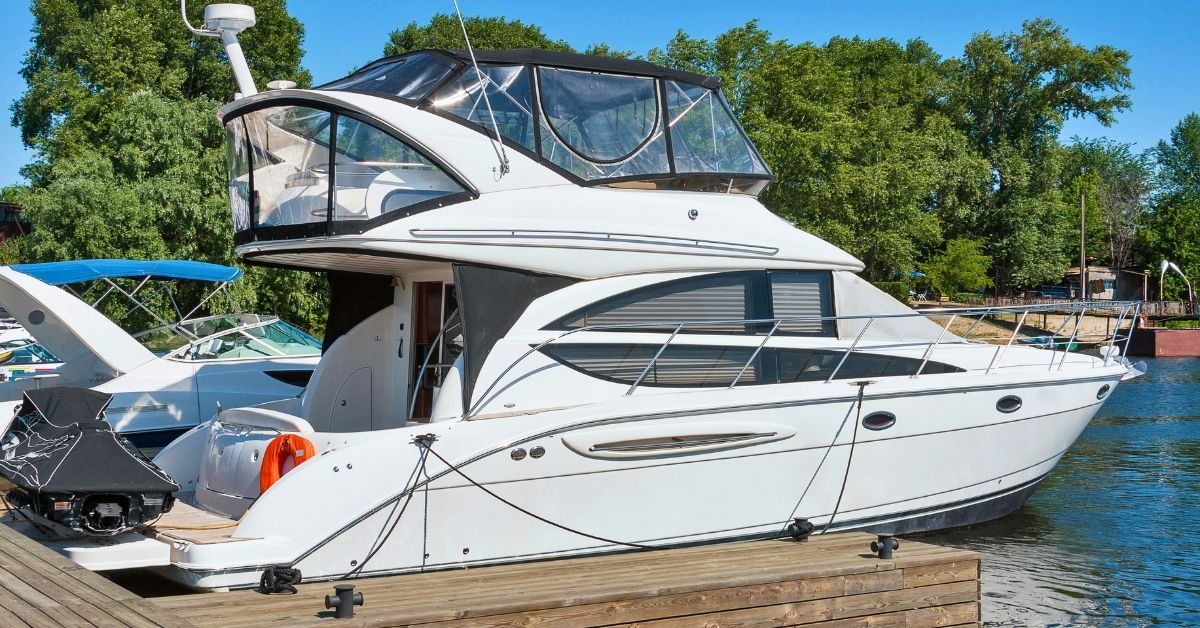
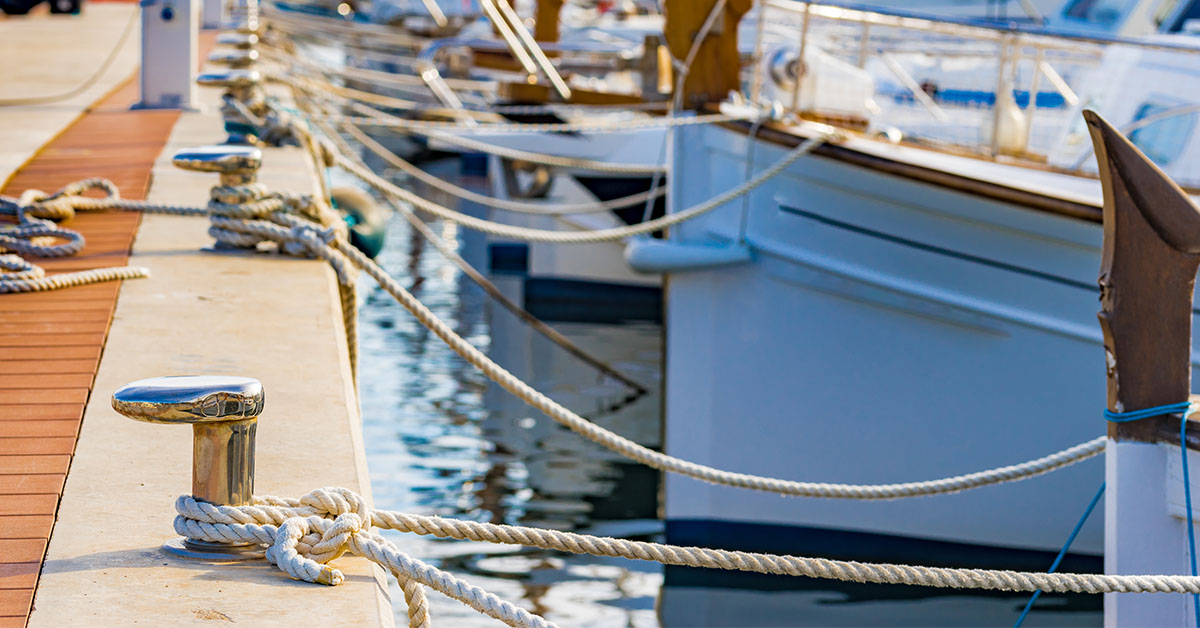
reduce shock load on dock lines

How to Reduce Shock Load on Dock Lines

Dock lines live a rough life. Sun, salt, movement, chafe, bad cleats, lazy knots, and weather all take a bite out of them. Shock load is one of the biggest reasons lines part early, hardware gets bent, and boats start moving in ways nobody enjoys. It is the sudden force

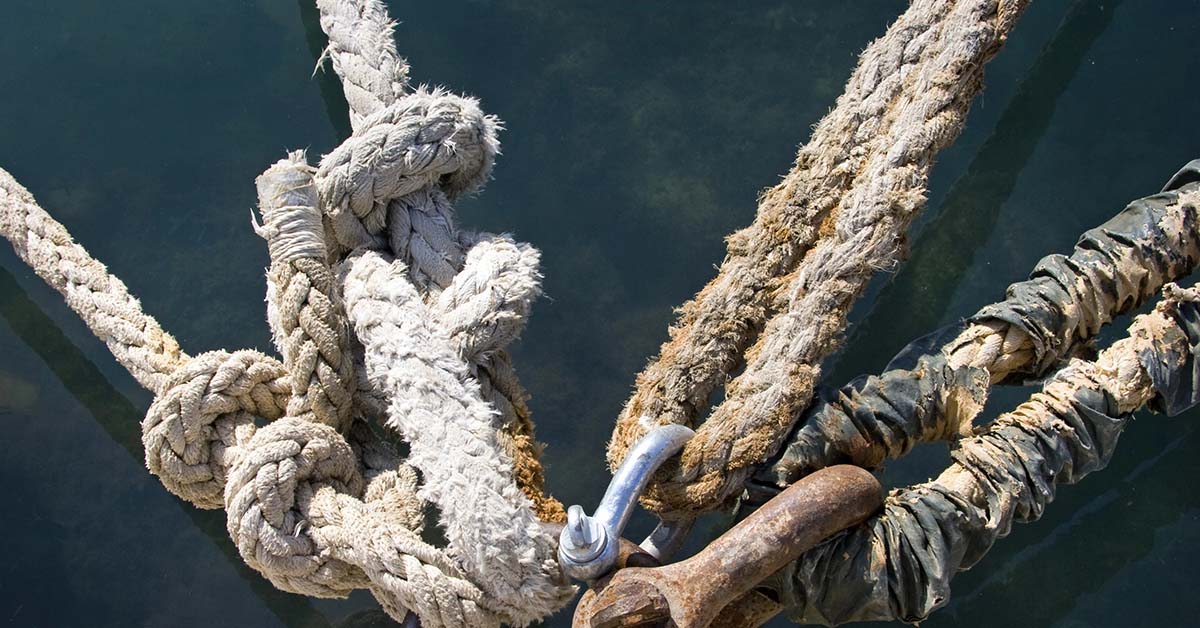
dock line setup - why-your-boat-moves-too-much-at-the-dock

Why Your Boat Moves Too Much at the Dock

You tied the boat up. You used decent lines. You stepped off thinking the job was done. Then you looked back and the thing was lunging, twisting, bumping, and generally acting like it wanted out of the marina. Annoying? Yes. Normal? Sometimes. Fixable? Usually. A boat that moves too much

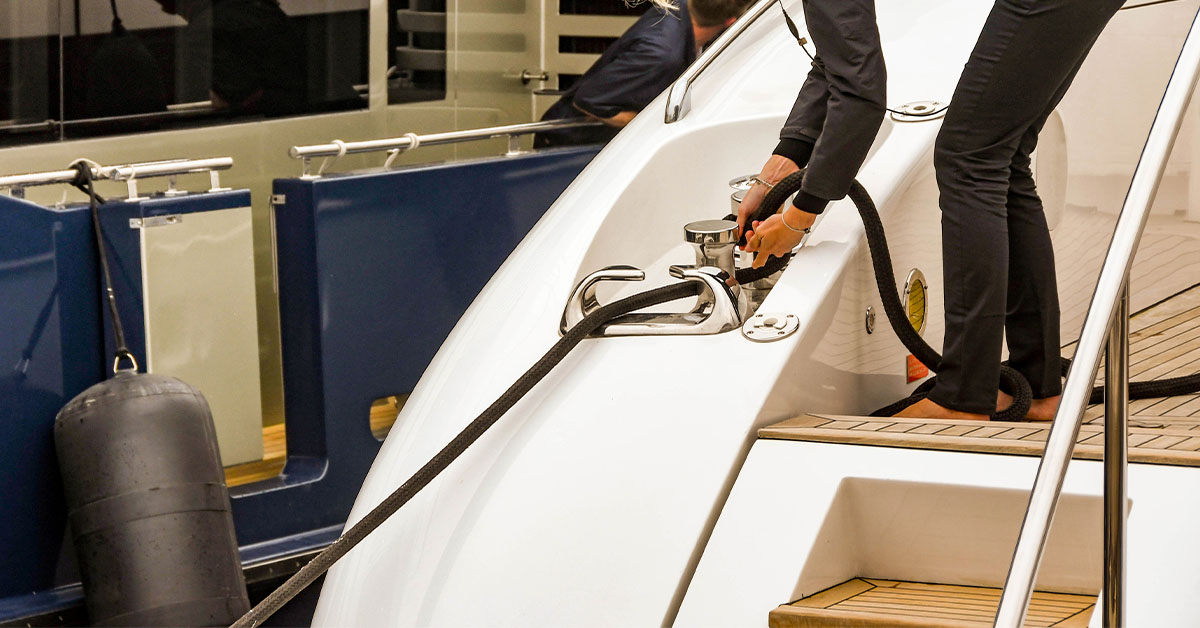
what causes dock lines to lose strength over time

What Causes Dock Lines to Lose Strength Over Time?

Dock lines are built to handle serious loads. They keep your boat secure through wind, wake, and constant movement. But like anything exposed to the elements and repeated stress, they do not maintain full strength forever. The tricky part is that strength loss does not always appear obvious. A line

All blog post

rope manufacturers

The Truth About Rope Strength Ratings: What the Numbers Really Mean

Rope strength ratings are one of the most critical factors when selecting the right rope for marine, industrial, or recreational use. However, the numbers often cause confusion—what does “breaking strength” really mean? How does “working load limit” differ? And what safety factors should you consider when choosing a rope? In

storm preparation

Storm Preparation: Line Handling Tips for Rough Weather

When severe weather approaches, securing your boat properly is essential to preventing damage. High winds, heavy rain, and storm surges can put your vessel at risk, but the right lines and securing techniques can make all the difference. As experienced rope manufacturers, we understand the importance of proper storm preparation. Here’s

double braid dock lines

When to Replace Your Dock Lines: Signs You Shouldn’t Ignore

Dock lines are one of the most important pieces of gear on your boat, keeping it secure at the dock and protecting it from unnecessary movement and damage. Over time, exposure to sun, saltwater, and friction can weaken even the most durable ropes. Recognizing the signs of wear early can

custom dock lines

How To Properly Secure Your Boat at the Dock

Properly docking your boat is essential for preventing damage, ensuring passenger safety, and reducing strain on your dock and lines. While it might seem as simple as tying off to the nearest cleat, securing your boat correctly requires knowledge of proper line selection, placement, and techniques. Here, we’ll cover best

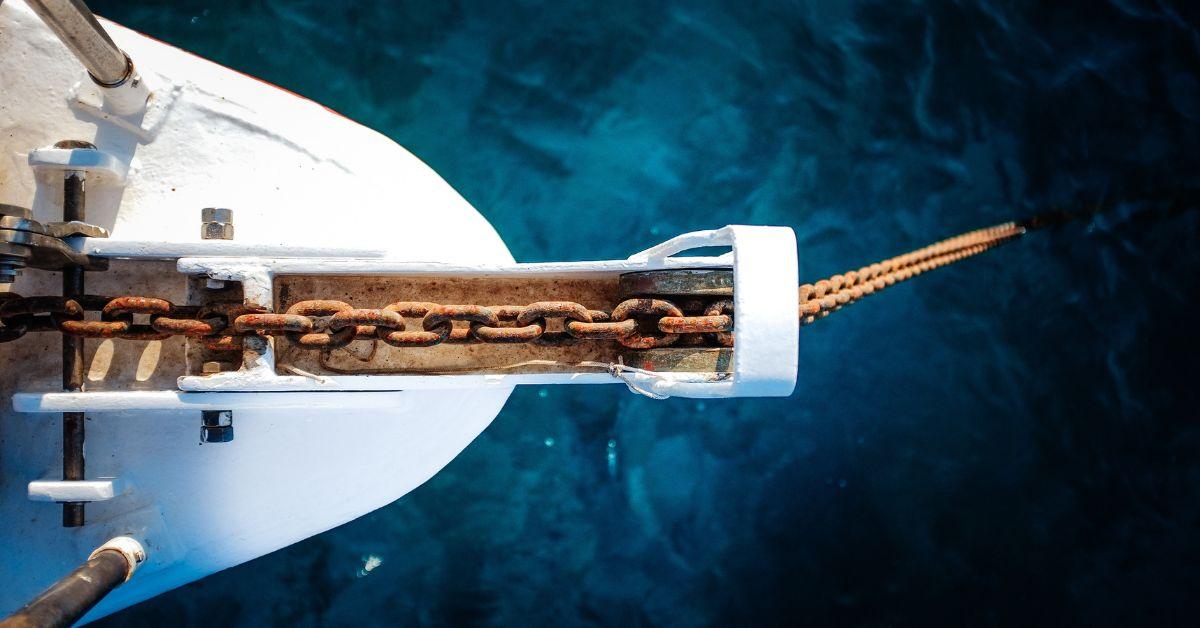
How to Inspect your Anchor Rode and Lines for Wear and Tear

How to Inspect your Anchor Rodes and Lines for Wear and Tear

Anchor rodes and lines are essential for keeping your boat securely anchored and ensuring safety on the water. Over time, exposure to the elements, friction, and regular use can cause wear and tear, potentially compromising their effectiveness. Regular inspection of your anchor rodes and lines is a critical maintenance practice

Shopping cart
Shop
Wishlist
0 items Cart
My account