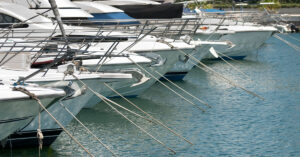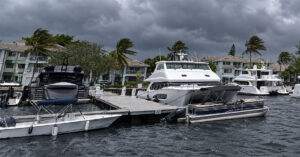
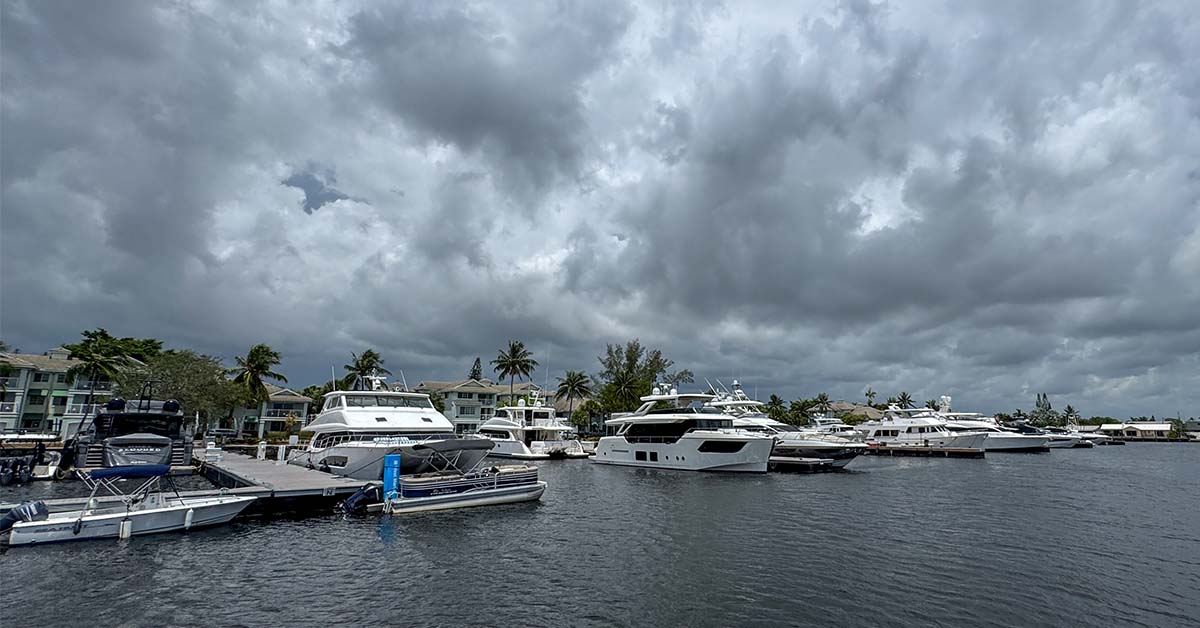
When severe weather passes through your marina or anchorage, the immediate relief of survival often gives way to the reality of assessing damage. While broken masts, damaged hulls, or torn canvas may be obvious, some of the most critical damage often occurs to the lines and rigging that keep your vessel secure. Knowing what to inspect and when to replace storm-stressed equipment can mean the difference between safe operation and catastrophic failure in the weeks and months ahead.
Marine rope suppliers like American Rope consistently emphasize that post-storm inspections are among the most crucial maintenance tasks boat owners face. Storm conditions create extreme stresses on marine lines, often exceeding normal working loads and exposing weaknesses that may not appear until the next critical moment.
The Hidden Toll of Storm Stress
Severe weather subjects marine equipment to forces that far exceed normal operating conditions. Dock lines that typically experience steady, moderate loads suddenly face violent surges, sustained tension, and rapid load cycling as vessels pitch and roll in storm-driven seas. Anchor lines endure similar punishment, with the added challenge of potential bottom contact, debris entanglement, and abrasion from sand or mud.
Dynamic loading during storms creates microscopic damage within rope fibers that may not be immediately visible. This internal wear, combined with driving rain, salt spray, and UV radiation during the storm, can significantly compromise a rope’s strength and reliability. A line that appears serviceable after the storm may in fact be operating at a fraction of its original capacity.
Critical Inspection Points for Dock Lines
Begin your post-storm inspections by examining all dock lines systematically. Start at the bitter end and work toward the eye splice, looking for specific indicators of damage or stress.
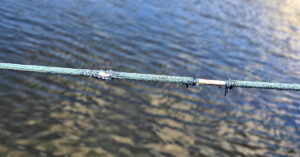
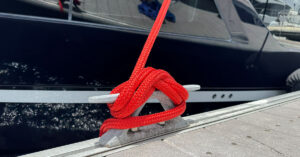
Chafe Damage Assessment: Storm conditions often cause lines to grind against cleats, chocks, and hardware with unusual force. Look for flattened sections, polished or glazed surfaces, or visible wear on braided outer jackets. Pay close attention to contact points on cleats, which are most vulnerable.
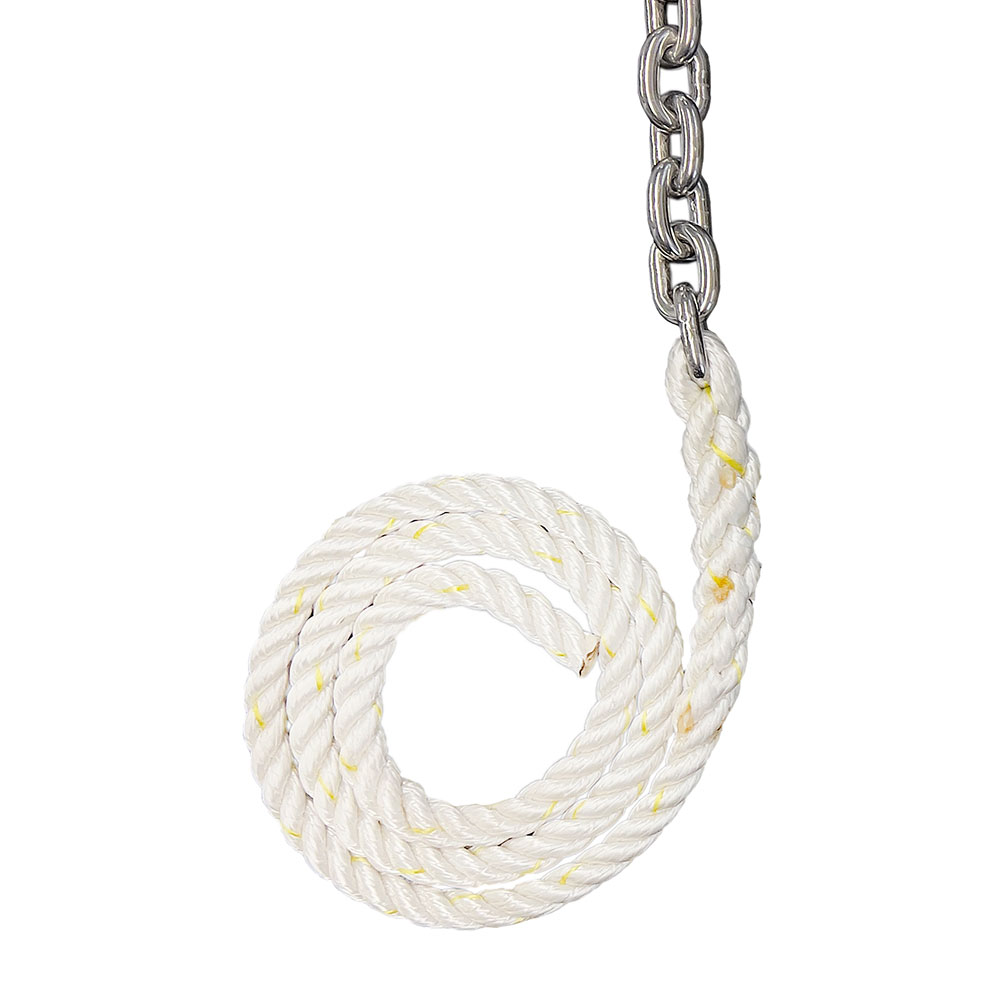
Tension Stress Indicators: Inspect the full length for overstress. Braided dock lines may appear thinner or uneven in diameter. Three-strand lines may show “ring-bolting,” where strands separate slightly, creating a loose structure.
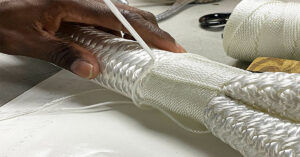
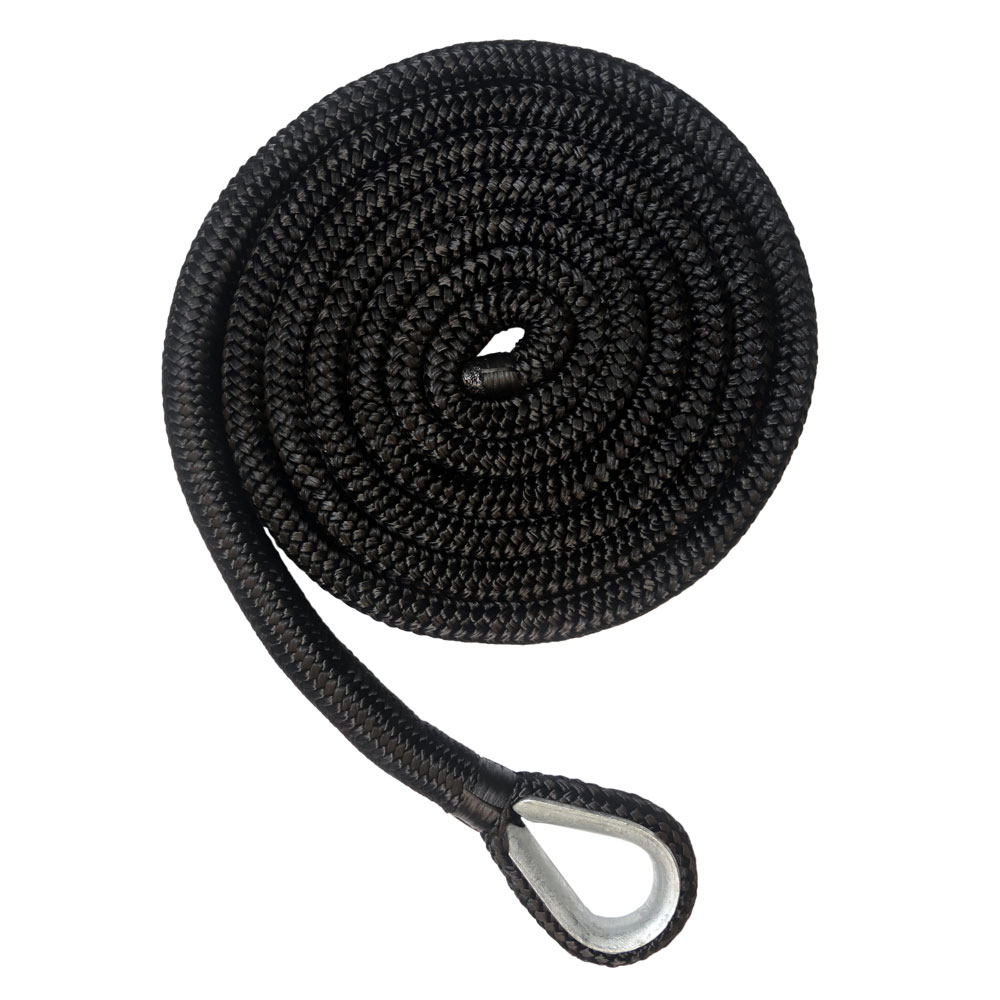
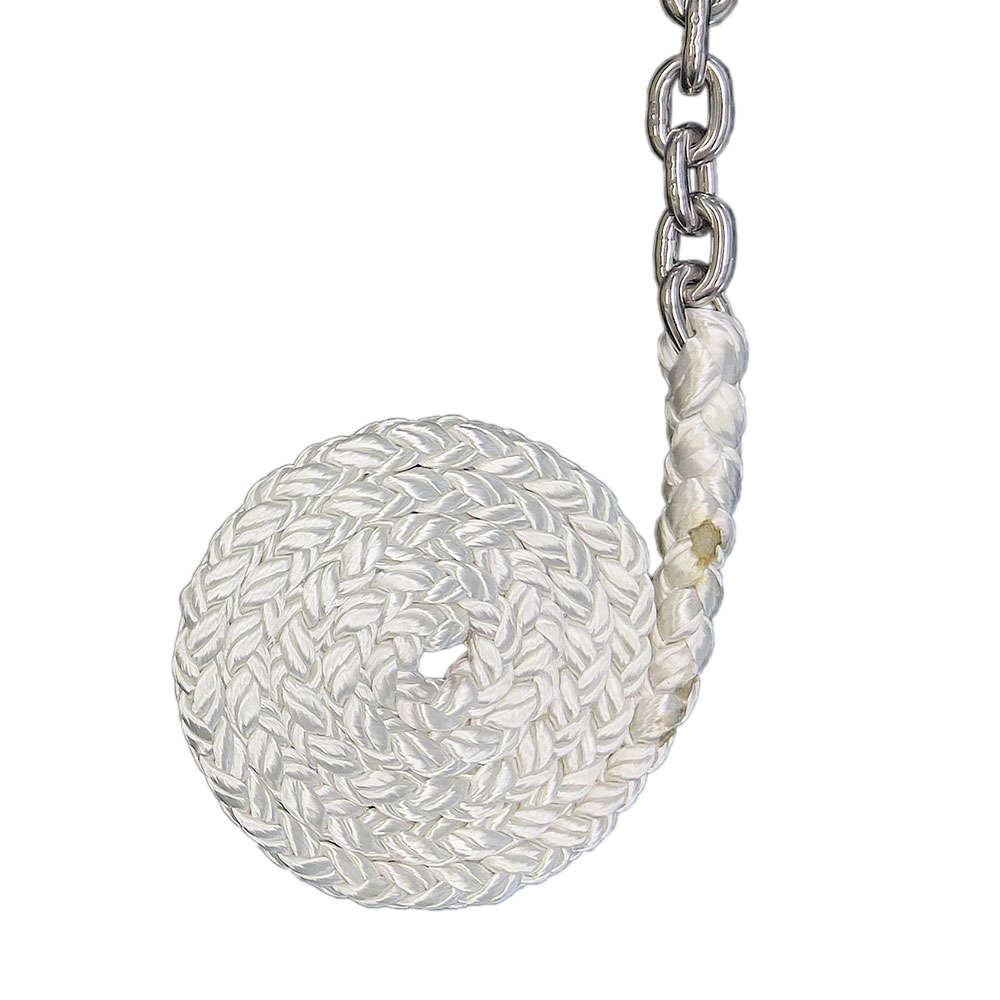
Eye Splice Integrity: The eye splice carries the highest loads during a storm. Look for pulled stitching, cover-to-core separation in double-braid splices, or elongation of the eye. Any visible damage near the splice throat suggests the line has exceeded its safe working load.
Anchor Line Evaluation
Anchor lines face unique challenges during storms, including abrasion against the bottom, debris impact, and extreme loading cycles. Begin inspection at the anchor end, where bottom contact is most likely to cause damage.
Abrasion Assessment: Sand, coral, rocks, and debris on the bottom can cause significant abrasion damage during storms. Look for fuzzy or worn areas along the line, particularly in the first 50 feet from the anchor. Nylon anchor rode shows abrasion damage as broken fibers, reduced diameter, or a rough, fuzzy texture on the rope’s surface.
Chemical and Environmental Damage: Storm conditions may expose anchor lines to pollutants, fuel spills, or other contaminants washed into the water. Look for discoloration, unusual odors, or changes in the rope’s flexibility that might indicate chemical damage. UV exposure during the storm, particularly if the boat was driven into shallow water, can cause surface degradation visible as fading, chalky residue, or brittle outer fibers.
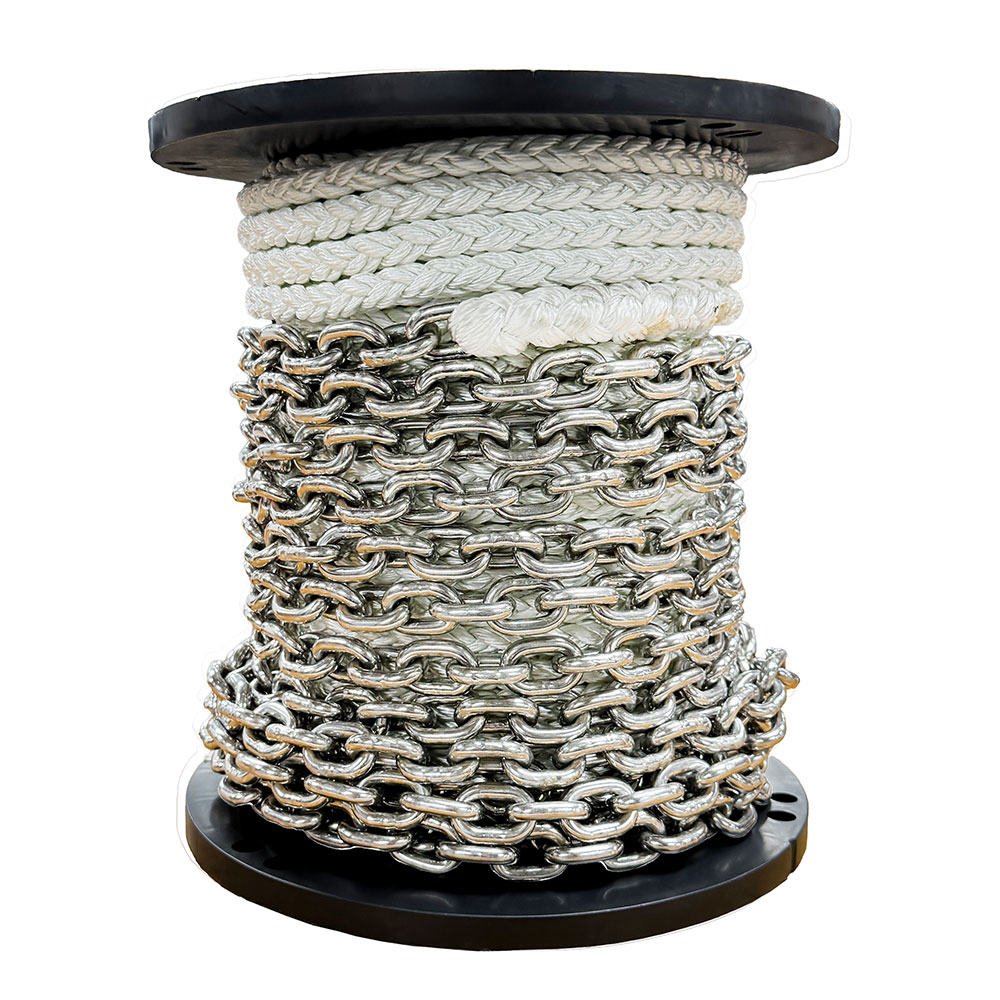
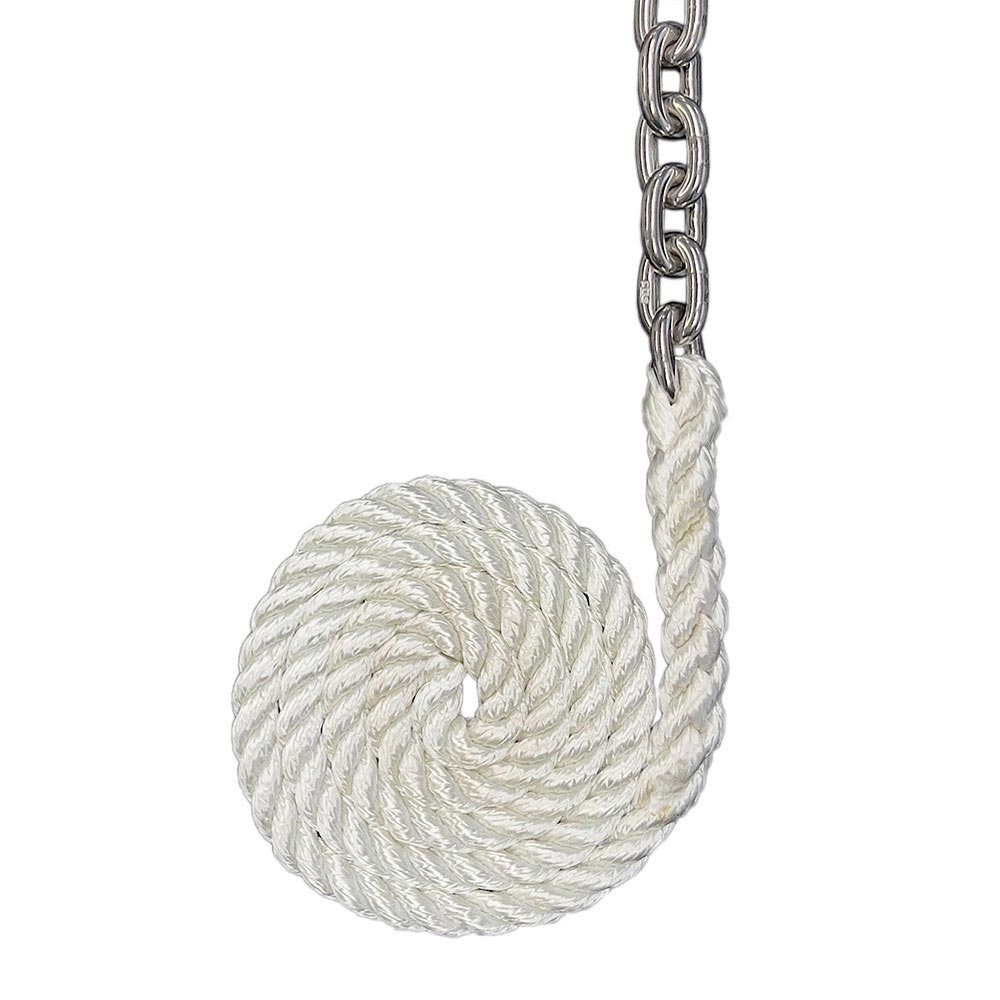
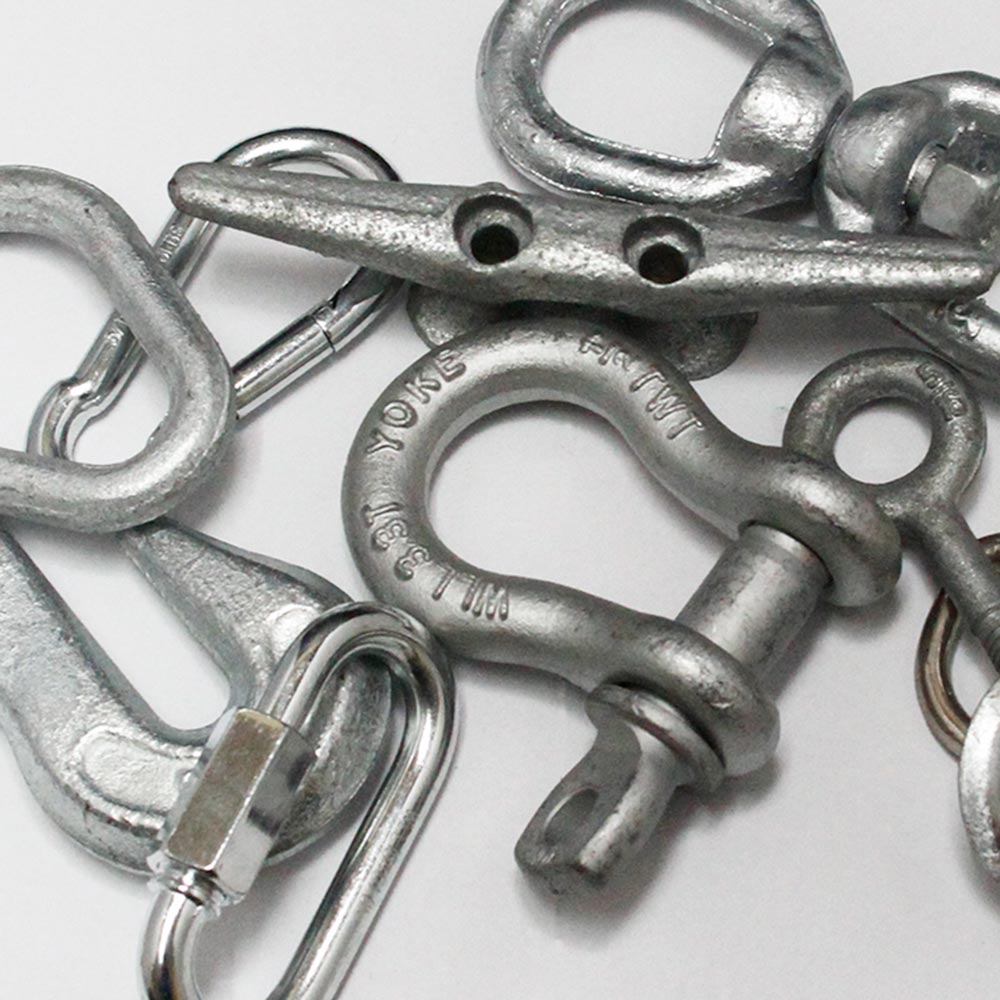
Hardware Integration Points: Examine connections between rope and chain sections, paying attention to shackles, thimbles, and connection hardware. Storm loads often stress these transition points beyond their normal capacity, potentially causing elongation or deformation.
Evaluating Anchor Chain Integrity
Anchor chain components require specialized inspection techniques after severe weather exposure. While chain is generally more durable than rope, storm conditions can reveal pre-existing weaknesses or cause new damage.
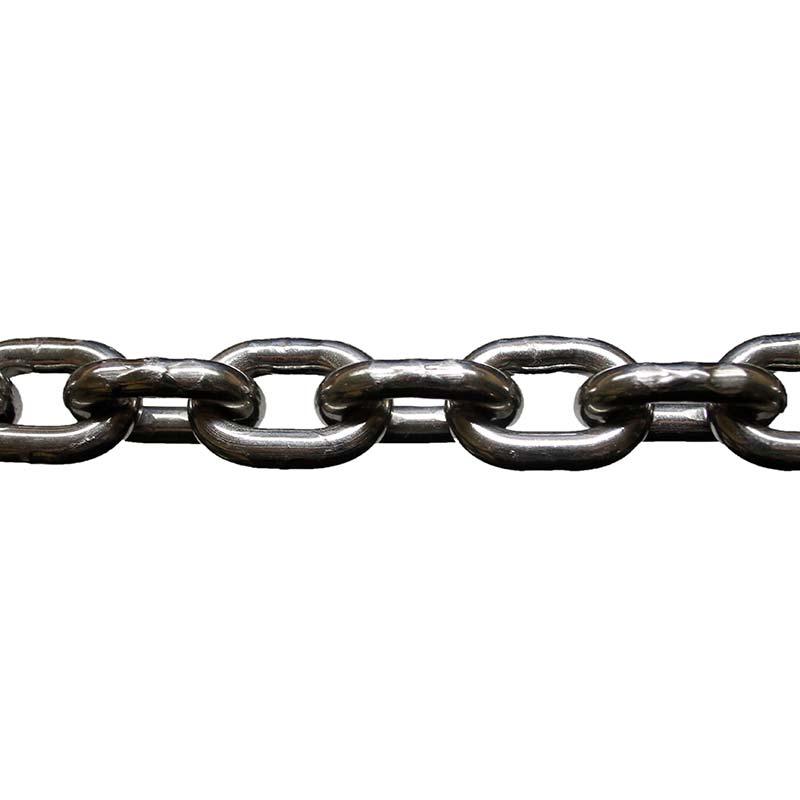
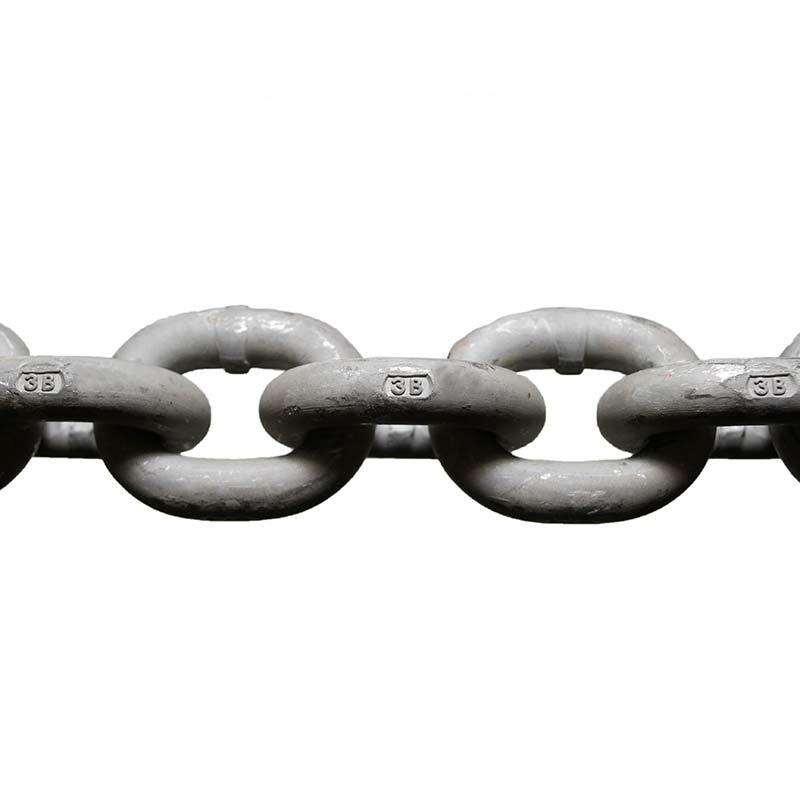
Link Integrity Examination: Inspect each link for cracks, deformation, or elongation. Pay particular attention to the links closest to the anchor, where bottom contact and debris impact are most likely. Look for gouges, scratches that penetrate the galvanizing, or any signs of stress concentration at link bends.
Galvanizing Assessment: Storm exposure often damages the protective galvanizing on anchor chain, particularly when the chain contacts rocky or coral bottoms. Look for areas where the bright steel shows through the galvanizing, as these spots will quickly develop rust and weaken the chain structure.
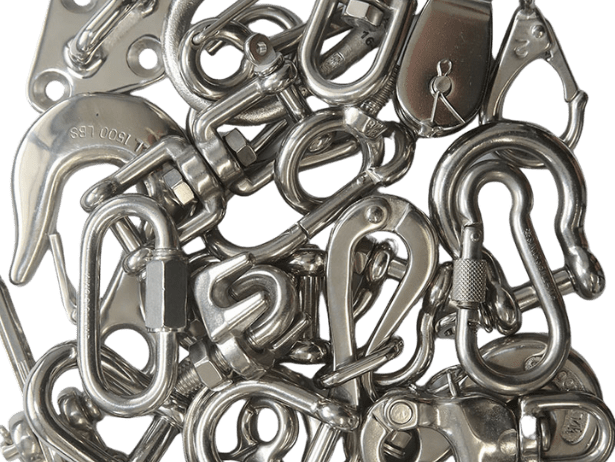
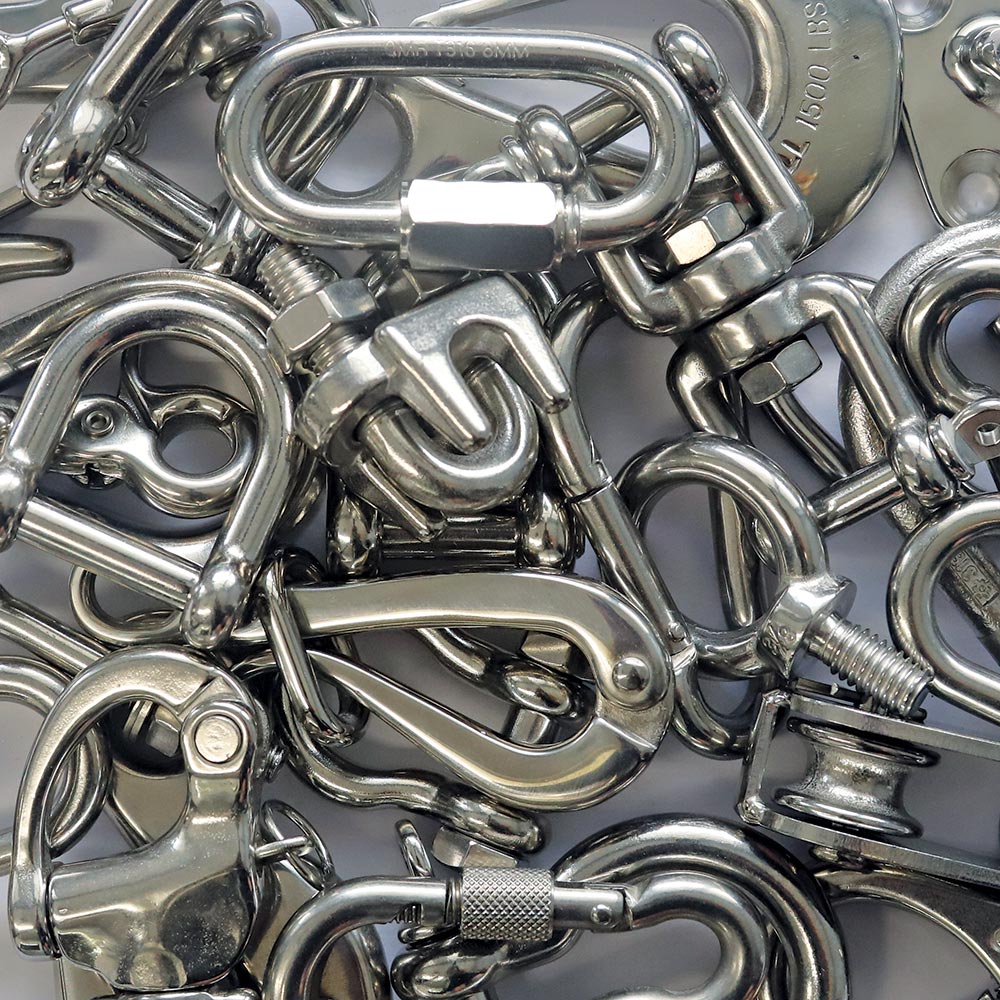
Swivel and Connector Inspection: Examine swivels, shackles, and connector hardware for proper operation and signs of stress. Storm conditions often cause these components to bind or seize, and forced operation can cause internal damage not immediately visible.
Fender and Spring Line Assessment
Fender lines and spring lines face unique stresses during storms, as they must accommodate the vessel’s movement while protecting both the boat and dock infrastructure.
Shock Loading Damage: Spring lines experience severe shock loading as vessels surge against their restraints. Look for signs of sudden stress, including stretched sections, separation in braided construction, or heat damage from rapid loading. Fender rope often shows damage where it contacts dock hardware during the vessel’s movement.
Compression and Recovery: Fender lines must compress and recover repeatedly during storm conditions. Examine these lines for permanent set or loss of elasticity, which indicates the rope has been stressed beyond its elastic limit and may not provide adequate protection in future conditions.
Documentation and Replacement Protocols
Thorough documentation of post-storm damage serves multiple purposes: insurance claims, maintenance scheduling, and performance analysis for future storm preparation.
Photographic Evidence: Document all questionable lines with photographs showing the extent and location of damage. Include measurements where possible, showing diameter changes, eye splice elongation, or other quantifiable damage.
Load History Considerations: Consider the loads experienced during the storm when evaluating line condition. Lines that held through extreme conditions may appear serviceable but have been stressed beyond their safe working limits. Marine rope suppliers typically recommend replacing lines that have experienced loads exceeding 50% of their breaking strength, even if no visible damage is apparent.
Replacement Prioritization: Develop a replacement priority system based on the line’s function and condition. Critical safety lines like primary dock lines and anchor lines should be replaced first, followed by secondary lines and fender systems.
Professional Assessment Considerations
Severe storm damage may require professional evaluation beyond routine owner inspection. Marine surveyors trained in rigging and line assessment can provide a detailed analysis of damage that may not be apparent to less experienced inspectors.
Professional assessment becomes particularly important when insurance claims are involved or when the vessel experiences extreme conditions. Surveyors can document damage patterns, assess whether equipment performed as designed, and provide recommendations for replacement and improvement.
Prevention Through Quality Equipment
Working with reputable marine rope suppliers who understand storm conditions and can recommend appropriate equipment specifications significantly reduces post-storm replacement needs. Quality ropes designed for marine applications incorporate UV protection, abrasion resistance, and appropriate stretch characteristics that help them survive extreme conditions.
American Rope’s marine-grade products exemplify the importance of starting with quality equipment. Their ropes are manufactured to Cordage Institute standards and incorporate features like solution-dyed fibers for UV resistance and professional splicing techniques that maintain strength under extreme loads.
Moving Forward: Lessons from the Storm
Post-storm inspections provide valuable information for improving future storm preparation. Document equipment performance, noting which lines held up well and which failed or showed excessive wear. This information guides future equipment selection and storm preparation protocols.
Consider upgrading undersized equipment revealed by storm conditions. Lines that stretched excessively, hardware that deformed, or systems that failed completely should be replaced with appropriately sized components before the next severe weather event.
Conclusion
Post-storm inspection is one of the most critical safety practices in boating. Hidden damage from severe weather can compromise equipment long before visible failure. Careful inspection, documentation, and timely replacement ensure safe operation and reduce the risk of catastrophic failures.
Investing in thorough inspections and quality replacements pays off in safety, reliability, and peace of mind. When the next storm comes, properly maintained and inspected equipment provides the confidence needed to weather it successfully. When in doubt, replacement is always the safer choice. The cost of new lines is minimal compared to the consequences of failure during critical operations.
Frequently Asked Questions (FAQS)
What specific areas of a dock line should be inspected after severe weather?
Inspection should begin at high-friction contact points, including chocks, cleats, pilings, and deck fairleads. Heavy storm surge forces dock lines to rub repeatedly against hardware, causing surface fuzzing, flattening, or severed outer strands. The throat of any eye splice and the sections of line that absorbed the heaviest strain require careful checking for thinning or stiffness.
How do storm surges affect the internal structure of nylon lines?
Extreme tension stretches nylon lines near their working limit, generating heat inside the core. This internal friction can melt or fuse synthetic fibers together, creating hard, rigid spots along the line. Internal fiber breakdown reduces the line's ability to stretch and absorb shock during future weather events, even when the outer jacket appears intact.
What hardware components need checking on an anchor rode after a storm?
Anchor shackles, swivels, thimbles, and chain links require visual and physical checks for deformation. Storm loads can bend shackle pins, distort thimble eyes, or crack the galvanized coating on chain links. Stainless steel components must be examined for hairline fractures, and shackle mousing wire should be checked to ensure the pin remains locked in place.
Why should snubber lines be checked immediately following high-wind events?
Snubber lines take the primary dynamic load on all-chain anchor rodes during strong winds and heavy chop. The continuous cyclic loading stretches the nylon fibers to their limits, which can cause internal heat damage, loss of elasticity, or severe chafe where the line attaches to the chain hook. A compromised snubber can no longer protect the windlass or deck hardware from shock loads.
When should a marine line be retired after exposure to rough weather?
A line must be retired if it shows melted core fibers, broken core strands, severe thinning, or permanent distortion in diameter. Lines that feel rigid, brittle, or glazed after a storm have lost their shock-absorbing capacity. Any line where chafe has cut through the outer cover and exposed the inner core needs immediate replacement to prevent failure.