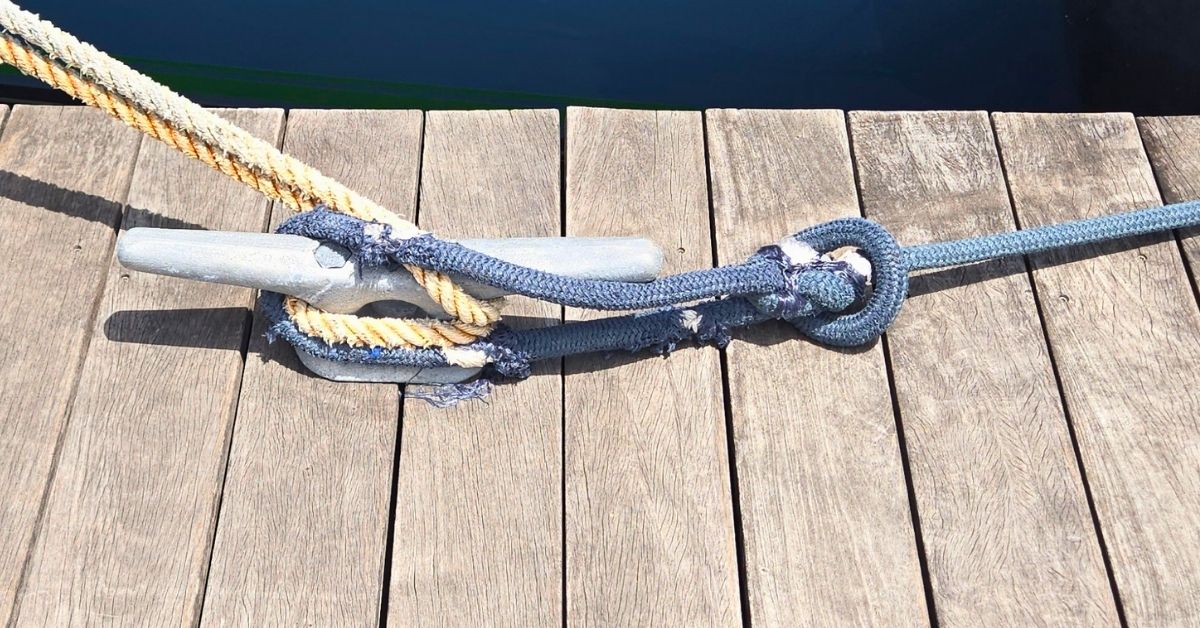
Dock lines are built to handle serious loads. They keep your boat secure through wind, wake, and constant movement. But like anything exposed to the elements and repeated stress, they do not maintain full strength forever.
The tricky part is that strength loss does not always appear obvious. A line can look perfectly fine on the outside while already weakened internally. Over time, cyclic loading, environmental exposure, and gradual fiber breakdown all work against the rope.
Understanding what causes dock lines to lose strength helps you make smarter decisions about maintenance, safety, and replacement timing.
The Impact of Cyclic Loading
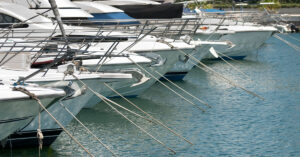
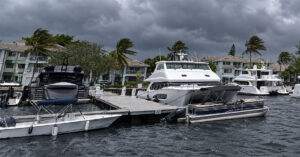
Every time your boat moves, your dock lines are working. Wind pushes the boat away from the dock, then the lines pull it back. A passing wake creates another spike in tension. This repeated loading and unloading is called cyclic loading.
At first, the rope handles it easily because that is exactly what it was designed to do. Over time, however, those repeated cycles begin to wear down the fibers. Think of it like bending a paperclip back and forth. It does not break immediately, but eventually it will.
With dock lines, the process is slower but just as real. Fibers begin to fatigue, especially in high-tension areas near cleats or chocks. As that fatigue builds, the rope gradually loses its ability to absorb shock. That is when failure becomes more likely under load.
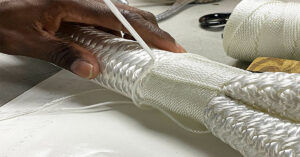
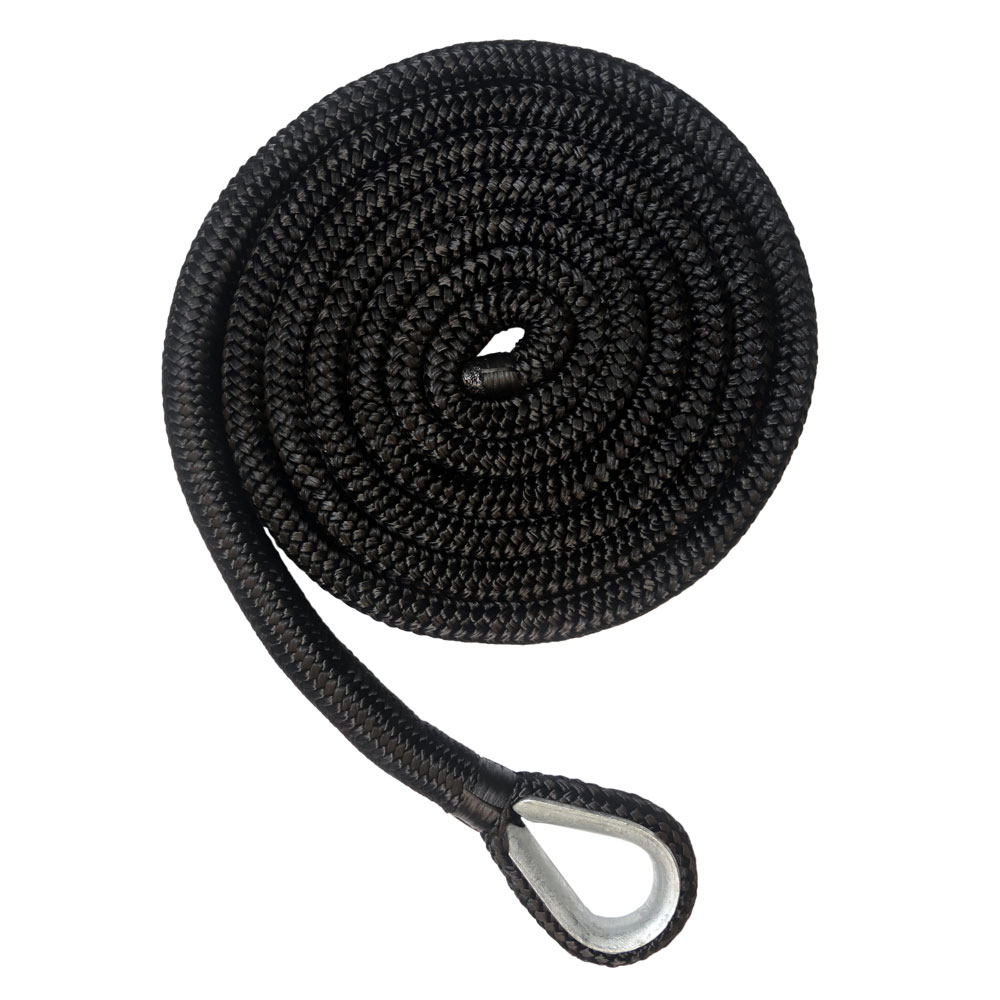
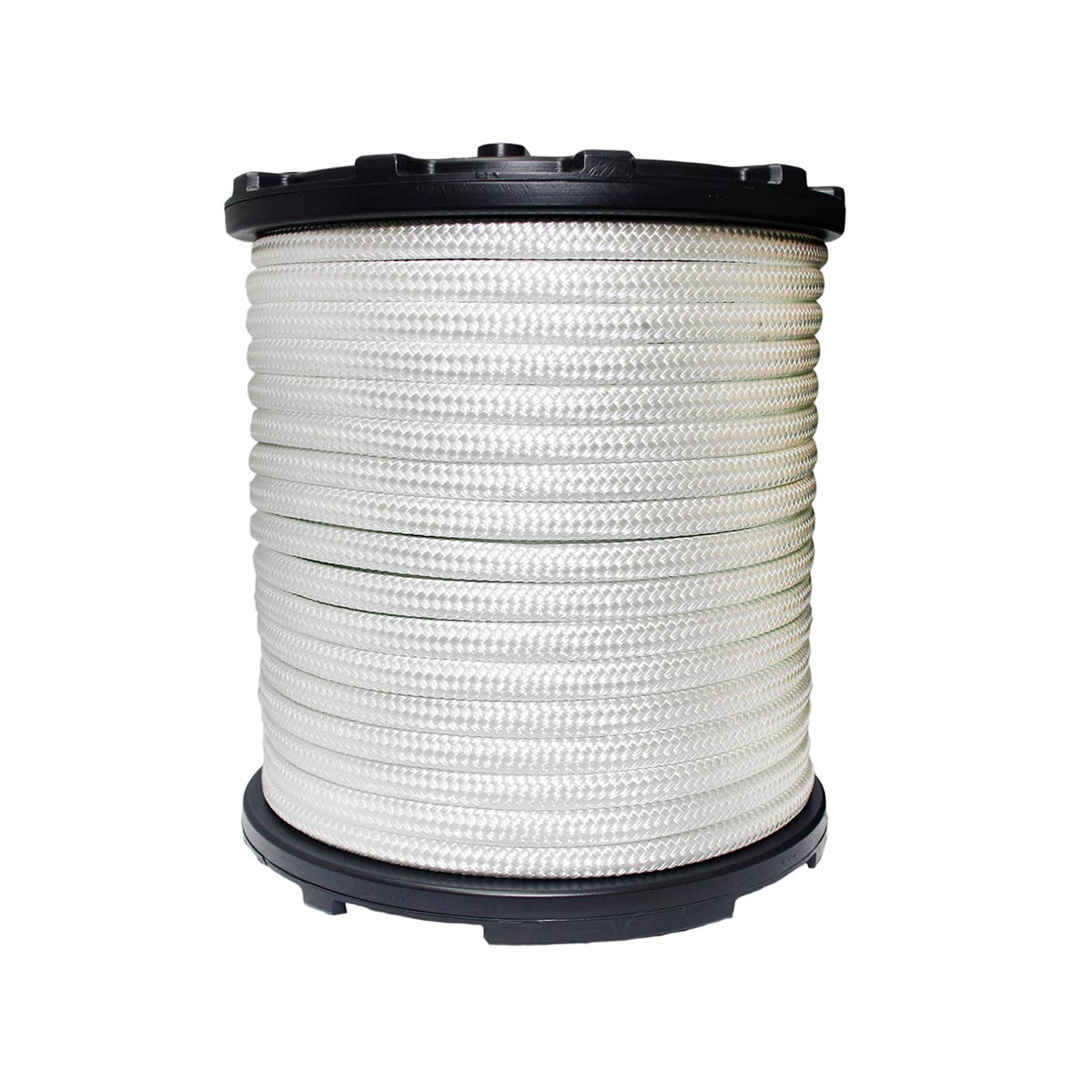
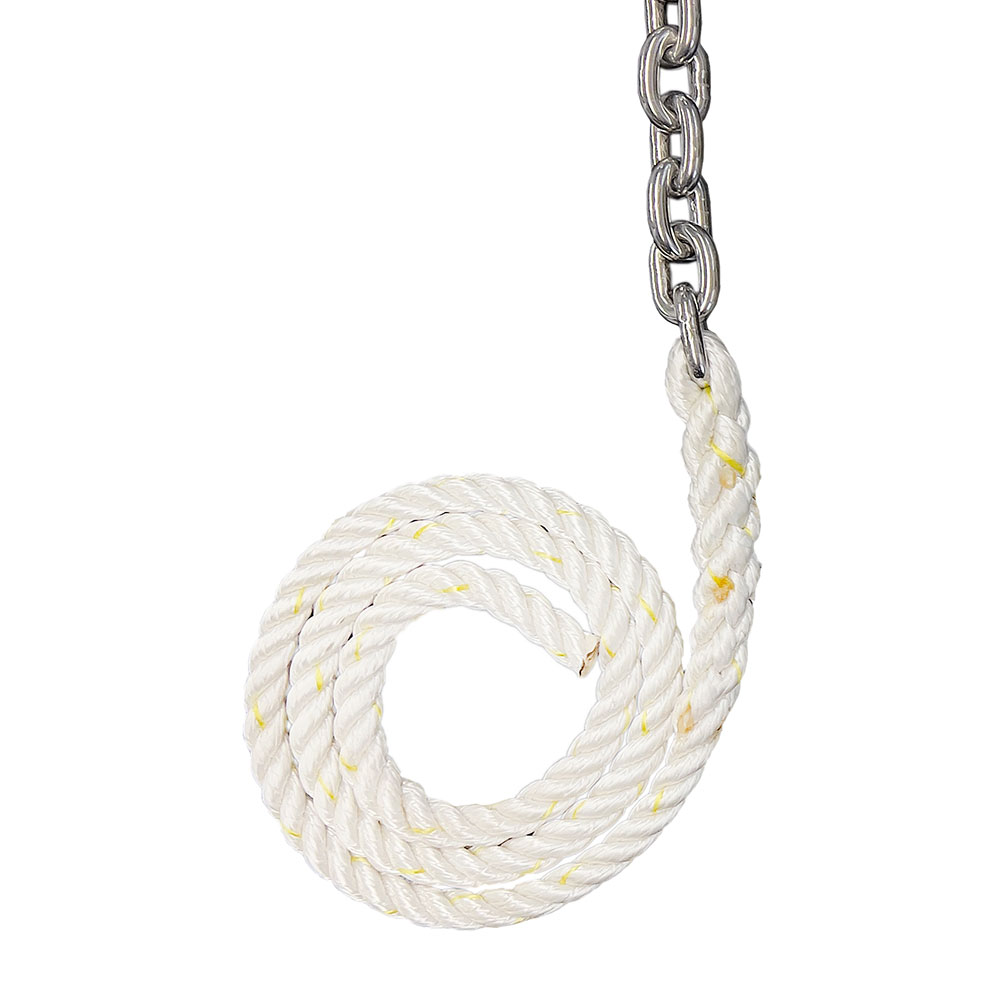
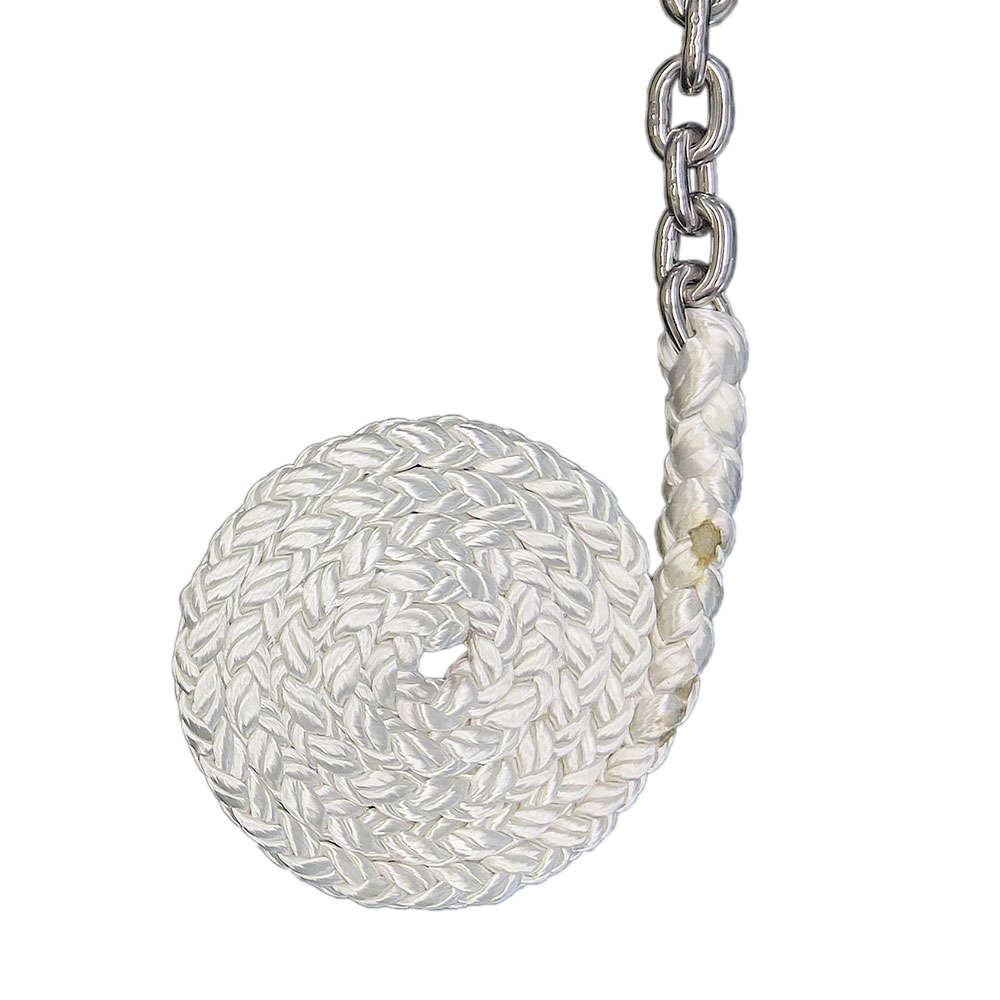
Even high-quality options like our nylon double braid dock lines are affected by cyclic loading. The difference is that premium materials typically withstand stress longer before showing signs of wear.
Environmental Exposure Adds Up
Marine environments are extremely hard on rope. It is rarely just one factor causing damage. It is everything working together.
Saltwater leaves behind crystals that grind against fibers. Sunlight breaks down the rope at a chemical level. Heat, moisture, and oxygen all contribute to weakening the structure over time.
UV exposure is one of the biggest contributors. Even UV-resistant dock lines gradually degrade under constant sunlight. You may first notice fading or a dry texture, but the bigger issue is happening beneath the surface. The rope becomes less flexible and less capable of handling load properly.
Salt and moisture make the situation worse. Damp fibers are more vulnerable to contamination and wear. Add dirt or sand into the mix, and abrasion occurs every time the rope moves.
Over months or years, all of this adds up. A rope constantly exposed to the elements will never perform the same as one that has been properly maintained.
Internal Fiber Breakdown
One of the most important things to understand is that rope strength is not determined only by what you see on the outside.
nside the rope, thousands of fibers work together to carry the load. As those fibers begin to break down, the rope’s overall strength decreases. This often happens long before visible damage appears.
You may begin noticing subtle changes. The rope feels stiffer than it used to. It no longer coils as smoothly. Certain sections feel harder or less flexible. These are early signs that the internal structure is changing.
In some cases, the rope may even feel fine until it’s put under heavy load. That’s when the weakened fibers are no longer able to hold, and failure happens quickly.
That is why regular inspection matters. You are not only checking for cuts or fraying. You are also paying attention to how the rope feels and behaves.
Abrasion and Contact Points
Dock lines are constantly moving, sliding, and rubbing against surfaces.
Every time a line passes over a cleat, through a chock, or along a piling, friction is created. Over time, that friction wears down the outer fibers. Once the outer layer begins thinning, the inner fibers become more exposed and vulnerable.
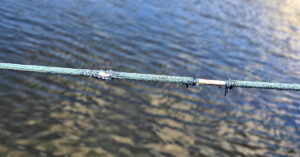
These high-contact areas are usually where problems appear first. You may notice flattening, fuzzing, or slight thinning. Even if the damage seems minor, it can significantly reduce the rope’s strength in that specific location.
This is why chafe protection and proper line placement are so important. Reducing friction helps extend the life of your dock lines and maintain their strength longer.
Age and Long-Term Degradation
Even dock lines that are not heavily used still age over time.
The materials naturally degrade, especially when combined with years of environmental exposure. Fibers lose elasticity, and the rope becomes less capable of handling dynamic loads.
This kind of degradation happens gradually. There is rarely a single moment when a rope suddenly becomes unsafe. Instead, performance slowly declines over months and years.
That is why older dock lines should be inspected carefully, even if they have seen limited use. A rope that looks acceptable but has spent years exposed to sunlight may not be nearly as strong as expected.
How to Slow the Process Down
You cannot stop wear completely, but you can slow it down significantly.
Rinse dock lines with fresh water to remove salt and debris. Allow them to dry fully before storing them. Keep them out of direct sunlight whenever possible. Inspect high-wear contact points regularly and adjust line placement to reduce friction.
Using high-quality dock lines also makes a difference. Better materials are designed to resist abrasion, handle stress more effectively, and maintain performance longer in harsh marine conditions.
Still, no rope lasts forever. Proper maintenance extends lifespan, but it does not eliminate the need for replacement.
Knowing When Strength Is Compromised
One of the biggest challenges with dock lines losing strength is that the warning signs are often subtle.
If your lines feel stiffer than they once did, no longer handle smoothly, or show visible wear at key contact points, those changes should be taken seriously. They usually indicate that the rope has already lost part of its original strength.
Dock lines are a critical part of your boat’s safety system. When they fail, it is rarely at a convenient moment.
Replacing them before failure is always the safer decision.
Strong Lines Start with Smart Choices
Dock lines take constant abuse. Between environmental exposure, repeated loading, and simple aging, strength loss is inevitable over time.
What matters most is recognizing the warning signs early and choosing the right materials from the start. High-quality options like American Rope nylon dock lines give you better performance and a longer working life, especially when paired with proper care.At American Rope, we build marine ropes designed for real-world conditions. With proper care and regular inspection, your dock lines can stay strong, reliable, and ready for whatever the water brings.
For a comprehensive checklist, download the full dock line inspection guide.
FAQS
What are the primary environmental causes of dock line degradation?
The primary environmental factors are ultraviolet (UV) radiation, saltwater, and moisture. Constant exposure to sunlight breaks down polymer chains within the fibers, causing fading and brittleness. Saltwater and moisture make the rope damp, rendering the fibers significantly more vulnerable to microscopic contamination, performance decline, and accelerated wear under tension.
How does internal breakdown affect a rope’s strength?
Rope strength relies on thousands of microscopic internal strands working in unison to carry a load. Over time, internal fibers break down due to repeated friction, dampness, and stress cycles. This internal degradation often occurs long before any visible damage appears on the outer jacket, compromising the rope’s breaking strength without warning.
Where on a dock line does friction damage happen fastest?
Friction damage occurs most rapidly at high-contact points, such as where the line passes over a dock cleat, slides through a chock, or rubs against a piling. Constant movement at these friction zones thins out the protective outer jacket, exposing the critical inner core fibers to direct environmental damage, flattening, and sudden mechanical failure.
Can a dock line lose strength if it is rarely used?
Yes. Dock lines naturally age and degrade over time, even with minimal physical usage. Years of passive exposure to atmospheric humidity, temperature changes, and ambient sunlight cause synthetic fibers to lose their elasticity. An older line may visually appear acceptable but possess significantly less shock-absorption capacity and breaking strength than required during a storm.
What are the early warning signs that a dock line needs to be replaced?
Key warning signs include:
- Changes in Texture: The line feels exceptionally stiff, hard, or lacks its original flexibility.
- Handling Difficulties: The rope no longer coils smoothly or self-orients easily.
- Aesthetic Wear: Visible fuzzing, flattening, thinning, or severe color fading at key contact points. Because a dock line’s safety margin declines gradually, experiencing any of these tactile or visual changes means the rope’s integrity has been compromised and it should be replaced immediately.