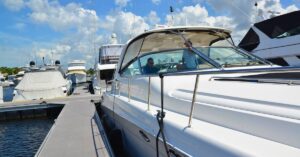
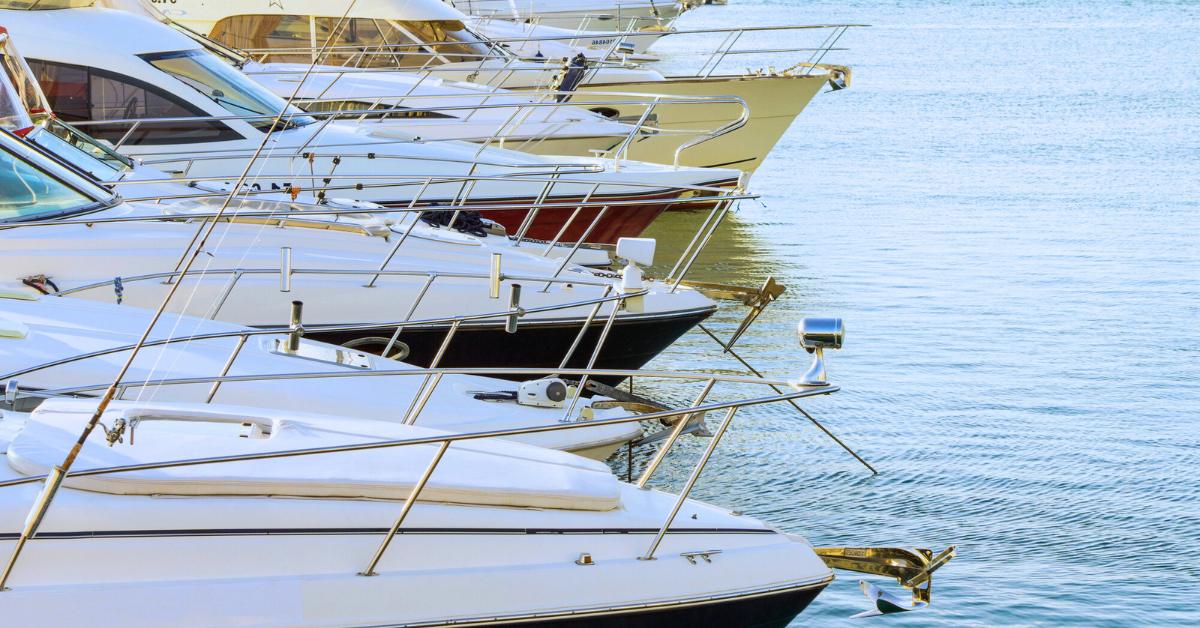
Rafting up is one of boating’s greatest pleasures. Spending time with friends on the water, boats tied side-by-side for a social float or overnight stay, is a memorable experience. But doing it right, and doing it safely, takes more than just enthusiasm and a cooler of refreshments. Proper gear and technique are essential to avoid damage to your boat or your neighbour’s. At American Rope, we help boaters prepare with the right lines, fenders, and know-how for every rafting situation.
Choose the Right Dock and Fender Lines
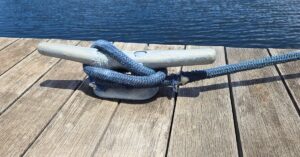
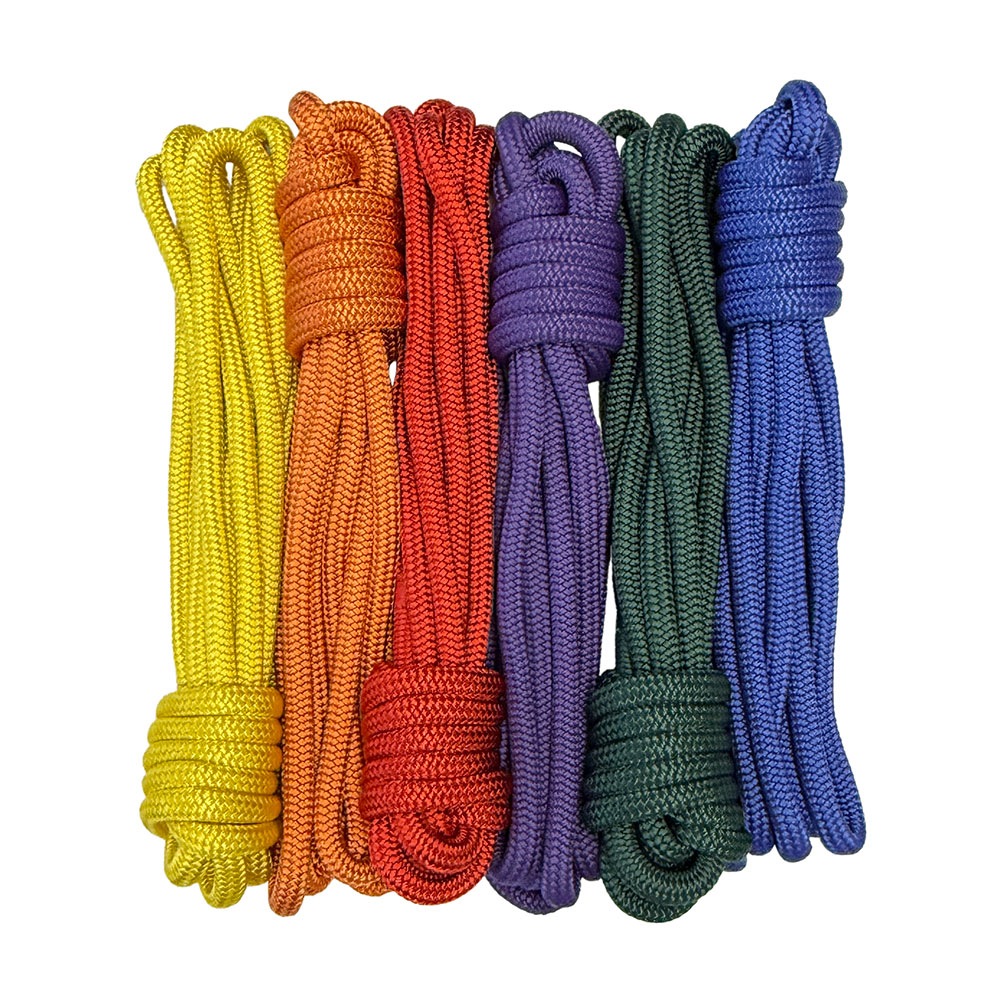
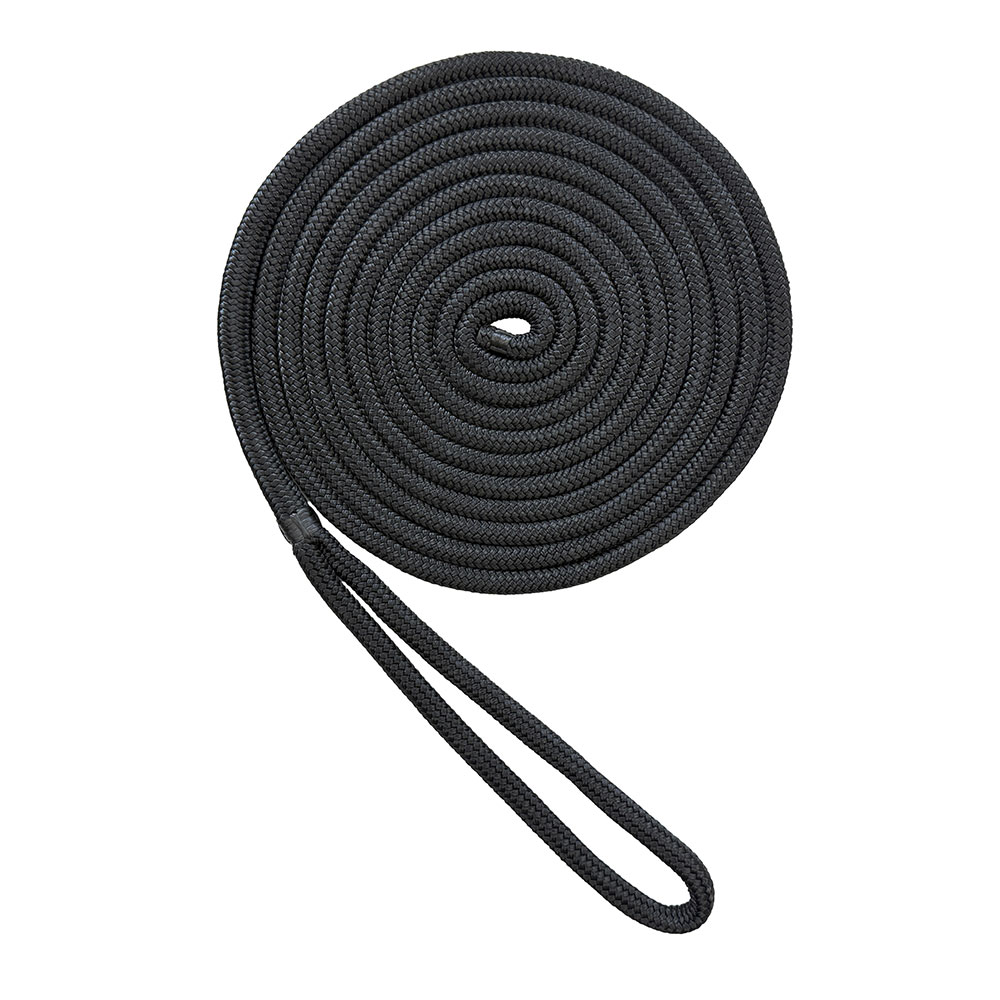
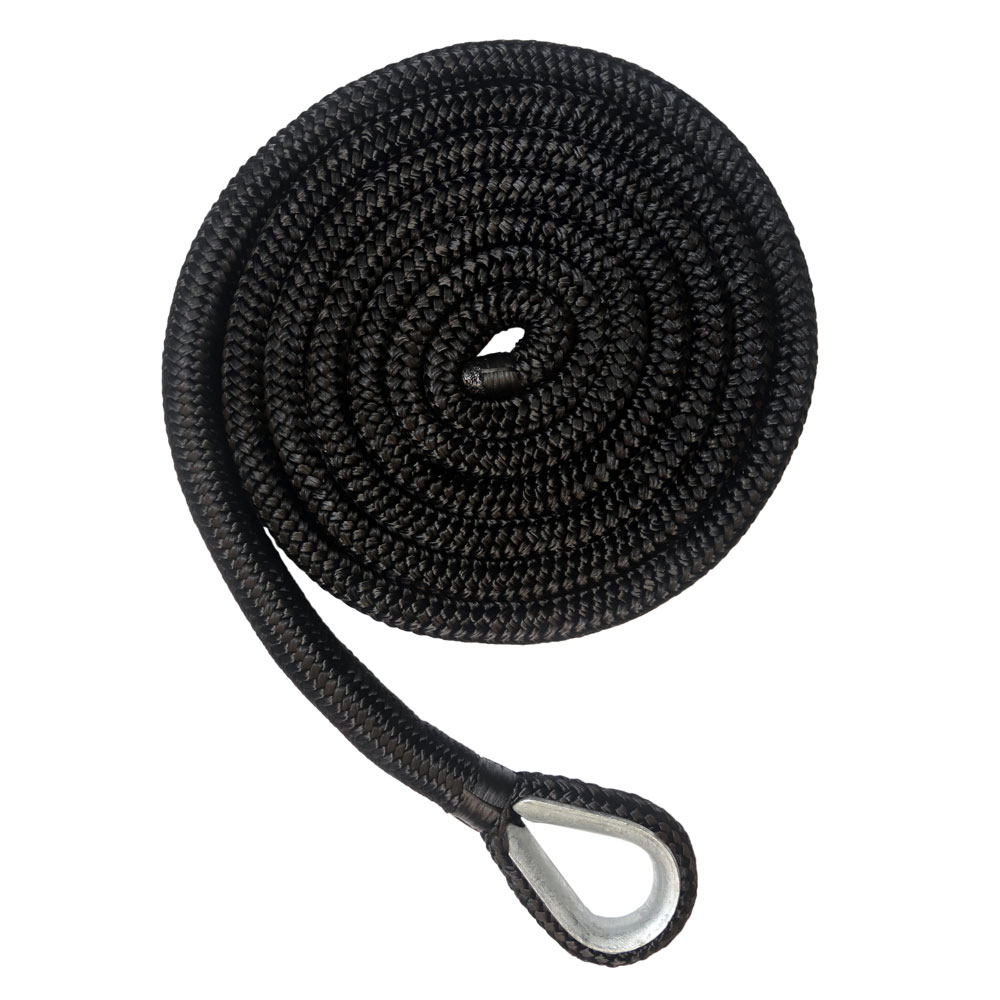
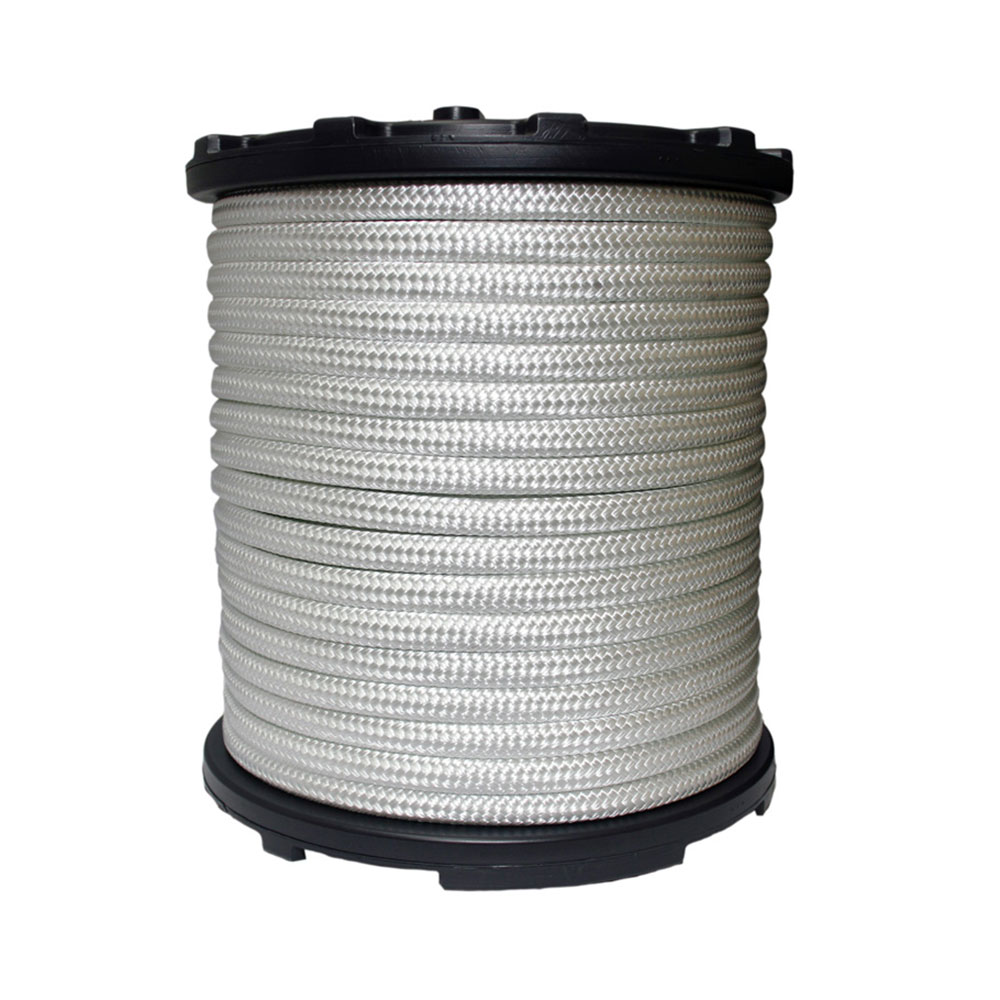
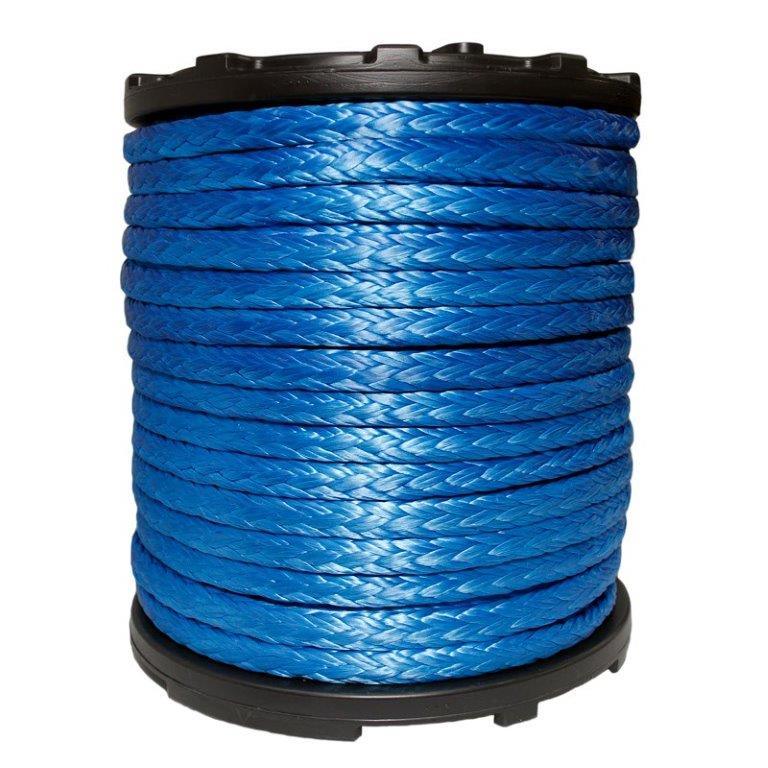
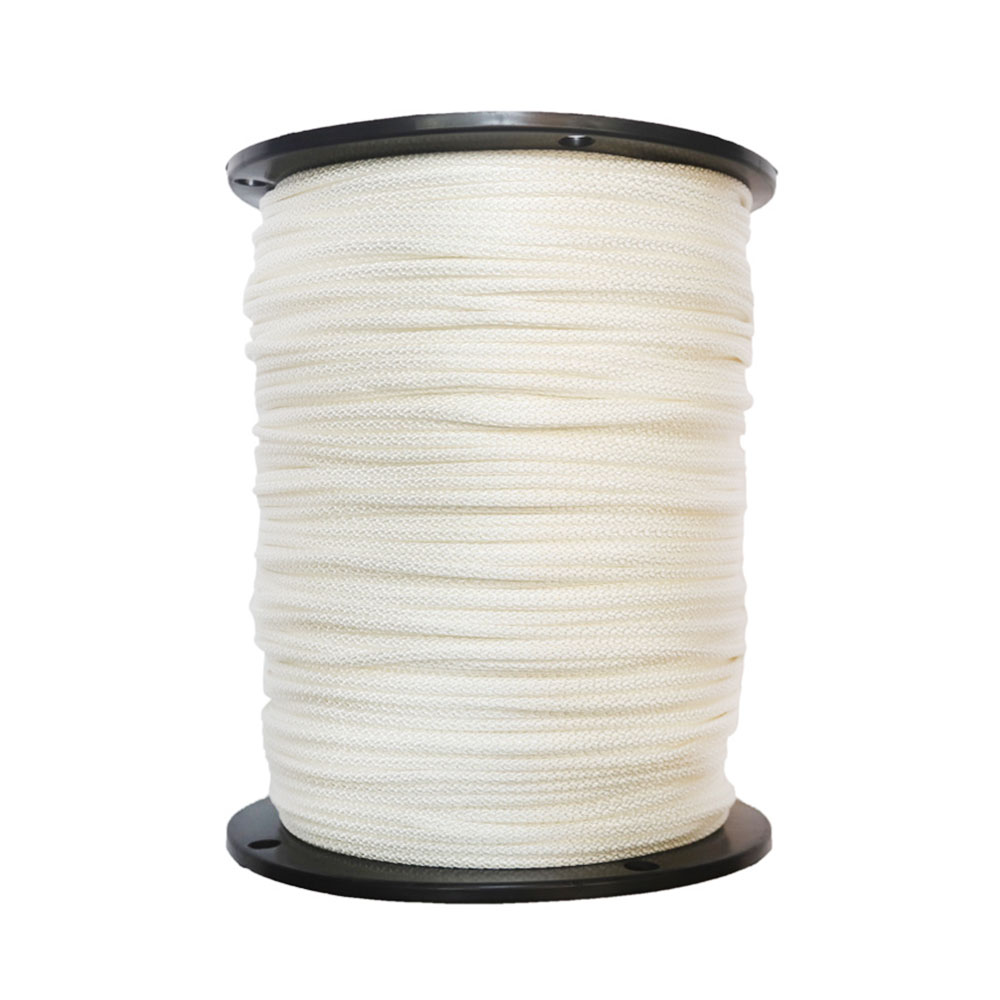
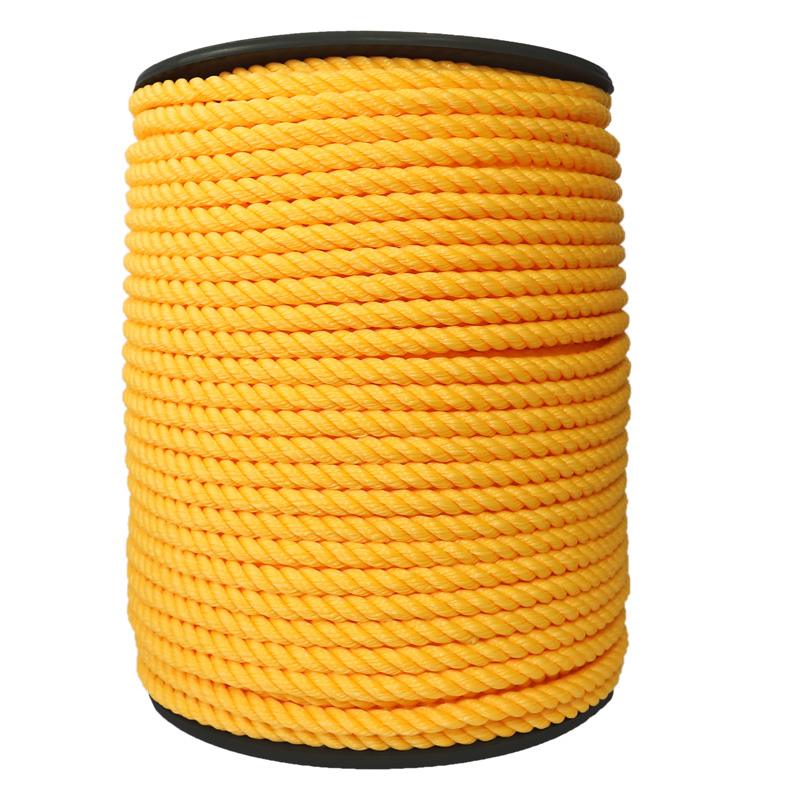
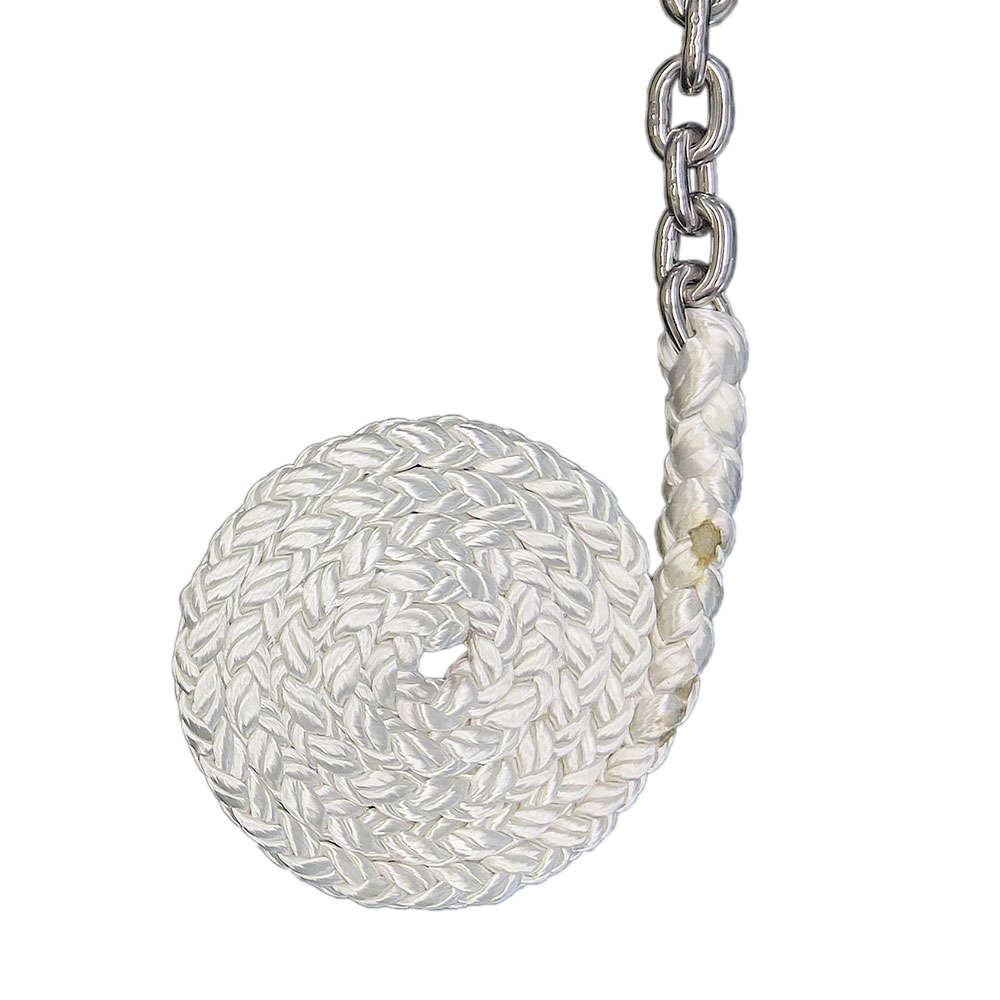
When rafting up, each vessel should come equipped with its own dock lines and fenders. Dock lines are used to tie off to adjacent boats or a central anchor boat, and fenders keep hulls from banging together. Double braid nylon dock lines are ideal because they offer strength, elasticity, and resistance to UV and saltwater. The elasticity helps absorb shock when wakes or wind disturb the raft. Custom fender lines are also useful and help protect your hull while minimizing the need for frequent adjustments. American Rope offers custom lengths and color-matching so your setup stays both functional and visually clean, whether you’re rafting for a few hours or staying overnight. Be sure to place fenders at the right height and in the proper locations, especially where hulls make contact, to avoid gel coat damage or cosmetic scrapes.
Use a Central Anchor Boat
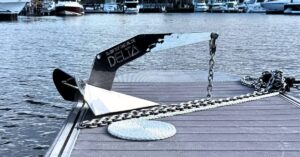
In any raft-up, one boat should act as the anchor boat, literally. This boat should have the heaviest ground tackle and most powerful anchor system, with enough chain and rope scope to keep the entire raft in position. The other boats tie off to the anchor boat, ideally alternating port and starboard sides to maintain balance and minimize drift. Each connecting vessel should contribute lines and help maintain spacing. Use spring lines running fore and aft to reduce forward and backward shifting. Bow and stern lines help keep boats secure and in alignment. Adjust line tensions throughout the day to respond to changes in tide or wake.
Fender First, Then Tie
Before bringing your boat alongside another, be sure fenders are deployed and correctly placed. Typically, three or more fenders per side are ideal when rafting: bow, midship, and stern. Always approach slowly, ideally against the wind or current, for better control. Once fenders are in place, toss over your lines. Start with the bow line, followed by stern and spring lines. Avoid tying too tightly. Boats need some flexibility to move naturally with the water. Once secure, double-check your knots and line tension. All lines should run cleanly from cleat to cleat without sharp angles or friction points.
Respect the Rafting Order
Rafting order matters for safety and balance. Lighter boats should always tie to heavier boats, not the other way around. A large powerboat in the center usually makes the best anchor boat. As more boats join the raft, keep an eye on space, current, and wind direction. Make sure there is enough room for all vessels to swing naturally with changing conditions. It’s also important to agree in advance how long the raft-up will last. Boats that plan to leave early should tie to the outside so they can depart without disrupting the entire setup.
Be Prepared with the Right Gear
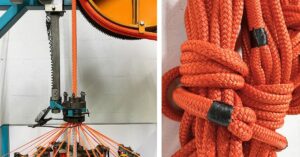
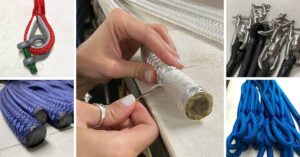
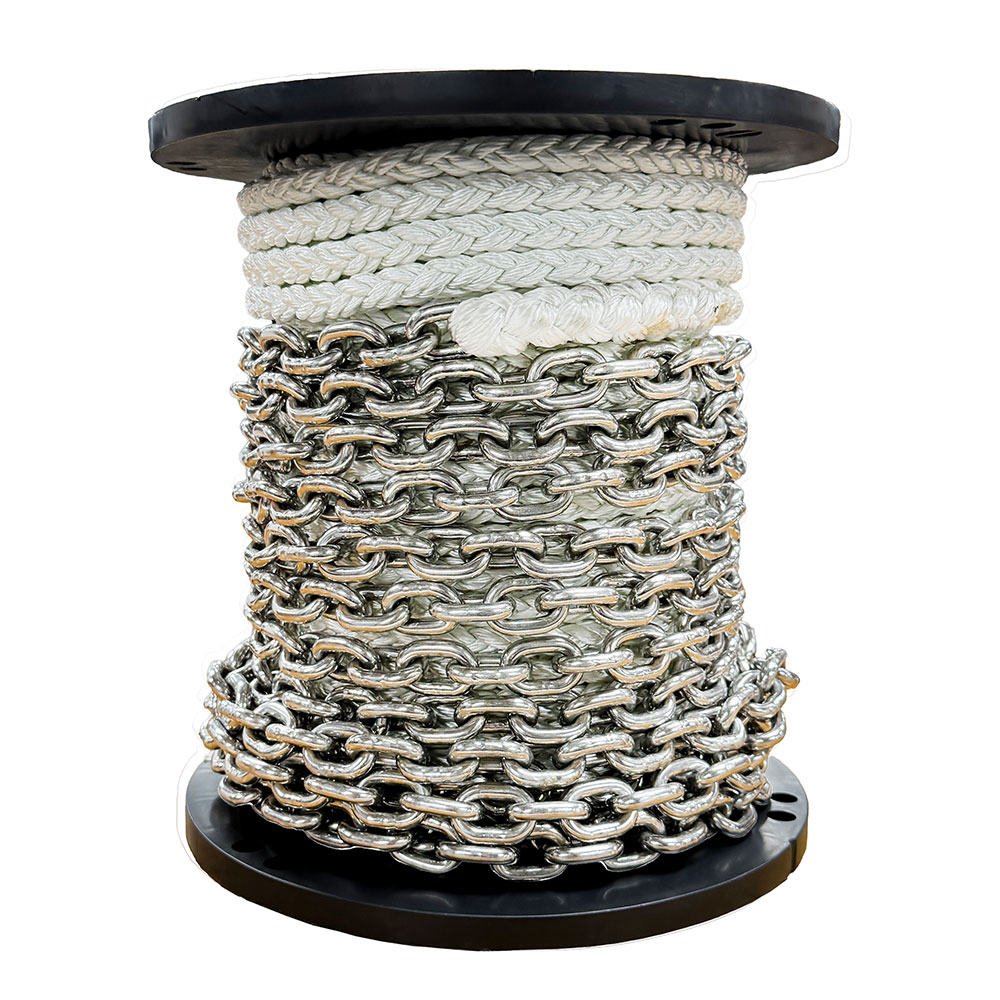
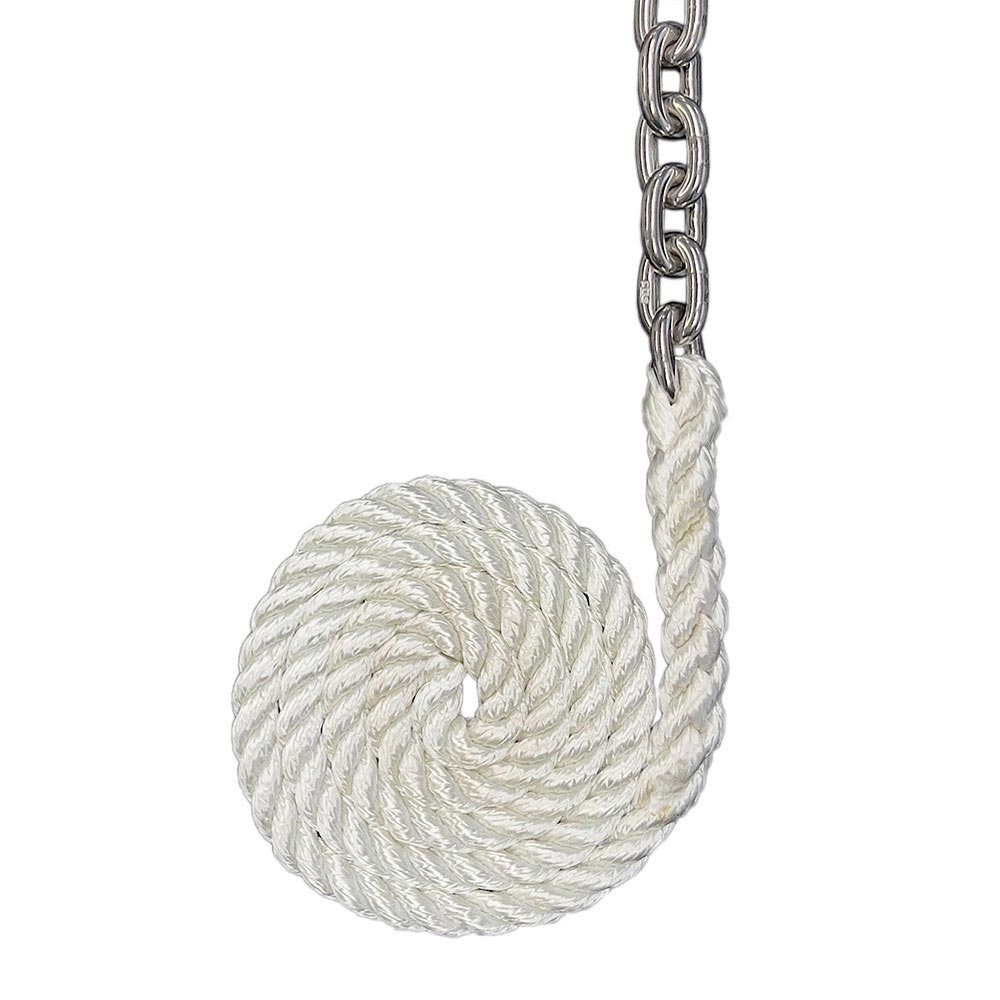
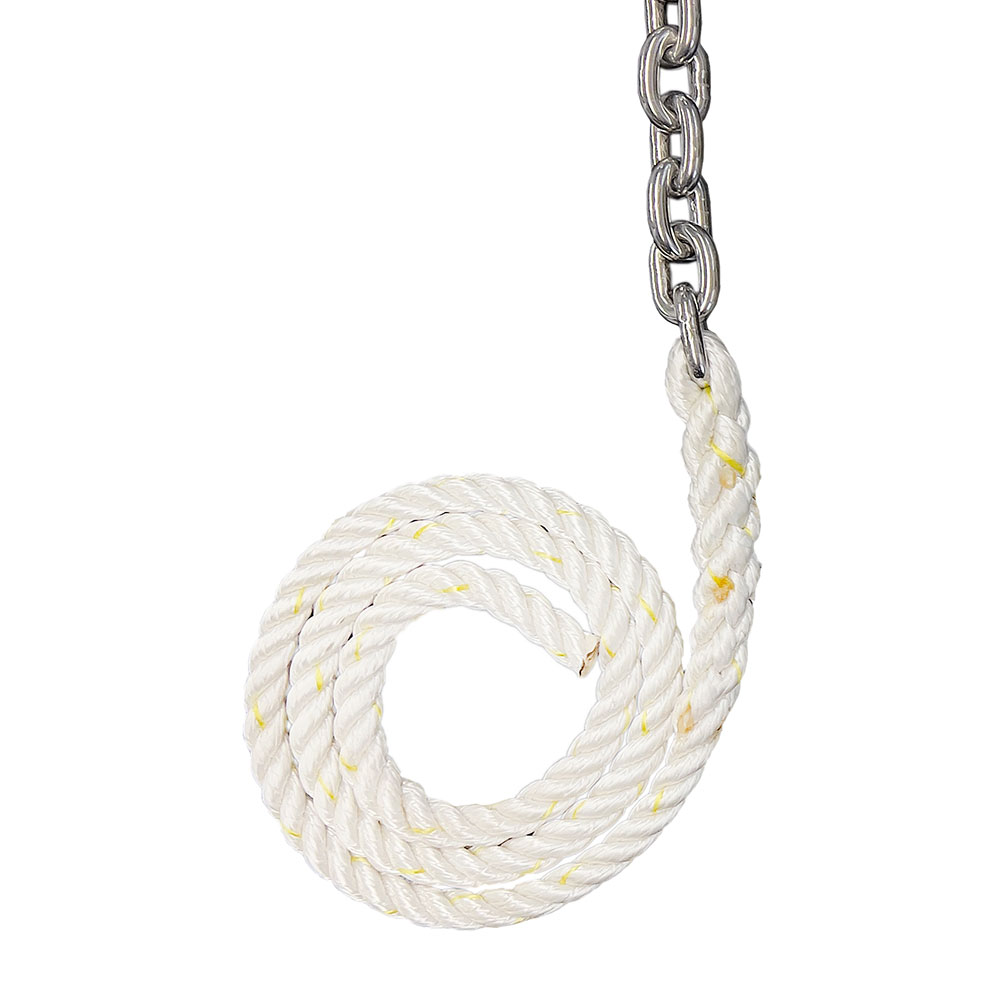
Having high-quality lines and fenders makes rafting up safer and easier. American Rope offers custom dock lines, pre-spliced options, and custom fender lines made in the USA using 100% marine-grade nylon. Our ropes are designed to perform under pressure, with proper diameter and stretch for secure mooring and rafting applications. If you’re planning a busy day on the water, contact us to ensure you have the right gear so you’re always ready to join a raft without relying on others. Choose lines and fenders that match your boat size, and consider color-matched rope for a more professional, polished look. For more information or to find the right products for your needs, please contact us.
FAQ
What type of dock lines are best for rafting up?
Double braid nylon dock lines are ideal because they combine strength, elasticity, and resistance to UV and saltwater, helping absorb shocks from wakes or wind.
How many fenders should I use when rafting up?
Typically, use three or more fenders per side at the bow, midship, and stern to protect your hull where it contacts other boats.
What is the role of a central anchor boat in rafting?
The central anchor boat holds the raft in position with the heaviest anchor system and acts as the main tie-off point for other boats, balancing the raft and minimizing drift.
How should I approach another boat when rafting up?
Approach slowly, ideally against the wind or current, with fenders properly deployed to maintain control and protect your boat’s hull.
Why is respecting the rafting order important?
Tying lighter boats to heavier boats prevents undue strain and maintains stability. Also, positioning boats that plan to leave early on the outside avoids disruptions.
Can I customize my dock lines and fender lines?
Yes, American Rope offers custom lengths and color-matching options to keep your rafting setup both functional and visually clean.