
Selecting appropriate marine rope for sale involves more than matching numbers on a sizing chart. While general guidelines provide excellent starting points, understanding the factors that influence rope diameter and length selection enables boat owners to make informed decisions tailored to their specific vessels and operating conditions. At American Rope, we help customers navigate these considerations to ensure they receive rope solutions that deliver optimal performance, safety, and longevity.
Understanding the Fundamentals of Rope Sizing
Rope diameter directly correlates to strength, with larger diameters providing higher breaking strengths and working load capacities. However, bigger is not always better. Oversized rope creates handling difficulties, increases weight and storage requirements, and may not fit properly through existing deck hardware. Undersized rope compromises safety margins and experiences accelerated wear under normal operating loads.
American Rope recommends starting with established sizing guidelines based on boat length, then adjusting for specific operational factors that may warrant diameter increases or, in rare cases, decreases from baseline recommendations.
Boat Length as the Primary Sizing Factor
Boat length serves as the most practical starting point for rope selection because it correlates reasonably well with displacement, windage, and the forces marine lines must handle. The sizing recommendations in standard charts account for typical boats within each length category operating under normal conditions.
A 35-foot sailboat typically requires 5/8-inch dock lines, while a 35-foot powerboat with significantly higher windage might benefit from 3/4-inch lines despite falling within the same length category. American Rope works with customers to understand their specific vessel characteristics and adjust sizing recommendations accordingly.
Environmental Conditions and Operating Environments
The waters where you operate significantly influence appropriate rope sizing. Vessels operating in protected harbors with minimal tidal range and moderate weather may perform perfectly with baseline sizing recommendations. Boats facing challenging conditions require more robust solutions.
Exposure Considerations: Open anchorages subject to ocean swells, strong tidal currents, or frequent severe weather demand increased diameter selections. American Rope typically recommends moving up one size category for vessels operating in exposed conditions. A 30-foot boat that would normally use 1/2-inch dock lines might benefit from 5/8-inch lines when regularly docking in areas with strong currents or surge conditions.
Regional Weather Patterns: Areas prone to sudden squalls, tropical storms, or sustained high winds justify larger diameter selections. The Gulf Coast, Caribbean, and other hurricane-prone regions warrant more conservative sizing compared to protected inland waters.
Vessel Characteristics Beyond Length
Modern boats vary dramatically in design characteristics that affect appropriate rope sizing even within the same length category.
Displacement and Weight: Heavier displacement vessels generate more momentum and require stronger lines to control movement. A heavy cruising sailboat needs more robust rope for sale than a lightweight performance racer of the same length. American Rope considers displacement when making diameter recommendations for custom applications.
Windage and Profile: Tall rigs, flybridge structures, and high cabin profiles increase wind resistance, creating higher loads on dock lines and anchor rodes. Vessels with significant windage benefit from diameter increases that provide additional strength and shock absorption capacity.
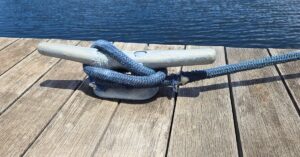
Cleat and Hardware Sizing: Existing deck hardware influences practical rope diameter limits. Lines must fit properly on cleats with adequate horn length to secure multiple wraps. American Rope can help customers evaluate whether hardware upgrades may be necessary to accommodate appropriately sized rope
Length Considerations for Different Applications
While diameter selection focuses primarily on strength, length requirements vary significantly between applications and must account for multiple factors.
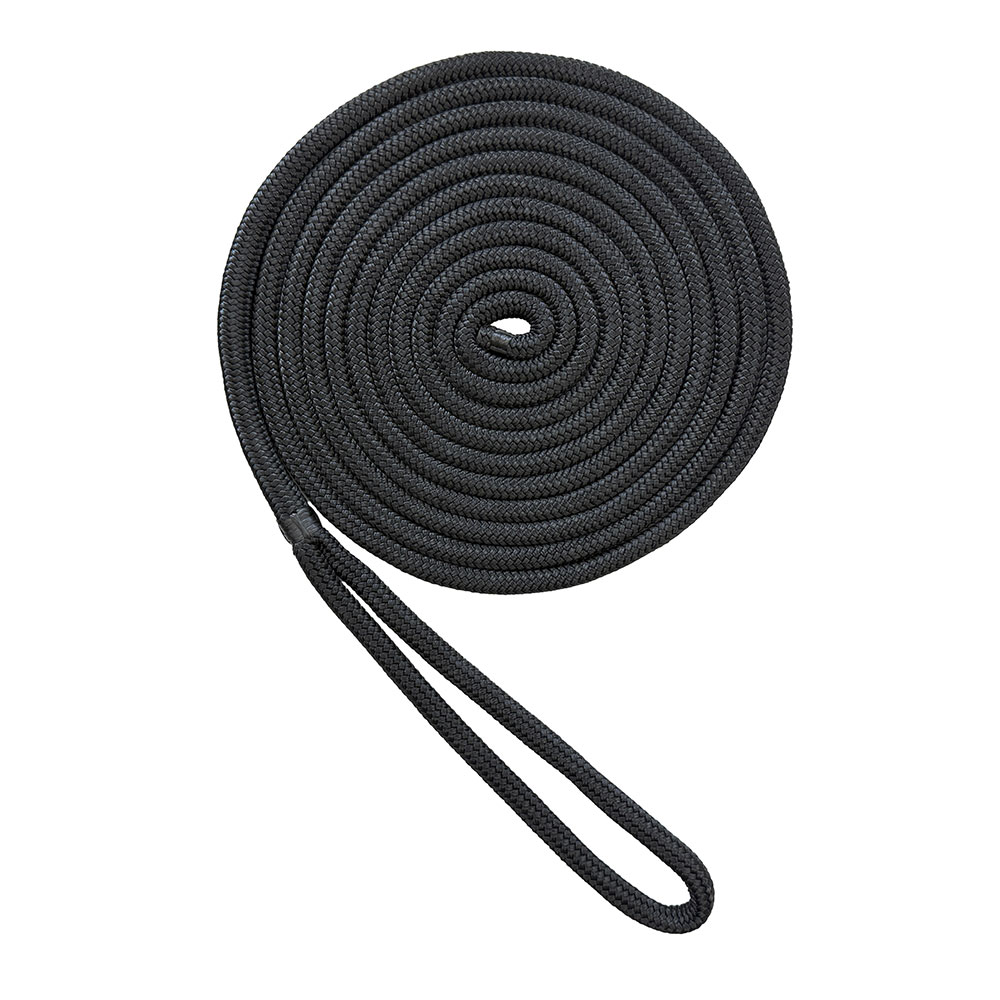
Dock Line Lengths: Standard recommendations call for bow and stern lines at two-thirds boat length, with spring lines matching full boat length. However, specific dock configurations may require adjustments. Finger piers with cleats directly alongside the boat need shorter lines than situations requiring long reaches to distant pilings. American Rope fabricates custom dock line sets in lengths specified by customers for their particular docking situations. (See: Dock Line Sizing Guide)
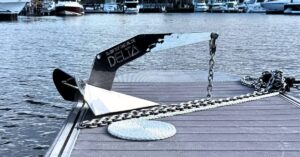
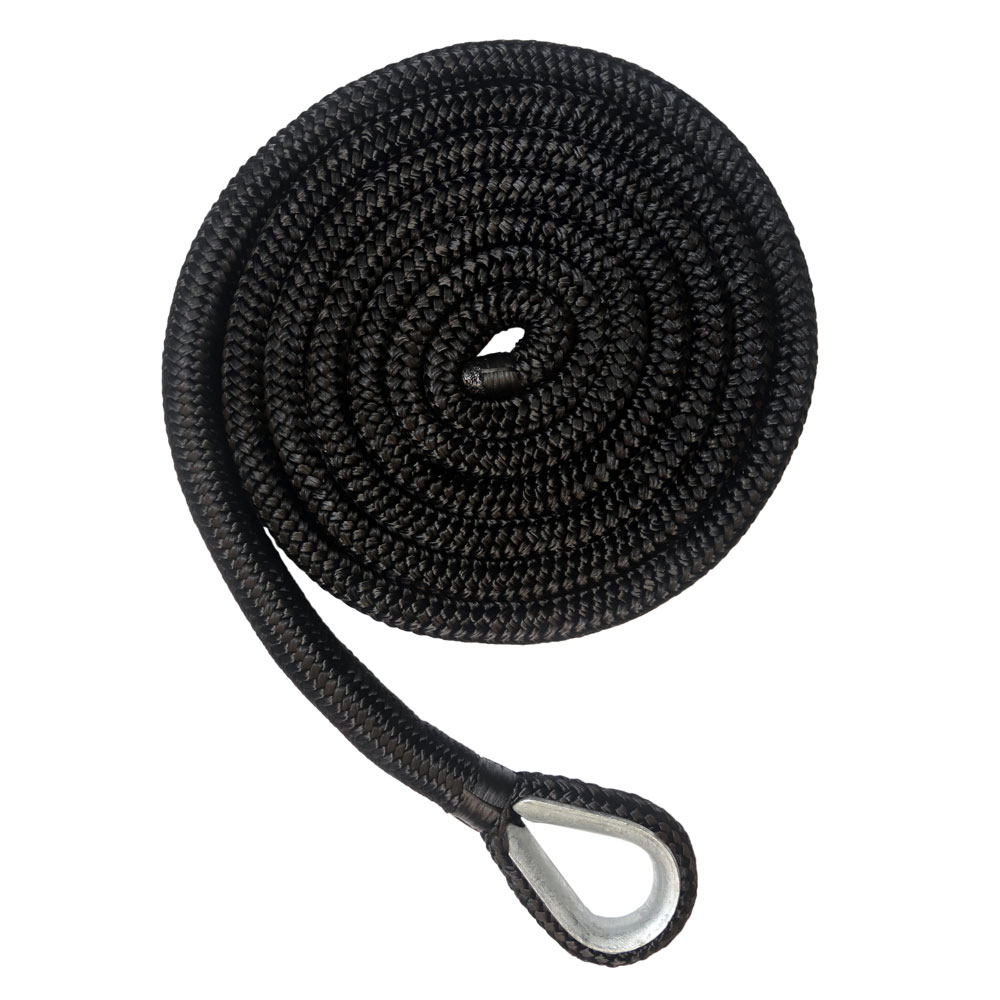
Anchor Rode Length: Proper scope ratios (rode length to water depth) determine minimum anchor rode lengths. The common 7:1 scope recommendation means anchoring in 30 feet of water requires 210 feet of rode. American Rope typically recommends 200 to 300 feet of rode for recreational vessels, with increases for boats that regularly anchor in deeper waters or challenging conditions.
Fender Line Length: Fender lines must allow adjustment across the range of freeboard heights encountered at different marinas and tidal conditions. Lines that are too short limit fender positioning flexibility, while excessively long lines create handling and storage challenges.
Material Selection Impact on Sizing
Different rope materials exhibit varying strength-to-diameter ratios that influence sizing decisions.
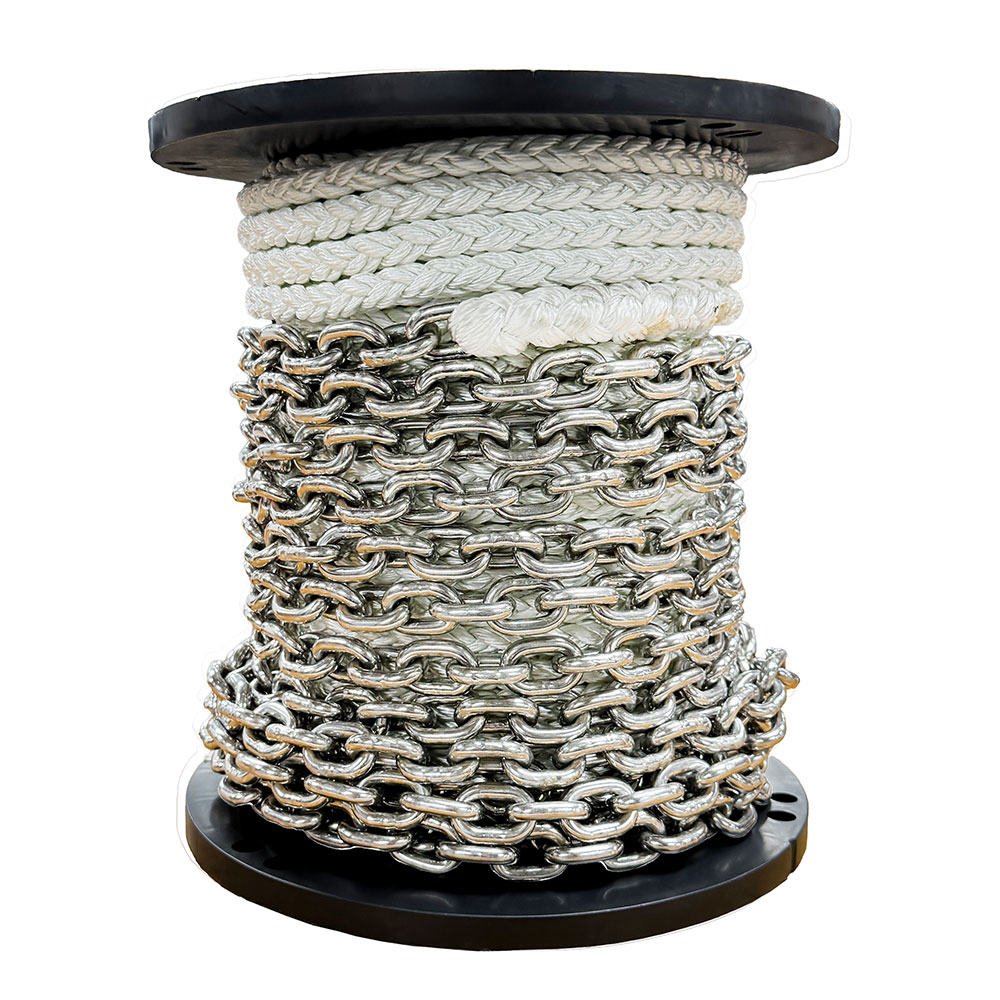
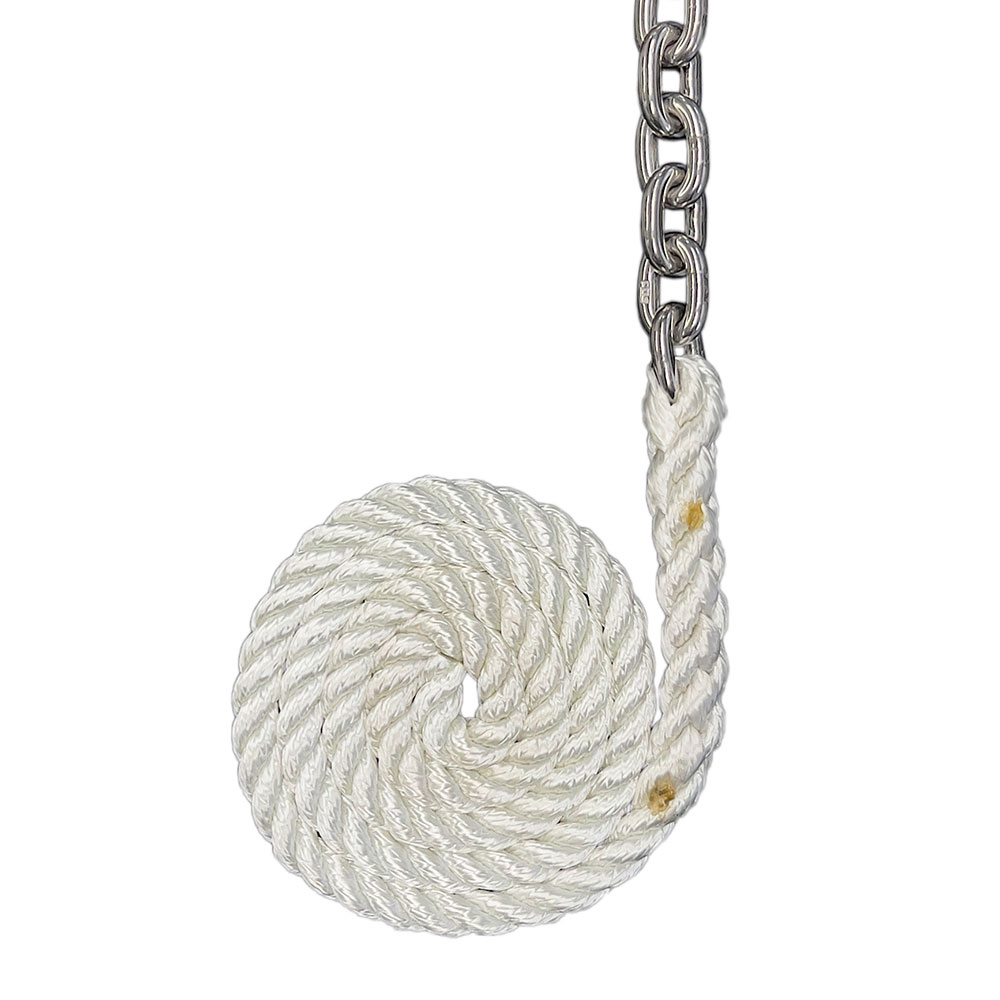
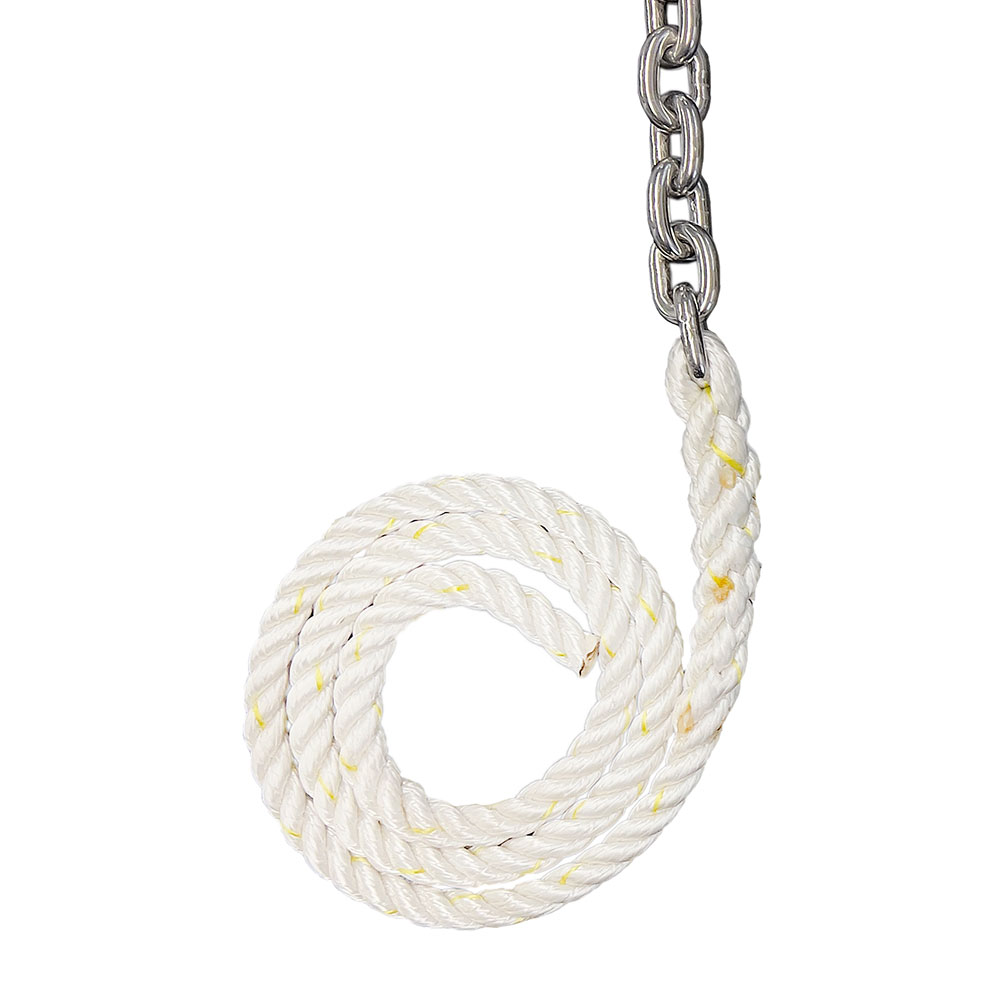
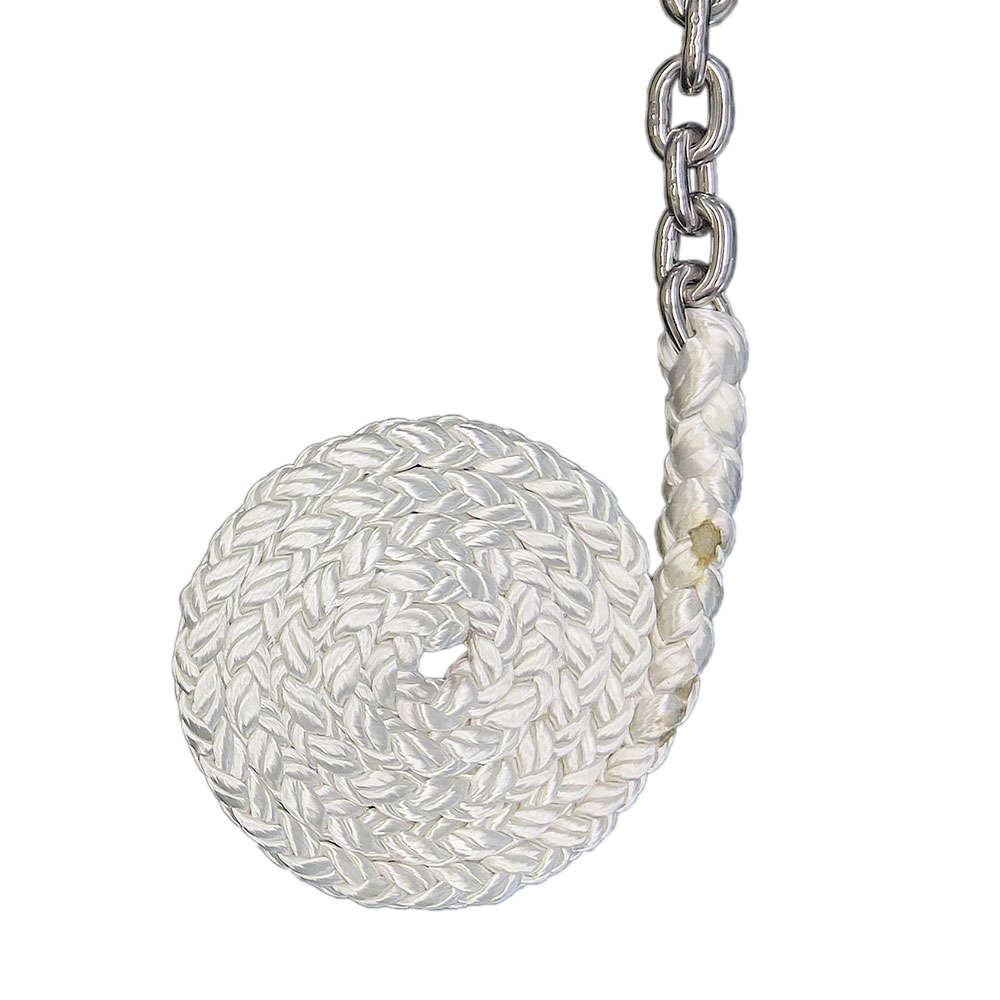
Nylon Characteristics: Three-strand and double-braid nylon ropes, the standard for most marine applications, provide excellent strength and shock absorption.. American Rope’s nylon rope for sale meets Cordage Institute standards, ensuring consistent performance within each diameter category.
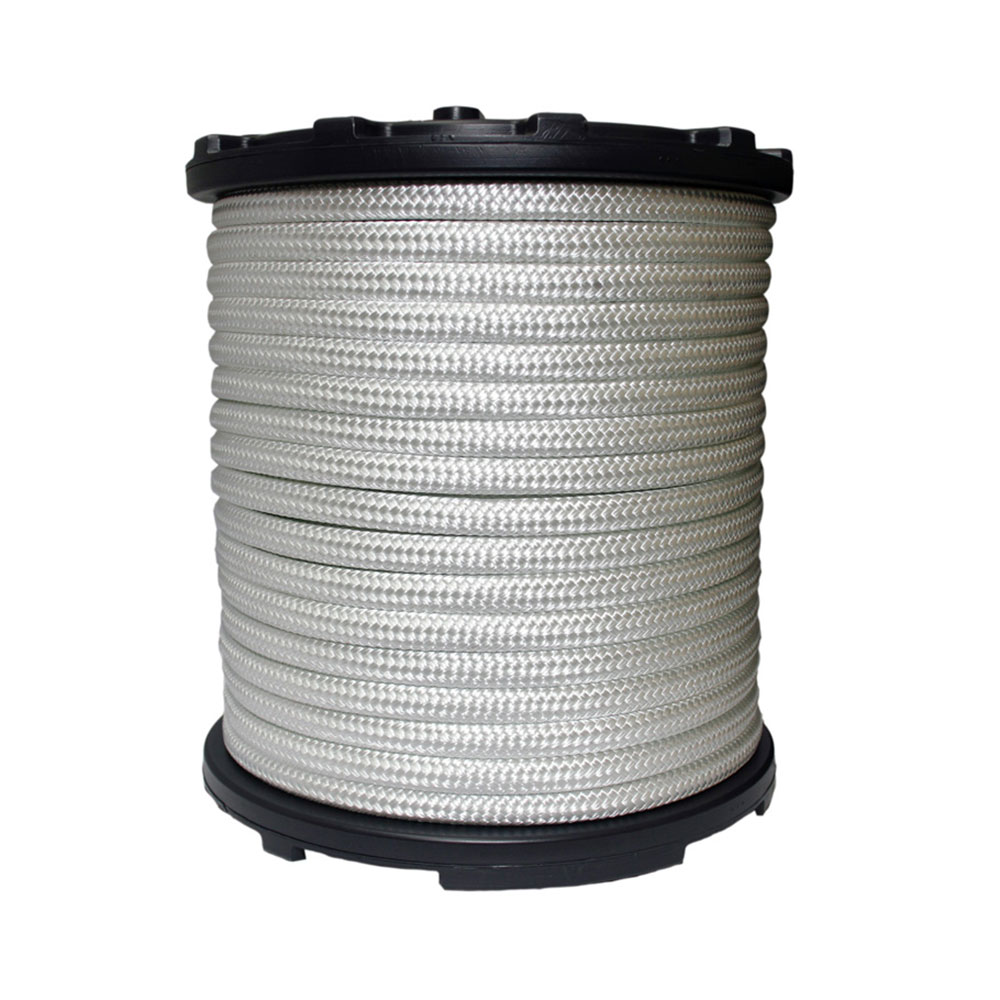
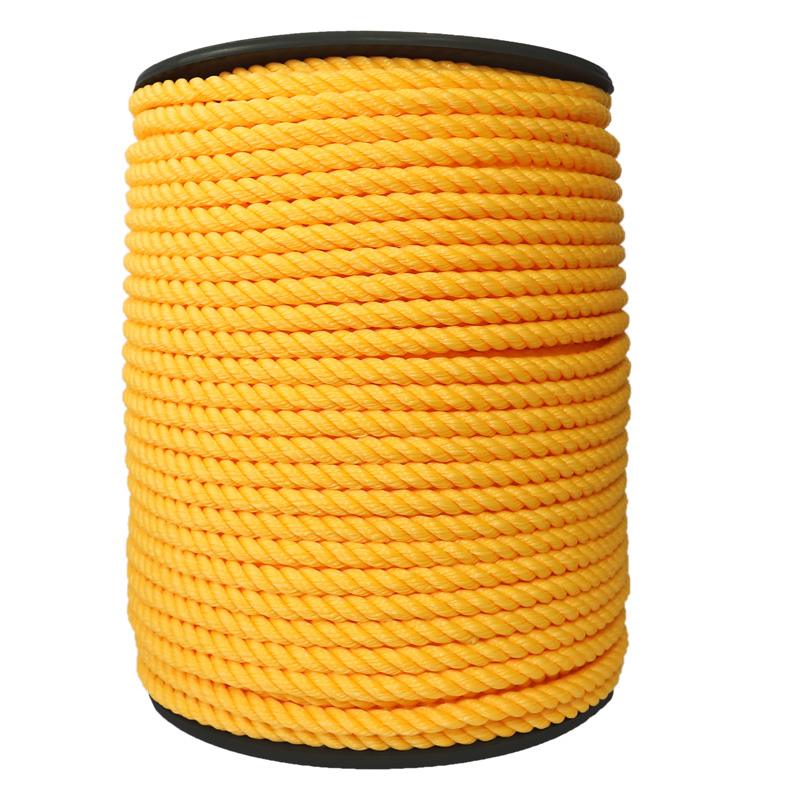
Construction Methods: Double-braid construction typically offers higher strength than three-strand rope of the same diameter. Customers choosing three-strand rope for its traditional appearance and ease of splicing may need to select slightly larger diameters to match double-braid strength levels.
Safety Factors and Working Load Limits
Professional rope sizing incorporates safety factors that ensure lines operate well within their capacity under normal conditions, providing reserve strength for unexpected situations.
Industry Standards: Marine applications typically use safety factors of 4:1 or higher, meaning rope breaking strength should be at least four times the maximum expected working load. American Rope helps customers calculate appropriate working loads based on vessel displacement and environmental factors.
Margin for Degradation: Rope strength decreases over time due to UV exposure, abrasion, and repeated loading cycles. Starting with appropriately sized rope ensures adequate strength remains even as the rope ages and experiences normal degradation.
Custom Applications and Special Considerations
Some situations demand specialized sizing beyond standard recommendations.
Extended Cruising: Vessels embarking on extended cruises benefit from conservative sizing that provides extra security margins in unfamiliar anchorages and unexpected conditions. American Rope works with cruising sailors to develop complete rope inventories sized appropriately for offshore passages and remote anchoring.
Professional and Commercial Use: Commercial operations subject ropes to more frequent use and higher loading cycles than recreational applications. American Rope provides commercial-grade sizing recommendations that account for accelerated wear and increased safety requirements.
Conclusion
Selecting the right rope diameter and length requires balancing multiple factors including boat size, operating environment, vessel characteristics, and intended applications. While standard sizing charts provide excellent baselines, understanding the considerations that influence these recommendations enables informed decisions tailored to specific needs. American Rope’s experience helping thousands of boat owners select appropriate rope for sale ensures customers receive sizing guidance that accounts for all relevant factors. Whether you are outfitting a new vessel or upgrading existing lines, our team provides the expertise needed to choose rope diameters and lengths that deliver optimal performance, safety, and reliability throughout years of marine service.