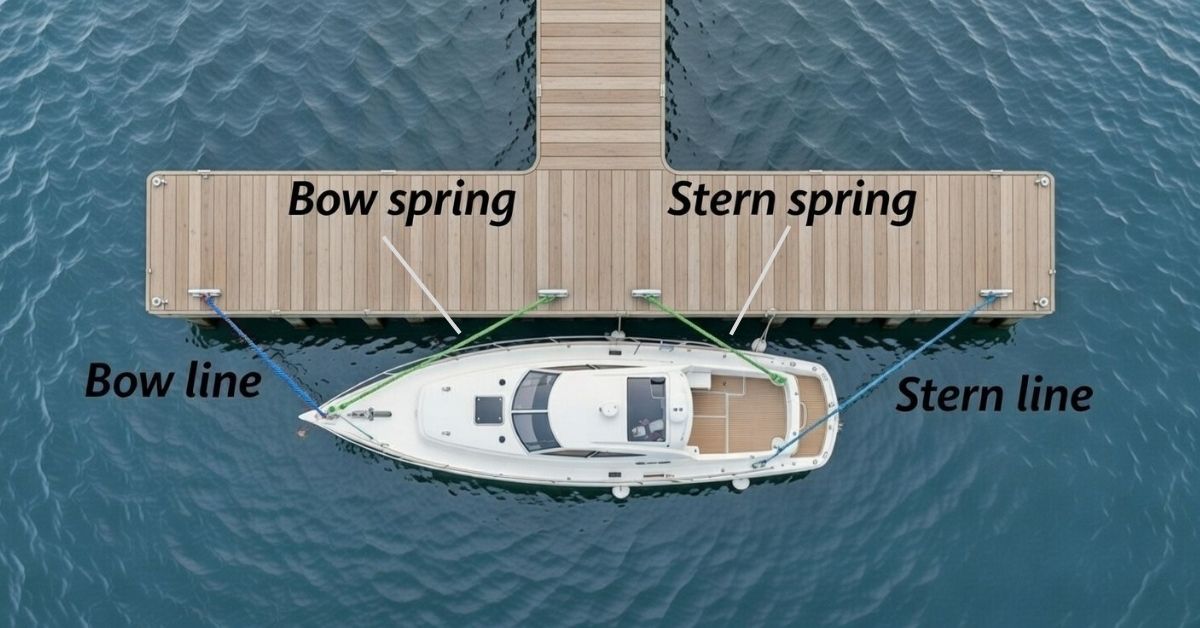
Many boaters tie up using only bow and stern lines, which leaves a vessel vulnerable to wind, wakes, and surge, the back-and-forth movement that can damage both boat and dock. Spring lines are diagonal ropes running between your boat and the dock that provide critical lateral control for a secure and stable mooring.
At American Rope, we engineer dock line systems to handle the forces spring lines encounter. Learning to use them applies principles of physics and geometry, ensuring you apply the right control in the right direction.
What Spring Lines Do
Spring lines prevent excessive fore-and-aft movement while allowing your boat to rise and fall naturally with tides and waves. Unlike bow and stern lines that resist pulling away, spring lines control surge, the motion that causes boats to rub against pilings or strain hardware.
A correctly rigged spring line system can reduce loads on bow and stern lines by up to 60 percent, distributing forces across multiple attachment points and significantly improving overall security, according to the Sea Tow Foundation.
The key is the diagonal angle. Spring lines should run approximately 30 to 45 degrees from the boat’s centerline. This angle is steep enough to control motion but shallow enough to avoid excessive vertical stress on dock cleats.
The Two Essential Spring Lines
A complete setup uses two lines working in opposition:
Forward Spring Line:
Attached to a cleat near your bow.
Runs aft (toward the stern) to a dock cleat located behind the boat.
Prevents the boat from moving forward.
Typical length: at least as long as the boat.
Aft Spring Line:
Attached to a cleat near your stern.
Runs forward (toward the bow) to a dock cleat located ahead of the boat.
Prevents the boat from moving backward.
Typical length: at least as long as the boat.
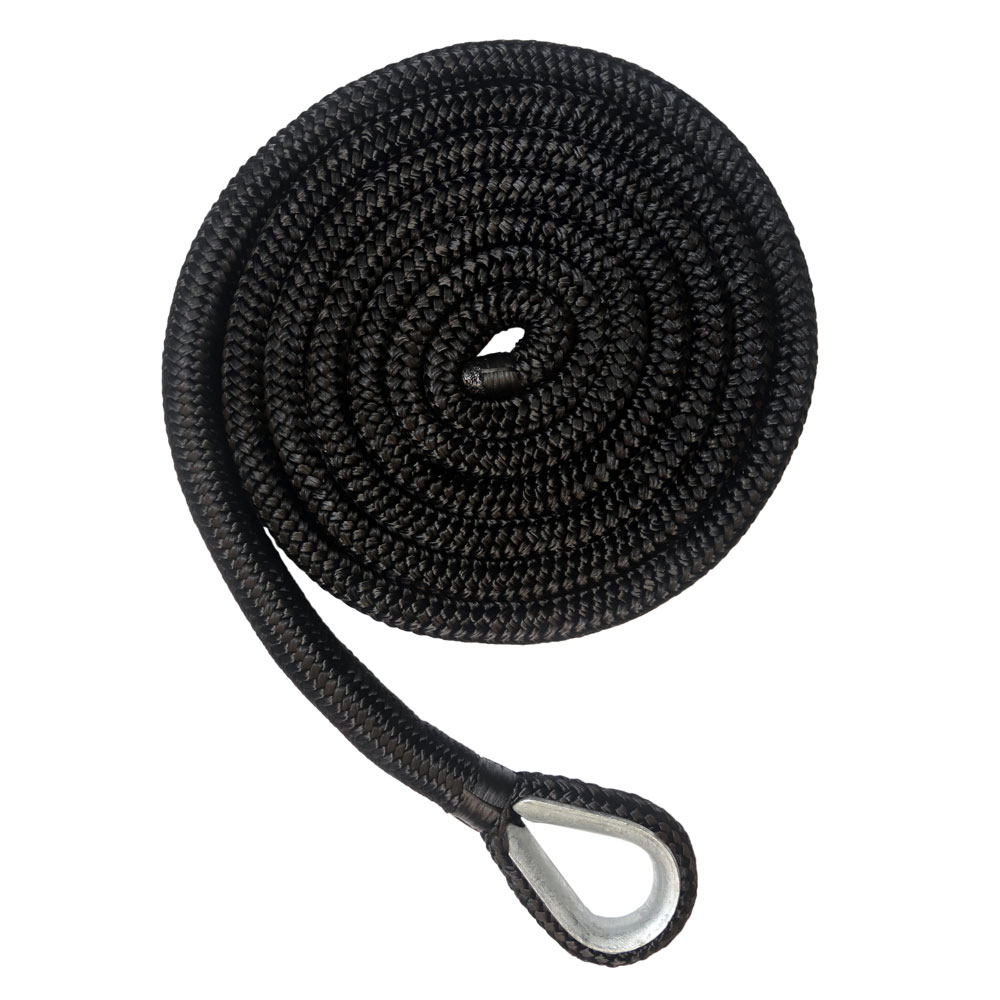
American Rope custom-fabricates spring lines to precise lengths for your slip, ensuring optimal angle and tension while eliminating trip hazards from excess line.
How to Tie Spring Lines
Secure temporarily: Bring your boat alongside the dock and secure it with a bow line and stern line to create a stable platform.
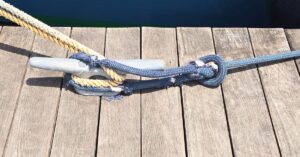
Rig the forward spring: Lead a line from your bow cleat aft along the dock to a cleat at least half your boat’s length behind the bow. Create a 30 to 45 degree angle and secure it with a cleat hitch at moderate tension.
Rig the aft spring: From your stern cleat, run a line forward along the dock to a cleat at least half of your boat’s length ahead of the stern. Secure it with a cleat hitch at moderate tension and a 30 to 45 degree angle.
Adjust all lines: Fine-tune bow and stern lines to position the boat. Spring lines should have slight tension, enough to remove slack but not enough to pull the boat out of position.
Account for tides: In tidal waters, ensure sufficient slack in all lines to allow the boat to rise and fall. Longer spring lines may require more range than bow or stern lines.
Getting The Angle Right
The angle is crucial for balancing surge control and preventing excessive load on cleats. Too steep, approaching vertical, risks cleat damage. Too shallow fails to control fore-and-aft motion effectively.
American Rope recommends:
Ideal angle: 30 to 45 degrees from the boat’s centerline.
Maximum safe angle: 60 degrees. Never exceed 60 degrees.
If slip geometry is limited, compromise may be necessary, but avoid exceeding the safe angle.
Tensioning Your Spring Lines
Proper Tension Indicators:
Lines show slight tension when pressed
Boat can move 6 to 12 inches fore and aft before lines become tight
Fenders are slightly compressed but not fully
Problems with Overtensioning:
Excessive strain on cleats and hardware
Fenders compressed flat, offering no cushioning
Potential cleat failure under sudden shock loads
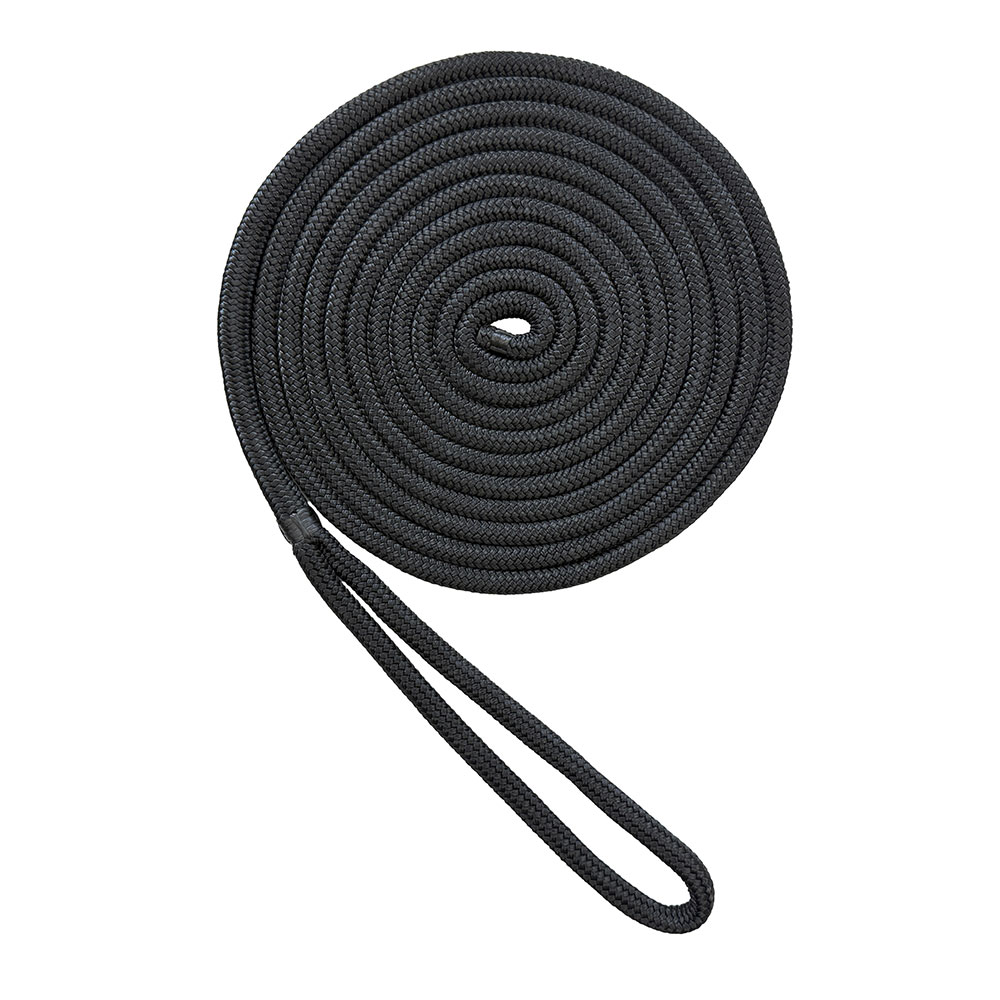
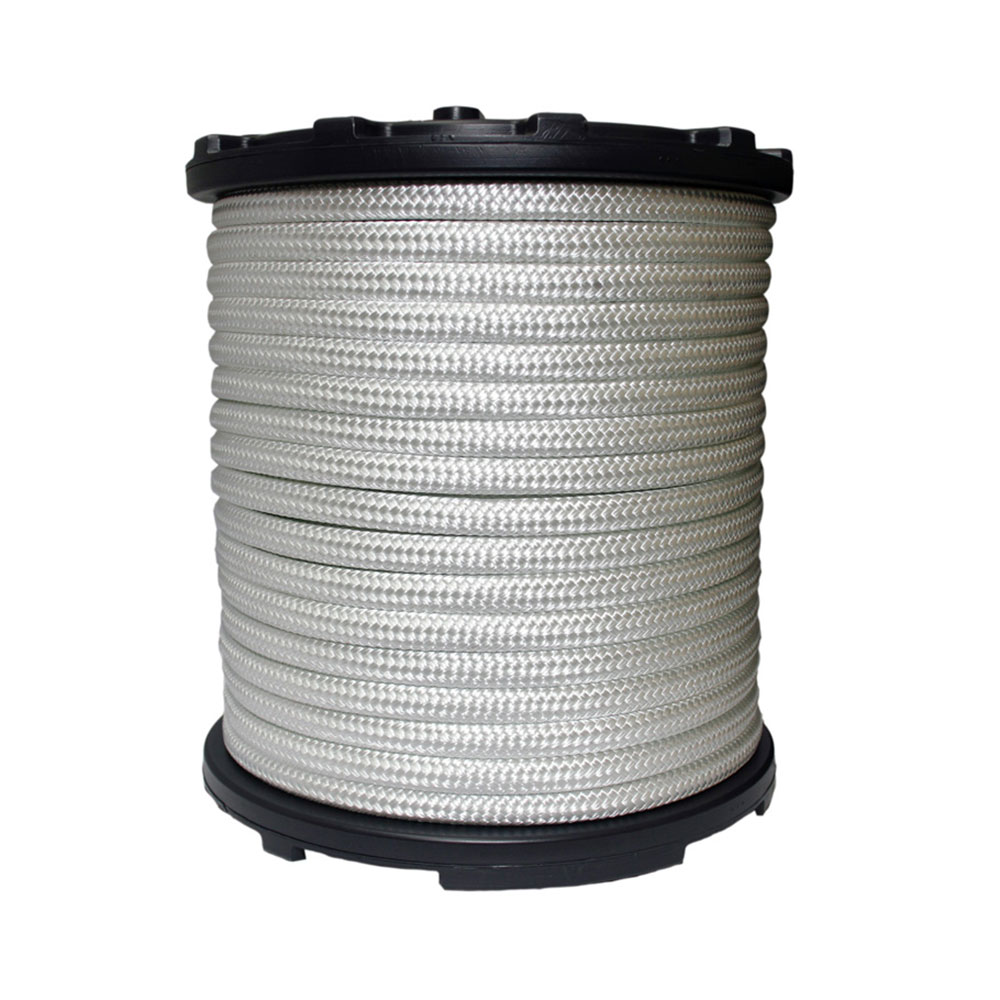
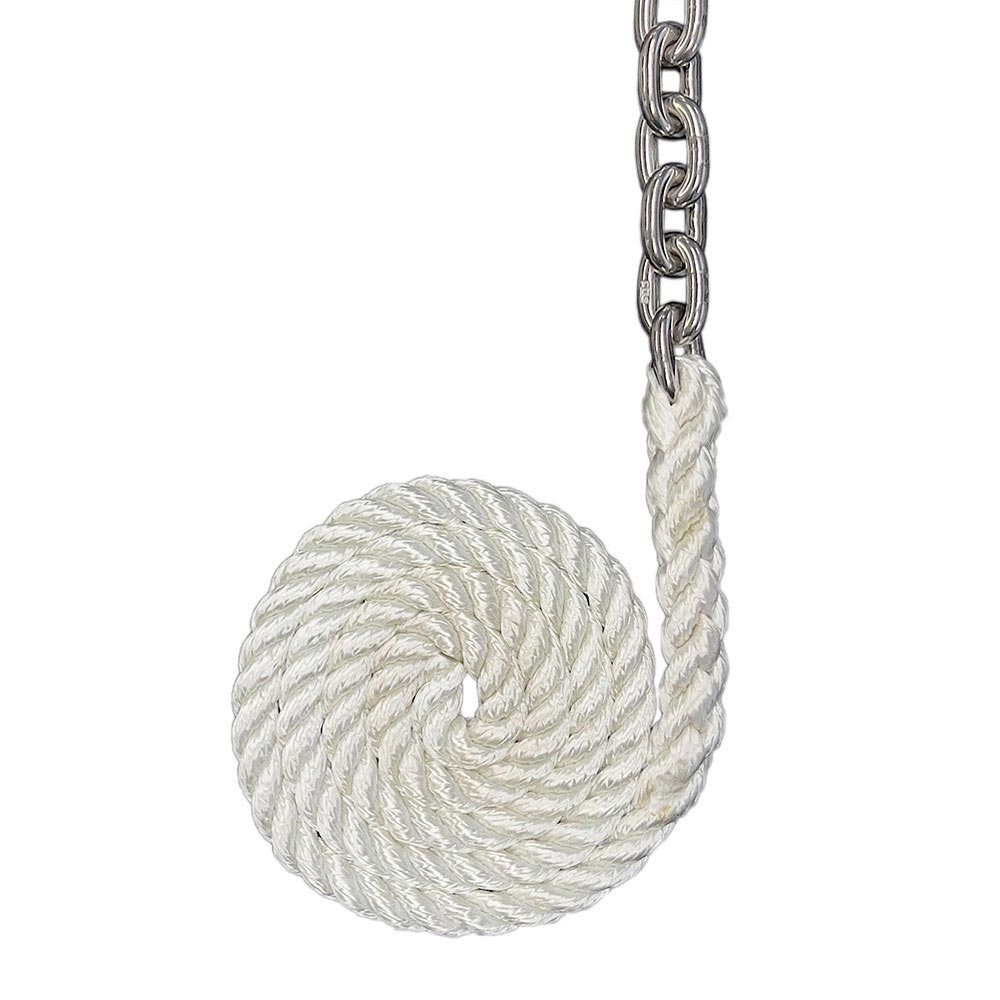
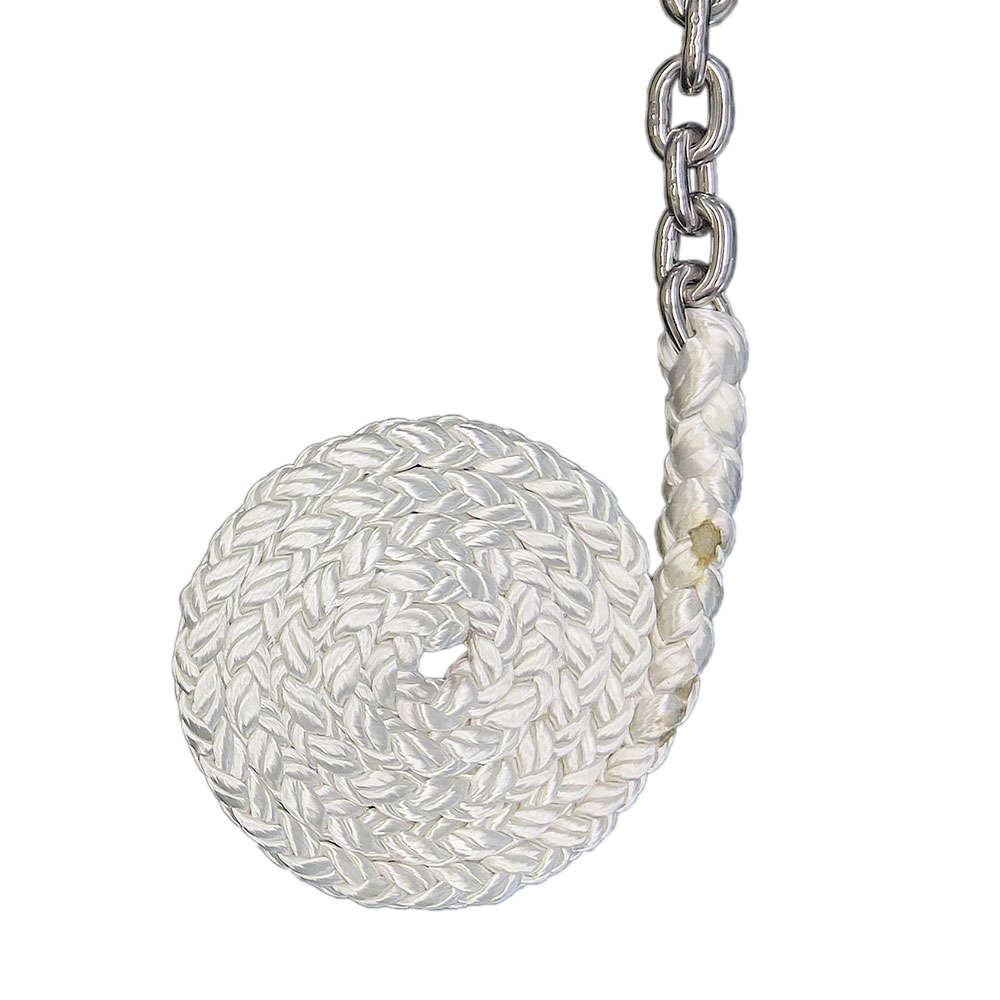
American Rope’s double braid nylon dock lines provide controlled stretch, absorbing surges without shock-loading hardware while maintaining effective control.
Spring Lines for Different Situations
Calm conditions: A four-line setup (bow, stern, and two spring lines) is sufficient.
Rough conditions: Add a second set of spring lines from the opposite side, creating an X-pattern for redundancy against wakes or wind.
Tidal docking: Use longer spring lines and inspect tension at different tide stages, adjusting as needed.
Common Spring Line Mistakes
Running spring lines too short: Creates steep angles that fail to control surge and increase cleat damage risk.
Using undersized line: Spring lines handle significant loads. Use the same diameter recommended for bow and stern lines according to the Cordage Institute guidelines.
Neglecting chafe protection:Spring lines rub against boat and dock hardware. Integrated chafe protection guards high-wear areas.
Forgetting to adjust: Tides, wind shifts, and temperature changes affect line tension. Check and adjust periodically.
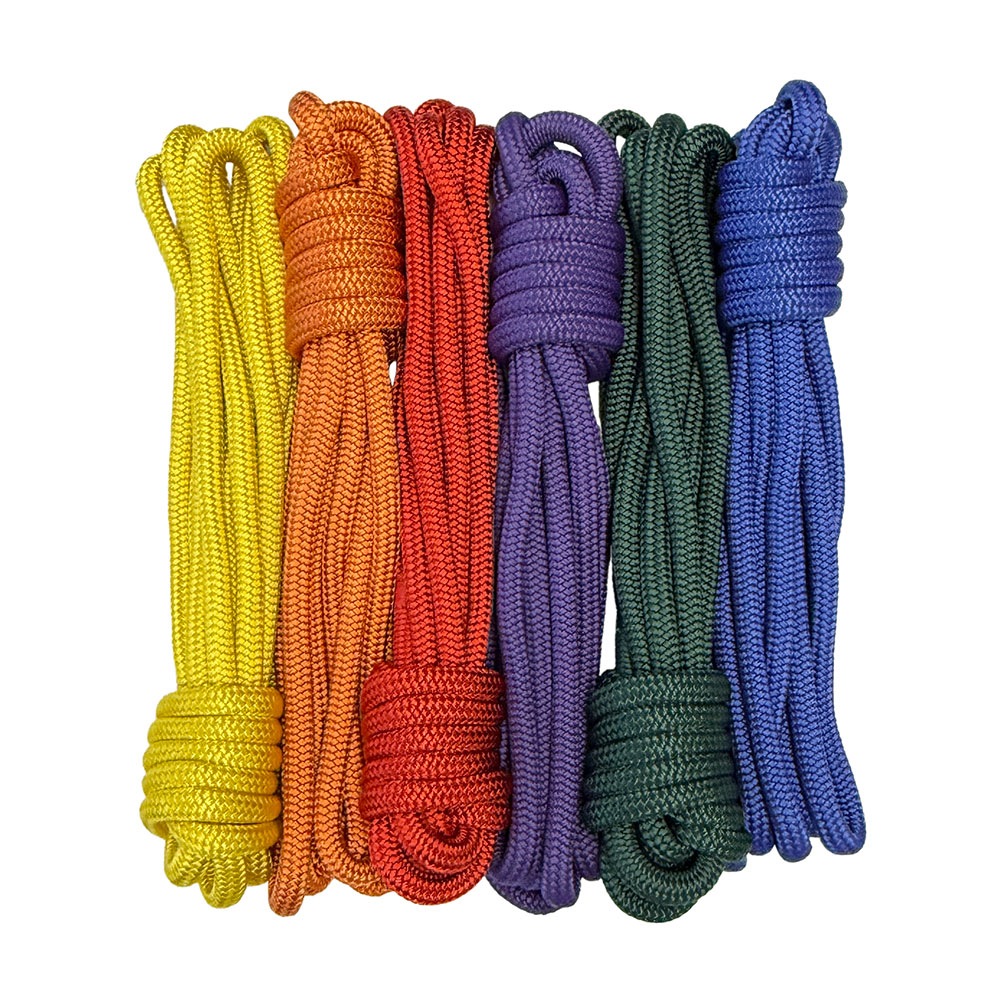
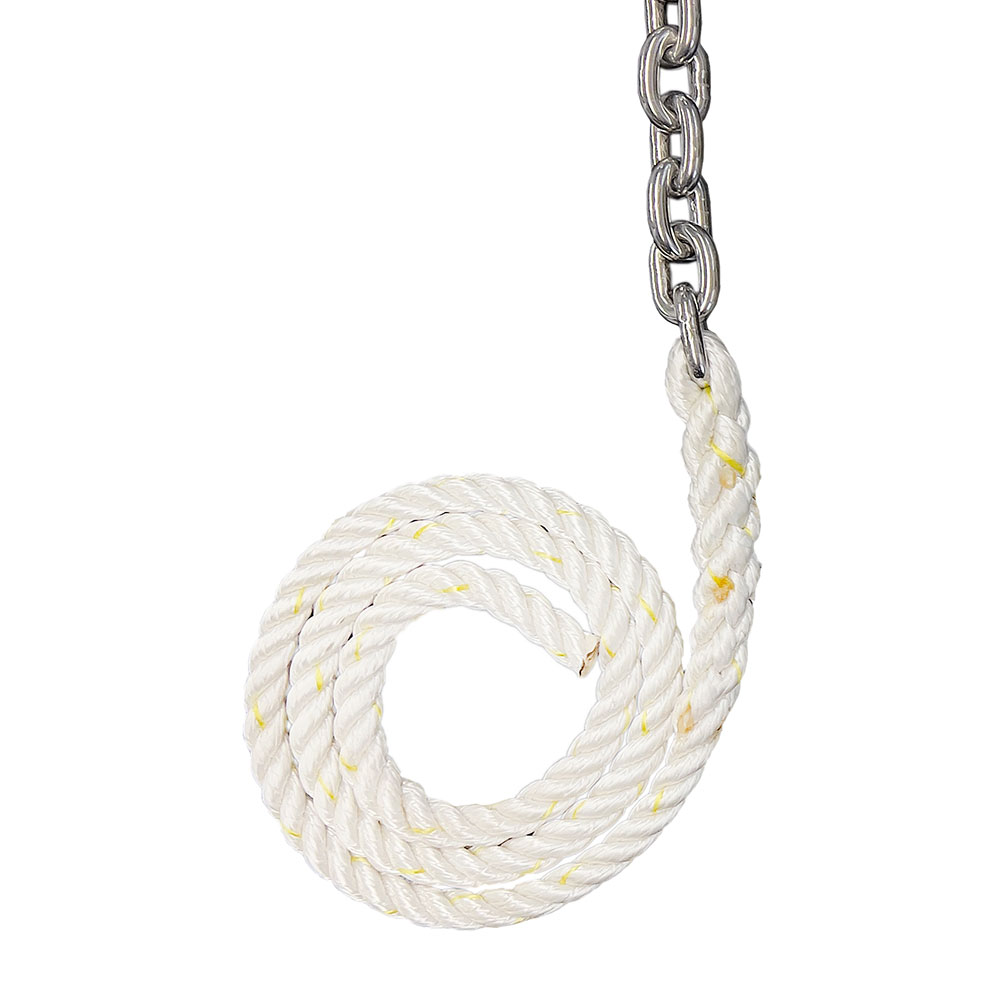
The American Rope Advantage is in our double braid nylon lines designed for spring line applications. Professional hand-splicing creates eye splices that retain 90 to 95 percent of the rope’s strength. Custom lengths, eye sizes, and color-coded whipping help organize a complete docking system.
Secure docking with spring lines requires understanding the forces at work and applying the correct technique. Visit American Rope’s online store to explore our dock line systems or contact our team for personalized recommendations.