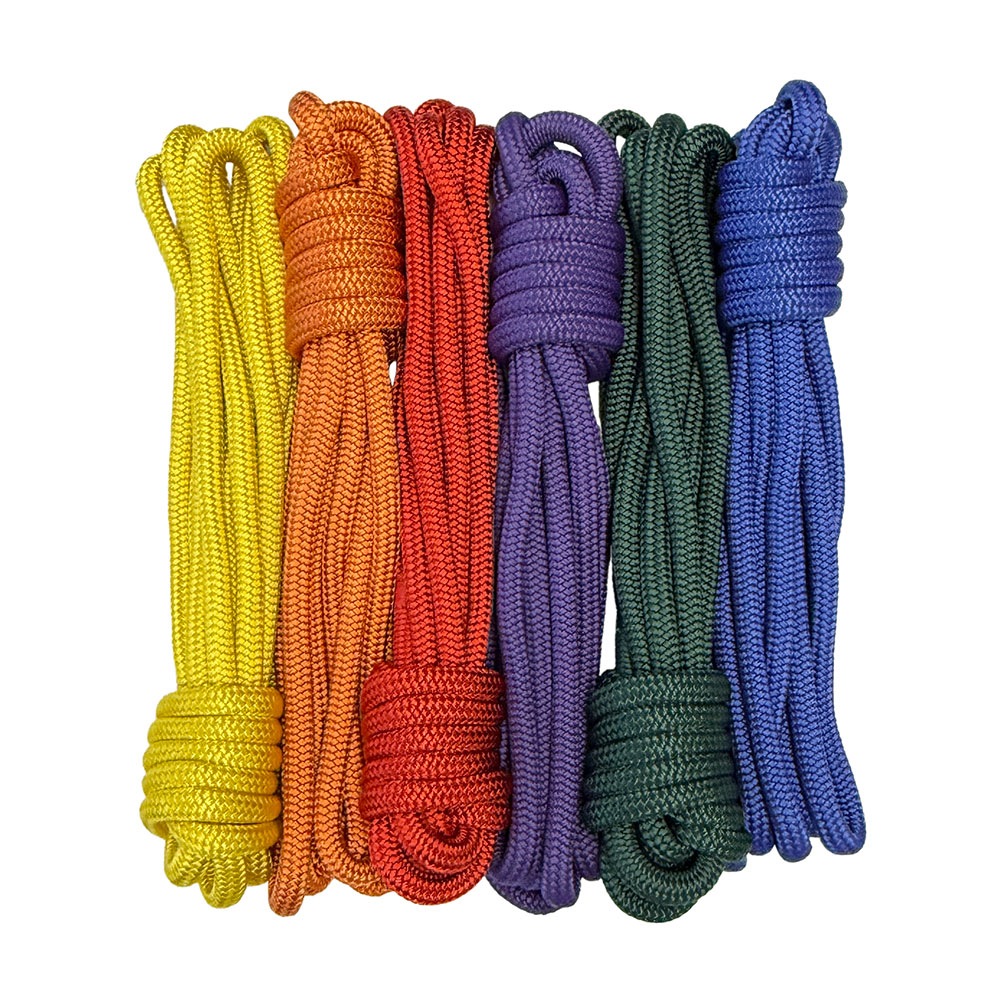
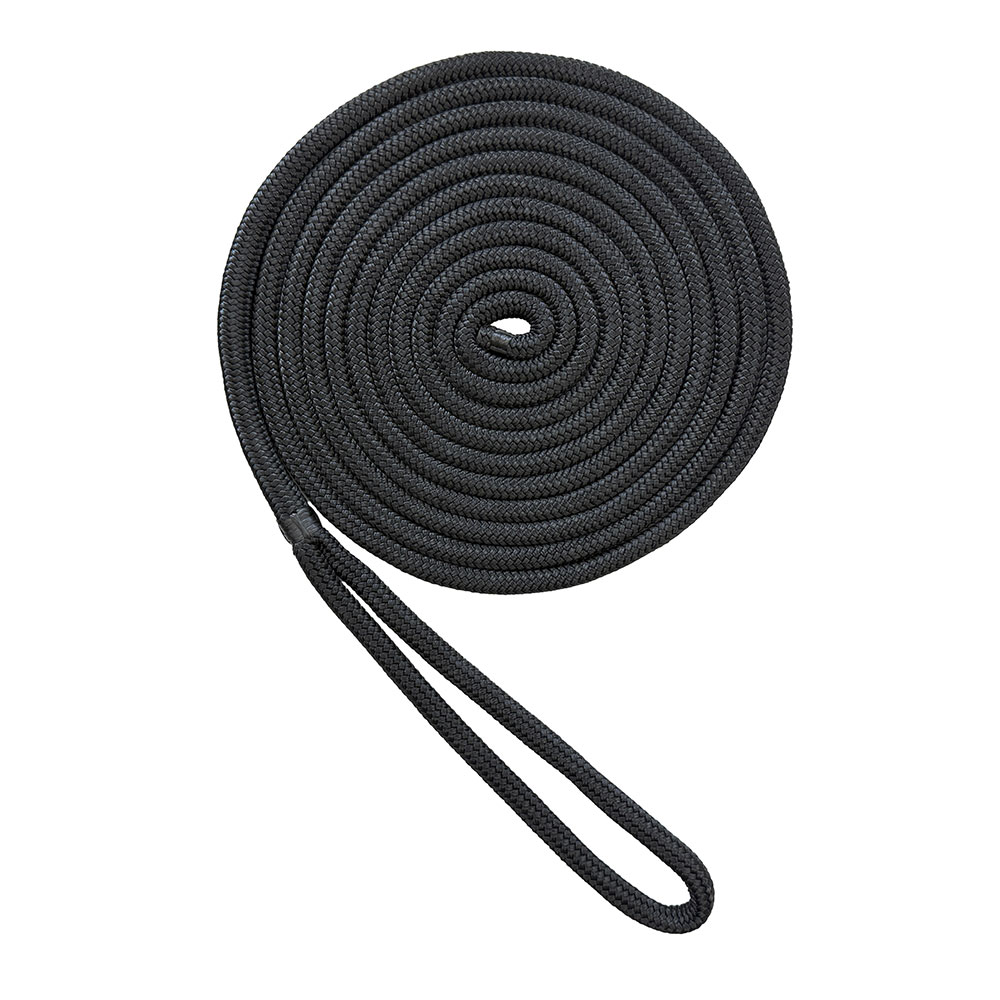
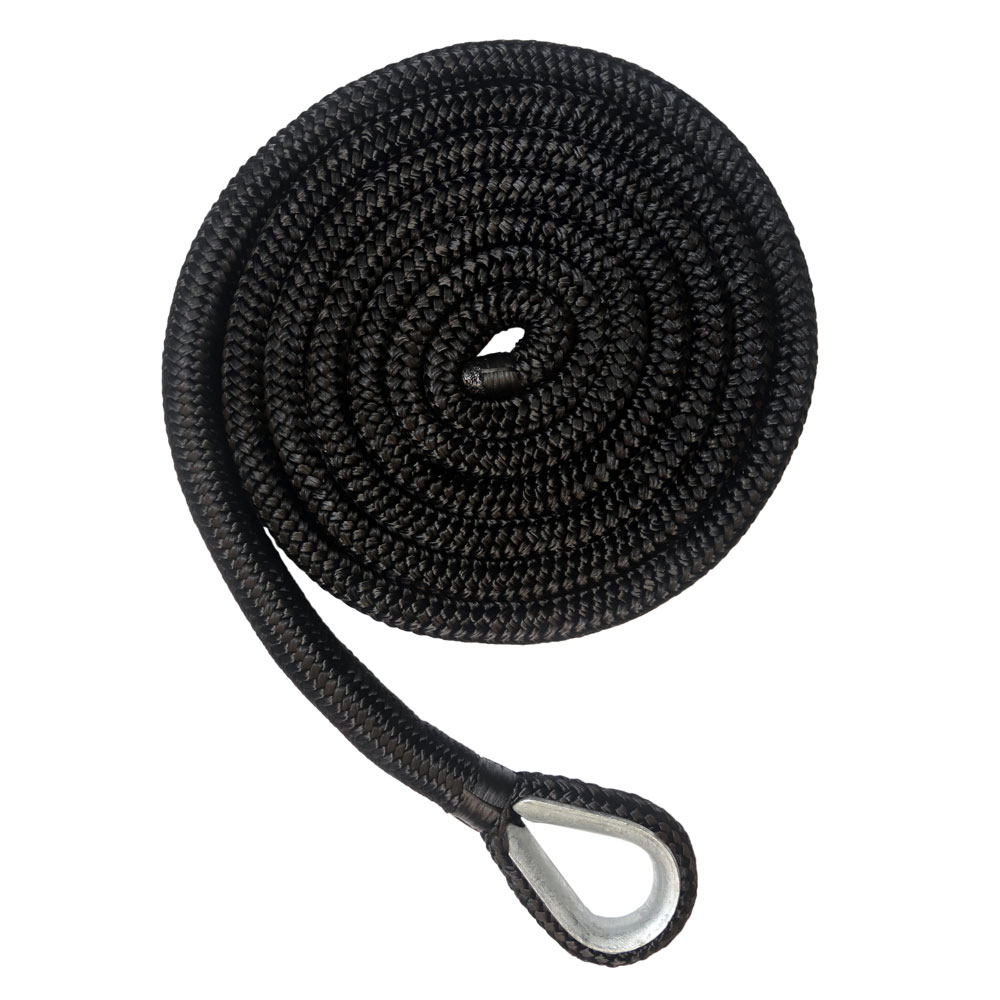
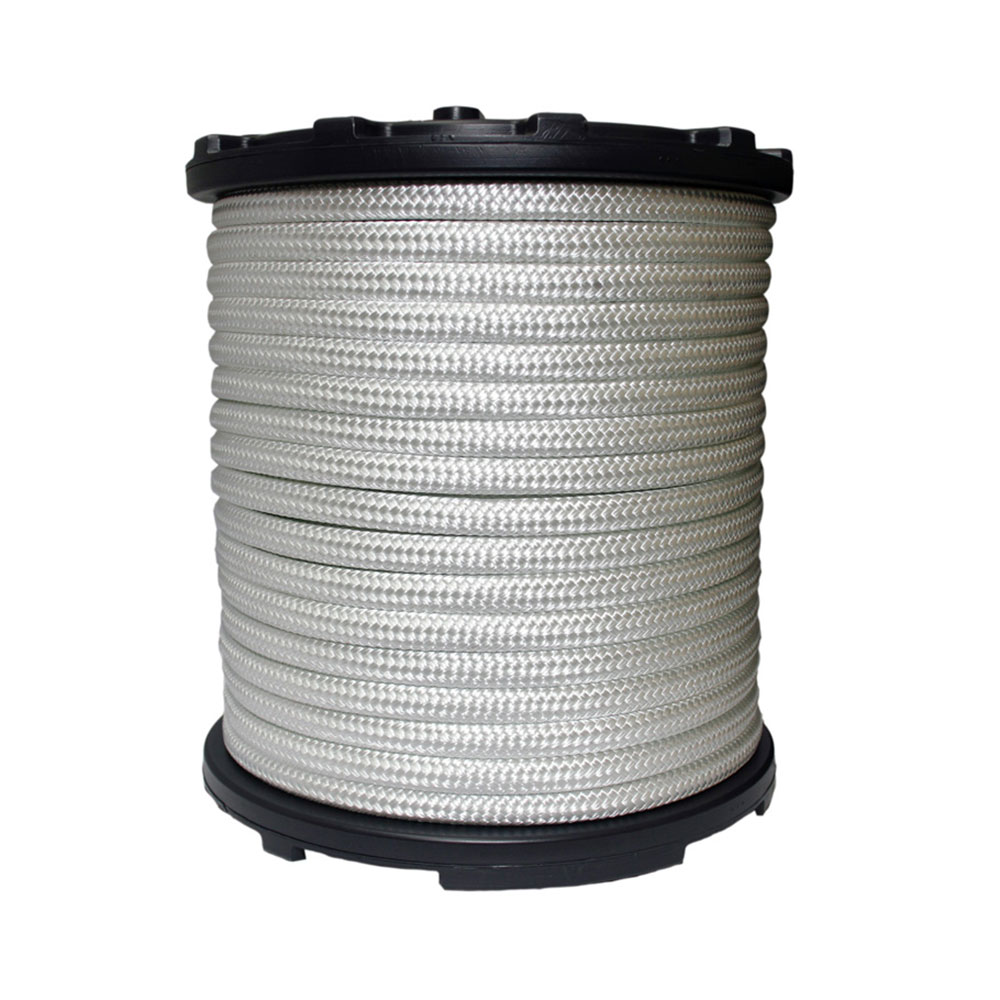
When you open a new coil of rope and it springs into tight spirals, or when your dock line refuses to lay flat after months of use, you're experiencing rope memory. This seemingly minor quirk affects everything from handling ease to safety margins, yet many boaters don't fully understand what causes it or how to manage it effectively.
At American Rope, we manufacture marine-grade lines engineered to minimize memory while maintaining the performance characteristics serious boaters demand. Understanding rope memory helps you select the right rope for your application, store it properly, and recognize when a line has reached the end of its service life.
What is Rope Memory?
Rope memory, also called "permanent set" in industry terminology, refers to a rope's tendency to retain the shape it was stored in, coiled as, or stressed into during use. When rope develops memory, it resists returning to a straight, relaxed state even after tension is removed.
According to the Cordage Institute, the industry's authoritative standards body, some degree of memory is inherent to all rope constructions. The challenge is not eliminating memory entirely, which is physically impossible, but managing it to levels that do not compromise handling, safety, or performance.
Memory manifests in several ways:
Coil set: New rope retaining tight spirals from packaging
Kinks and hockles: Twisted sections that won't straighten
Directional preference: Rope that curves or twists predictably when laid out
Stiffness: Reduced flexibility in previously stressed areas
The severity of memory depends on fiber type, rope construction, manufacturing processes, storage conditions, and use history.
The Science Behind Rope Memory
Rope memory is fundamentally a material science phenomenon involving the thermoplastic behavior of synthetic fibers and the mechanical geometry of rope construction.
Thermoplastic Behavior
Modern marine ropes are manufactured from synthetic polymers, primarily nylon (polyamide), polyester, and high-modulus polyethylene (HMPE). These materials are thermoplastic, meaning they soften when heated and retain new shapes as they cool.
During manufacturing, fibers are drawn, twisted, or braided under tension and often heat-set to stabilize their configuration. This process intentionally creates a memory of the rope's manufactured shape. When you coil rope tightly or subject it to prolonged tension, especially in warm conditions, you are essentially reprogramming that memory.
Viscoelastic Response
Rope fibers also exhibit viscoelasticity. They deform under load and recover slowly over time. When subjected to sustained stress, the molecular structure gradually adapts to the new configuration. If the load is removed too quickly, the fibers may not have time to fully recover, resulting in permanent set.
American Rope's marine-grade nylon lines are engineered with carefully controlled heat-setting processes that balance initial memory, which helps maintain splice integrity and coil stability, against field performance, which demands flexibility and easy handling.
Construction Geometry
The way fibers are assembled into rope dramatically affects memory characteristics:
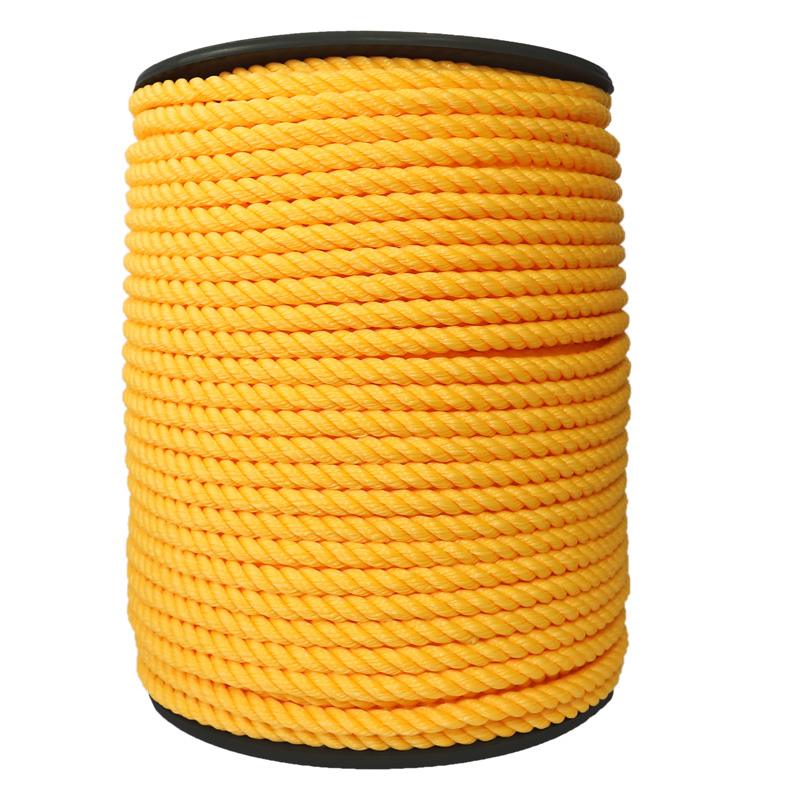
Three-strand twisted rope: The helical construction naturally wants to untwist under tension and re-twist when relaxed, creating directional memory
Double braid rope: The braided-over-braided construction distributes stresses more evenly, reducing twist-related memory but remaining susceptible to coil set
Solid braid rope: Uniform braiding minimizes directional memory but can develop pronounced coil set
How Construction Affects Memory
Three-Strand Twisted Rope
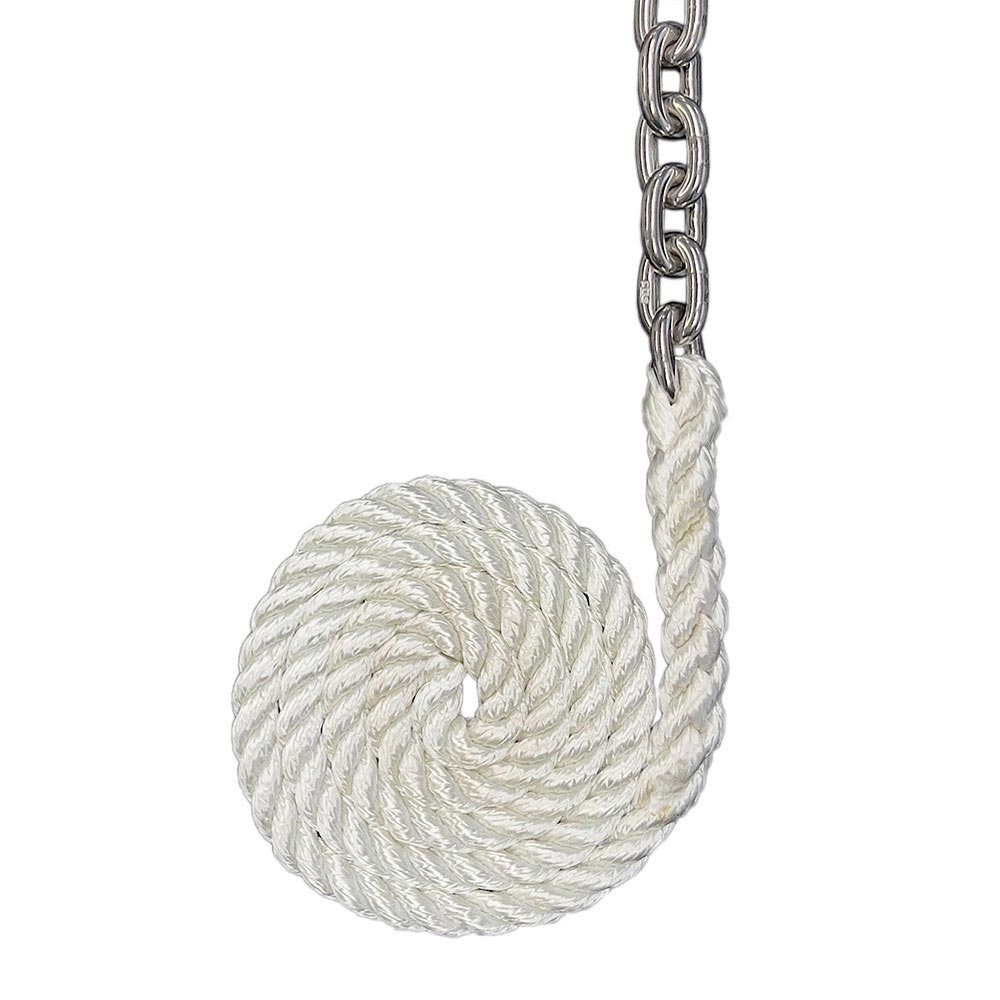
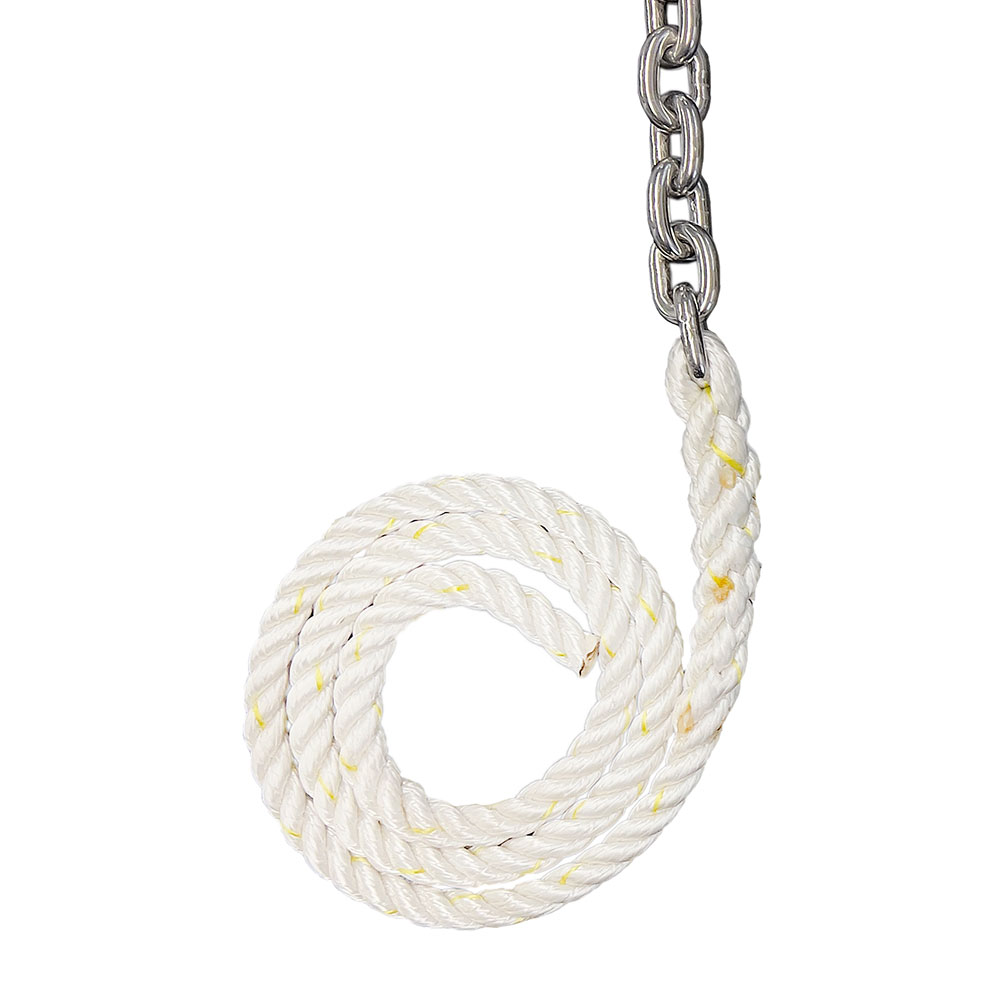
Three-strand rope is constructed by twisting three bundles of fiber, or strands, together in a helical pattern. This traditional construction has been used for centuries because it is strong, splices easily, and provides excellent shock absorption, making it ideal for anchor rodes.
However, the twisted geometry creates inherent directional memory. When you pull on three-strand rope, the strands want to untwist slightly. When you release tension, they re-twist, often overshooting their original configuration. This is why three-strand rope tends to develop kinks and hockles more readily than braided constructions.
American Rope manufactures three-strand nylon with precise lay, the angle of twist, to balance strength, flexibility, and memory characteristics. Our heat-setting process stabilizes the twist to minimize memory-related handling problems.
Double Braid Nylon Rope
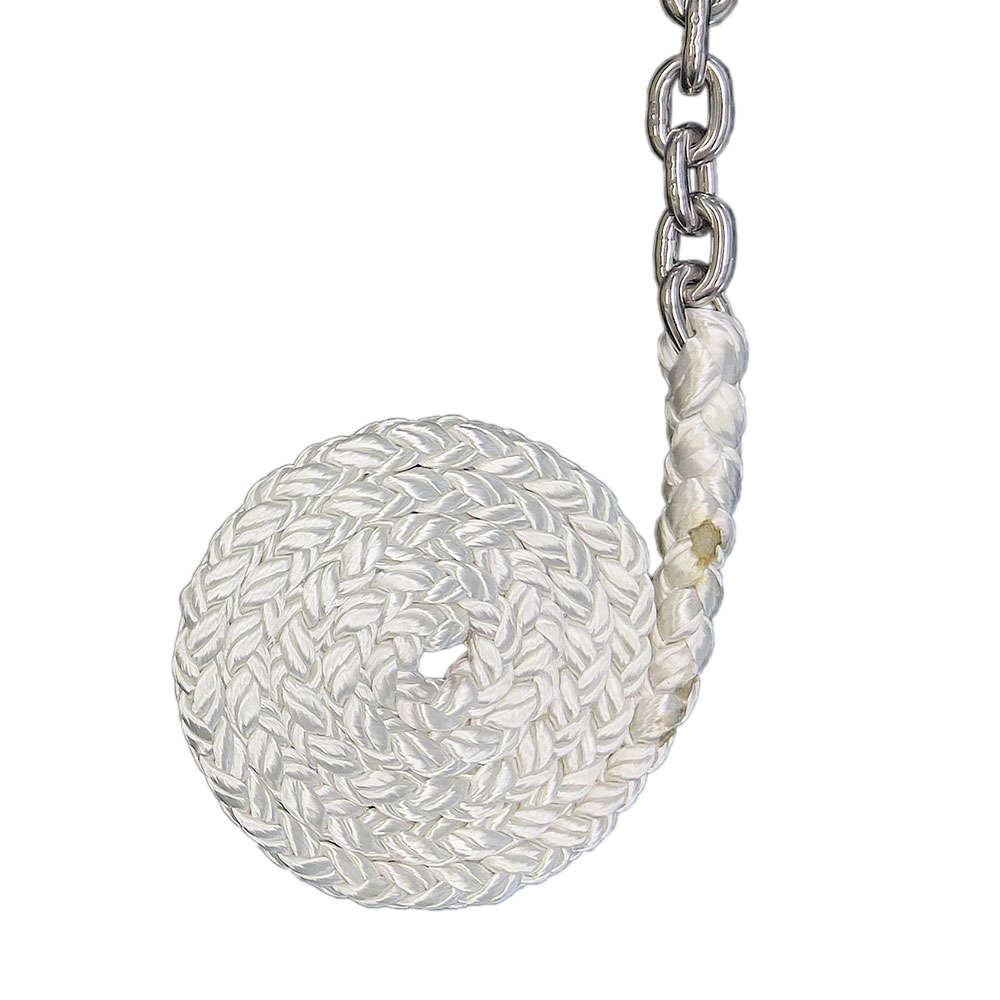
Double braid construction, a braided core inside a braided cover, is American Rope's most popular choice for serious boaters. The construction provides several advantages:
Superior strength-to-weight ratio compared to three-strand
Smooth surface that is easier on hands and hardware
Lower stretch than three-strand when using polyester core and cover combinations
Significantly reduced directional memory
The braided geometry distributes loads uniformly around the rope's circumference, eliminating the twisting forces that plague three-strand designs. However, double braid rope is not memory-free. It still develops coil set when stored improperly and can develop localized memory at stress concentration points such as splices, fairleads, and chafe areas.
American Rope's double braid dock lines feature solution-dyed fibers that will not fade and heat-set construction that minimizes initial coil memory while maintaining splice integrity.
Solid Braid and Other Constructions
Solid braid rope uses a single-layer braided construction without a separate core. It is commonly used for utility applications but is less common in serious marine use due to lower strength relative to double braid.
Memory characteristics in solid braid fall between three-strand and double braid. It performs better than twisted rope for directional memory but is more prone to coil set than double braid.
Primary Causes of Rope Memory
Improper Storage
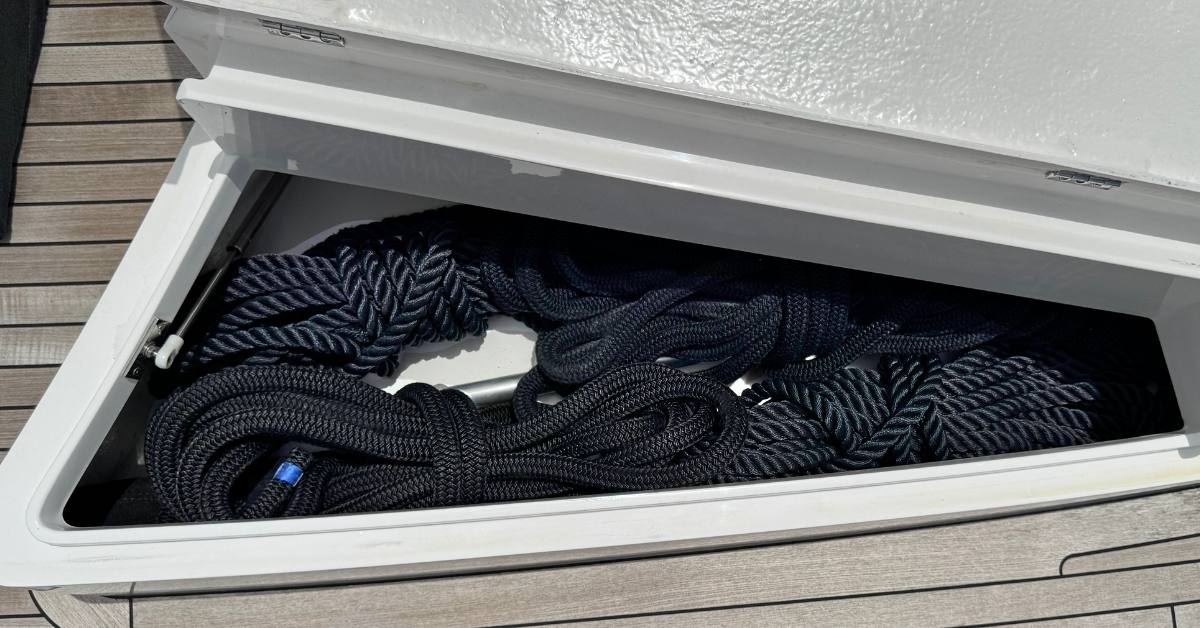
The most common cause of problematic rope memory is improper storage. Rope left coiled tightly for extended periods, especially in warm environments like a boat's lazarette, develops pronounced coil memory.
Ultraviolet radiation accelerates memory development by degrading the fiber structure. UV-exposed fibers lose flexibility and elasticity, making them unable to recover from stored configurations.
American Rope recommends storing marine lines in figure-eight coils rather than circular coils and keeping them out of direct sunlight when not in use. Our solution-dyed fibers resist UV degradation far better than surface-dyed alternatives, helping maintain flexibility over the rope's service life.
Coiling Against the Lay
When you coil rope in a direction that fights its natural construction bias, you introduce twist into the line. Over time, this twist becomes semi-permanent memory that manifests as kinks when you deploy the rope.
For three-strand rope, always coil in the direction of the lay, the direction the strands spiral. For braided rope, use figure-eight coiling or loose circular coils to avoid introducing twist.
Hockles and Overtwisting
A hockle is a severe kink that occurs when rope is twisted excessively, causing the strands or braid to cross over themselves. Hockles create permanent deformation in the rope structure and dramatically reduce strength at the affected point.
Hockles form when:
Rope is uncoiled in the wrong direction
A bitter end passes through a bight, introducing twist
Rope is pulled tight while twisted
Once a hockle forms, the rope often cannot fully recover. The Cordage Institute guidelines recommend retiring any rope with a severe, non-recoverable hockle from critical applications.
Heat Exposure
Sustained heat exposure, such as rope stored in a hot vehicle or lying on sun-baked decks, accelerates memory development. The thermoplastic fibers soften slightly, making them more susceptible to taking a permanent set in whatever configuration they are held.
Combined with UV exposure, heat creates a synergistic degradation effect. Marine rope suppliers like American Rope engineer products specifically to resist this combination through UV-resistant coatings, solution-dyed fibers, and optimized polymer formulations.
Techniques for Reducing and Eliminating Rope Memory

The Reversal Technique
When rope develops pronounced coil memory, the reversal technique can help:
Lay the rope out straight in a long, open area
Identify the direction of the coil memory, which way it wants to curl
Re-coil the rope in the opposite direction with large, loose coils
Let it rest for 24 to 48 hours
Uncoil and check. The opposing memory often cancels much of the original set
This technique works because you are introducing an opposing stress that counteracts the existing memory. It is most effective on rope that has not developed severe hockles or UV-damaged fibers.
Figure-Eight Reset
For rope with twist-related memory, the figure-eight reset is highly effective:
Secure one end of the rope
Lay the rope out in a large figure-eight pattern on the ground or dock
Walk the rope through the pattern several times, allowing it to self-orient
The figure-eight configuration allows twist to naturally migrate to the ends and dissipate
American Rope recommends this technique particularly for anchor rodes and long mooring lines that accumulate twist during deployment and retrieval.
Professional Re-Heat-Setting
For valuable or critical rope, professional rope manufacturers like American Rope can sometimes re-heat-set rope to reduce memory. This process involves:
Cleaning the rope thoroughly
Laying it out straight under controlled tension
Applying heat in a controlled environment
Allowing gradual cooling while maintaining straight configuration
This service is not available for all rope types and is not economical for standard dock lines, but it can extend the service life of expensive anchor rodes or custom-spliced mooring systems.
When Memory Can't be Fixed
Some rope memory is permanent and indicates the rope should be retired:
Severe hockles that cause visible deformation
Hard spots where fibers have fused or crushed
Permanent diameter changes at stress points
UV-damaged sections that remain stiff even after reversal attempts
Color changes indicating fiber degradation. In solution-dyed rope, this is a critical indicator
The Cordage Institute recommends maintaining detailed inspection logs for critical lines and retiring any rope showing these signs from applications where failure could cause injury or significant property damage.
Prevention: Best Practices for Minimizing Memory
Proper Storage
Store rope in a cool, dry, dark location when not in use. Avoid tightly bound coils. Use large-diameter, loose coils or figure-eight patterns. For long-term storage, consider hanging rope in loose loops rather than coiling.
American Rope's custom-fabricated dock lines can be ordered at precise lengths that match your boat's requirements, reducing the excess line that needs to be coiled and stored aboard.
Correct Coiling Method
For braided rope:
Use figure-eight coiling or large-diameter circular coils
Avoid twisting as you coil
Secure with a loose whipping, not tight wraps that compress the rope
For three-strand rope:
Coil in the direction of the lay
Use slightly larger-diameter coils than you would for braid
Allow the rope to naturally orient as you coil
Handling and Deployment
When deploying rope:
Feed it out smoothly without forcing it through sharp bends
Allow the rope to de-twist naturally; don't pull it tight while twisted
Use fairleads and chocks that match your rope diameter to prevent localized stress
Rotate anchor rodes and mooring lines periodically, swapping ends to even out wear and memory development
American Rope manufactures heavy-duty plastic chafe protection that can be integrated with eye splices and high-stress zones, protecting rope from the localized damage that accelerates memory development and weakening.
The Manufacturing Advantage
Professional rope manufacturers like American Rope employ several techniques to minimize problematic memory in marine rope:
Heat-setting: Controlled heat treatment during manufacturing stabilizes fiber configuration, creating beneficial memory such as splice retention and coil stability while minimizing harmful memory such as excessive coil set and directional preference.
Solution dyeing: Rather than surface-dyeing finished rope, American Rope uses solution-dyed fibers where color is integrated during fiber production. This produces rope with superior UV resistance, maintaining flexibility and reducing memory development from UV degradation.
Controlled lay and pitch: The rate of twist in three-strand rope or the braid angle in double braid rope dramatically affects memory characteristics. American Rope maintains precise manufacturing standards to optimize these parameters for marine applications.
Quality assurance: Every production run is tested for compliance with Cordage Institute standards, ensuring consistency in memory characteristics, strength, and elongation properties.
Choosing Rope with Memory in Mind
When selecting rope from marine rope suppliers, consider these memory-related factors:
Application requirements:
Anchor rodes benefit from some stretch, nylon three-strand, but need to be memory-resistant enough for reliable deployment and retrieval
Dock lines need to handle repeated coiling and deployment with minimal twist accumulation
Fender lines undergo frequent adjustment and should maintain flexibility
Construction selection:
Three-strand nylon: higher memory but excellent shock absorption, ideal for anchor rodes
Double braid nylon: lower memory and superior handling, ideal for dock lines
Double braid polyester: minimal stretch and memory, ideal for halyards and control lines
Quality indicators:
Solution-dyed fibers, American Rope's standard for dock lines
Cordage Institute compliance certification
Manufacturer reputation for consistent quality
UV-resistant coatings or treatments
Proper sizing:
Oversized rope develops less localized memory from stress concentrations
Follow the Cordage Institute sizing guidelines for your vessel and application
American Rope offers free consultation to help boaters select rope with the right memory characteristics for their specific applications and vessel requirements.
Maintenance and Inspection
Regular inspection helps you catch developing memory problems before they compromise safety:
Visual inspection:
Look for kinks, hockles, and areas that will not lay straight
Check for stiff sections indicating localized memory or damage
Examine color consistency. Fading or discoloration indicates UV degradation affecting memory and strength
Tactile inspection:
Run the rope through your hands, feeling for hard spots, lumps, or diameter changes
Assess flexibility. Rope should bend smoothly, not kink or resist bending
Performance assessment:
Note how easily rope coils and uncoils
Check whether deployed rope lays straight or curls excessively
Assess whether splices remain tight and properly configured
American Rope recommends documenting inspections with photos and notes, creating a service history for critical lines like anchor rodes and permanent mooring lines. This documentation helps you make informed replacement decisions and may be valuable for insurance purposes if equipment failure contributes to an incident.
The Bottom Line
Rope memory is a natural characteristic of all synthetic rope, influenced by fiber type, construction method, manufacturing processes, storage conditions, and use history. While you cannot eliminate memory entirely, understanding its causes and managing it properly ensures your marine rope remains safe, reliable, and easy to handle throughout its service life.
American Rope manufactures marine-grade dock lines, anchor rodes, and custom rope solutions engineered to minimize problematic memory while maintaining the strength, stretch, and handling characteristics serious boaters demand. Our solution-dyed fibers, heat-set construction, and compliance with Cordage Institute standards deliver rope that performs reliably season after season.
Whether you are replacing worn dock lines, upgrading to a professional-grade anchor rode, or specifying custom rope for a specialty application, American Rope's team provides expert guidance to ensure you select rope with the right memory characteristics for your needs. Visit American Rope to explore our full range of marine rope for sale or contact our team for personalized recommendations.