


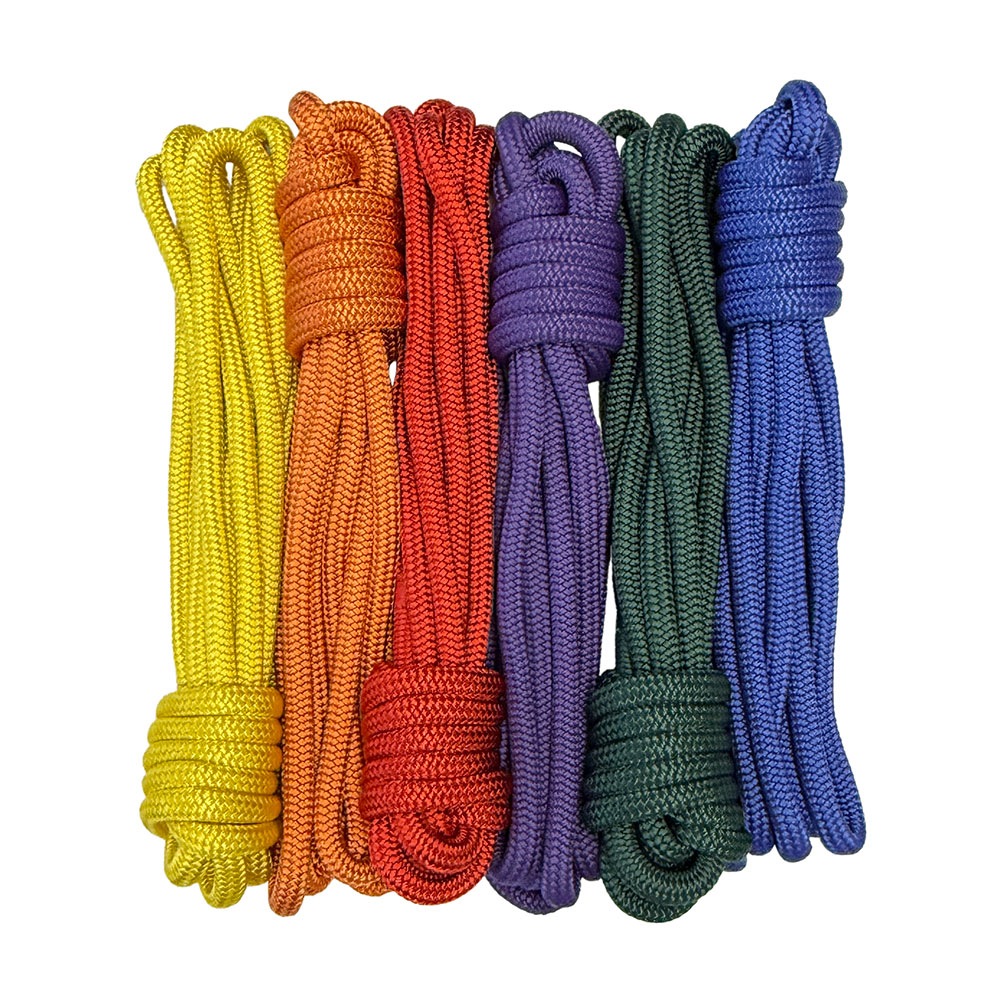
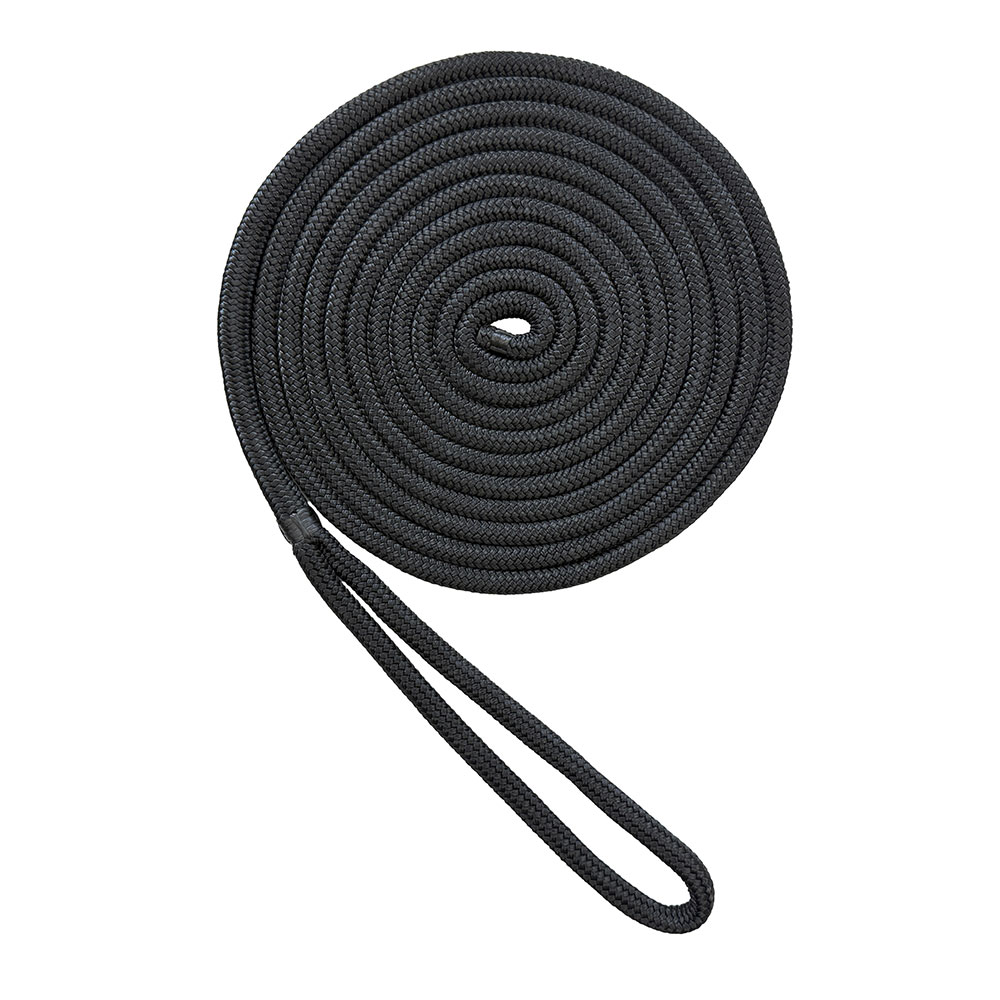
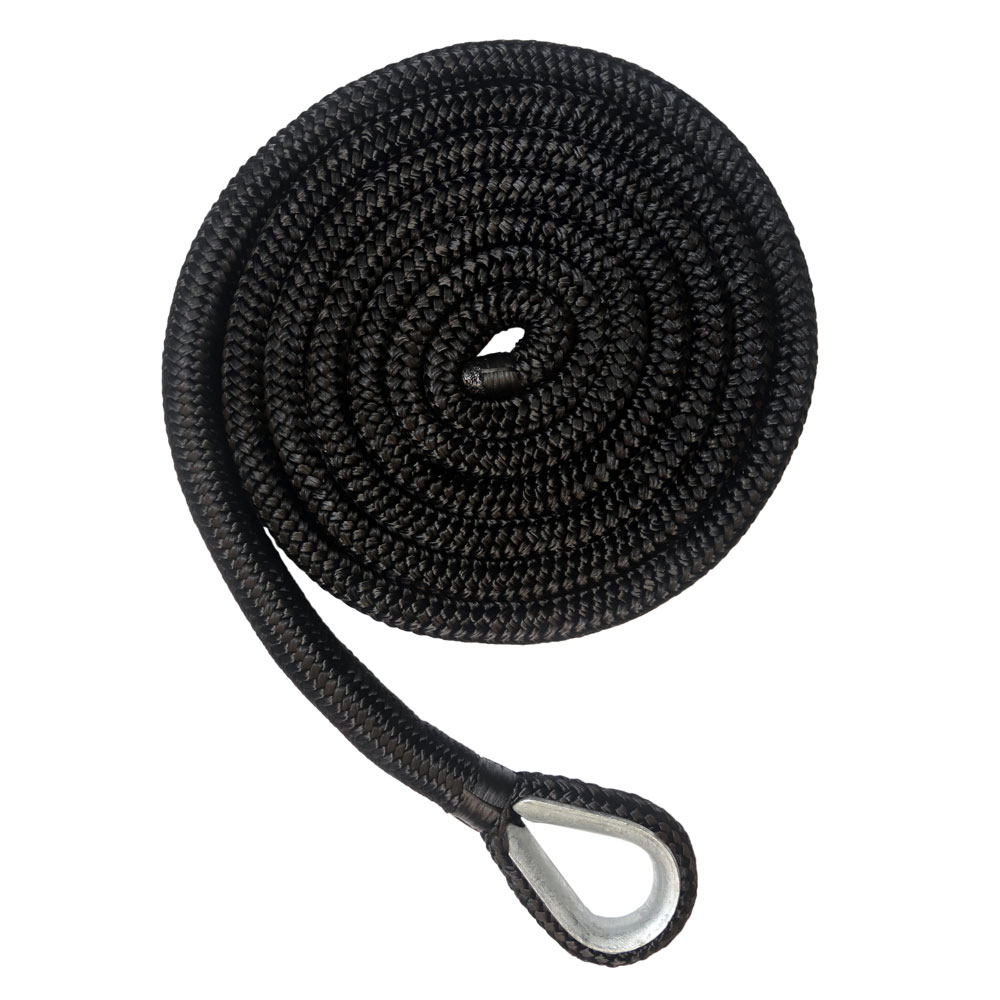
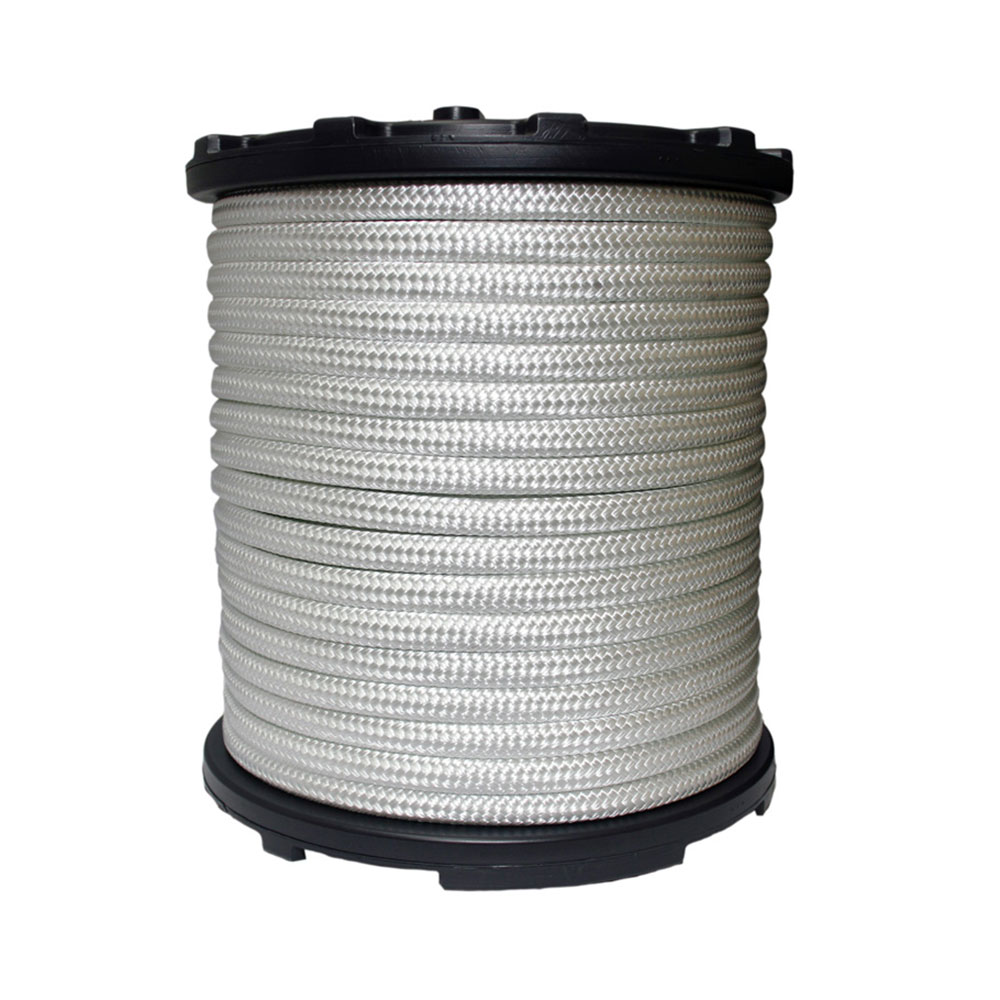
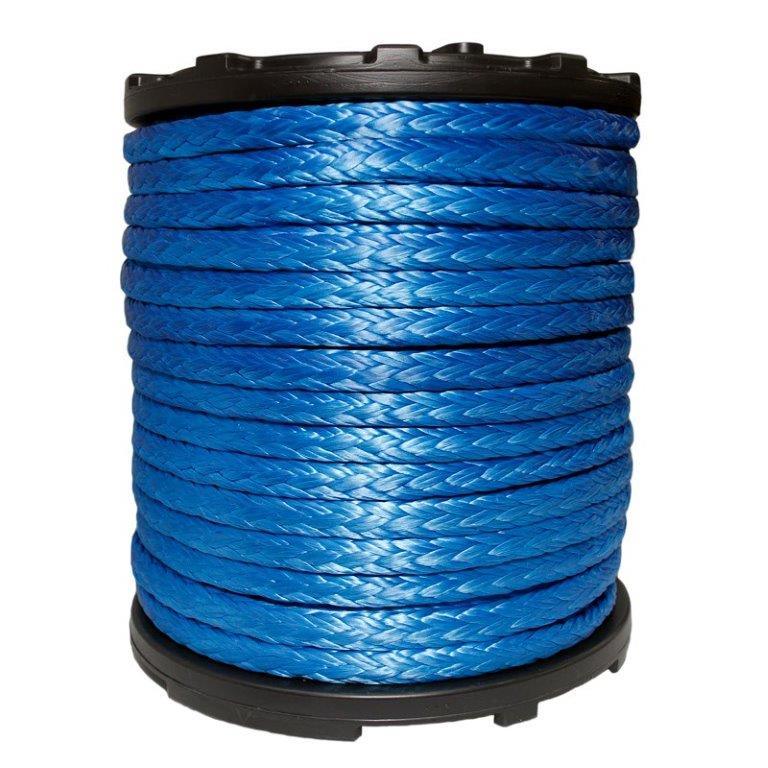
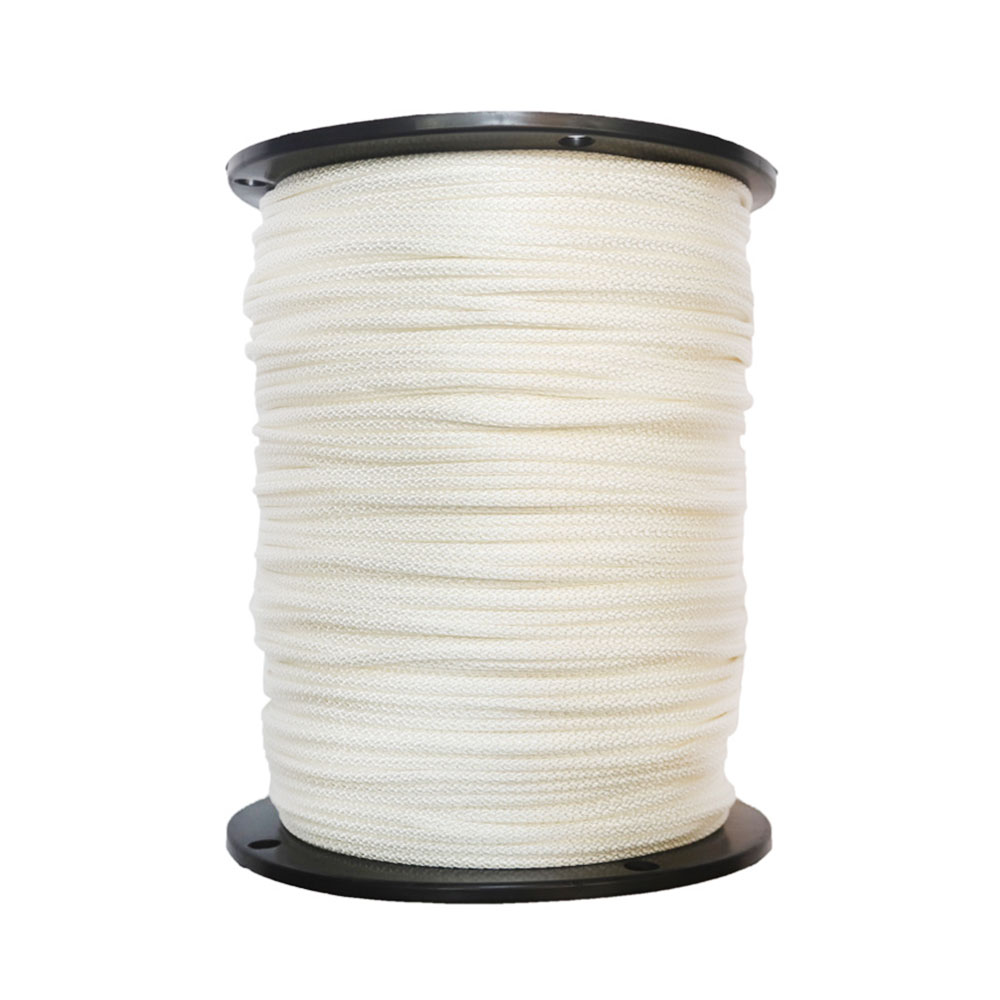
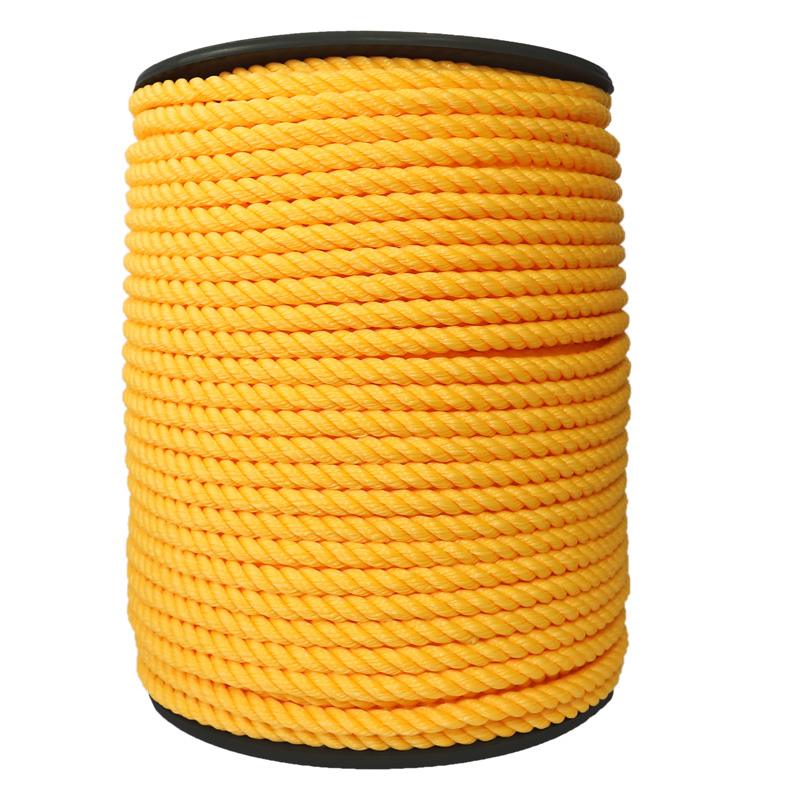
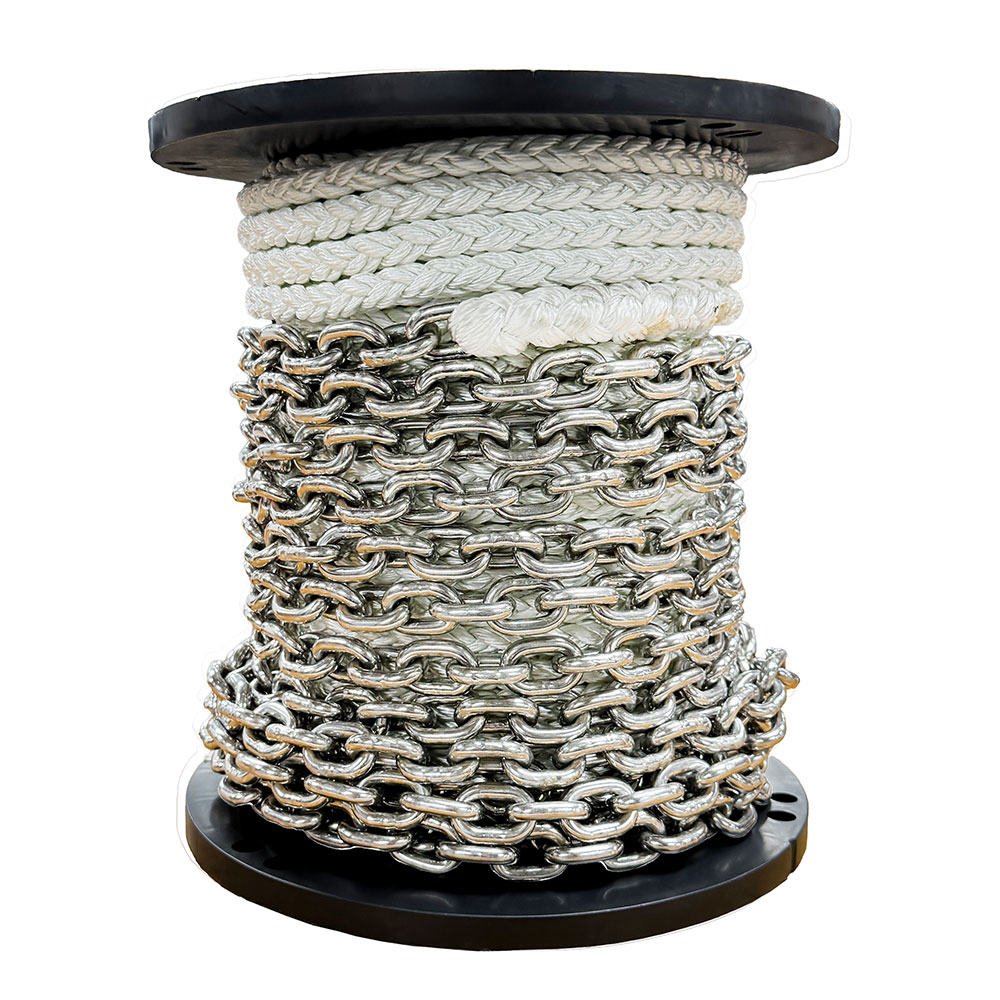
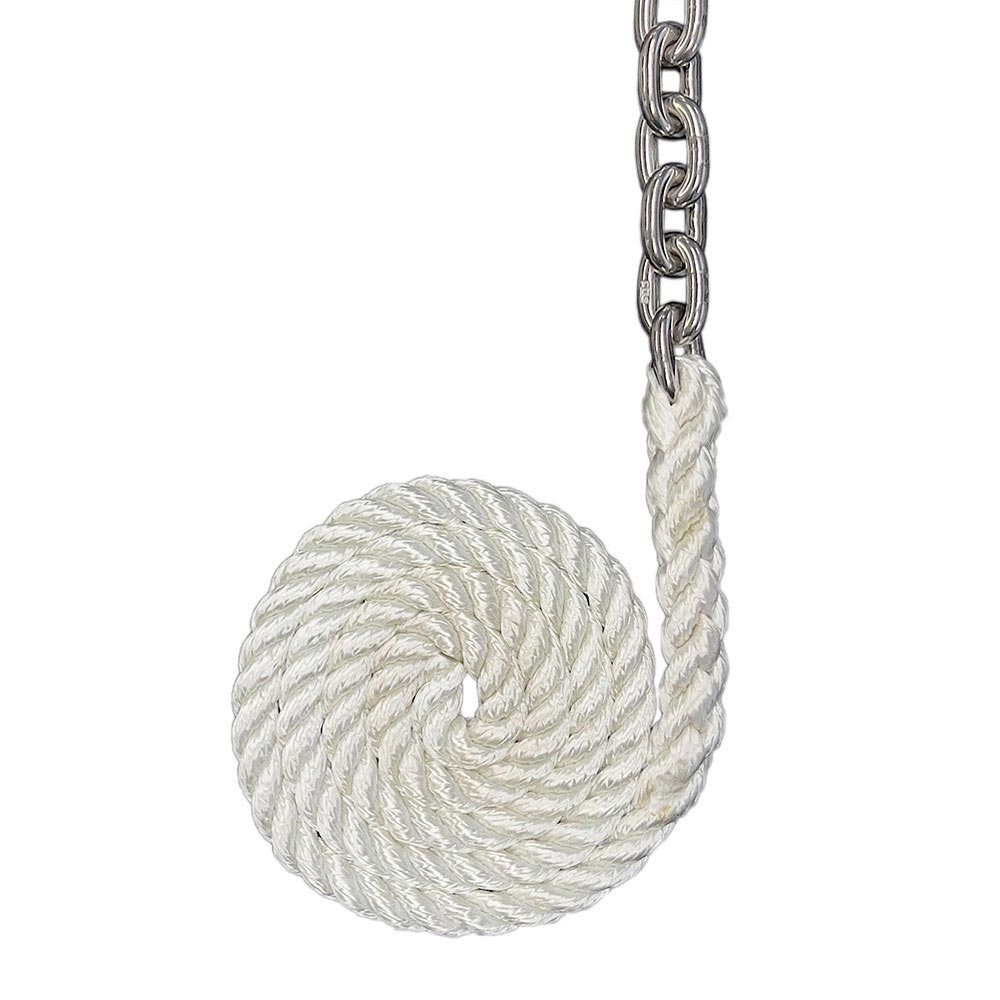
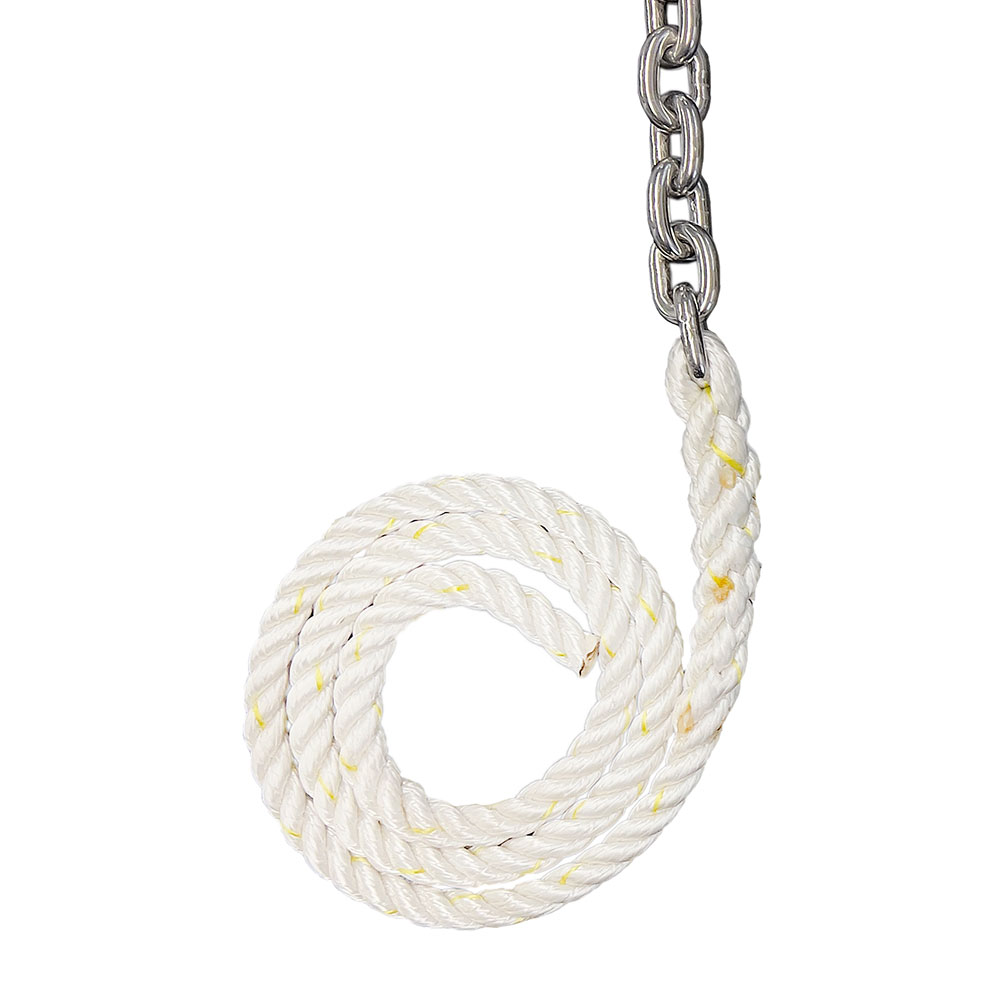
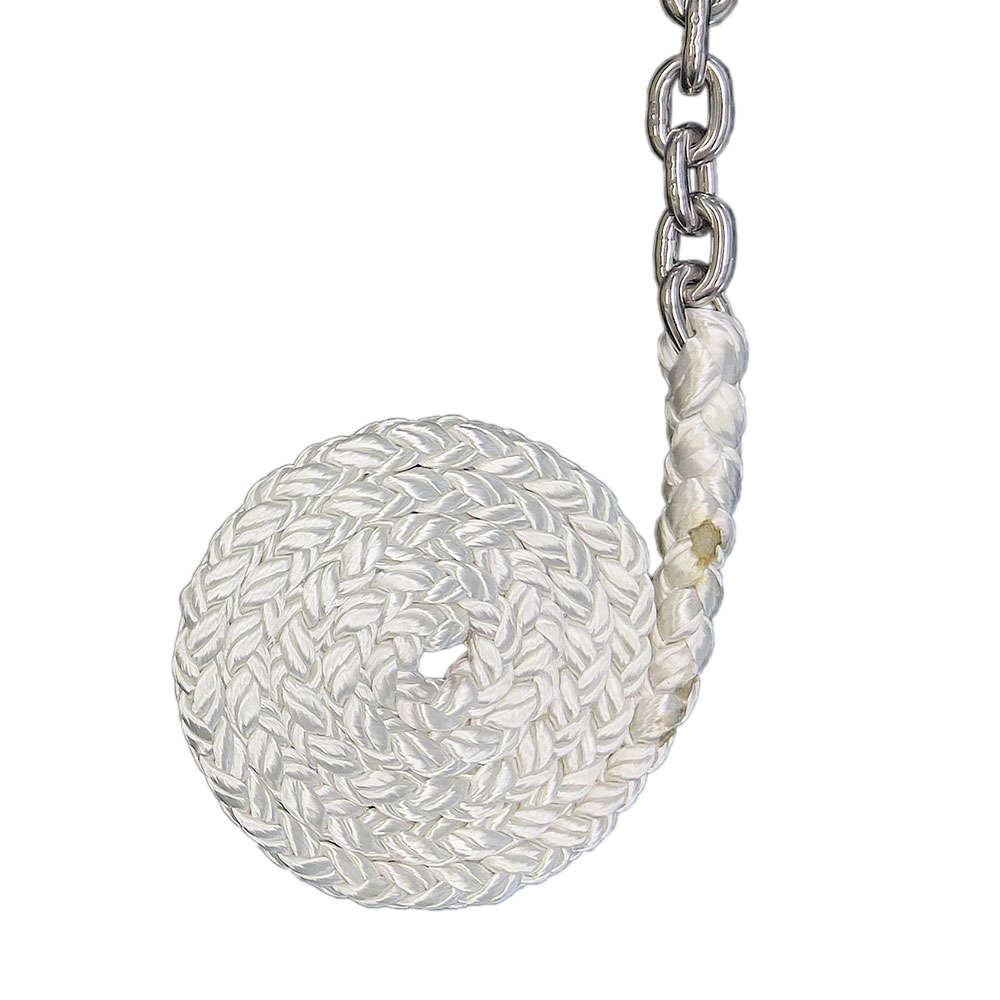
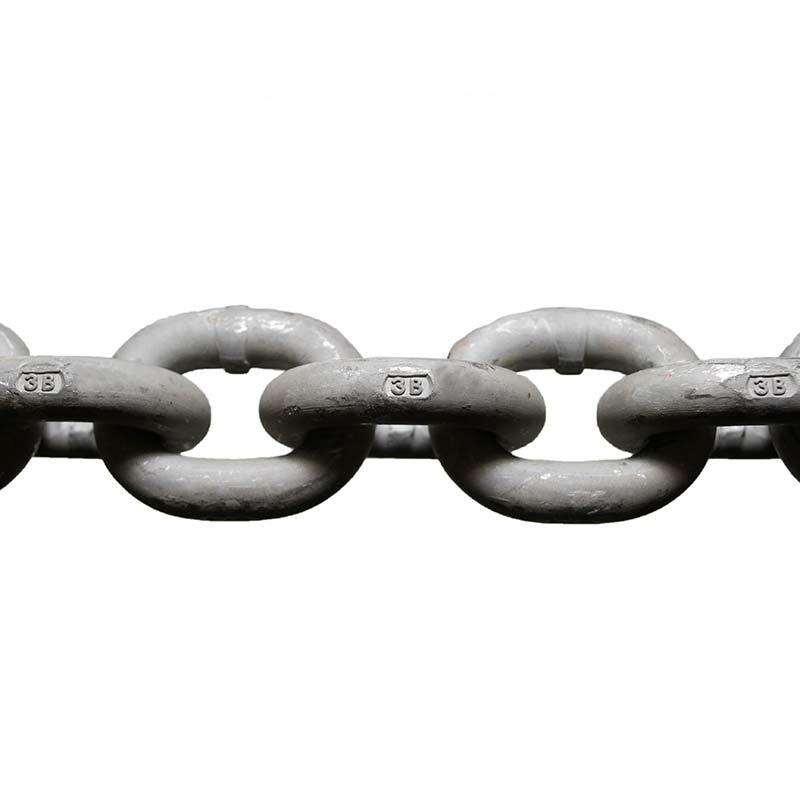

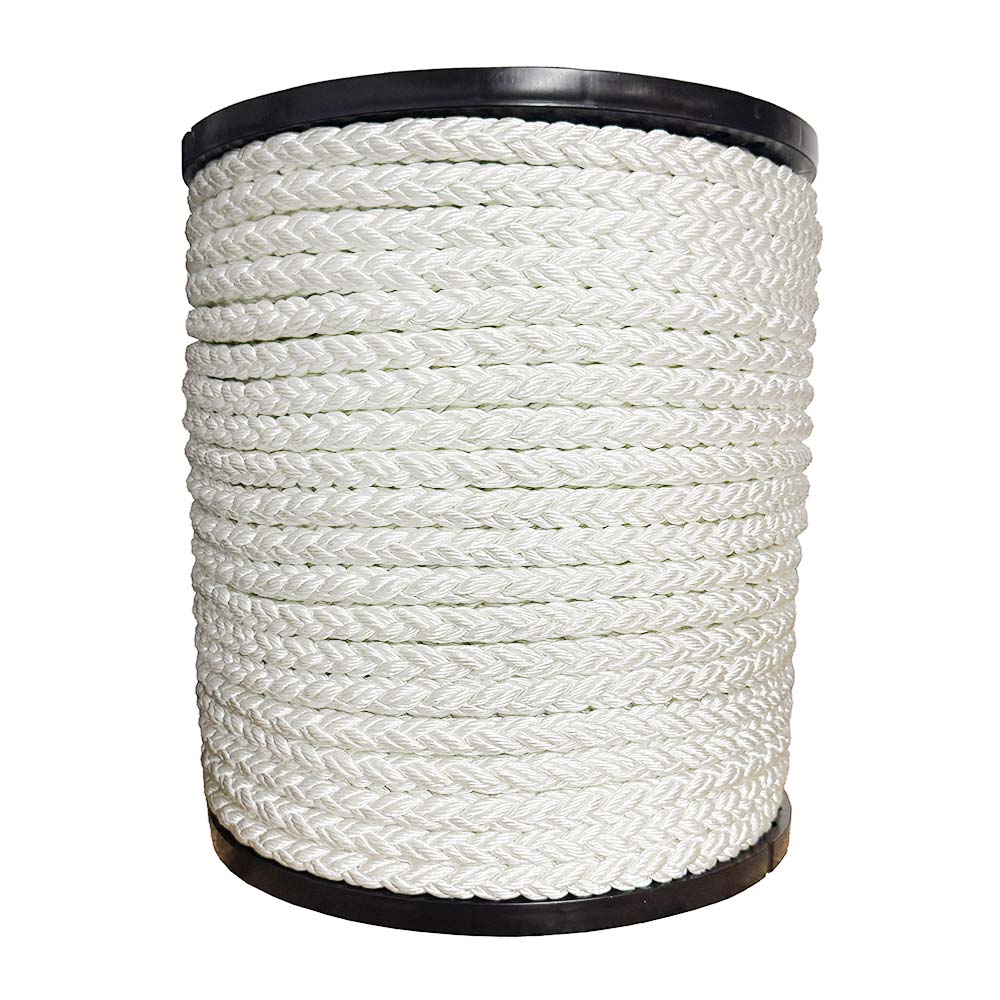
Nylon 8-Strand Plait has many applications where a balanced rope construction is desired. 8-strand braid does not rotate under load and is ideal for use with windlass anchor lines. Other useful applications include use for electrical contractors, sky lift operations and various commercial applications.
Features
- High stretch, does not rotate under load
- Ideal for windlass use
- Additional sizes available on special order
- Pre-soak 8-strand rope for two hours before first use. Do NOT use dry and new.
- Please note: Minimum order of 300ft for 7/8″ & 1″
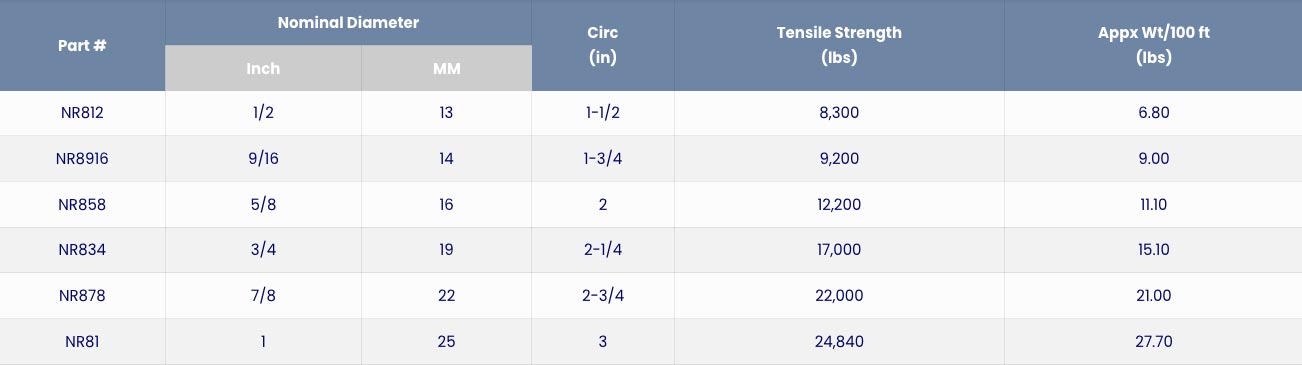
Compliance to the above specifications is based upon testing according to the Cordage Institute Standard Testing Methods for Fiber Rope and/or ASTM D-4268 Standard Methods of Testing Fiber Ropes.
Weights: are average and may vary +/- 5%.
Tensile strengths: Are approximate average for new, unused ropes. To estimate the minimum tensile strength of a new rope, reduce the approximate average by 15% (Cordage Institute defines minimum tensile strength as two standard deviations below the average tensile strength of the rope).
Nylon rope has three characteristics that make it ideal for dockline. Nylon rope is incredibly strong, it is very stretchy, and it resists the harmful effects of sunlight better than any of those fancy-name synthetics.
Nylon ropes value of strength is self-evident, but the benefits of elasticity may not be as obvious. When your boat surges against an unyielding dockline, the load on the line goes from zero to the maximum at the instant the nylon line comes taut. The likely consequence is a broken line-not unlike how you might snap a piece of thread with a jerk. Even if the nylon rope is strong enough not to break, it is hammering cleats and bitts with every surge. Nylon rope doesn’t come taut suddenly, but dissipates the load by stretching. It is like the difference between hitting the steering wheel or hitting the air bag.
As for nylon rope’s resistance to ultraviolet damage, docklines, particularly permanent docklines, live in the sun. Nylon lines enjoy a much longer life than other lines in that environment.