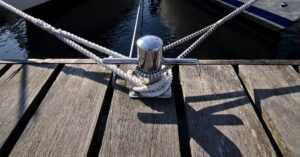
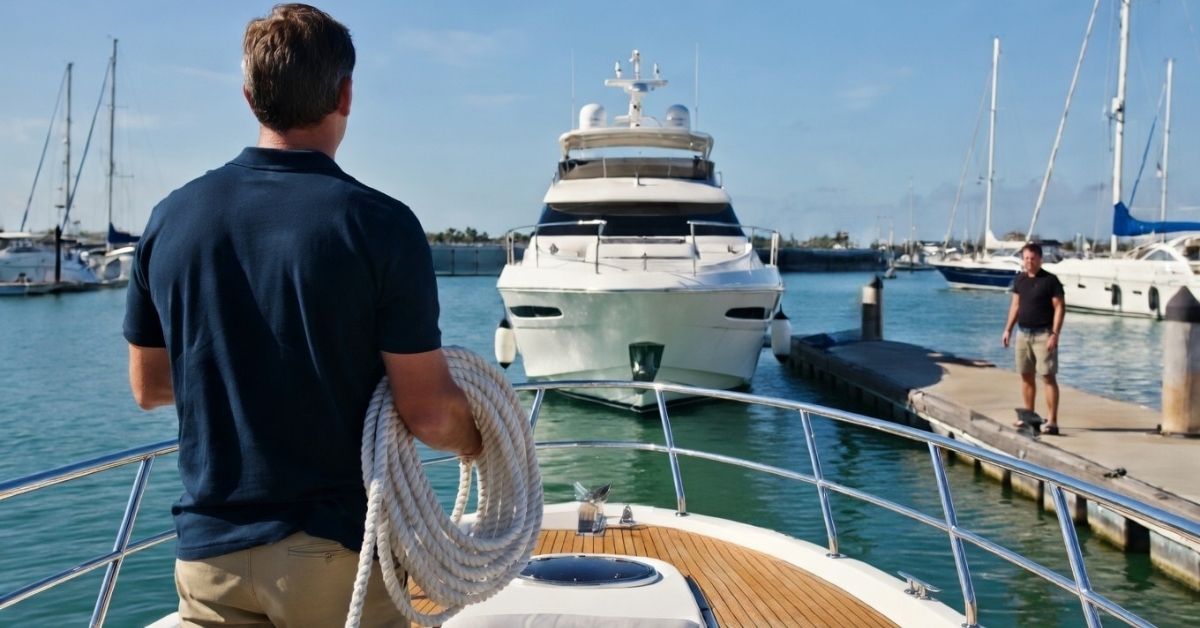
A clean, accurate dock line toss separates confident boaters from those who struggle at the marina. Whether you are approaching a fuel dock with a crosswind or executing a Mediterranean stern-to mooring, your ability to deliver a line precisely into waiting hands determines whether the maneuver succeeds or turns chaotic.
According to Sail Magazine, “A good throw can save the day during a bad approach. A bad throw can mess up a good approach.” At American Rope, we manufacture dock lines engineered for reliable handling, but even the best rope performs poorly when thrown incorrectly.
Why Throwing Technique Matters
The dock line toss affects safety, efficiency, and boat protection. A poorly thrown line can strike someone in the face, wrap around cleats unexpectedly, or fall into the water where it may foul the propeller. America’s Boating Compass emphasizes that proper heaving technique protects both the thrower and the receiver from injury.
When approaching a dock, you have only seconds to secure lines before wind or current pushes your vessel off position. An accurate first throw saves critical time and reduces stress at the helm.
Coiling for an Accurate Throw
Proper coiling is the foundation of accurate line throwing. Sail Magazine details the split-coil method used by professional sailors.
The Split-Coil Method
Step 1: Coil the entire dock line clockwise.
Form consistent loops approximately arm’s length in diameter. Do not introduce twists. Allow the line to follow its natural lay.
Step 2: Split the coil in half.
Once the line is fully coiled, divide it into two equal sections. Hold one half in your non-throwing hand with your palm facing up.
Step 3: Transfer the outer half to your throwing hand.
Place the outer section in the palm of your throwing hand while maintaining separation between the two halves.
This method prevents tangles and allows smooth deployment. The coil in your non-throwing hand feeds line to the throwing hand, allowing the full length to reach the dock without snagging.
The Figure-Eight Alternative
America’s Boating Compass notes that wet lines naturally form figure-eight coils. For dock lines that have been in the water, the figure-eight pattern helps prevent kinks and allows the line to self-orient during the throw.
Create alternating loops, one to the left and one to the right. This method requires practice but works well for longer throws and more challenging conditions.
Body Position and Stance
Sail Magazine recommends positioning your feet so that “a line drawn between the two is at a 90-degree angle to the direction of the throw.” This perpendicular stance allows hip rotation to generate power while maintaining balance.
Key positioning:
- Place your non-throwing side toward the target
- Keep your feet shoulder-width apart for stability
- Bend your knees slightly to absorb boat motion
- Keep your weight on the balls of your feet
Position yourself at the point on your vessel closest to where the line needs to land, typically near the bow or stern. Do not attempt to throw across the entire length of the boat. Move to the optimal position first.
Throwing Techniques by Distance
Underhand Toss (Under 20 Feet)
For most docking situations, the underhand toss provides the best accuracy according to the American Sailing Association.
Execution:
- Hold the outer coil section in your throwing hand
- Keep the second section in your non-throwing hand with the palm facing up
- Swing your throwing arm slightly backward
- Release with an underhand motion, aiming to one side of the receiver
- Allow the line in your non-throwing hand to feed smoothly
The underhand throw keeps the line lower, which reduces wind drift and makes it easier for the receiver to catch.
Overhand/Sidearm Throw (Longer Distance)
When dock height, crosswinds, or longer distances require more power, use a sweeping sidearm motion.
Sidearm technique:
- Hold the coil at waist level
- Rotate your hips and shoulders back to generate momentum
- Sweep your throwing arm forward in a horizontal arc
- Release at the apex when your arm points toward the target
Sail Magazine notes that sidearm throws require more skill to execute consistently than underhand tosses.
Aiming and Target Selection
America’s Boating Compass clearly warns, “When heaving a dock line, do not aim at the receiving person’s head. No one wants a wet dock line in the face.”
Proper aiming:
- Identify the person who will receive the line
- Aim deliberately to their left or right side, typically near their extended arm
- If the receiver holds an arm out to one side, throw toward that side
- Adjust your aim based on wind direction. Aim slightly upwind in crosswinds
The goal is to place the line where the receiver can easily catch it with minimal movement.
Common Mistakes to Avoid
Mistake 1: Trying to Throw Too Far
The most common error is attempting to throw from an inconvenient location rather than moving to the optimal position.
Solution: Move to the bow or stern before attempting the throw.
Mistake 2: Throwing the Entire Coil
Novices often try to throw the entire coiled mass at once, which creates a tangled mess.
Solution: Use the split-coil method. Throw only half while the other half feeds line.
Mistake 3: Rushing the Throw
When a docking approach is not going well, the natural instinct is to hurry.
Solution: The American Sailing Association advises, “Be efficient with your time but do not rush. If you miss, adjust your aim. Gather the line and organize it. Try once more.”
Mistake 4: Forgetting to Secure the Bitter End
During stressful docking situations, crews sometimes forget to secure the line’s bitter end to a cleat before throwing.
Solution: Before coiling any line for throwing, confirm that the bitter end is secured to the appropriate cleat.
Mistake 5: Introducing Twists While Coiling
Lines that contain half twists in each coil will tangle immediately when thrown.
Solution: Do not force circular coils into a line that naturally wants to form figure eights. Allow the rope to follow its natural orientation.
Wind and Current Considerations
Environmental conditions dramatically affect line throwing.
Crosswinds
American Rope’s 1/2-inch and 5/8-inch double braid dock lines provide enough weight to resist moderate wind drift while remaining easy to handle.
Compensation techniques:
- Aim upwind of your target by 1 to 2 feet in light crosswinds
- Increase the lead to 3 to 4 feet in moderate crosswinds
- Consider a heavier throwing weight in strong winds
Dock Height
Throwing from a low boat to a high dock creates an arc that wind can push off course. Use more velocity to flatten the trajectory. Throwing down from a high vessel to a low dock is easier because gravity assists and wind drift is reduced.
Dry-Land Practice
Practice throwing lines before you need the skill on the water.
Set up targets in your driveway:
- Mark distances at 10, 15, 20, and 25 feet
- Practice the split-coil method until it becomes automatic
- Work on both underhand and sidearm techniques
- Practice with your actual dock lines
On-the-Water Drills
Practice during non-critical situations.
- Throw and retrieve lines while at anchor
- Practice from different positions on your vessel
- Work with crew members and take turns
- Practice on breezy days to simulate wind conditions
Fifteen minutes of focused practice can dramatically improve crew confidence and docking success rates.
The Right Equipment
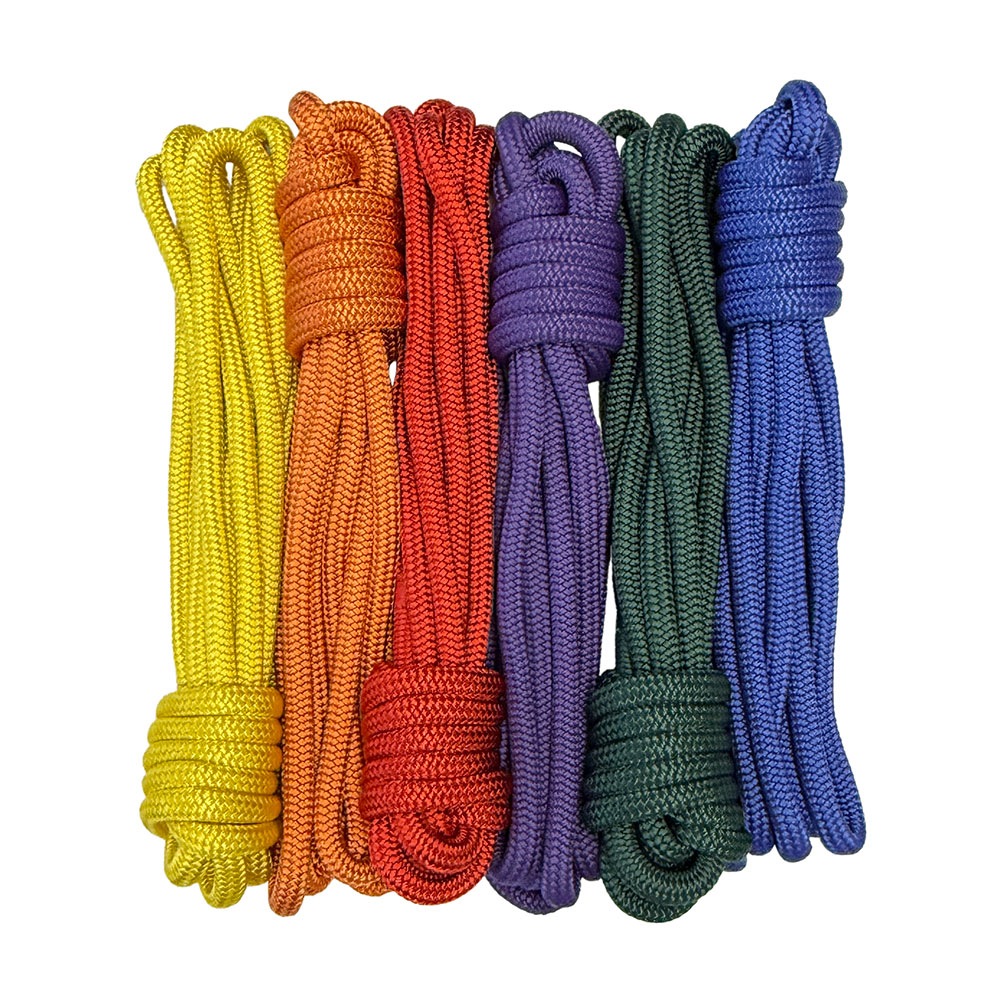
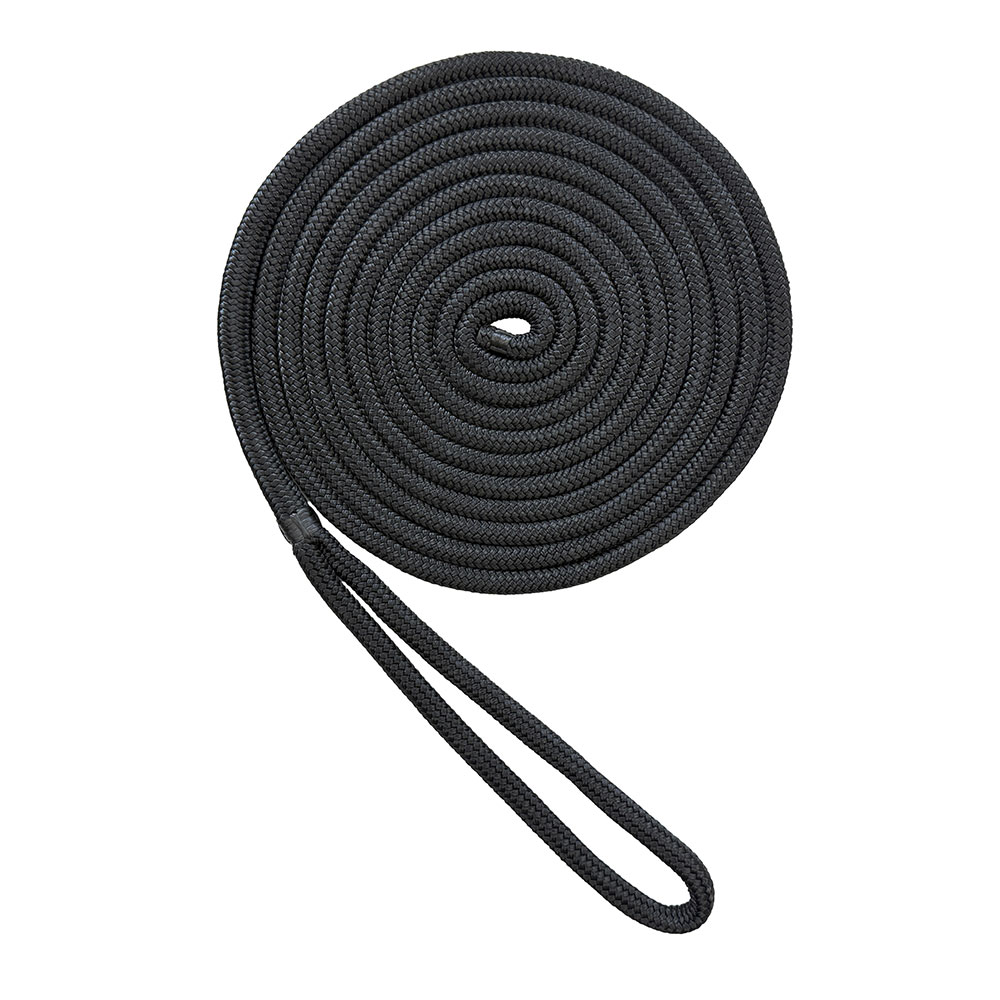
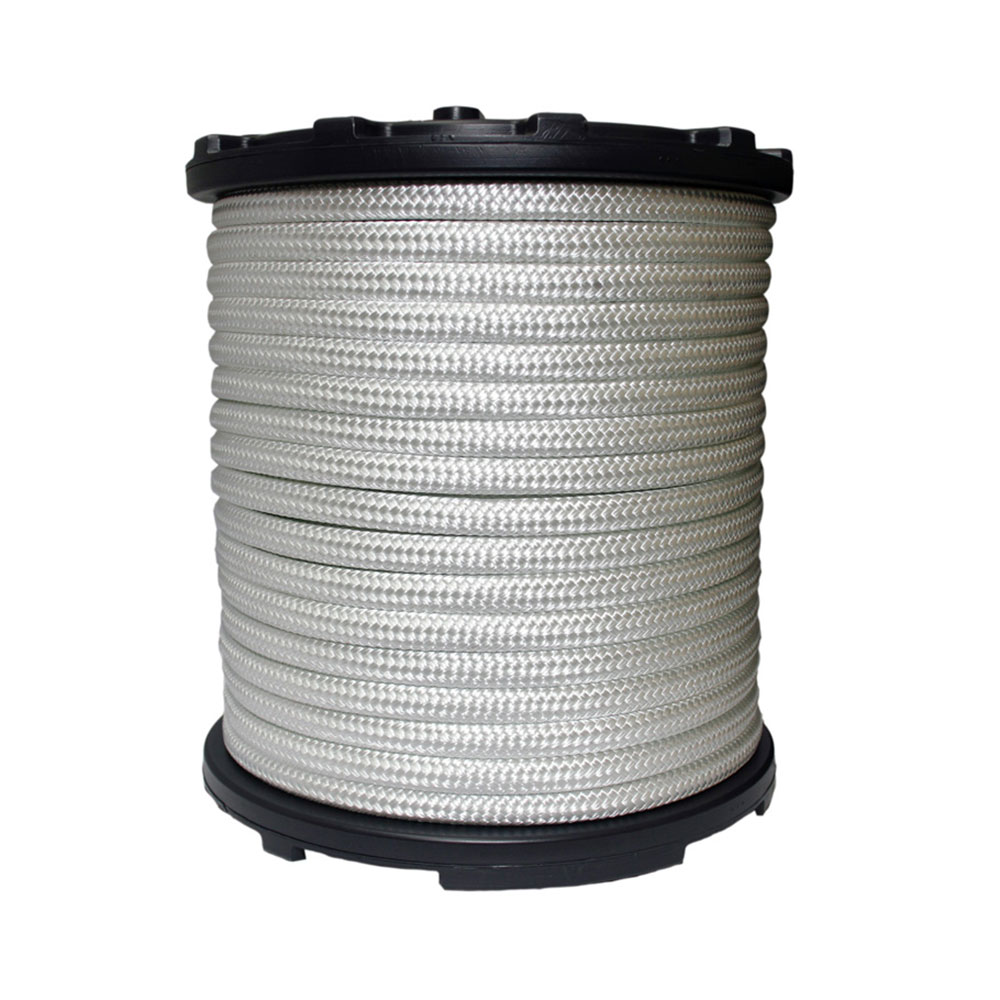
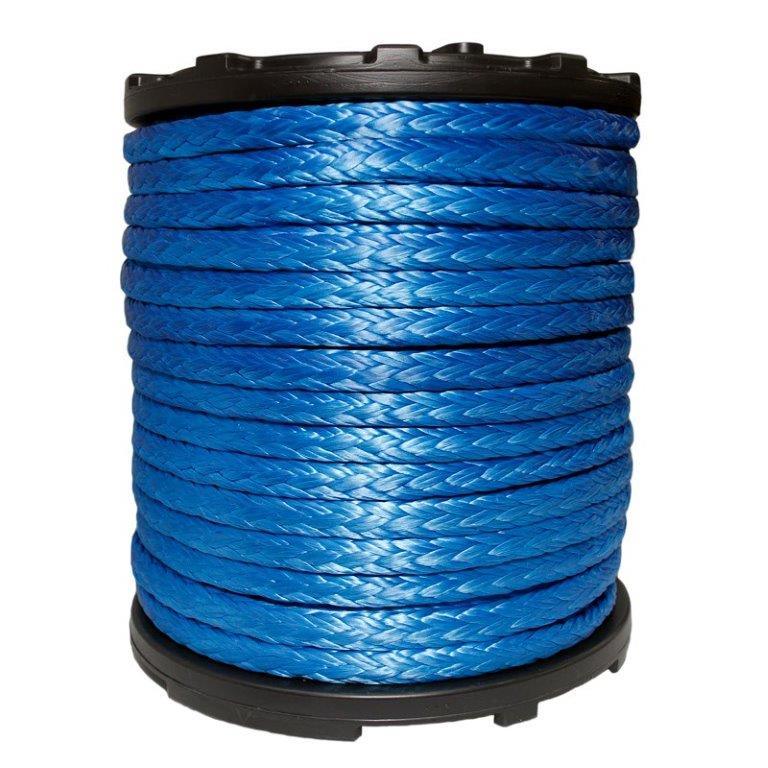
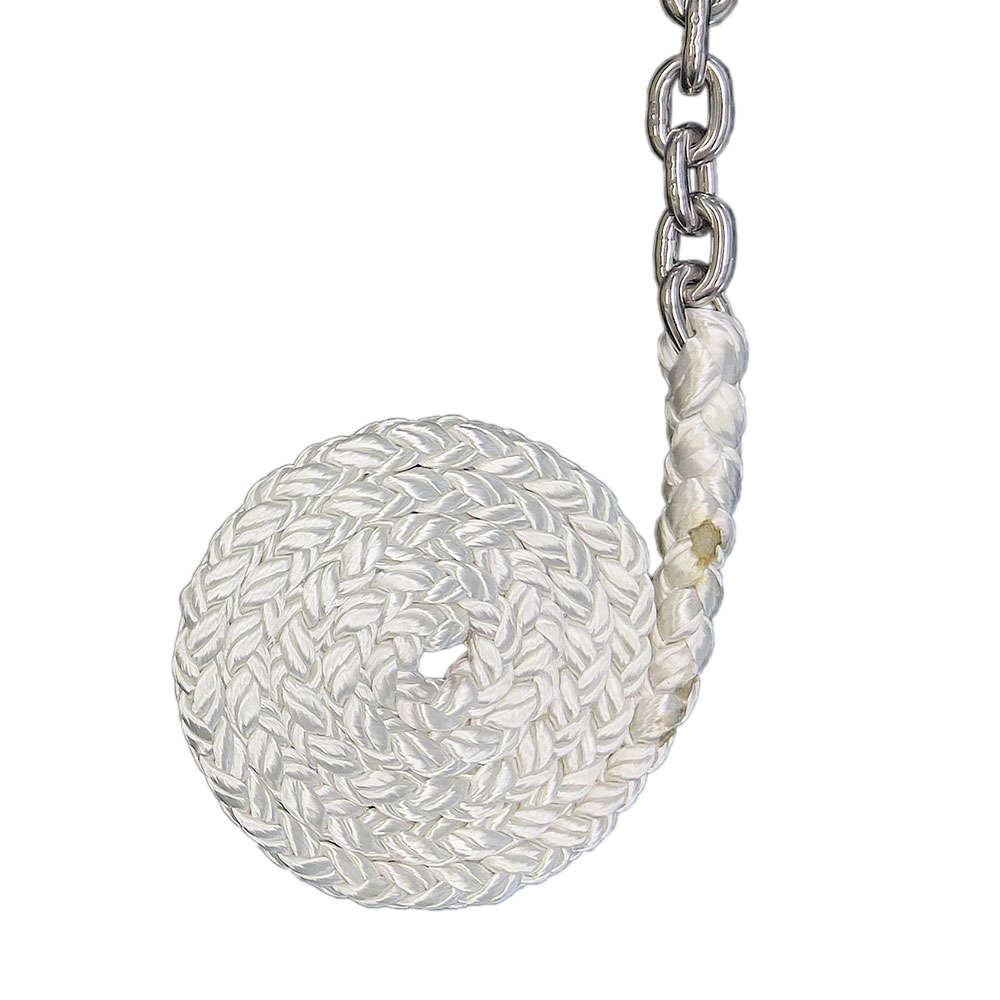
Diameter: American Rope’s 1/2-inch double braid nylon dock lines provide an ideal balance. They are heavy enough to throw accurately and light enough to handle easily.
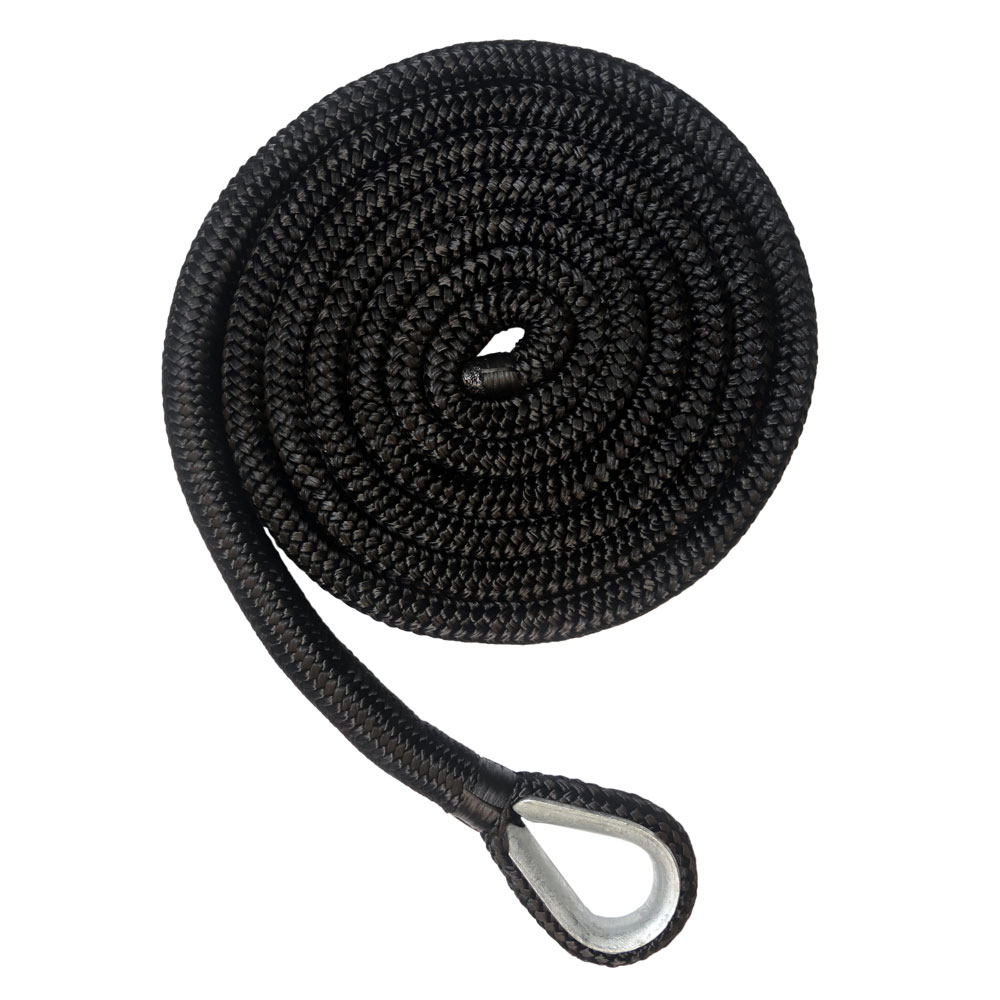
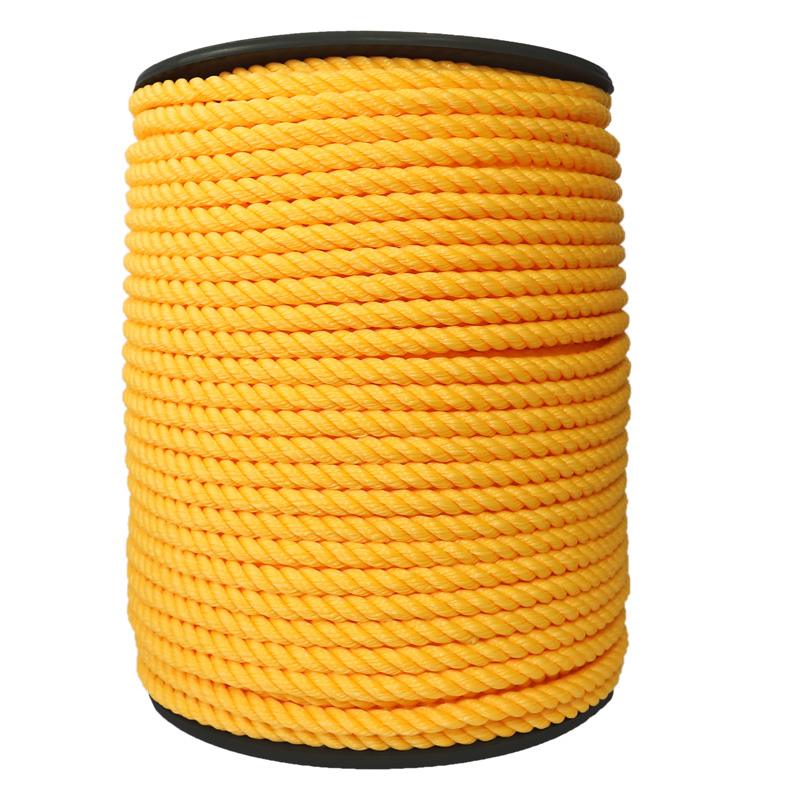
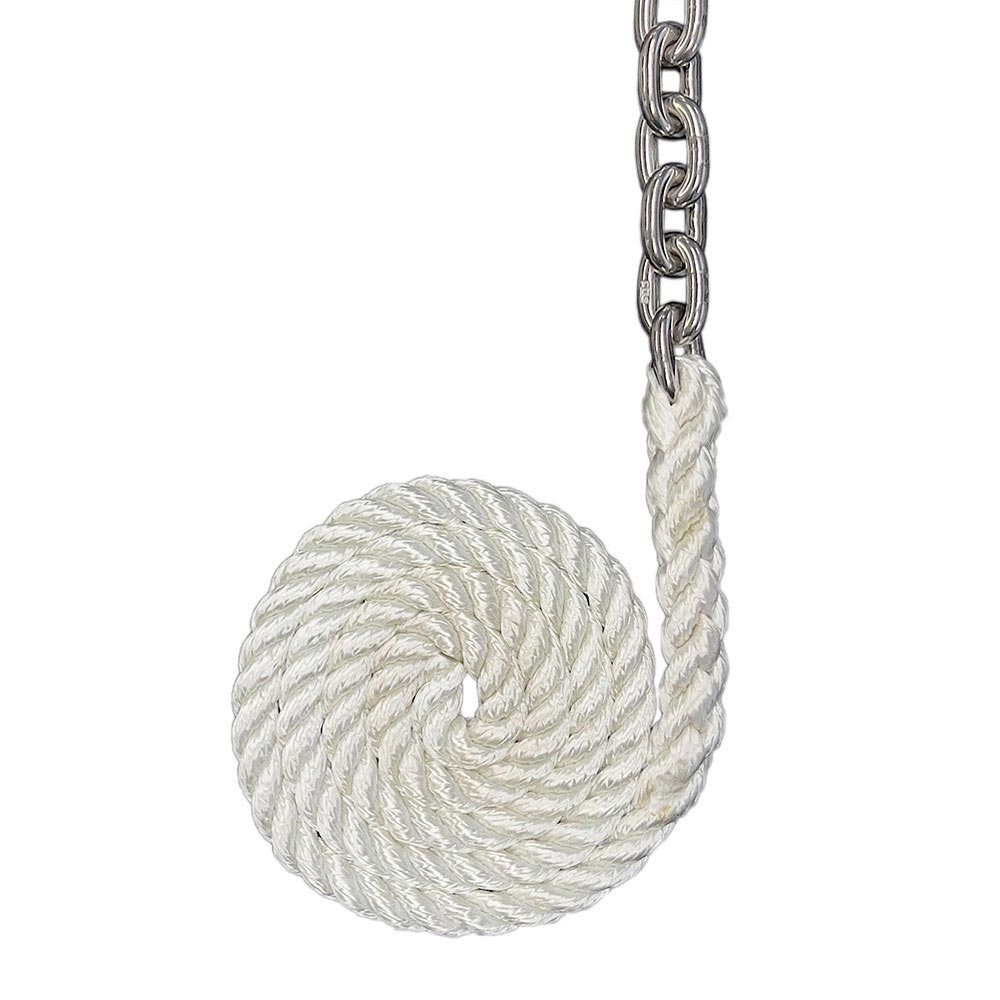
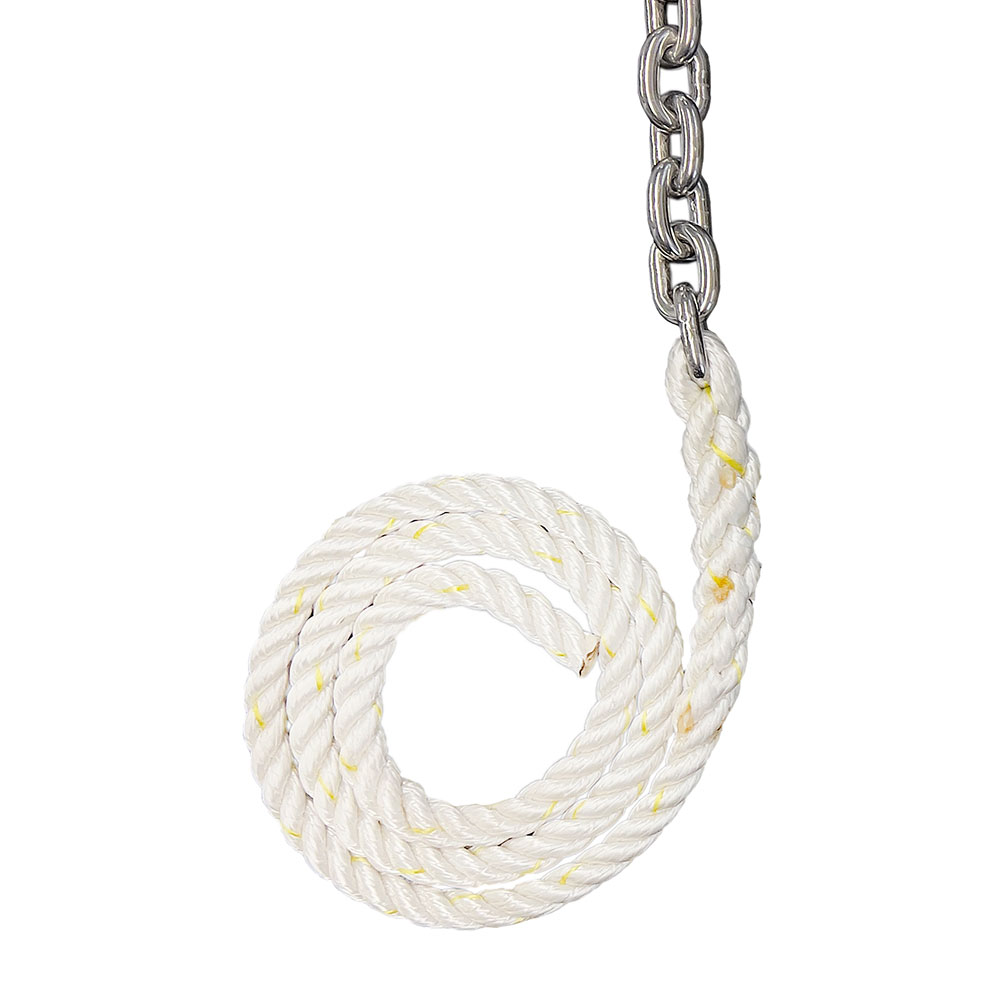
Construction: Double braid rope throws more consistently than three-strand twisted rope because it does not develop directional memory. The smooth surface of American Rope’s double braid lines also slides easily through your hands during a throw.
Length: Custom-fabricated dock lines from American Rope can be sized precisely for your vessel, which eliminates excess line that creates unnecessary bulk.
Advanced Situations
Mediterranean Mooring
The American Sailing Association describes Mediterranean mooring as “a controlled collision as you situate your vessel between two moored vessels.” In this situation, accurate line throwing is critical. Throw the stern line to the dockmaster as you approach. They secure it and toss it back while you deploy bow anchors.
Single-Handed Docking
When sailing alone, you must throw lines and handle the helm simultaneously. This requires pre-rigged lines with bitter ends secured, carefully positioned lines ready to throw, and split-coil preparation completed before the approach begins.
The Bottom Line
Mastering the dock line toss transforms docking from a stressful ordeal into a confident and professional operation. The fundamentals of proper coiling, correct body position, appropriate throwing technique, and accurate aiming apply universally regardless of vessel size.
American Rope manufactures dock lines engineered for reliable handling and accurate throwing, but success ultimately depends on practiced technique. Invest time in deliberate practice both on land and on the water.
Visit American Rope to explore our dock lines or contact our team for guidance on selecting rope optimized for your vessel.