Professional rope terminations represent the difference between reliable marine systems and potentially catastrophic failures. At American Rope, we understand that the best rope for anchor line applications requires more than quality fiber and construction; it requires expert termination techniques that maintain rope strength while providing secure attachment points. From eye splices and thimble eyes to professional whipping and specialized rope-to-chain connections, proper termination methods ensure marine lines perform safely throughout their service life.
Eye Splices: Creating Reliable Loop Terminations
Eye splices create permanent loops at rope ends, providing secure attachment points for shackles, hardware, and other system components. This fundamental termination technique maintains the highest percentage of rope strength compared to knots or other connection methods.
Construction Principles: Proper eye splicing involves weaving the rope’s working end back into its standing part following specific patterns that distribute loads evenly. American Rope’s experienced splicers create eye splices that retain 90 to 95 percent of the rope’s original breaking strength, far exceeding the 50 to 60 percent efficiency typical of most knots.
Size Considerations: Eye splice diameter must accommodate intended hardware while maintaining appropriate geometry for load distribution. American Rope works with customers to determine optimal eye sizes for their specific applications, whether for anchor lines, dock lines, or specialized marine uses.
Thimble Eyes: Maximum Protection for Critical Applications
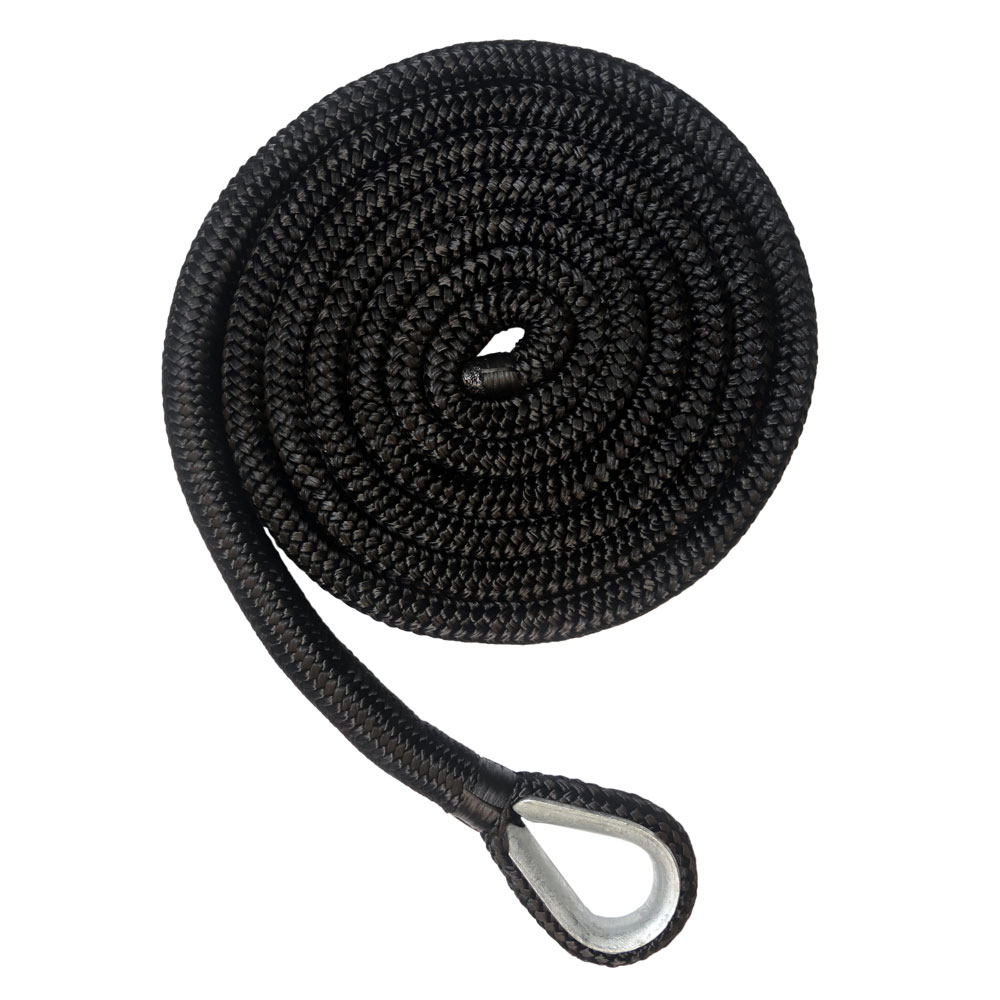
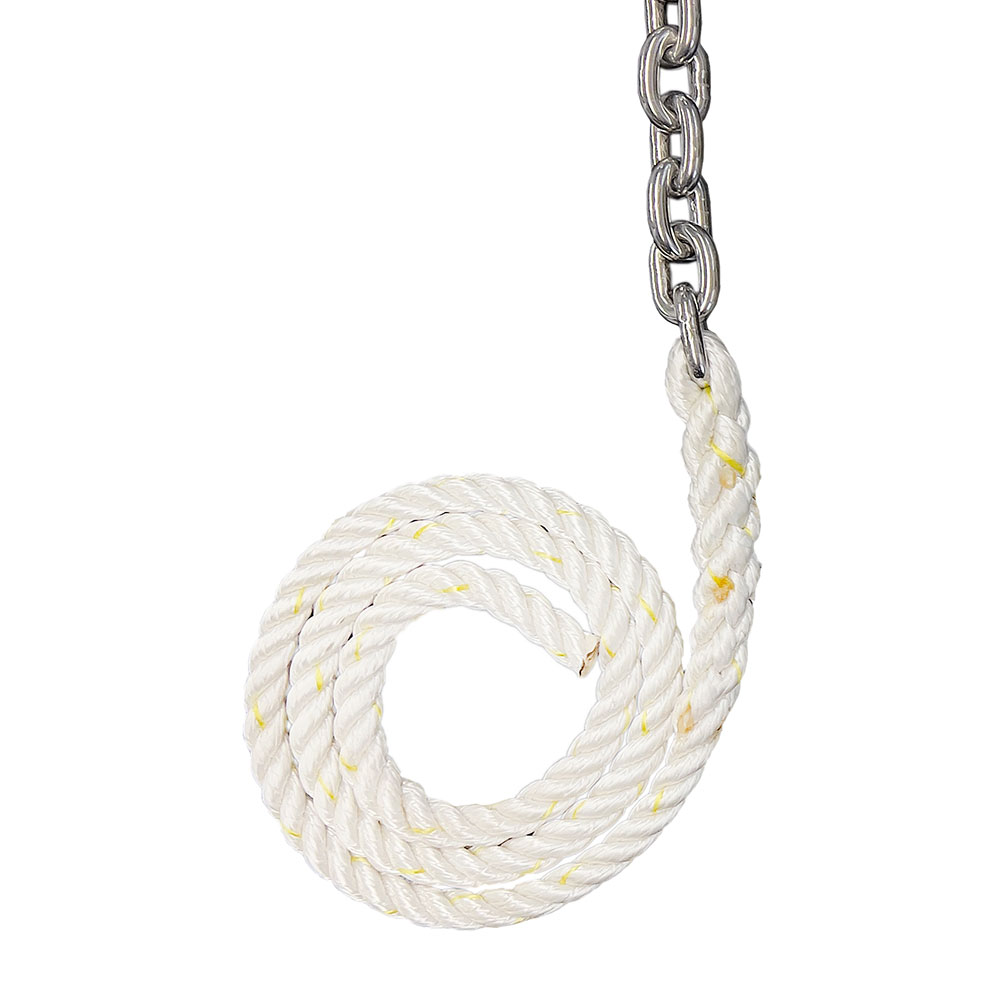
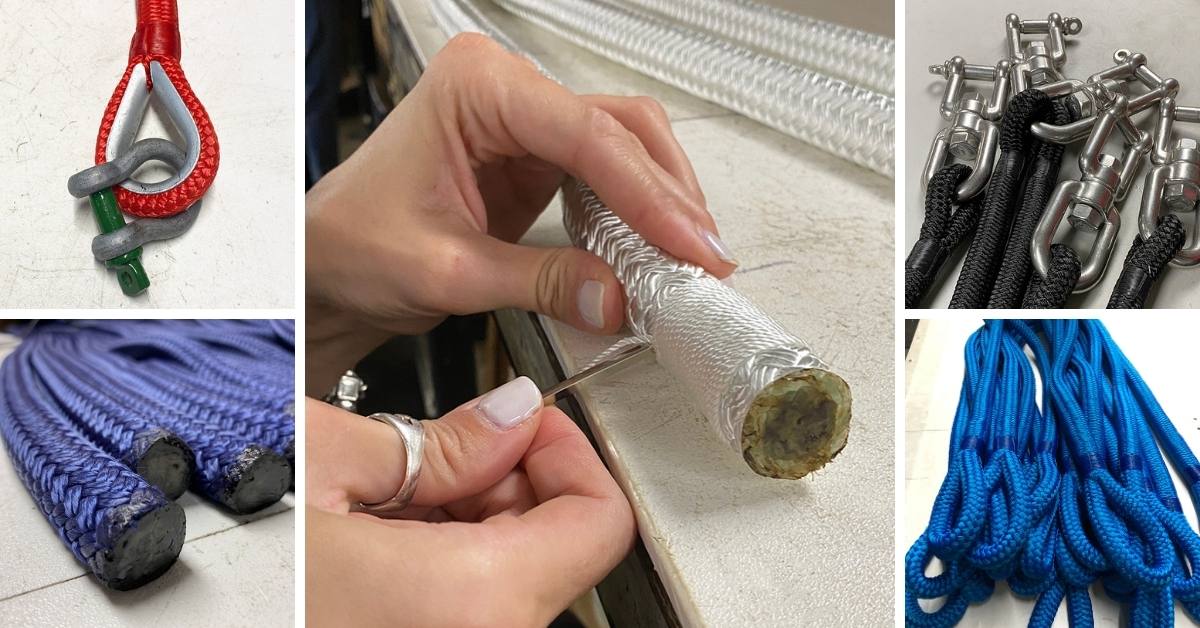
Thimble eyes incorporate metal inserts within eye splices, protecting rope from the crushing and cutting forces that occur at connection points. This termination style represents the gold standard for marine applications where reliability is paramount.
Material Selection: Stainless steel thimbles resist saltwater corrosion while providing smooth, rounded surfaces that will not damage rope fibers. American Rope uses marine-grade stainless steel thimbles in all our professional anchor line assemblies, ensuring connections maintain full strength capacity throughout their service life.
Professional Integration: Properly installed thimbles fit snugly within eye splices without creating stress concentrations. Our technicians at American Rope carefully match thimble sizes to rope diameters and splice configurations, ensuring optimal load distribution and maximum longevity.
Critical Applications: Anchor lines, mooring pendants, and other high-load applications benefit significantly from thimble eye terminations. The metal insert prevents rope compression and wear that would quickly compromise softer eye terminations under heavy cycling loads.
Soft Eyes: Flexibility for Specialized Uses
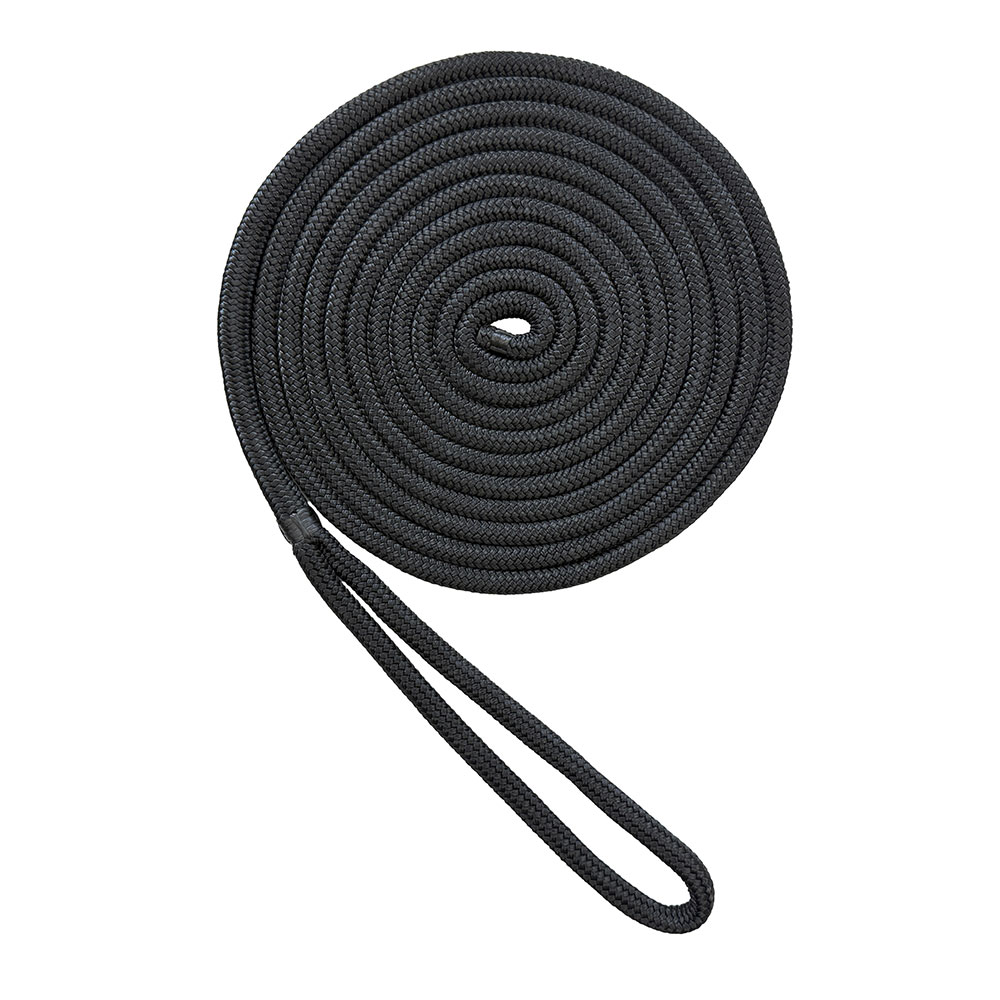
Soft eyes provide spliced loop terminations without metal thimbles, offering flexibility and reduced weight for applications where these characteristics outweigh the protection thimbles provide.
Advantages: Soft eyes conform to irregular attachment points and will not mar gelcoat or other finished surfaces. Their flexibility allows them to pass through blocks and fairleads more easily than rigid thimble eyes. American Rope fabricates soft eye terminations for applications including running rigging, fender lines, and specialized deck hardware connections.
Appropriate Applications: Soft eyes work well in lower-load applications or where lines experience minimal movement at attachment points. They are also ideal for temporary connections where flexibility and ease of handling matter more than maximum abrasion resistance.
Limitations: Without thimble protection, soft eyes experience accelerated wear at contact points, particularly when connected through shackles or other hardware. American Rope helps customers understand when soft eyes are appropriate and when thimble protection is necessary for safe, long-term service.
Hand Whipping: Professional End Protection
Hand whipping wraps rope ends with marine-grade twine, preventing fraying while maintaining a professional appearance. This traditional technique remains essential for protecting splice throats and rope terminations.
Traditional Methods: Sailmaker’s whipping, the most secure technique, involves wrapping and stitching that locks the whipping permanently in place. American Rope applies professional hand whipping to all splice throats and bitter ends on our custom rope assemblies, ensuring terminations remain secure throughout the rope’s service life.
Material Selection: Marine-grade whipping twine resists UV degradation and saltwater exposure far better than standard thread or cordage. American Rope uses only UV-resistant, solution-dyed whipping materials that maintain integrity in demanding marine environments.
Functional Benefits: Beyond preventing fraying, proper whipping maintains rope construction integrity, preventing core-to-cover separation in double braid lines and strand unraveling in three-strand ropes.
Heat Sealing: Modern End Finishing
Heat sealing fuses synthetic rope ends, creating clean finishes that prevent immediate fraying. While not as durable as professional whipping, heat sealing provides acceptable protection for certain applications.
Technique Considerations: Proper heat sealing requires controlled temperature application that fuses fibers without causing excessive melting or creating hard, sharp edges. American Rope uses professional rope-cutting equipment that simultaneously cuts and seals in one operation, ensuring consistent, quality finishes.
Limitations: Heat-sealed ends lack the long-term durability of properly whipped terminations and may separate under heavy use or environmental exposure. For critical applications like anchor lines, American Rope always recommends professional whipping over simple heat sealing.
Rope-to-Chain Splices: Specialized Anchor Rode Connections
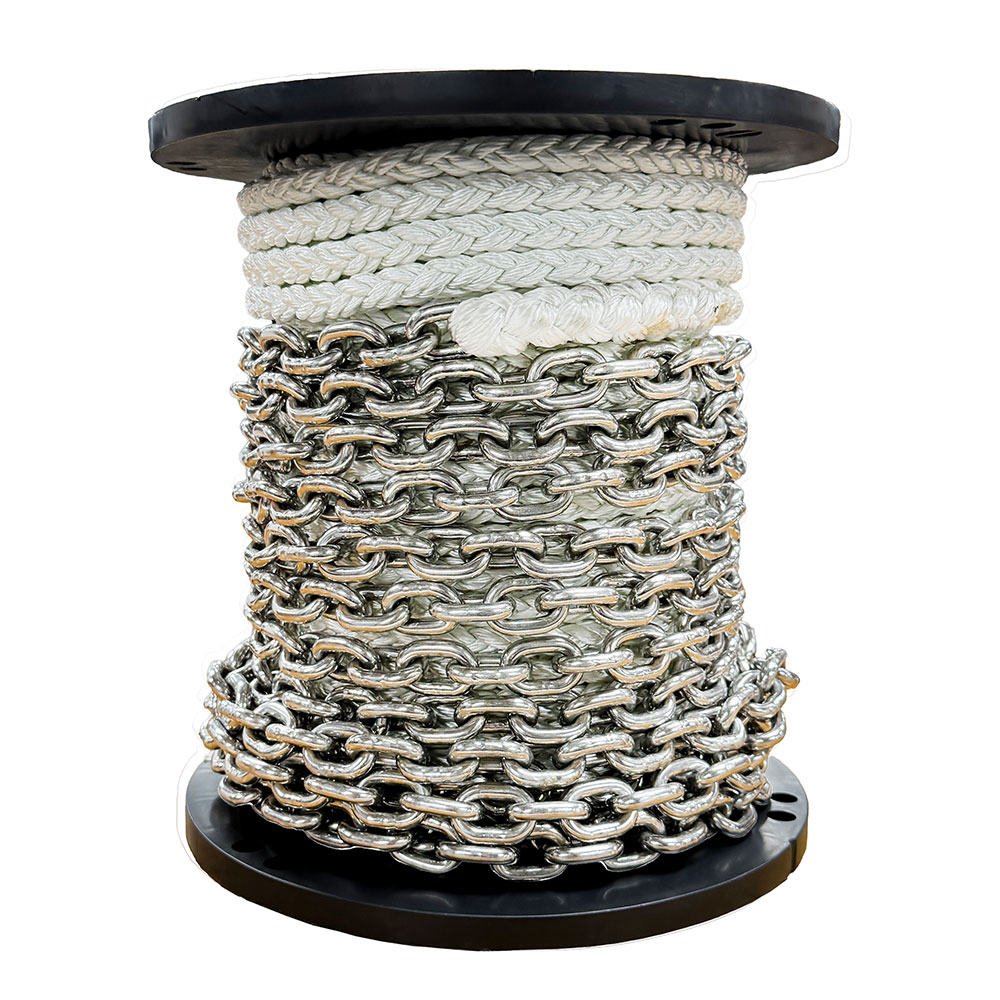
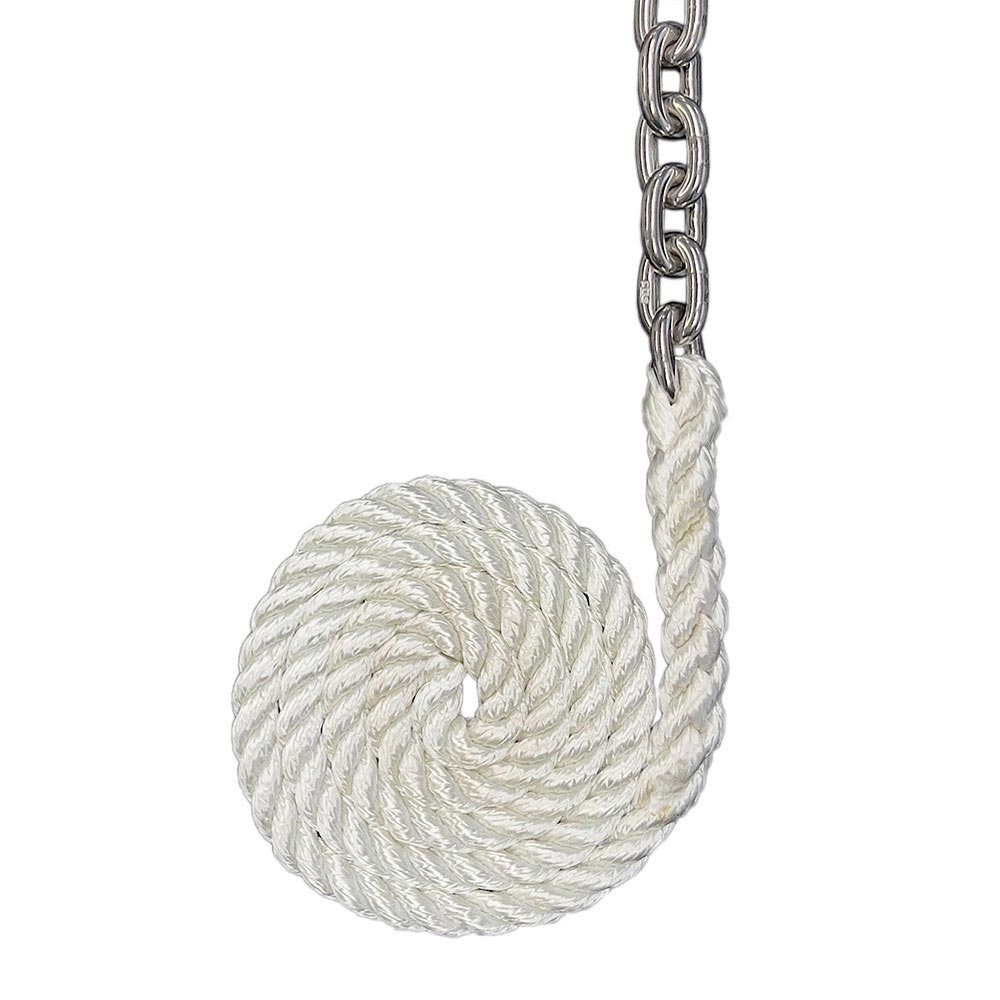
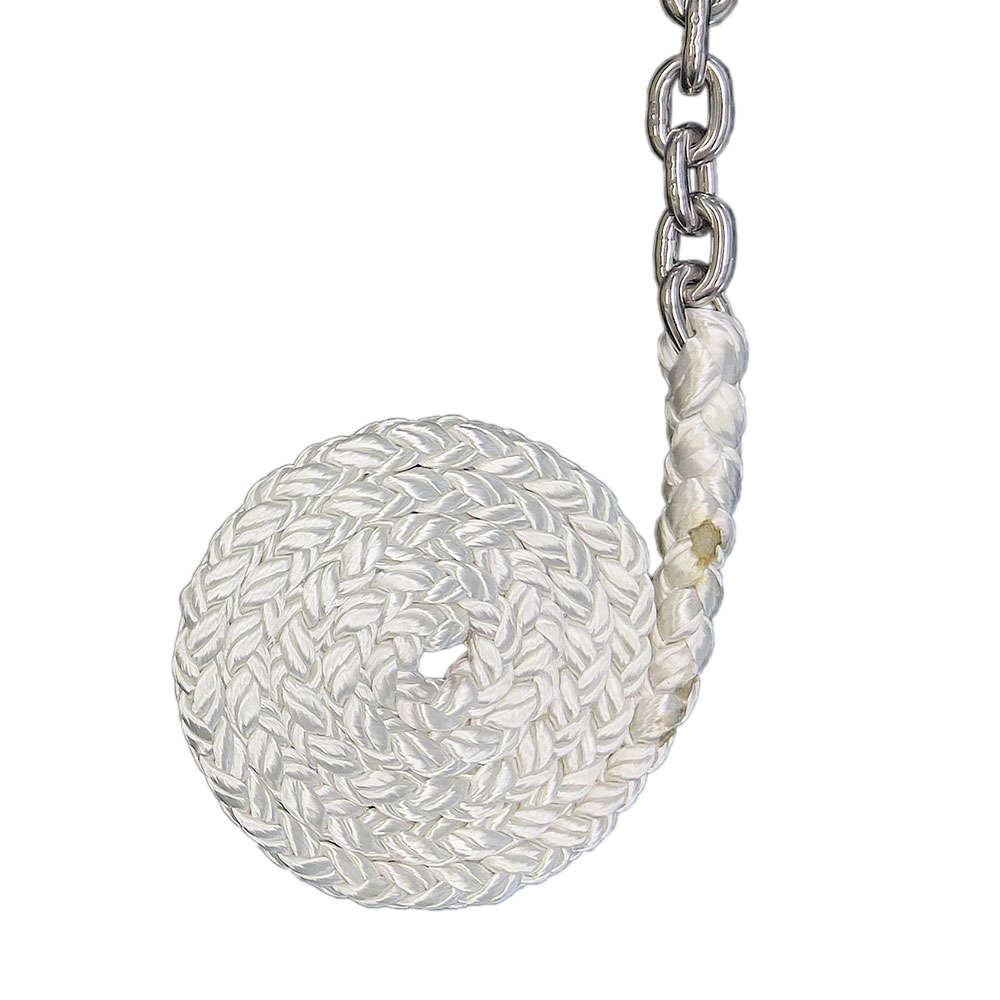
Combination anchor rodes using both rope and chain require specialized splicing techniques that create seamless transitions between these different materials.
Professional Execution: Rope-to-chain splices must feed smoothly through windlass systems while maintaining full strength capacity. American Rope’s technicians create these specialized terminations following manufacturer-specific techniques that ensure reliable performance and windlass compatibility.
Quality Considerations: Improper rope-to-chain splices can jam in windlass gypsies, causing dangerous failures during critical anchoring operations. Professional fabrication ensures smooth operation and eliminates this risk.
Professional Splicing vs. DIY: Critical Safety Considerations
While some rope terminations can be executed by skilled DIY practitioners, many applications demand professional expertise to ensure safety and reliability.
Safety-Critical Applications: The best rope for anchor line systems deserves professional termination. Anchor lines, mooring pendants, and other life-safety applications should always receive professional splicing. American Rope follows Cordage Institute and manufacturer guidelines that specify when professional fabrication is required.
Liability Considerations: Improperly executed splices can fail catastrophically, potentially causing property damage, personal injury, or loss of life. Professional fabrication from American Rope includes documented quality control and testing that provides peace of mind and reduces liability exposure.
Quality Assurance: American Rope’s splicing technicians receive ongoing training and follow established procedures that ensure consistent, reliable results. Every splice undergoes inspection before shipment, guaranteeing customers receive terminations that meet or exceed industry standards.
When DIY Is Appropriate: Simple three-strand eye splices for non-critical applications can be executed by skilled boat owners following proper techniques. However, double-braid splices, rope-to-chain connections, and any life-safety applications should always be professionally fabricated.
Conclusion
Professional rope terminations transform quality line into reliable marine systems that perform safely under demanding conditions. From thimble eyes that protect critical anchor line connections to expert whipping that maintains splice integrity, proper termination techniques ensure marine ropes deliver their full performance potential. American Rope’s commitment to professional fabrication means customers receive the best rope for anchor line applications with terminations engineered for safety, reliability, and longevity. Whether you need custom anchor rode assemblies or specialized dock line configurations, our experienced team ensures every termination meets the exacting standards that marine operations demand.
FAQS
What’s the difference between splicing and whipping?
Splicing and whipping serve different functional purposes in rope management:
- Splicing is a fundamental termination technique where the rope’s working end is woven back into itself to create a permanent loop (eye splice) or a rope-to-rope connection. It is the strongest termination method, retaining 90–95% of the rope’s original breaking strength.
- Whipping involves wrapping the rope with specialized marine-grade twine to prevent fraying and unraveling. While splicing creates a connection point, whipping is used to protect splice “throats” and secure the “bitter ends” of the rope to maintain structural integrity.
Which termination is strongest for anchor lines?
The thimble eye is the gold standard for anchor line terminations. It combines a professional eye splice with a stainless steel insert (thimble) that protects the rope from crushing and cutting forces at the hardware connection point. This setup ensures the connection maintains its full strength capacity and maximum reliability under heavy cycling loads.
Can I splice rope myself or should I hire a professional?
While basic knots can be tied by anyone, they typically reduce a rope’s efficiency to only 50–60%. Professional splicing by experienced technicians ensures that the weave pattern distributes loads evenly, allowing the rope to retain nearly its full original strength (up to 95%). For critical safety applications like anchor lines or mooring pendants, professional splicing is highly recommended.
How long does a spliced eye last?
The lifespan of a spliced eye depends on its protection and application. A soft eye (without a thimble) provides flexibility but is subject to accelerated wear at contact points. A thimble eye is engineered for maximum longevity, as the metal insert prevents the fiber-on-metal friction that would otherwise compromise a soft termination over time. Regular “hand whipping” also extends the life of a splice by keeping the weave secure.
What is back splicing used for?
While the specific term “back splicing” is often used to finish the end of a rope to prevent unraveling without adding a loop, this blog emphasizes that whipping and heat sealing are the modern standards for protecting bitter ends. Proper end finishes like these ensure that core-to-cover separation doesn’t occur in double braid lines and that strands don’t unravel in three-strand ropes during their service life.