
When planning an extended stay on your boat, securing it to a mooring buoy or block requires a properly configured mooring system. Unlike docking or anchoring, mooring involves tying your vessel to a fixed object on the water—typically via a mooring buoy connected to a heavy block or anchor on the seabed. At American Rope, we understand that proper mooring line setup is essential for safety, vessel integrity, and peace of mind.
This guide focuses on the lines boat owners bring aboard to connect their vessel to the mooring buoy system, covering techniques and materials to help ensure your setup remains secure through changing weather and sea conditions.
Understanding the Mooring System
A standard mooring setup includes:
- Mooring buoy – visible above the waterline
- Riser or pendant line – connects the boat to the buoy
- Chain or rope – connects the buoy to the seabed anchor or block
- Ground tackle – heavy anchor or concrete block that secures the system
Each component must be properly sized and configured for your vessel’s type and size.
Choosing the Right Mooring Lines
American Rope offers high-quality mooring pendants designed for strength, shock absorption, and long-term use in marine environments.
Recommended Line Material:
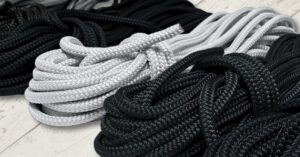
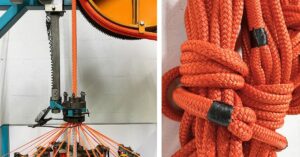
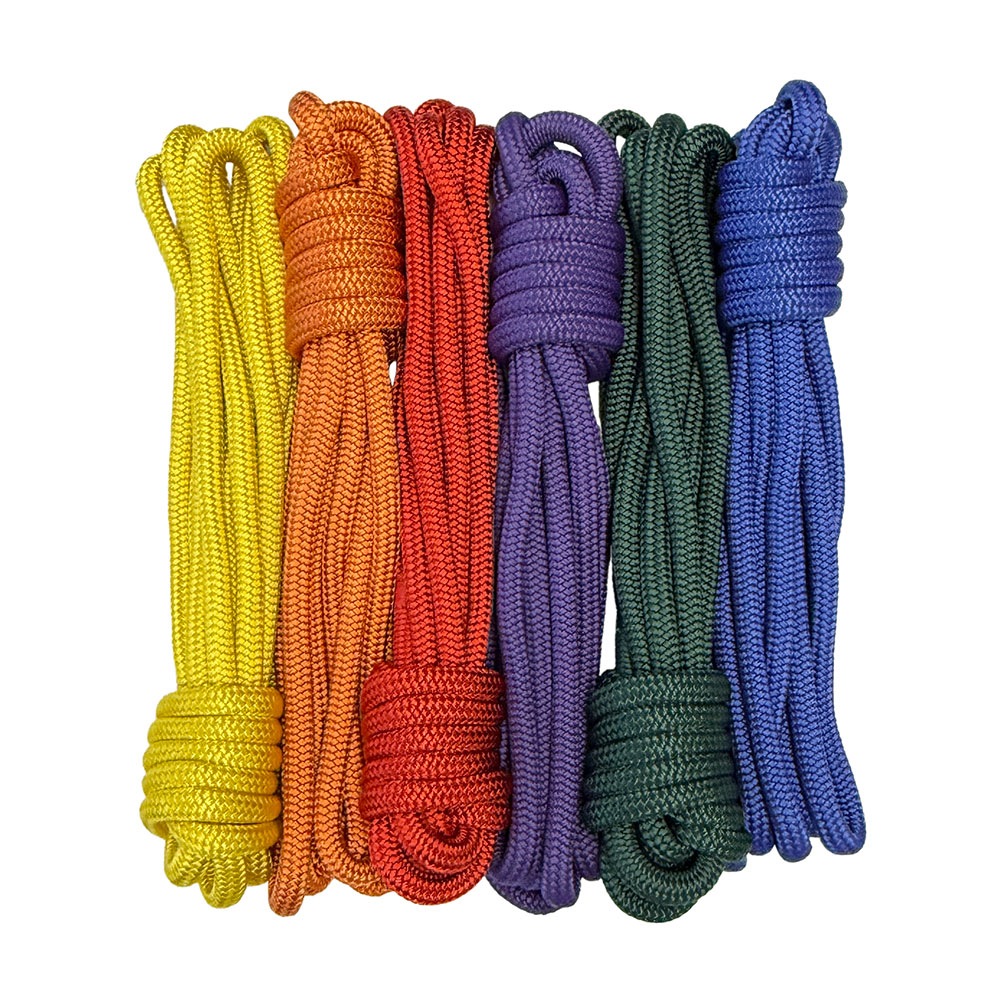
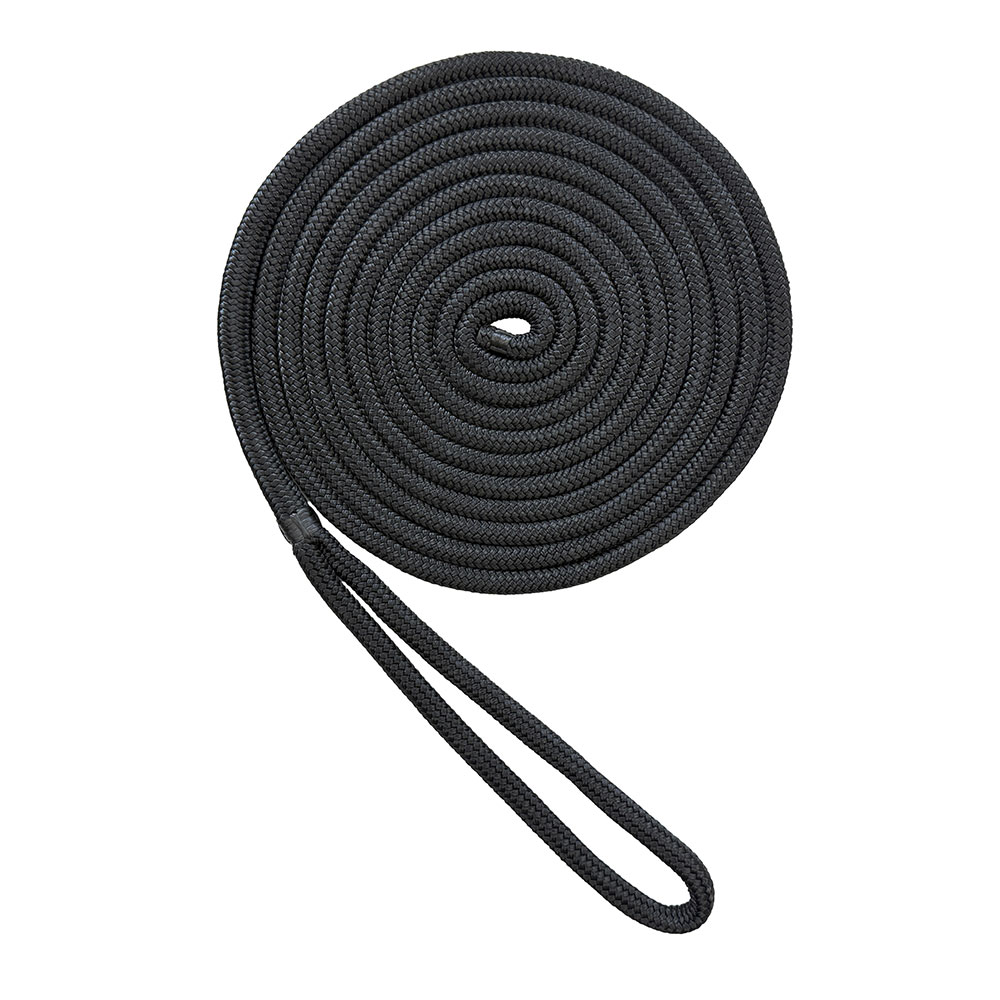
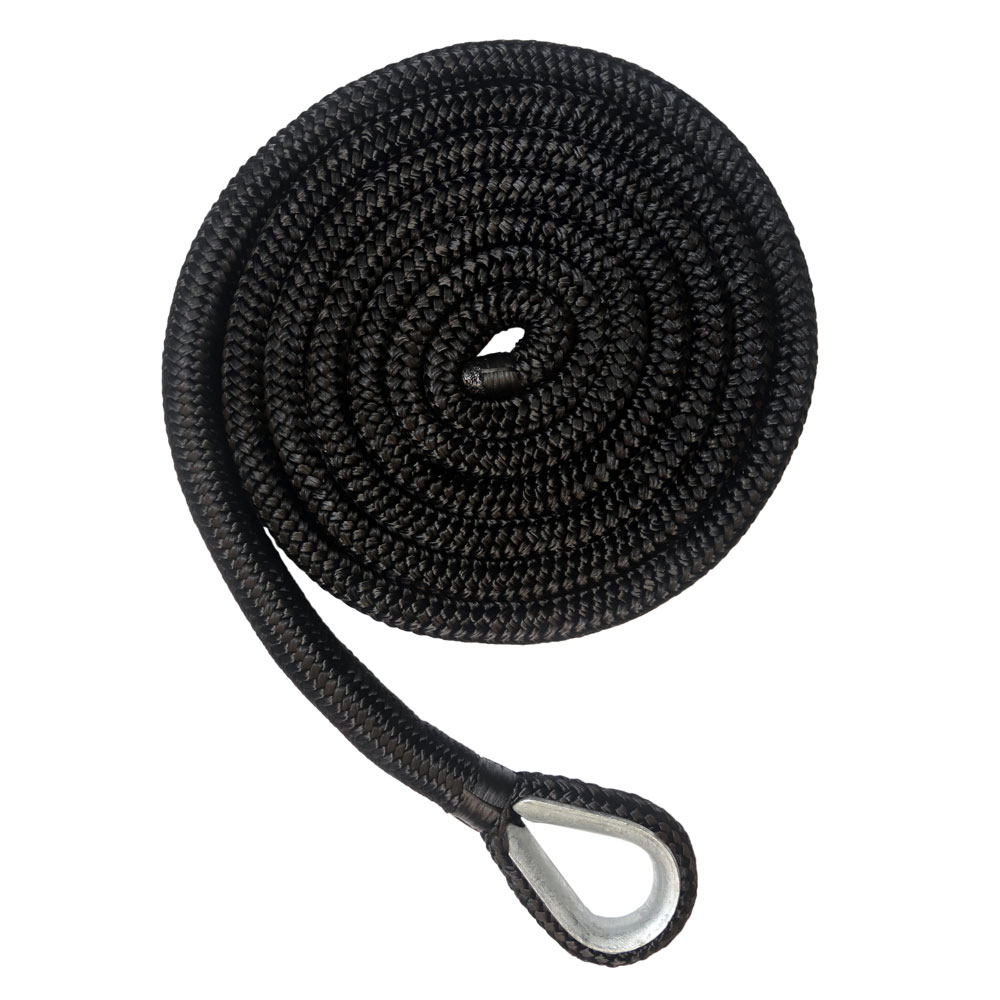
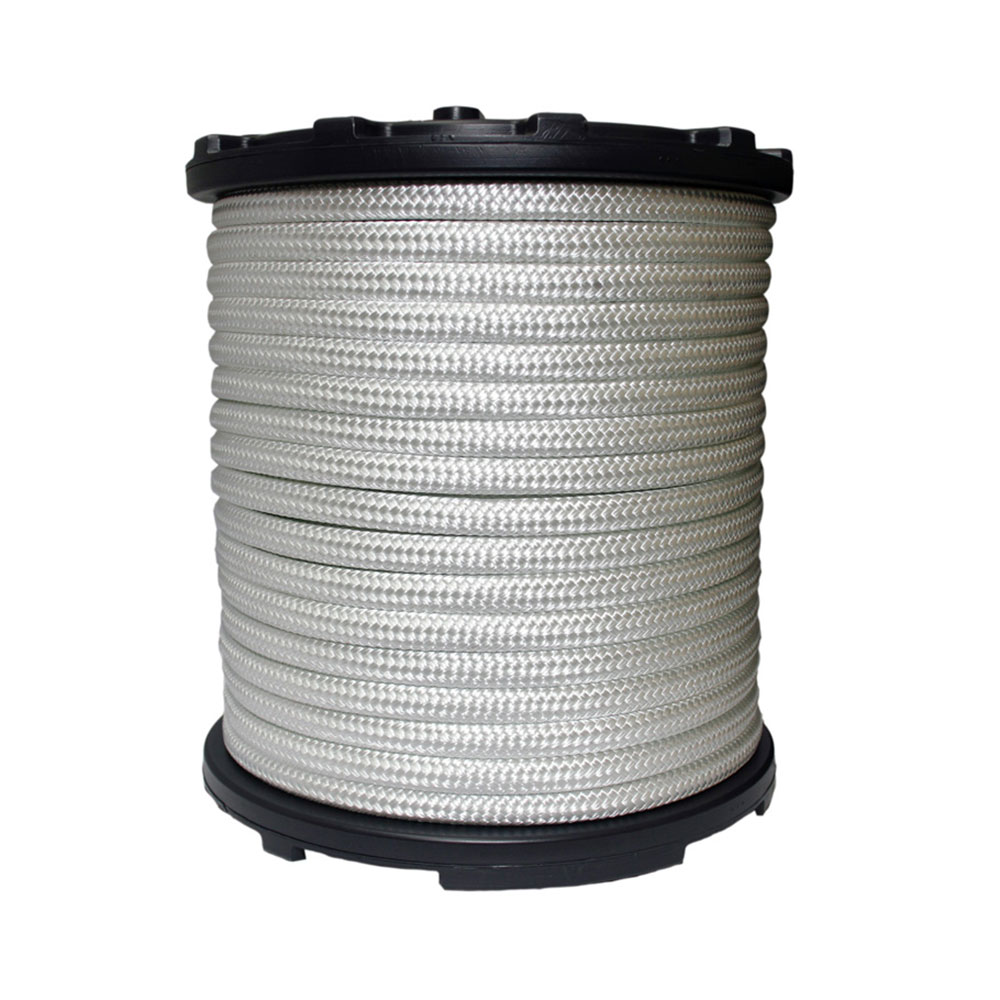
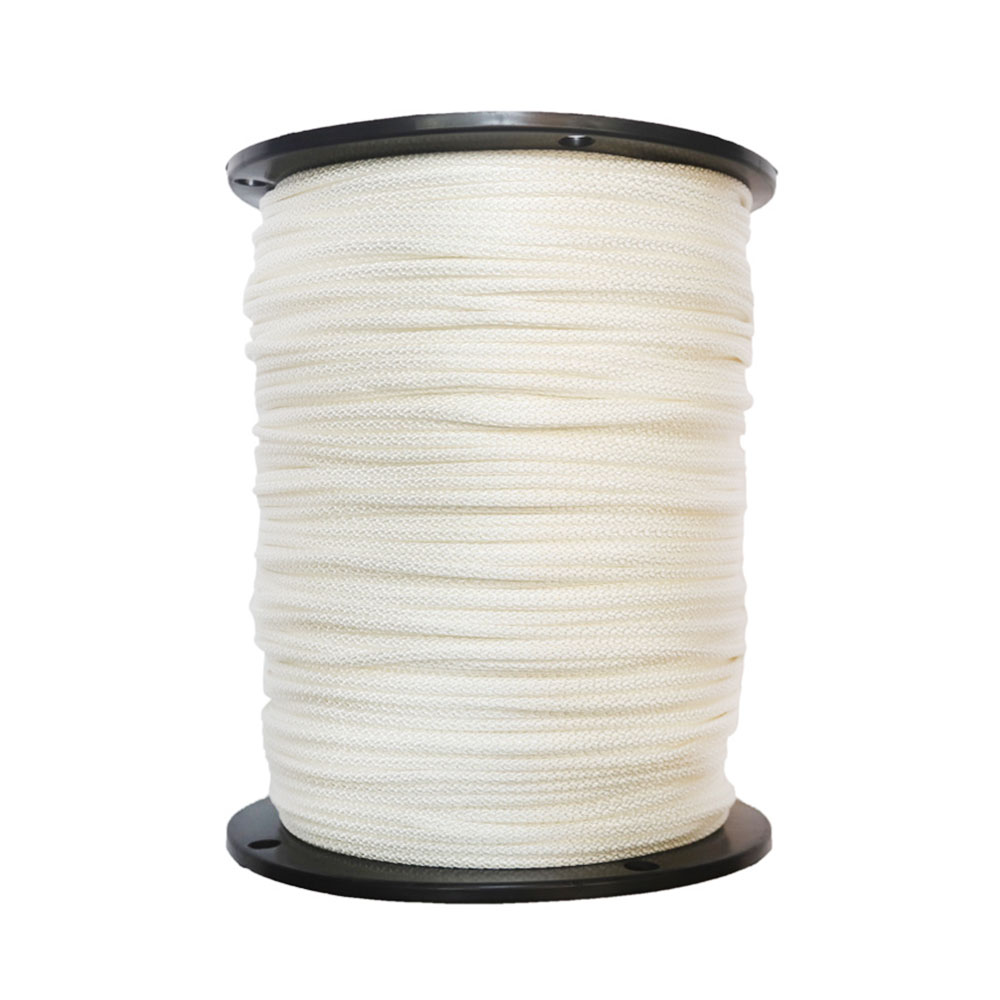
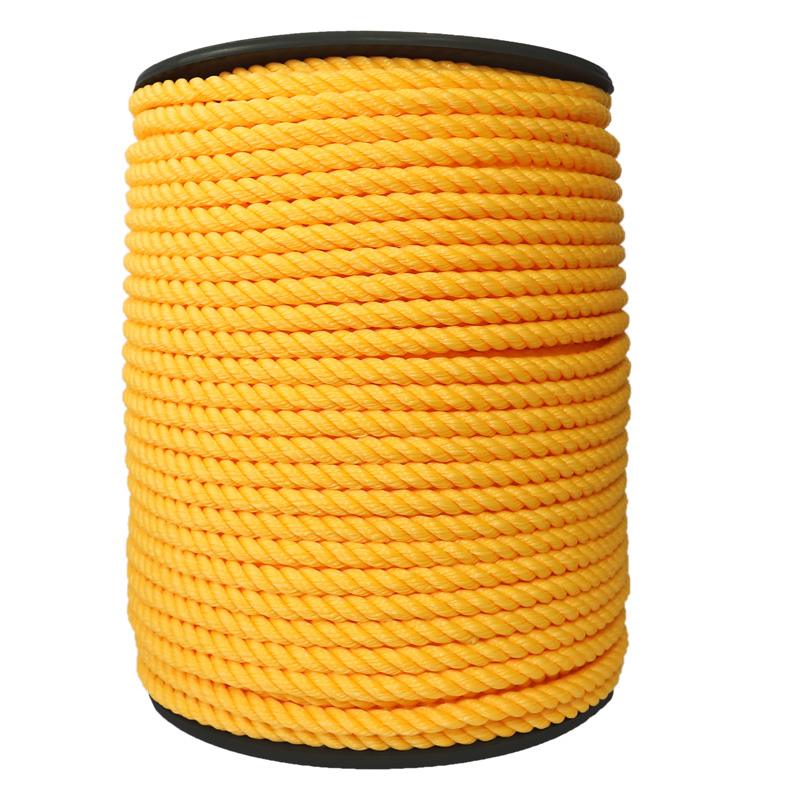
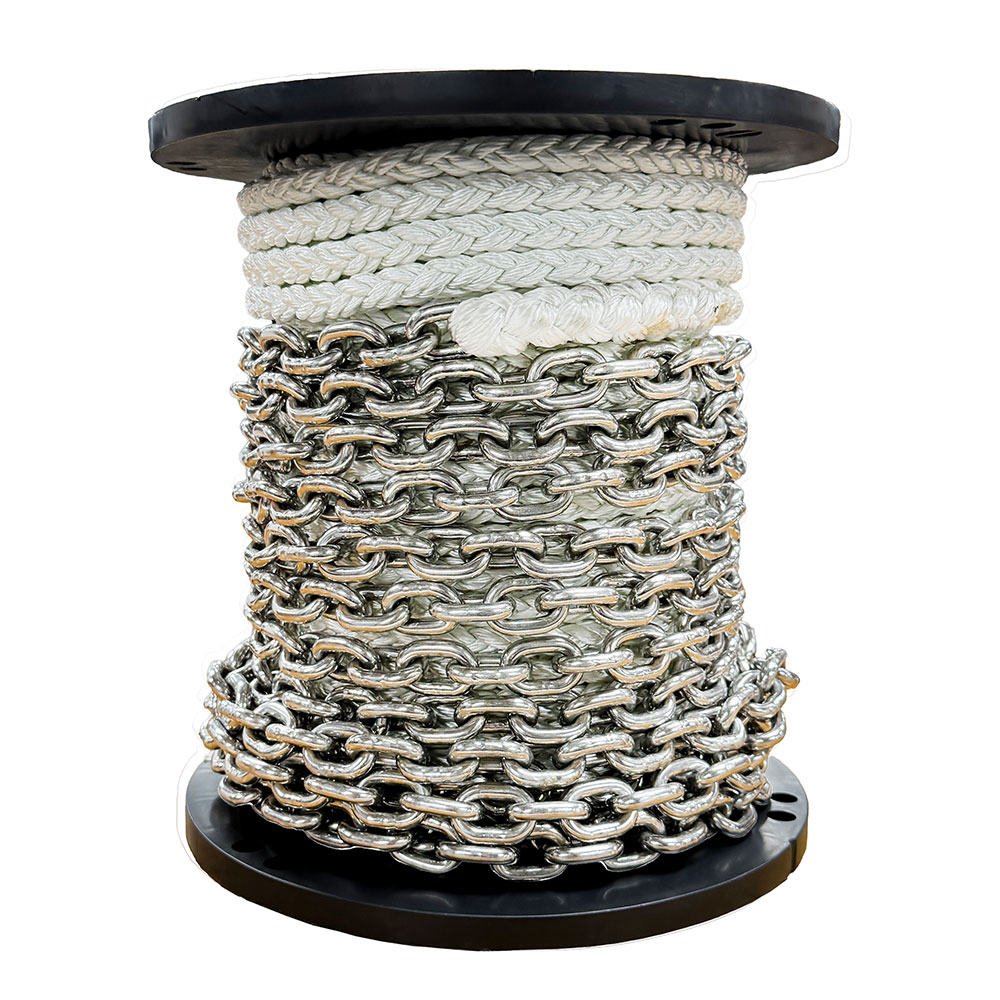
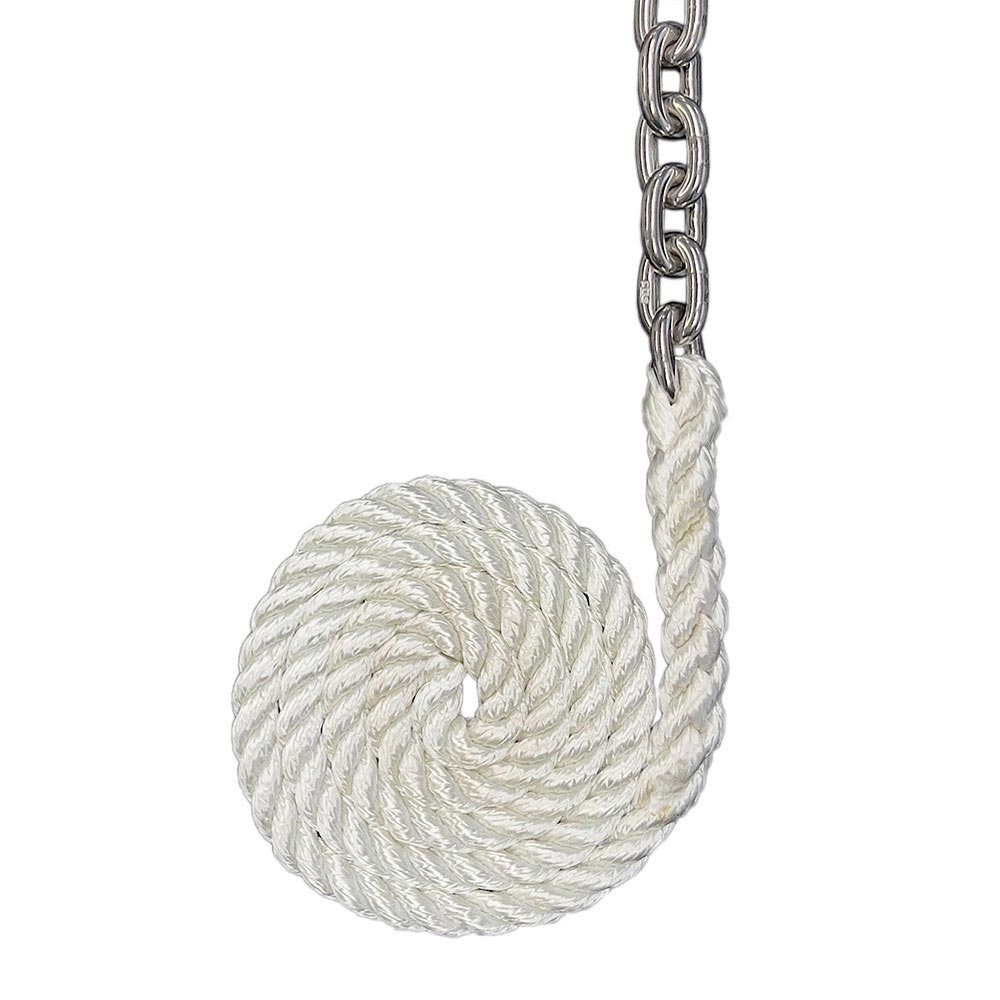
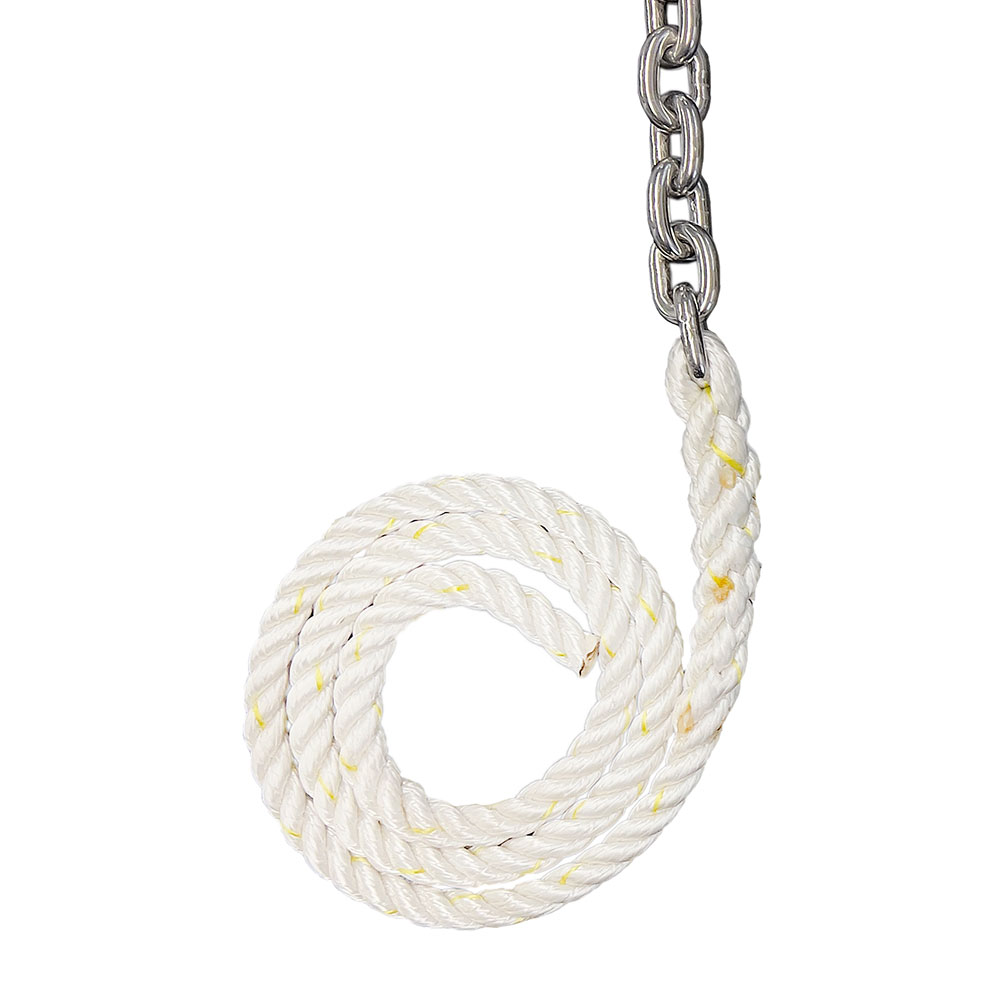
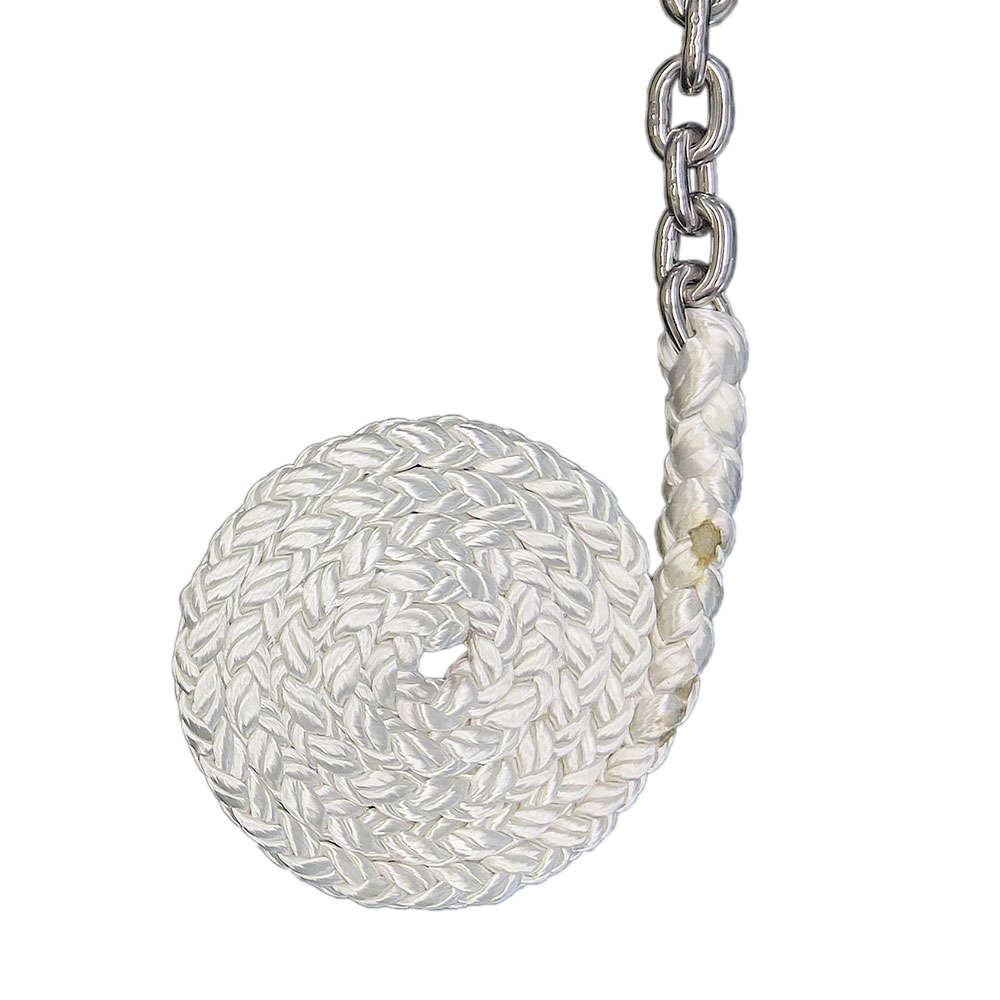
Nylon Lines – American Rope offers both double-braid and 3-strand twist nylon options. Double-braided nylon rope provides smooth handling, while 3-strand offers superior stretch characteristics and easier splicing. Both are ideal for their stretch, abrasion resistance, and strength. This material helps absorb loads caused by wind, current, and waves.
Suggested Line Length:
A good rule of thumb is to use pendant lines 2.5 to 3 times the distance from the bow cleat to the waterline to allow for swing and motion.
If you’re using dual pendants (recommended for larger boats or longer stays), each pendant should be the same length and connect to separate cleats or chocks.
Suggested Line Diameter:
- Boats under 20 feet: 3/8″
- Boats 20–35 feet: 1/2″
- Boats 36–50 feet: 5/8″
- Boats over 50 feet: 3/4″
These sizes ensure adequate strength and performance over time.
Techniques for Mooring in Various Conditions
1. Calm Conditions (Standard Mooring)
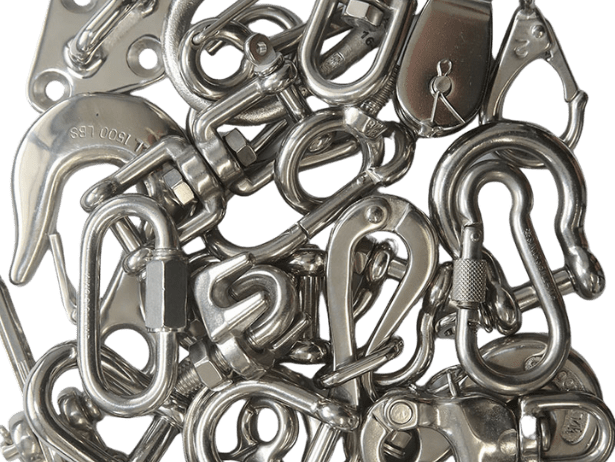
Use a single nylon pendant with chafe protection at the bow chock. Attach a swivel shackle to reduce line twist, and always inspect the mooring buoy and hardware before securing.
2. Heavy Wind and Wake Exposure
Use dual pendants through separate chocks on either side of the bow. Add chafe gear where lines pass through chocks or fairleads. For areas with frequent wakes or strong fetch, consider increasing line diameter for added safety.
3. Tidal or Storm Conditions
Add a secondary pendant or backup line in case of primary line failure. Use longer lines with additional scope to absorb storm surges and higher swells. Secure the backup pendant to a separate cleat to distribute the load evenly.
4. Extended Absence
If you won’t be visiting your boat for an extended period:
Check all shackles, splices, and hardware before departure. Use chafe-resistant line covers such as Cordura or leather sleeves, and consider a mooring snubber or compensator to help reduce shock loads.
Preventing Wear and Failure
Chafe is a leading cause of mooring line failure. Follow these best practices:
- Inspect Lines Regularly: Look for worn strands, glazing, or stiffness.
- Use Proper Chafe Protection: Install guards where lines pass through chocks or contact the bow.
- Avoid Overloading Lines: Never exceed the recommended working load limit.
- Rinse Saltwater Off Periodically: Salt crystals can increase abrasion over time.
Trust American Rope for Mooring-Grade Line
Our marine-grade double-braided nylon rope is engineered for long-term resilience and performance in harsh saltwater environments. With the right equipment and setup, you can moor your vessel securely for weeks or even months, confident that it’s safe from shifting weather and marine traffic.