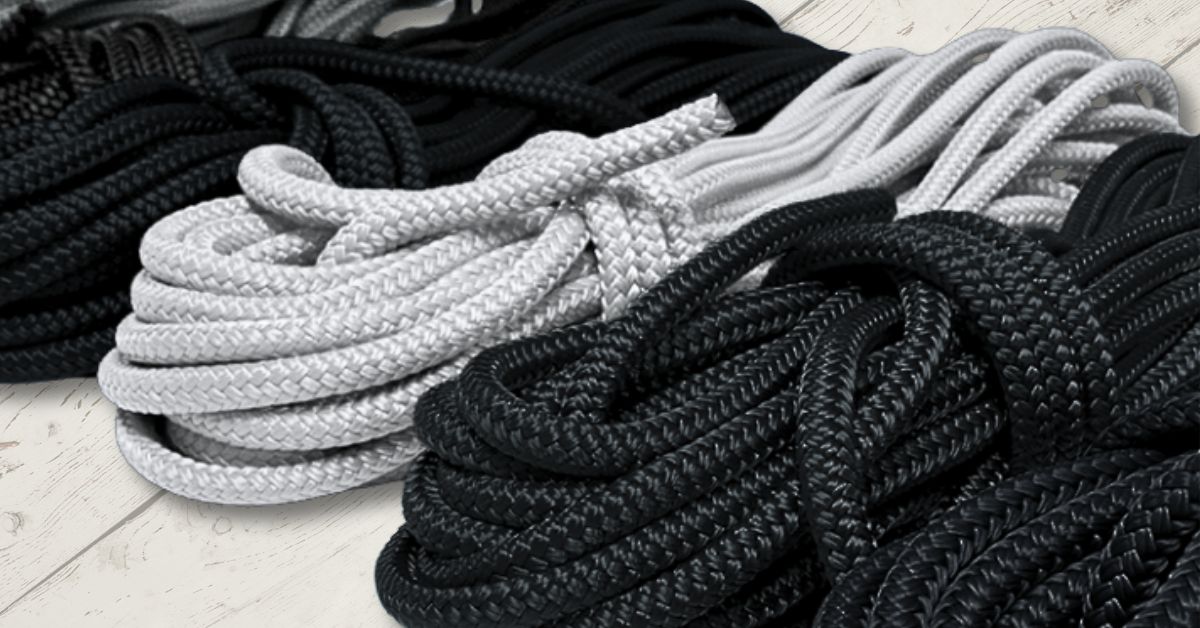
January marks the start of planning season for serious boaters. This is the time to assess equipment, order replacements, and organize gear before the busy months ahead. Properly coiling and storing your dock lines during the off-season protects your investment and ensures your lines are ready to deploy without tangles, kinks, or compromised strength when you need them.
American Rope manufactures dock lines engineered to resist memory and maintain flexibility, but even the highest-quality lines require proper storage techniques to maximize service life and performance.
Why Proper Coiling Matters
Incorrect coiling introduces twist into rope, creating kinks, hockles, and permanent memory that compromise both strength and handling. When you uncoil a poorly stored line, it can spring into loops and tangles. This is frustrating during routine docking and potentially dangerous in emergency situations.
According to the Cordage Institute, improper storage is one of the leading causes of premature rope retirement. The good news is that correct coiling takes no more time than incorrect methods. You simply need to match the technique to the rope’s construction.
Understanding Your Rope Construction
Before coiling, identify your rope type. Construction determines the correct coiling method.
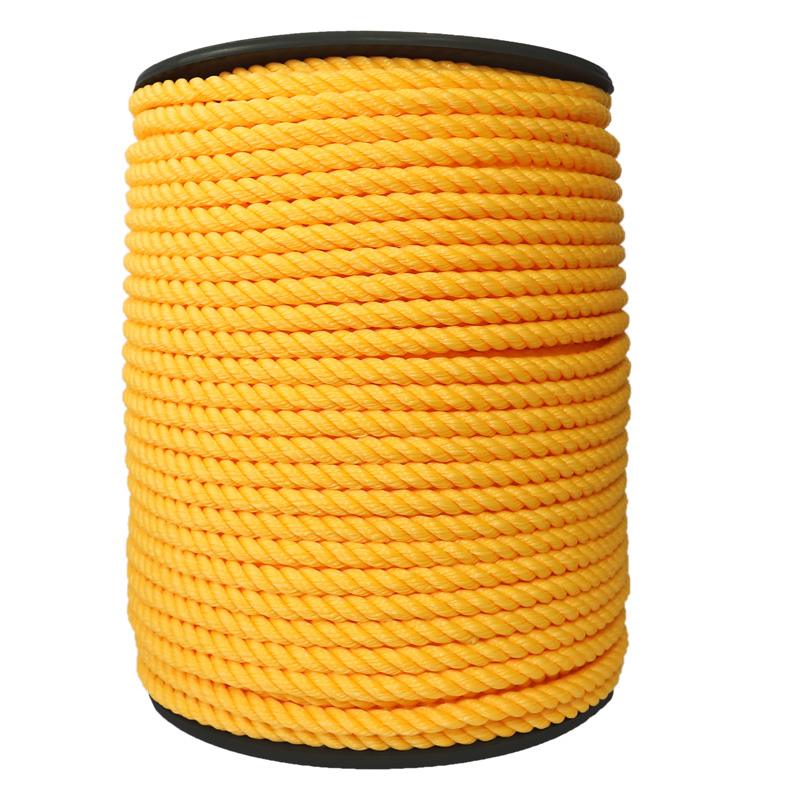
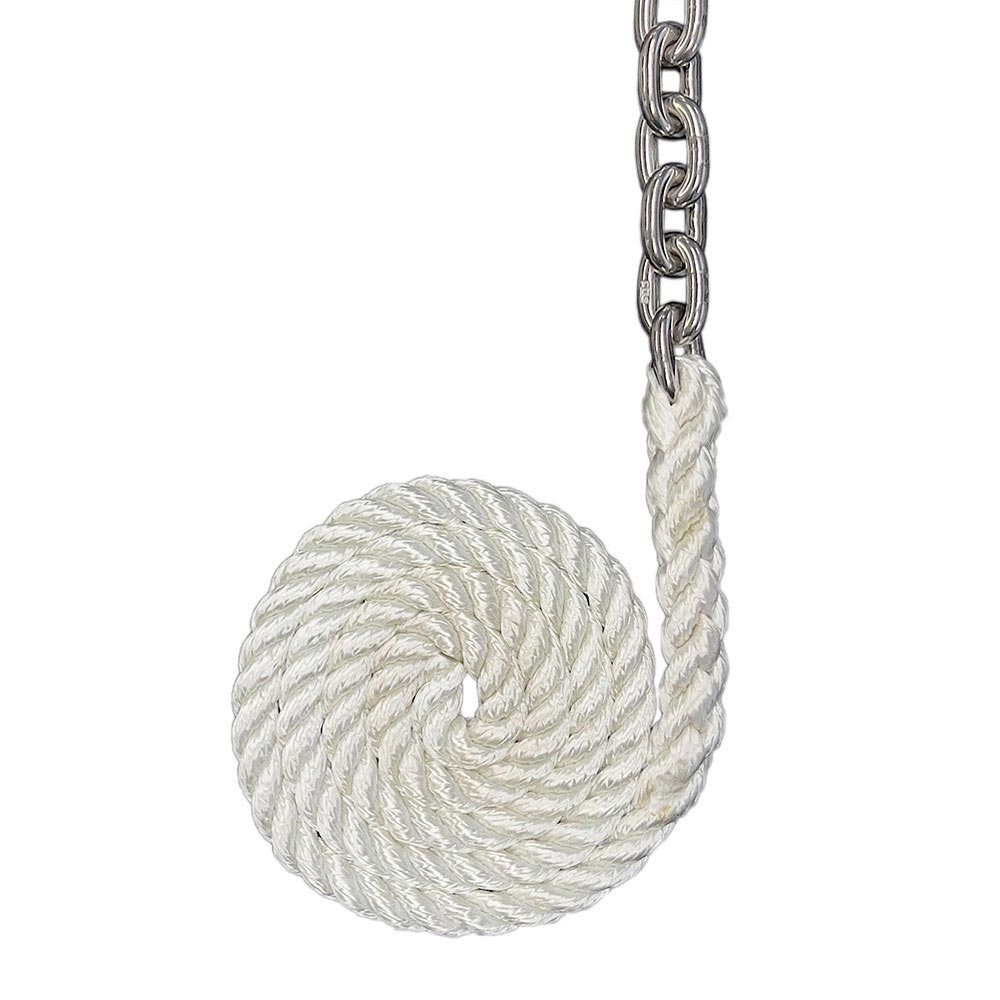
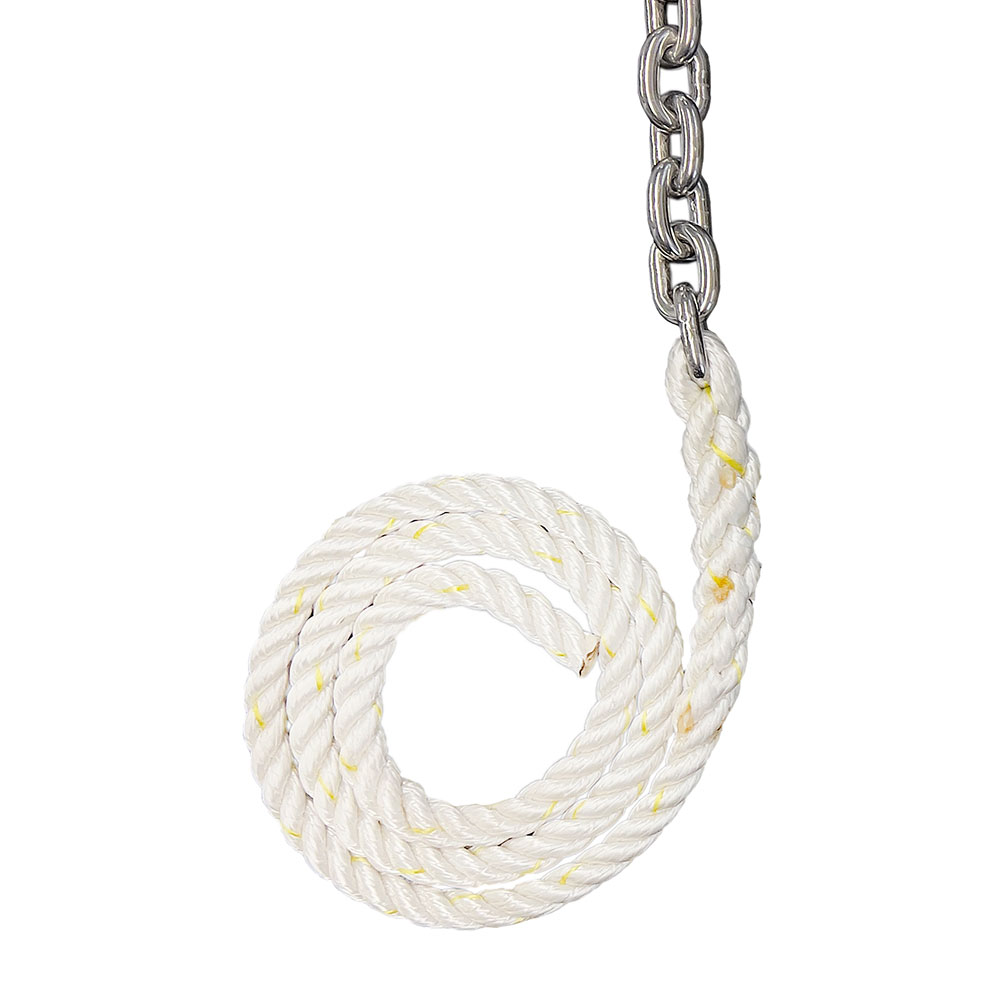
3-Strand Twist Rope: Three-strand rope has a natural lay, which is the direction in which the strands spiral. Coiling against the lay introduces twist, leading to kinks. American Rope’s three-strand nylon dock lines should always be coiled in the direction of the lay, which is typically clockwise for right-lay rope.
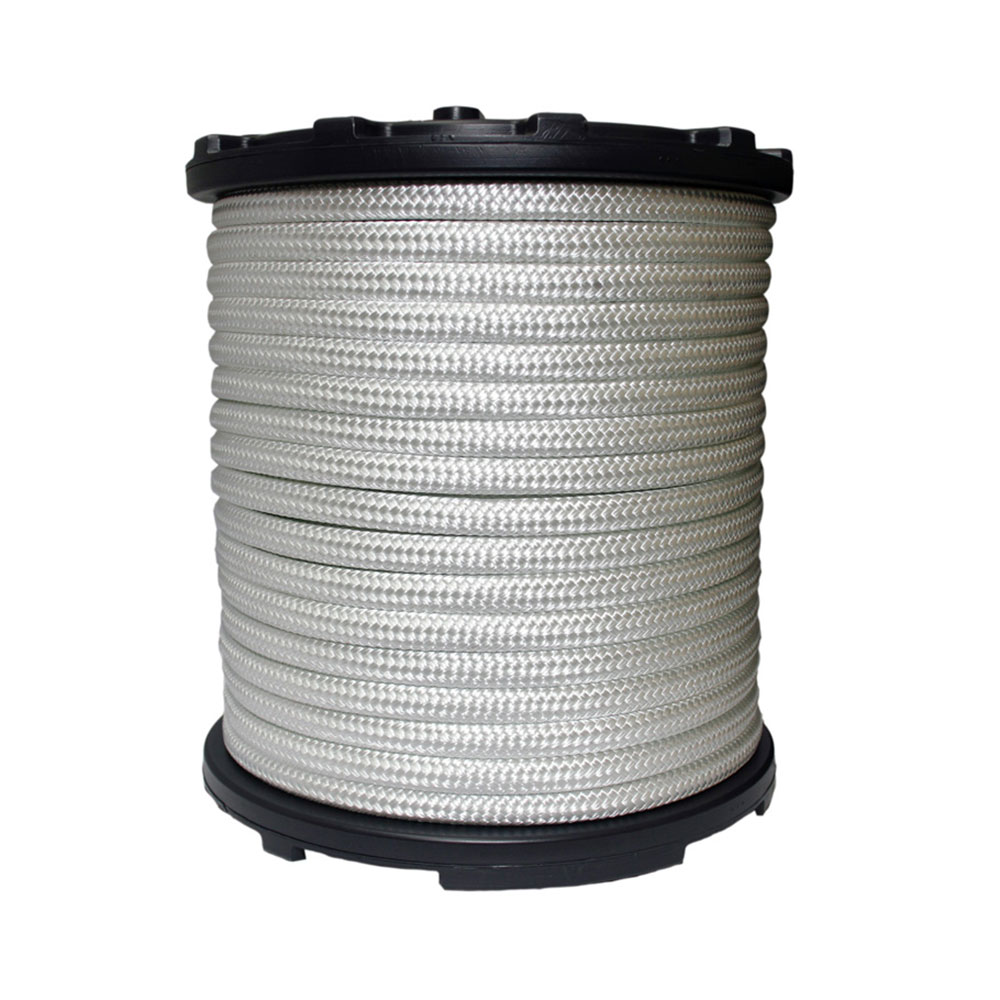
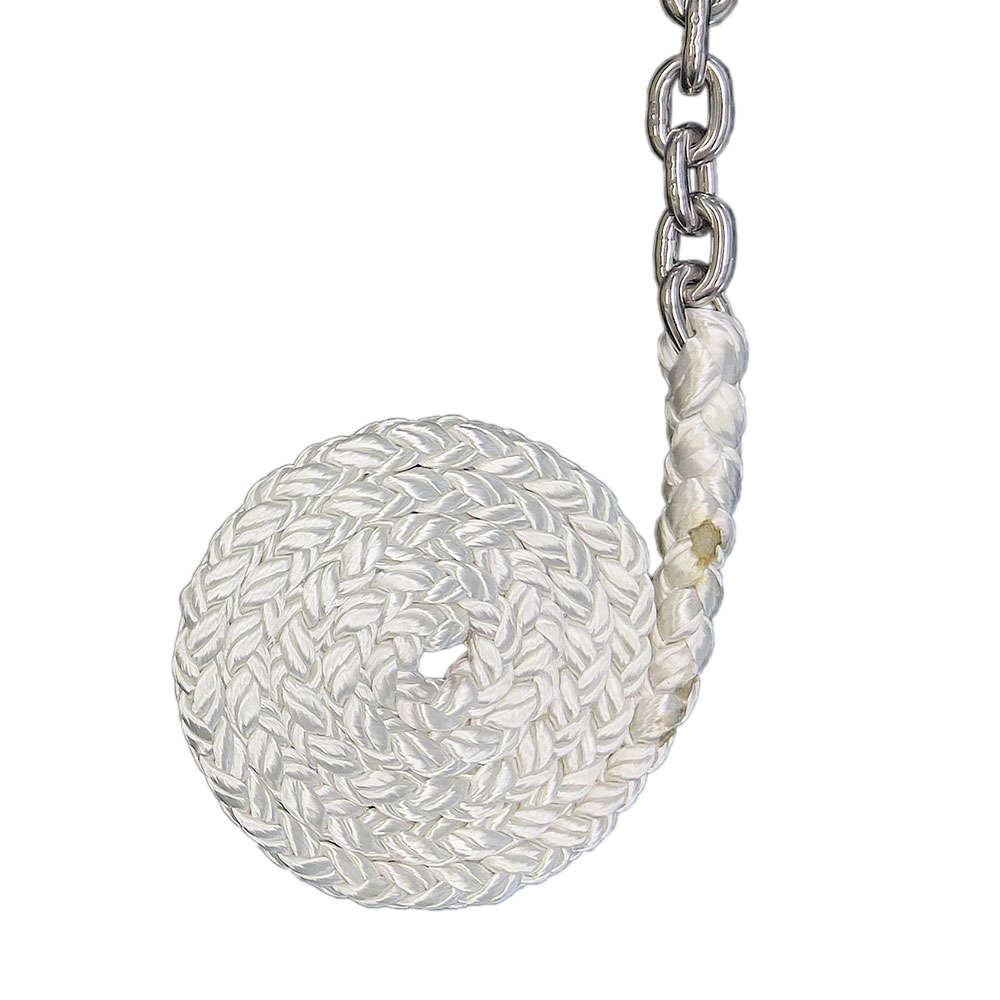
Double Braid Rope: Double braid rope features a braided core inside a braided cover and is American Rope’s most popular dock line construction. It is torque-free and does not naturally twist, which makes it ideal for figure-eight coiling. American Rope’s solution-dyed double braid dock lines maintain flexibility and resist UV degradation, making them well-suited for long-term storage with minimal memory development.
The Right Way To Coil Double Braid Dock Lines
For double braid rope, which is the modern standard for dock lines, use the following proven techniques.
Figure-Eight Method (Best for Preventing Kinks):
- Hold one end of the line in your non-dominant hand
- Create alternating loops, one to the right and the next to the left
- Do not rotate your wrist. Simply alternate loop direction
- This creates a figure-eight pattern that eliminates twist
- Continue until the entire line is coiled
- Secure with a loose tie using the working end
This figure-eight pattern eliminates twist and allows the rope to self-orient. It is American Rope’s recommended storage method for all braided dock lines and ensures smooth, tangle-free deployment.
Gasket Coil (Traditional Method for Hanging):
- Form large, loose circular coils that are approximately arm’s length
- Avoid pulling coils tight
- Wrap the working end around the coil several times
- Create a loop and pass it through the top of the coil
- Hang from a cleat, peg, or hook
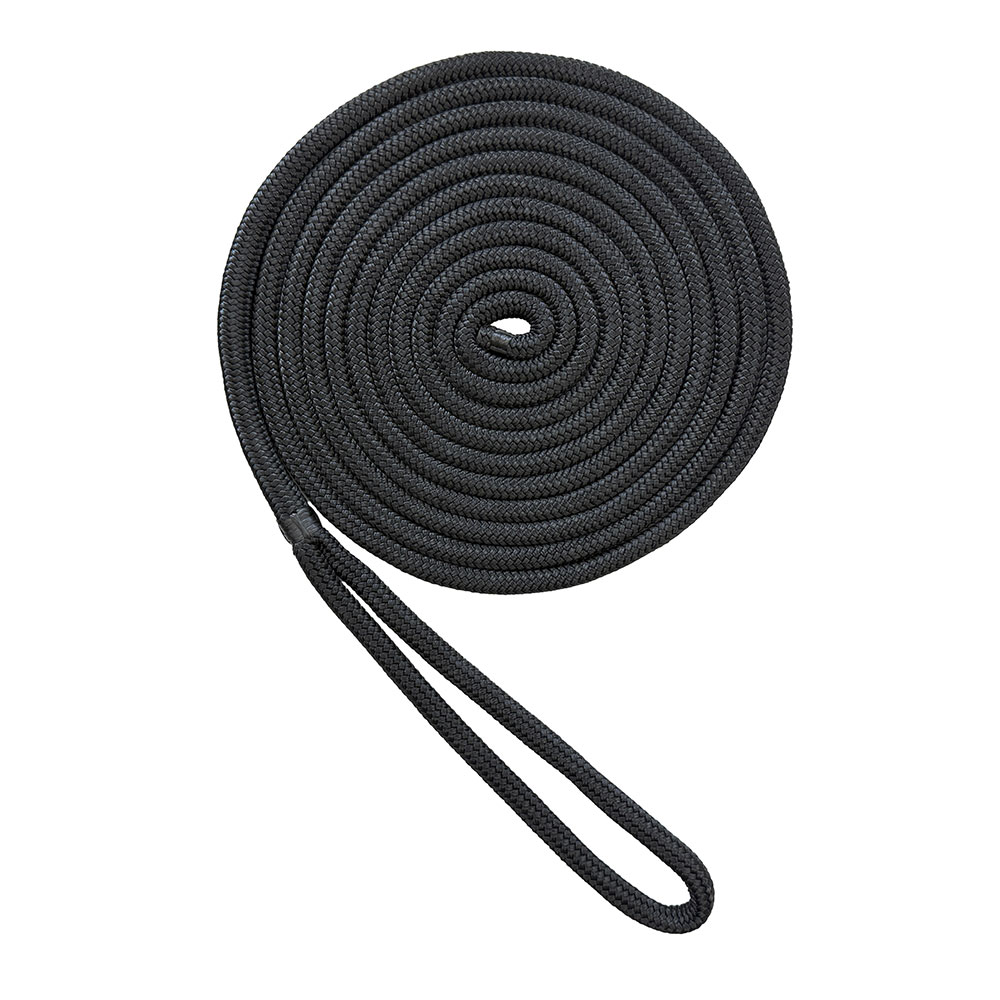
The gasket coil works well for three-strand rope coiled with the lay and for short-term storage of double braid lines. However, the figure-eight method remains superior for preventing kinks.
How To Coil 3-Strand Dock Lines
Three-strand rope requires special attention to its natural twist.
- Identify the lay direction, which is usually right-hand or clockwise
- Form loops in the same direction as the lay
- Allow the rope to twist naturally. Do not fight it
- Use slightly larger-diameter coils than with braided rope
- Secure loosely to avoid compressing the fibers
American Rope’s three-strand nylon dock lines are manufactured with consistent lay, which makes proper coiling easier. Fighting the rope’s natural twist is the most common mistake. Let the rope orient itself as you coil.
Securing Your Coil For Storage
Once coiled, secure the line to prevent unwinding and tangling.
Whipping Method:
- Leave 3-4 feet of working end
- Wrap it tightly around the body of the coil 4-6 times
- Tuck the end through the top loop and pull snug
This method is self-releasing: a quick tug uncoils the line
Loop-Through Method:
- After coiling, create a long bight (loop) from the working end
- Pass the loop up through the center of the coil
- Bring the loop back over the entire coil
- The coil’s own weight holds it secure
Both methods keep lines organized without introducing compression or creating hard spots that lead to permanent memory.
Storage Location & Environment
Where you store dock lines matters as much as how you coil them.
Ideal Storage Conditions:
- Cool, dry, dark location
- Good air circulation
- Away from chemicals, solvents, and battery acid
- Protected from UV exposure
What to Avoid:
- Poorly ventilated compartments
- Hot engine rooms or exhaust areas
- Locations where lines can be crushed or compressed
- Standing water or constant dampness
Hanging vs Stowed: American Rope’s solution-dyed dock lines resist UV degradation far better than surface-dyed alternatives. Even so, all rope benefits from dark storage when not in use. UV exposure accelerates fiber breakdown and increases susceptibility to permanent memory.
Inspecting Before Storage
Before coiling dock lines for off-season storage, conduct a thorough inspection.
- Run the line through your hands from end to end
- Check for chafe damage, particularly near eye splices and at cleats
- Look for UV fading. In solution-dyed rope, significant color change indicates degradation
- Feel for hard spots, lumps, or diameter inconsistencies
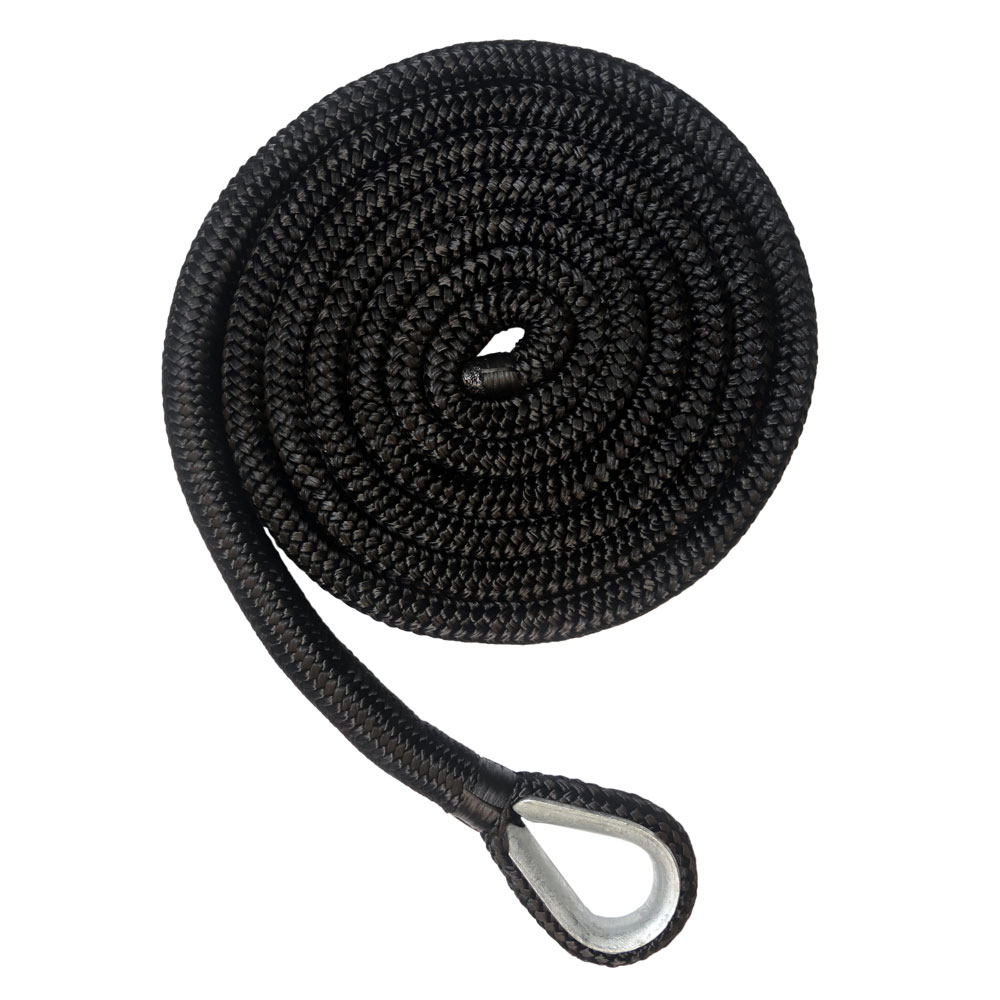
- Test eye splices for tightness and proper configuration
Document your findings with photos and notes. This creates a service record that helps you plan replacements and may be valuable for insurance purposes if equipment failure contributes to an incident.
When to replace before storage: If you discover significant damage during inspection, replace the line before storage rather than after. January is an ideal time to order replacement dock lines from American Rope. Our custom fabrication department produces lines to your exact specifications, with professional splicing, custom eye sizes, and a choice of 20 standard whipping colors.
The American Rope Advantage
American Rope manufactures dock lines engineered to resist memory while maintaining the strength and stretch characteristics boaters depend on. Our solution-dyed double braid nylon dock lines resist fading, and our precise heat-setting process minimizes coil memory without compromising splice integrity.
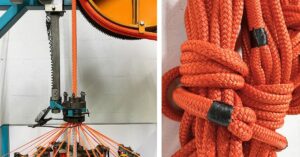
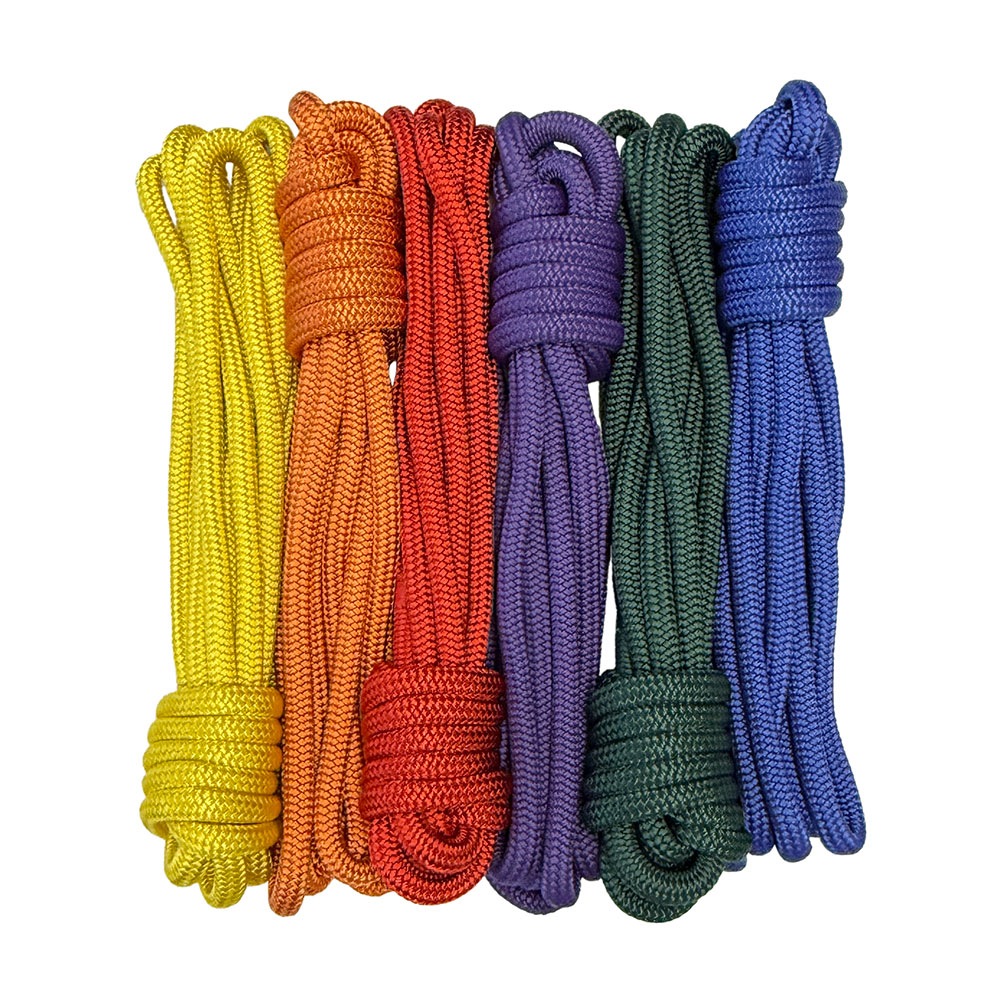
Every dock line is hand-spliced with UV-resistant whipping at both the throat and bitter end. We offer custom lengths, eye sizes, and 20 standard whipping colors, with custom colors available upon request, to help you organize your docking system effectively.
American Rope dock lines deliver professional performance season after season when maintained properly. Visit American Rope to explore our full range of custom dock lines or contact our team for guidance on sizing, construction, and storage solutions for your vessel.
Planning ahead now ensures smooth, safe docking operations when the season arrives.