
A secure anchor is the cornerstone of peace of mind on the water. Whether you’re fishing, resting overnight, or waiting out a storm, proper anchoring can mean the difference between a stable stay and a drifting disaster. Yet, even experienced boaters sometimes overlook basic anchoring principles, leading to equipment failure, boat damage, or dangerous situations. At American Rope, we’ve seen firsthand how the right equipment and techniques make all the difference. This guide covers the most common anchoring mistakes and how to avoid them for a safer experience.
Misjudging the Scope
One of the most frequent anchoring errors involves using too little scope. Scope is the ratio of anchor line length to the vertical distance from the bow to the seabed. Too short a scope reduces holding power, especially in rough conditions or shifting currents. Ideally, a scope of 7:1 (seven feet of line for every one foot of depth) provides optimal holding in most conditions. In calm weather, 5:1 may suffice, but in wind, waves, or when overnighting, more is better.
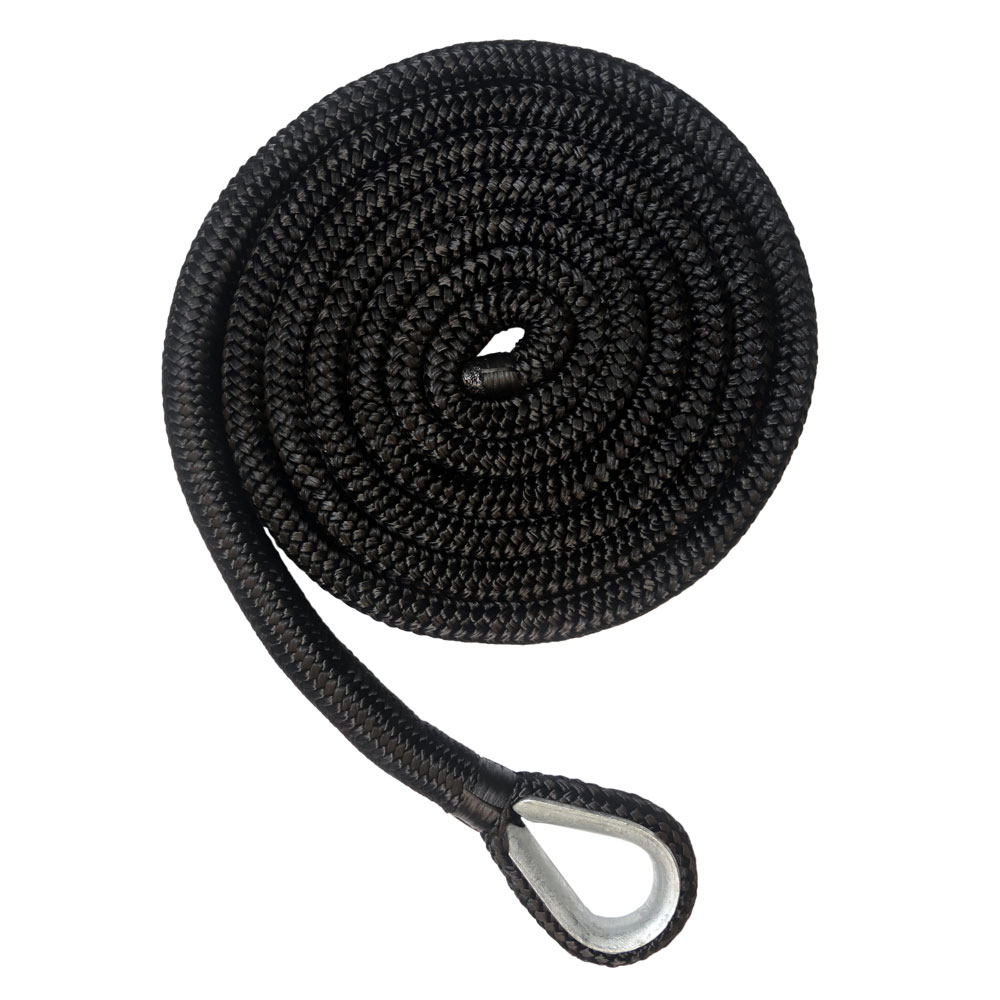
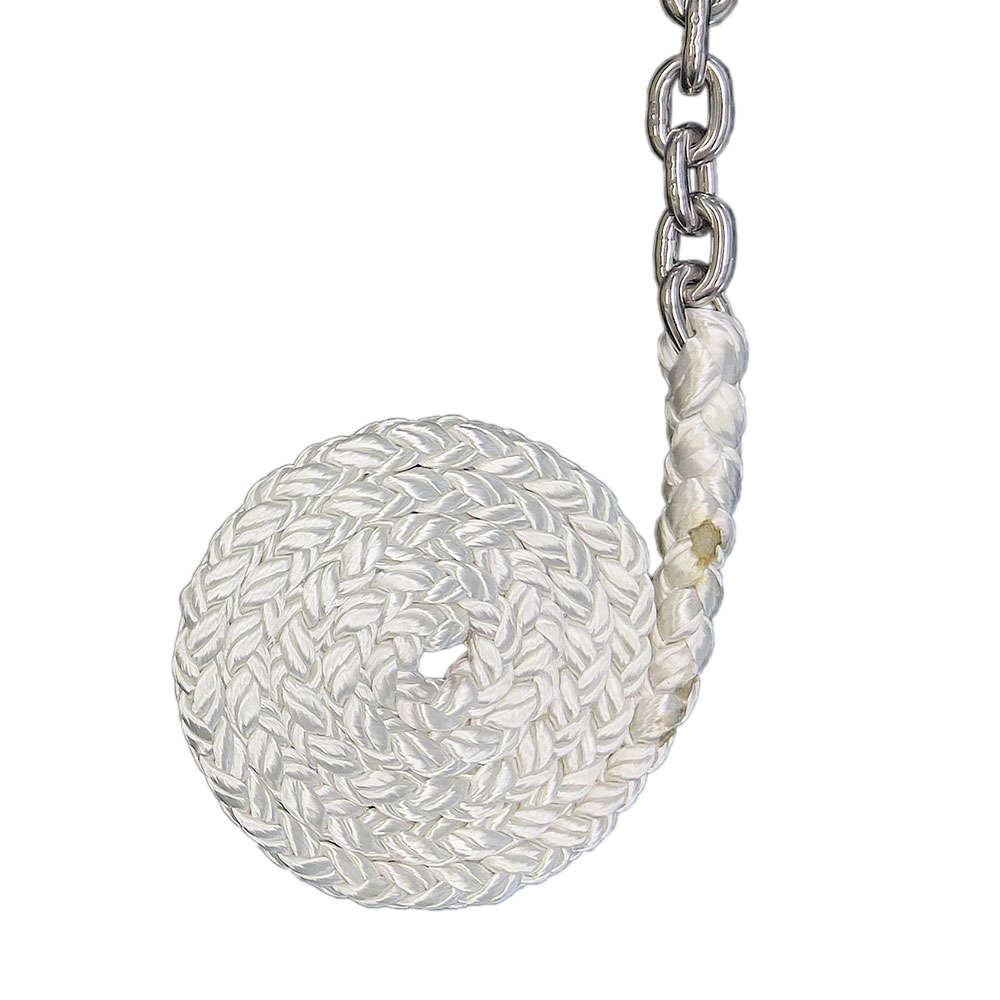
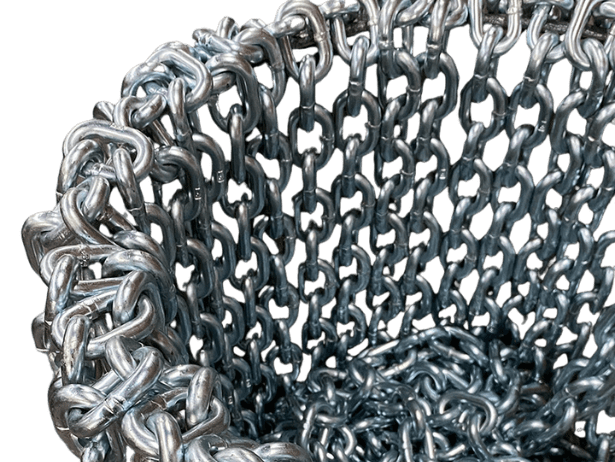
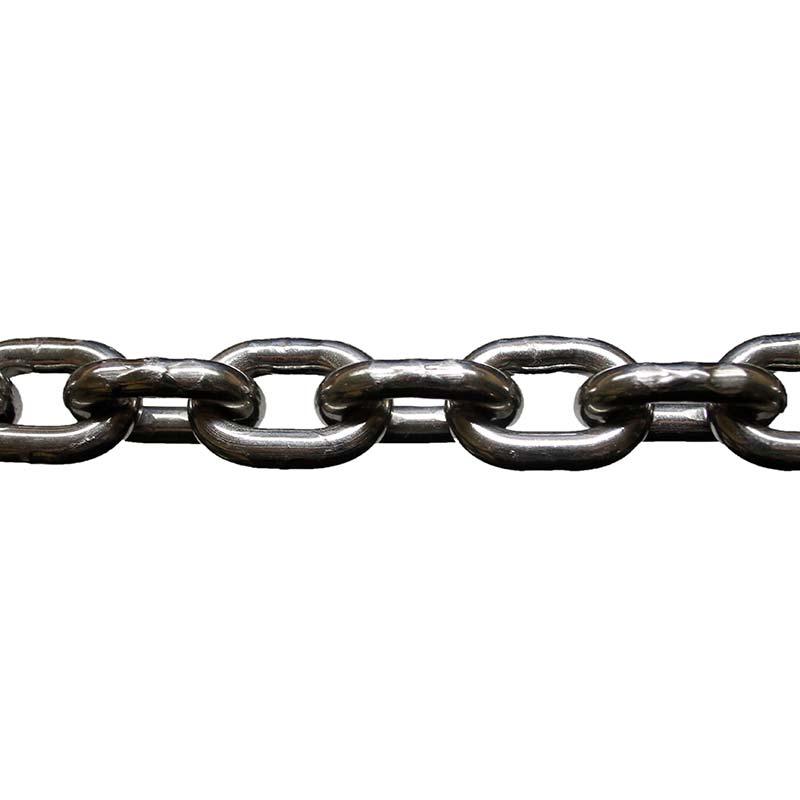
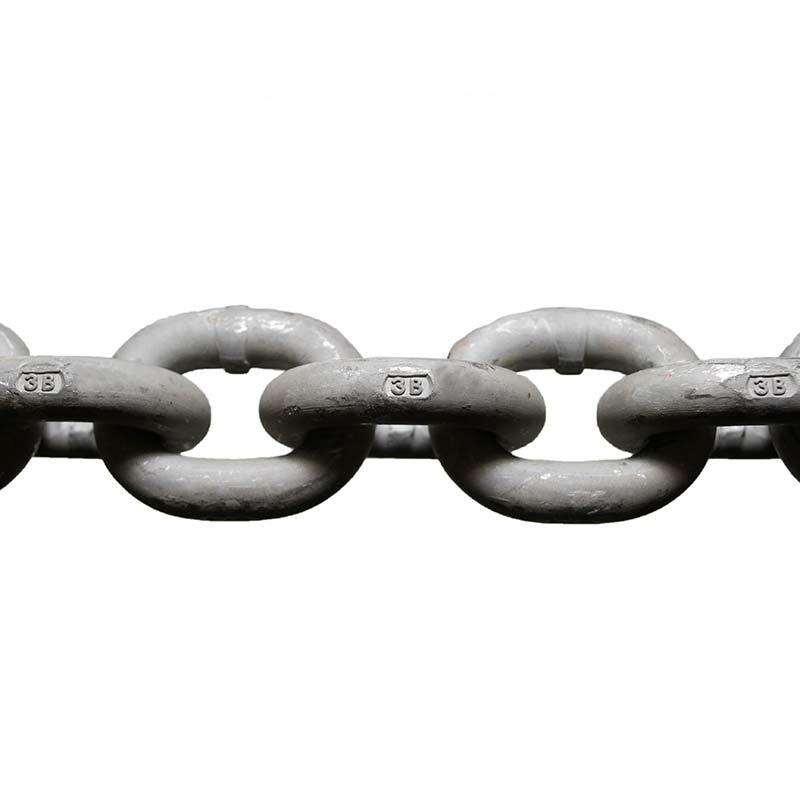
Skimping on scope often stems from a desire to stay within tight anchoring areas, but cutting corners here leads to dragged anchors and exposed vessels. Choose a high-quality, flexible anchor rode that combines chain and rope—like American Rope’s anchor rodes—which allows your anchor to set securely while adapting to shifting loads.
Choosing the Wrong Anchor Rode
Another overlooked aspect of safe anchoring is selecting the proper anchor rode. Many boaters use all-chain setups or cheap rope that lacks elasticity. The problem with inelastic lines is that they transfer shock directly to the boat and anchor, which can cause the anchor to pop loose or the line to snap under stress.
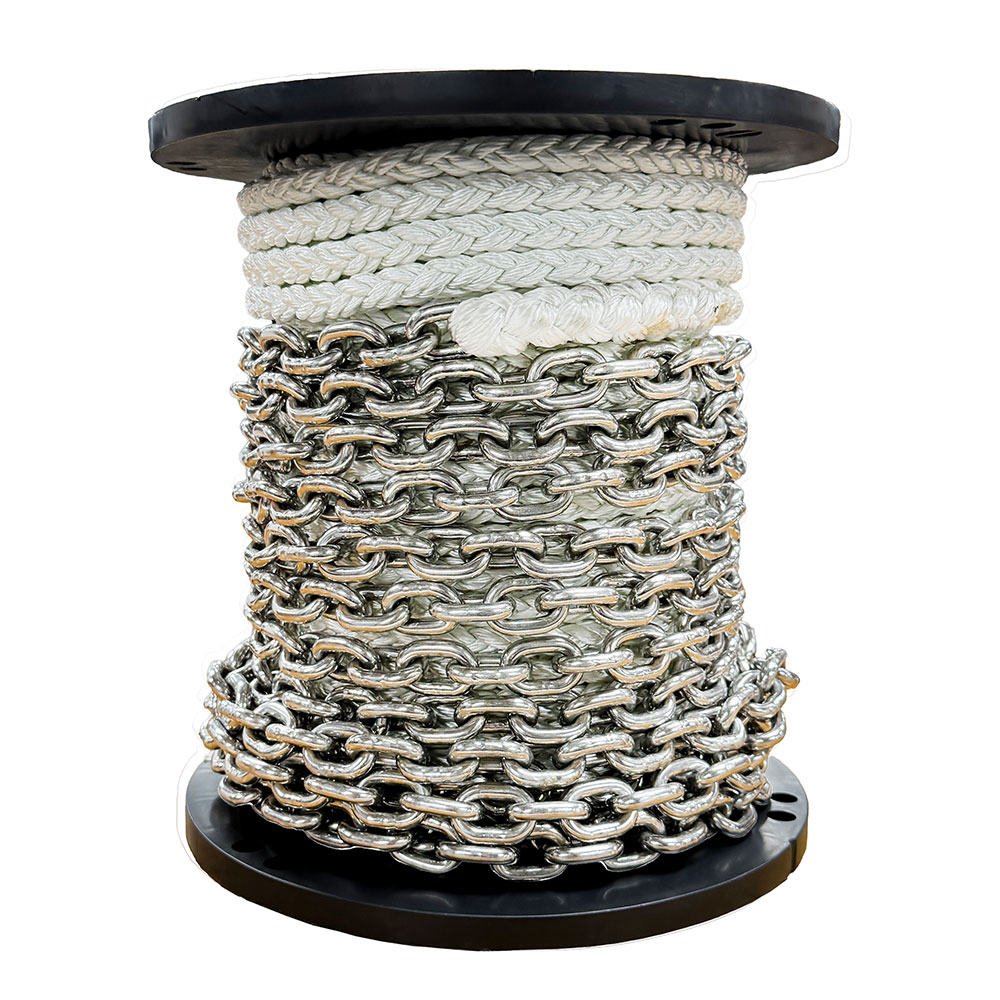
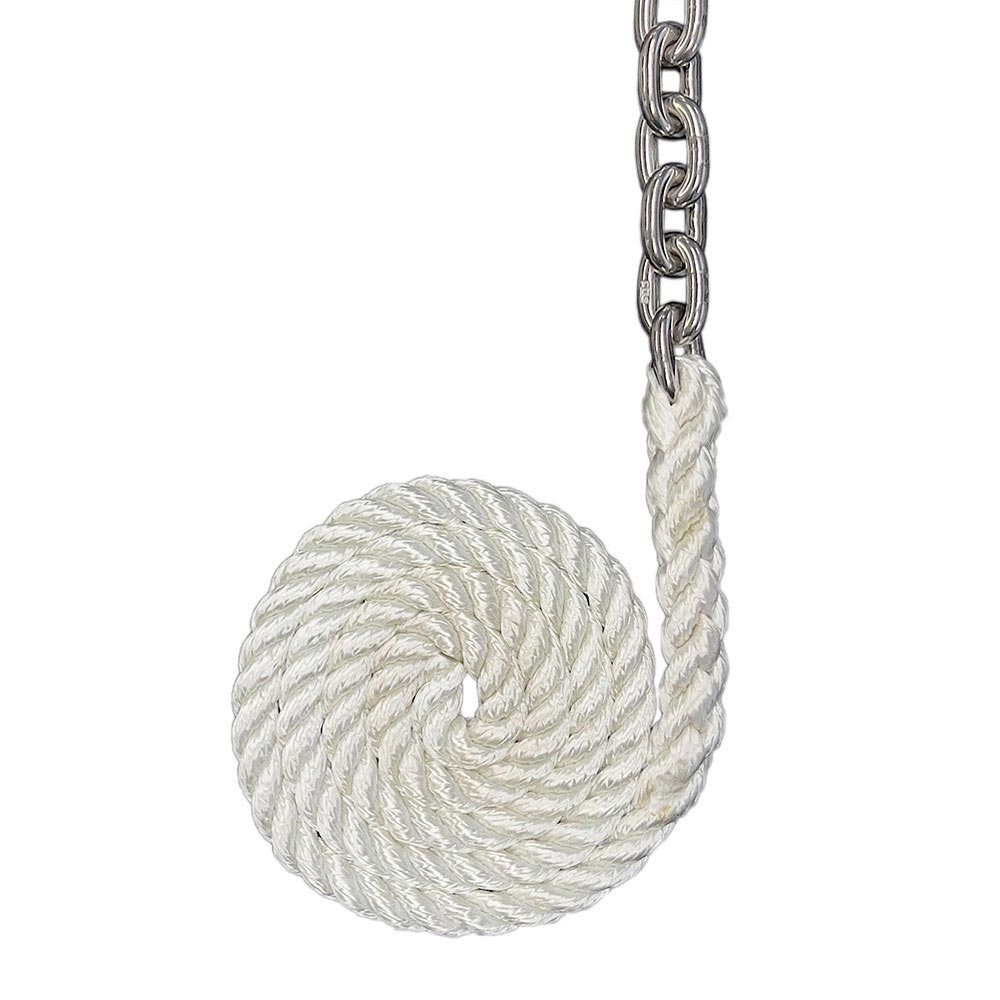
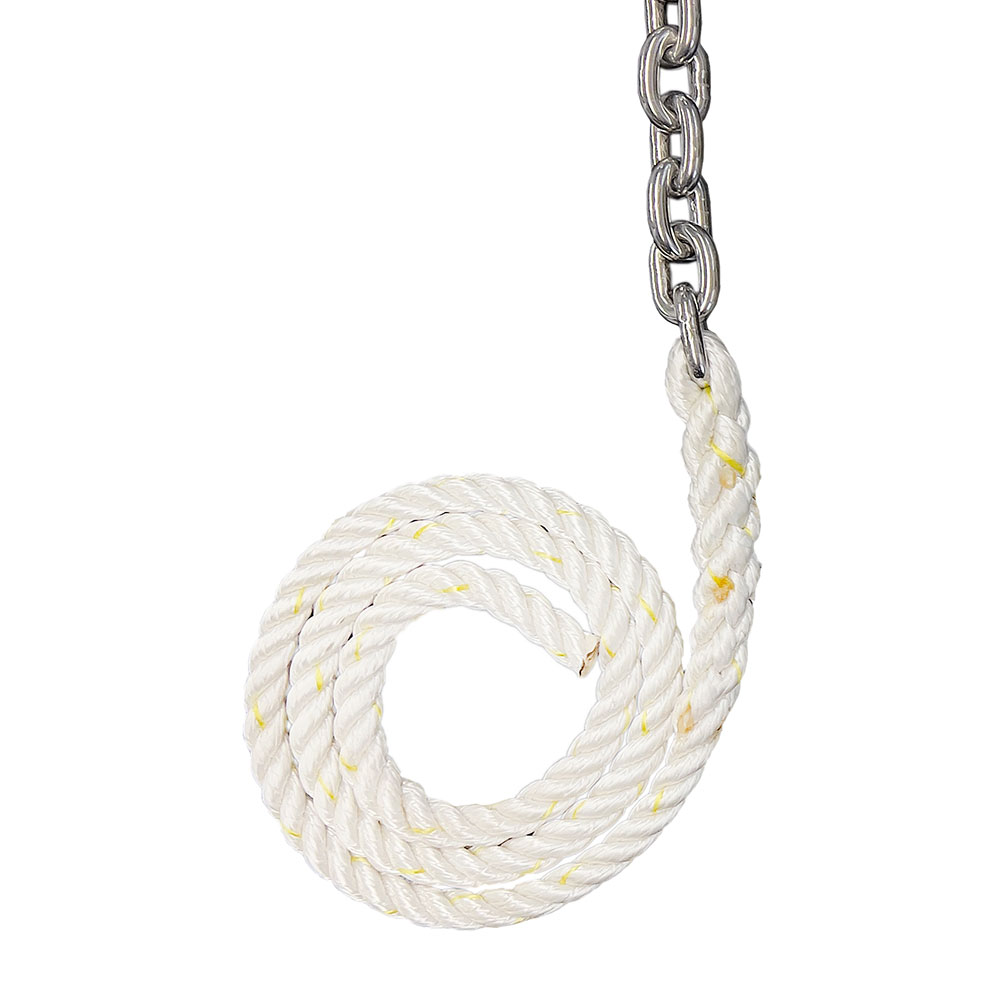
A better approach involves using a combination rode—nylon rope for shock absorption paired with chain for added weight and abrasion resistance. American Rope’s anchor rodes, engineered for both windlass and manual systems, provide smooth handling and reduced twist, helping your gear perform as intended when it matters most.
Poor Anchor Setting Techniques
Dropping anchor and assuming it’s set is a gamble. Many boaters fail to back down gently with the engine after setting the anchor, missing the opportunity to ensure a solid hold. Without proper tension, the anchor may rest on its side or skip across the bottom instead of digging in. You may not notice the problem until the wind picks up—or worse, until your vessel drifts dangerously close to others or the shoreline.
To set the anchor correctly, lower it slowly to the seabed, then gradually reverse at idle speed while paying out the rode. Watch for resistance and verify the anchor is holding. Feel for a steady pull, check fixed points on land for movement, and consider setting an anchor alarm on your GPS as a backup safeguard.
Anchoring in the Wrong Bottom Conditions
Even the best anchor and rode setup can fail if it’s deployed in unsuitable bottom conditions. Mud, sand, grass, rock, and coral all require different anchor designs and techniques. For instance, plow-style and fluke anchors perform well in sand and mud, while grapnel anchors are specifically designed for rocky bottoms. Claw anchors offer good all-around performance in most conditions, but can struggle with very hard bottoms like clay or rock. Yet many boaters rely on a one-anchor-fits-all approach and end up dragging when the seabed doesn’t cooperate.
Study local charts and use a depth sounder to identify the bottom type before anchoring. If you cruise unfamiliar waters, keep multiple anchor types onboard or be ready to reposition. Ensuring your anchor is matched to the environment is a foundational part of safe anchoring.
Failing to Monitor Weather and Tides
Conditions on the water can change quickly. Wind direction, wave height, and current all affect how your boat rides at anchor. Without ongoing monitoring, even a well-set anchor can become unreliable. For example, a shift in the tide may swing your boat in a wide arc, wrapping your rode around obstacles or decreasing holding tension. A rising tide could shorten your scope unless you’ve allowed sufficient rode from the start.
Stay aware of tidal charts and weather updates, and always allow more scope than you think you need when anchoring overnight. Use snubbers to reduce shock and stress on your anchor rode in gusty conditions, and check anchor drag by watching for shift in your GPS position or bearings to land-based markers.
Overlooking Chafe and Wear
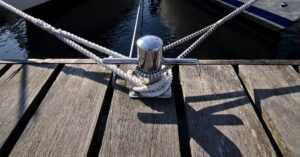
Another critical but easily neglected issue is line chafe. Even the strongest rope can wear down if it repeatedly rubs against a sharp edge, anchor roller, or bow cleat. Many anchoring failures happen not because the anchor pulled out, but because the line gave way under friction stress. Inspect your anchor rode regularly, especially at connection points and areas where it passes through hardware. American Rope anchor rodes are crafted with marine-grade materials to withstand abrasion, but adding chafe guards at known friction points provides even more assurance.
Improper Retrieval and Storage
Finally, how you retrieve and store your anchor line affects its longevity and performance. Yanking the line up too quickly can damage your windlass, overload the rope, or even damage sensitive bottom areas like reefs. Instead, put the boat in forward gear and motor slowly toward the anchor to reduce strain during retrieval.
When using a windlass, the rode will be stored immediately after retrieval, so focus on rinsing and drying it during your next maintenance routine. For manual systems, rinse the rode with fresh water when possible and allow it to dry before stowing. Storing a wet, salt-covered rode without eventual cleaning leads to stiffness, mildew, and degradation.
Anchor With Confidence
Anchoring is as much an art as it is a science. By avoiding these common mistakes and taking a thoughtful approach to equipment, scope, and conditions, you’ll enjoy greater confidence and security every time you drop the hook. At American Rope, we’re proud to support safe anchoring practices with durable, well-engineered products tailored for real-world marine use.
Whether you’re day cruising or preparing for a night at anchor, our expertly designed anchor rodes and accessories will help ensure you stay put, safely and securely.
Need help selecting the best anchor rode solution for your boat? Contact our team today for personalized recommendations based on your vessel and anchoring needs.